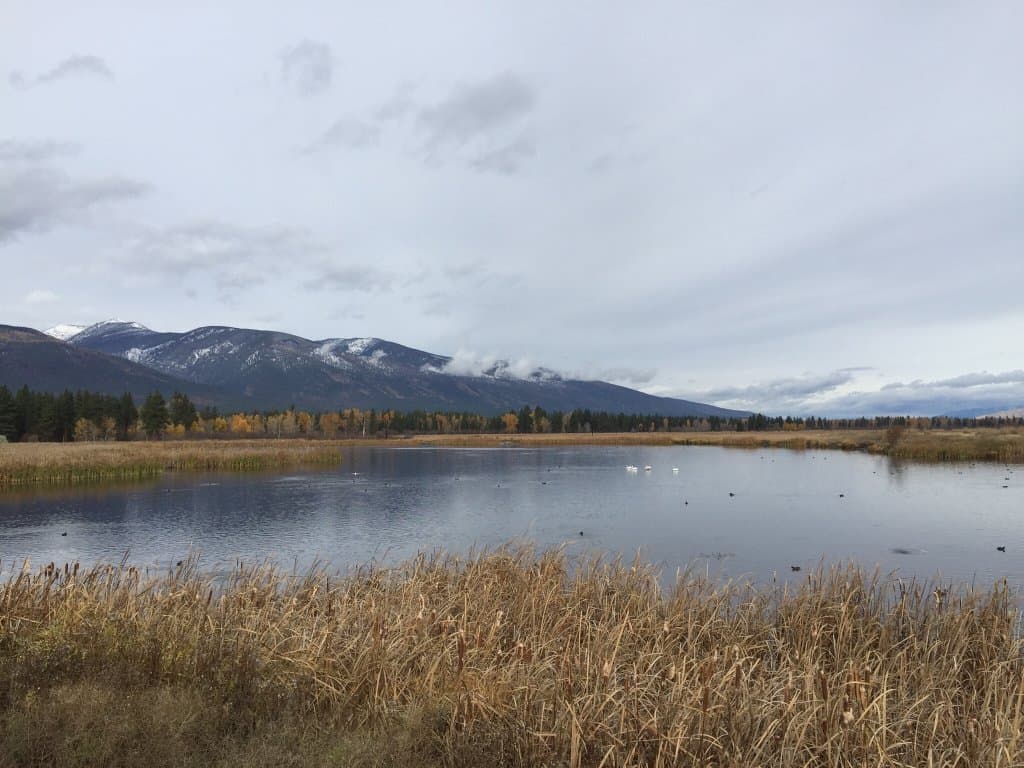
Lee Metcalf National Wildlife Refuge
A serene sanctuary for wildlife and a peaceful escape, offering diverse habitats and accessible trails for all to enjoy.
Highlights
Must-see attractions

Social
From TikTok & Reddit
Best Time
Peak bird migration
Lee Metcalf National Wildlife Refuge
Best Time
Peak bird migration
Highlights
Must-see attractions
A serene sanctuary for wildlife and a peaceful escape, offering diverse habitats and accessible trails for all to enjoy.
"This fabulous, serene wildlife refuge offers awe-inspiring beauty, tranquility, and great, accessible trails."
Visit the Visitor Center First
Get trail recommendations and learn about local wildlife from friendly staff. :information_desk:
Pack for All Weather
Montana weather can change quickly; bring layers for sun, rain, and wind. :cloud:
Highlights
Discover the most iconic attractions and experiences
Visitor Center Exhibits
Visitor Center
Engaging taxidermy exhibits showcase local wildlife, with friendly staff ready to offer trail advice and information.
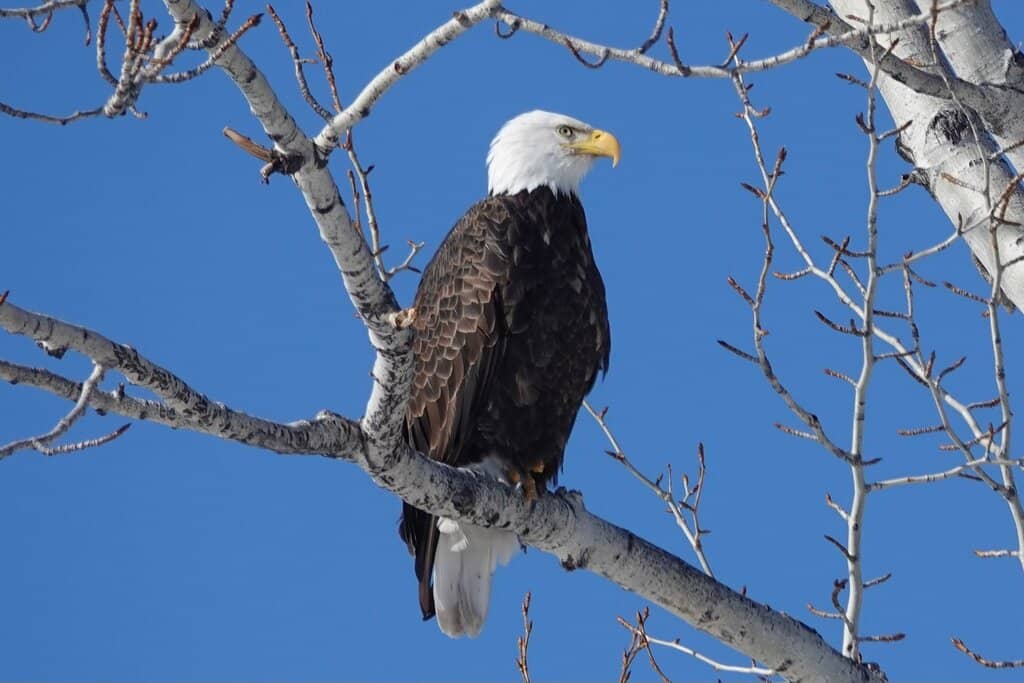
Bird Watching Paradise
Various wetland and forest habitats
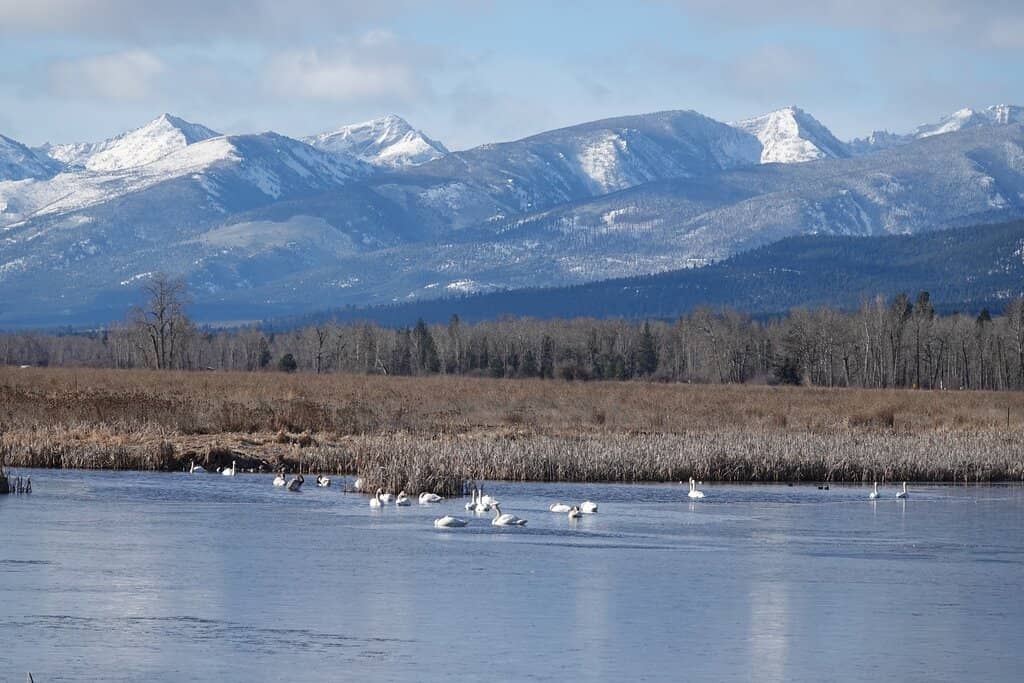
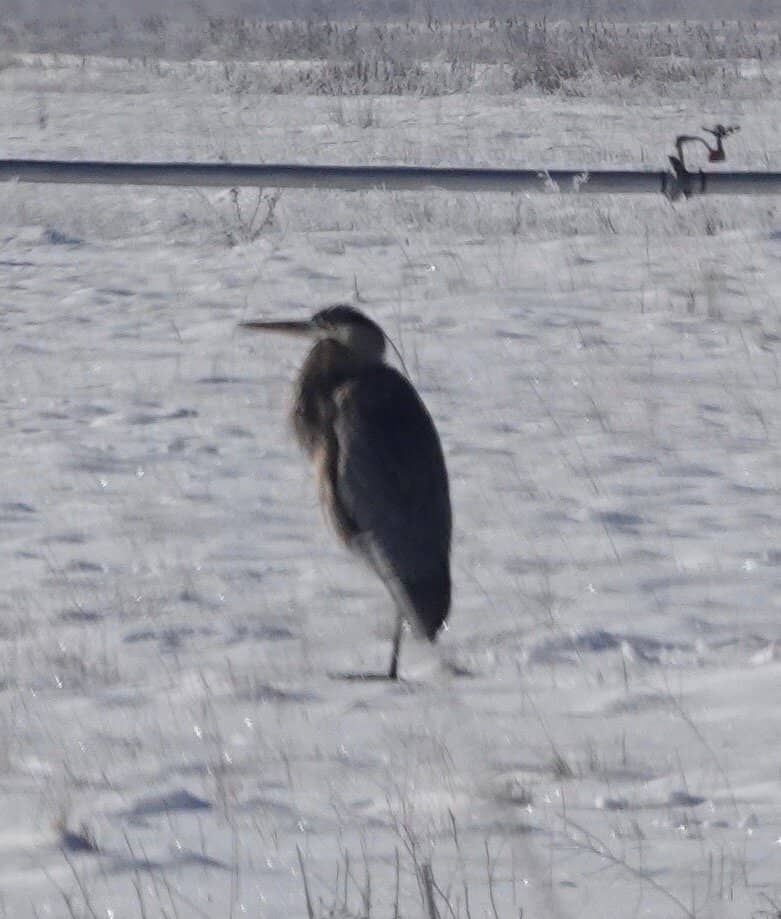
Spot trumpeter swans, osprey, northern harriers, and countless other avian species in their natural habitat.
 +1
+1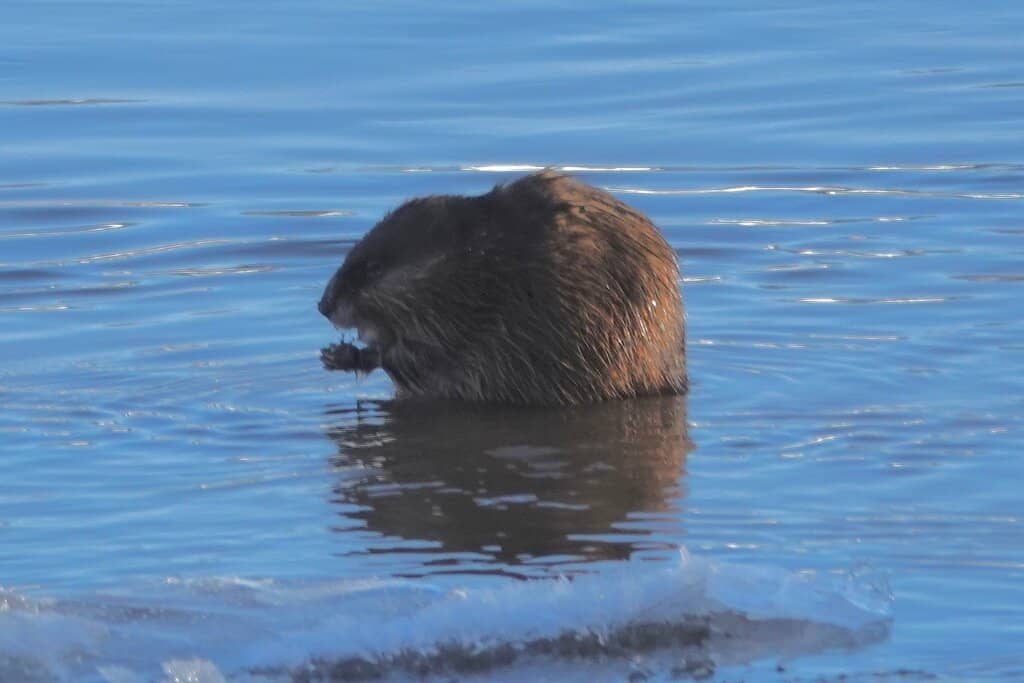
Scenic Walking Trails
Throughout the refuge
Enjoy easy, accessible trails offering tranquil walks with opportunities to see deer, turtles, and diverse flora.
North Burnt Fork Creek Restoration
North Burnt Fork Creek
Witness ongoing restoration efforts to improve fish passage and reconnect vital habitats for spawning trout.
Plans like a pro.
Thinks like you
Planning Your Visit
Best Trails for All Abilities
Wildlife Viewing Hotspots
+1Best Times
Insider Tips
from TikTok, Instagram & Reddit
Visit the Visitor Center First
Get trail recommendations and learn about local wildlife from friendly staff. :information_desk:
Pack for All Weather
Montana weather can change quickly; bring layers for sun, rain, and wind.
Binoculars are a Must
Enhance your wildlife viewing experience, especially for spotting distant birds.
Check Trail Conditions
Some roads can be rocky, so inquire about the best routes for your chosen activity. :road:
Tips
from all over the internet
Visit the Visitor Center First
Get trail recommendations and learn about local wildlife from friendly staff. :information_desk:
Pack for All Weather
Montana weather can change quickly; bring layers for sun, rain, and wind.
Binoculars are a Must
Enhance your wildlife viewing experience, especially for spotting distant birds.
Check Trail Conditions
Some roads can be rocky, so inquire about the best routes for your chosen activity. :road:
Respect the Wildlife
Maintain a safe distance and avoid disturbing animals in their natural habitat.
What Travellers Say
Reviews Summary
Visitors rave about the refuge's serene beauty, accessible trails, and abundant wildlife, making it a gem for birdwatchers and nature lovers. While some note road conditions can be challenging for cycling, the overall experience is highly recommended for its tranquility and natural appeal.
"Start at the Visitor Center for a great collection of taxidermy-style exhibits. Touch only the fur bearers, not the amazing feathered specimens. Talk to Kim to find the best trail for your style and stamina.
Know that this is a refuge and is a wonderful observation area. Porta John's throughout.
There are resident Osprey and many other birds. I'm going back to find a Lewis's Woodpecker!
A lovely doe spied on me as I ate lunch in the woods."
Patricia Pieri
"Good place to bird watch see turtles go on a hike. The visitor center the staff were really friendly and professional. They help out with any information that you want to know. The gift shop could be a Lil bigger but I would highly recommend its for all ages"
jebm 27
"Great for bird watchers! Wife wanted to paint, and I wanted to activate a POTA for ham radio. Lovely day out."
David Dobbins
What People Like
What People Dislike
Frequently Asked Questions
🚇 🗺️ Getting There
The refuge is located near Stevensville, Montana. It's easily accessible by car, with clear signage from Highway 93. Many visitors find it a convenient stop when traveling between Missoula and the Bitterroot Valley.
Yes, there are parking areas available at the Visitor Center and at various points along the refuge roads, allowing for easy access to trails and viewing spots.
While biking is possible, some visitors have noted that the roads can be rocky and have potholes, making it challenging for some cyclists. It's best to check current conditions or stick to designated paths.
Many of the trails are described as easy and accessible, making them suitable for visitors with mobility challenges. The Visitor Center is also generally accessible.
From Missoula, take US-93 South for approximately 30 miles towards Stevensville. The refuge entrance will be clearly marked off the highway.
🎫 🎫 Tickets & Entry
Lee Metcalf National Wildlife Refuge generally does not have an entrance fee, making it a free and accessible destination for all visitors.
The refuge is typically open from dawn to dusk daily, allowing ample time for exploration. The Visitor Center may have more specific operating hours.
No permit is required for general visitation to the refuge. It's a public space managed for wildlife conservation and public enjoyment.
While specific pet policies can vary, it's generally recommended to check with the refuge management for current regulations regarding pets, especially concerning wildlife. Leashed pets are often permitted on trails.
Yes, porta-johns are available at various locations throughout the refuge, providing essential facilities for visitors.
📸 📸 Photography
The wetlands and riparian areas are prime locations for bird photography, especially during migration seasons. Keep an eye out for osprey nests and waterfowl.
Absolutely! The open skies and minimal light pollution make Lee Metcalf National Wildlife Refuge a fantastic spot for astrophotography, including capturing the aurora borealis.
You can photograph a wide array of wildlife, including various bird species (swans, geese, ducks, raptors), beavers, muskrats, and deer.
Generally, photography for personal use is encouraged. However, commercial photography or drone usage may require special permits, so it's best to inquire with refuge staff.
Early mornings and late afternoons offer beautiful golden hour light, perfect for capturing the scenic beauty of the refuge, especially with the surrounding Bitterroot Mountains.
🎫 🌿 Onsite Experience
The refuge offers a variety of trails, ranging from short, easy loops suitable for a leisurely stroll to longer paths for more extensive exploration. Many are described as accessible and great for all ages.
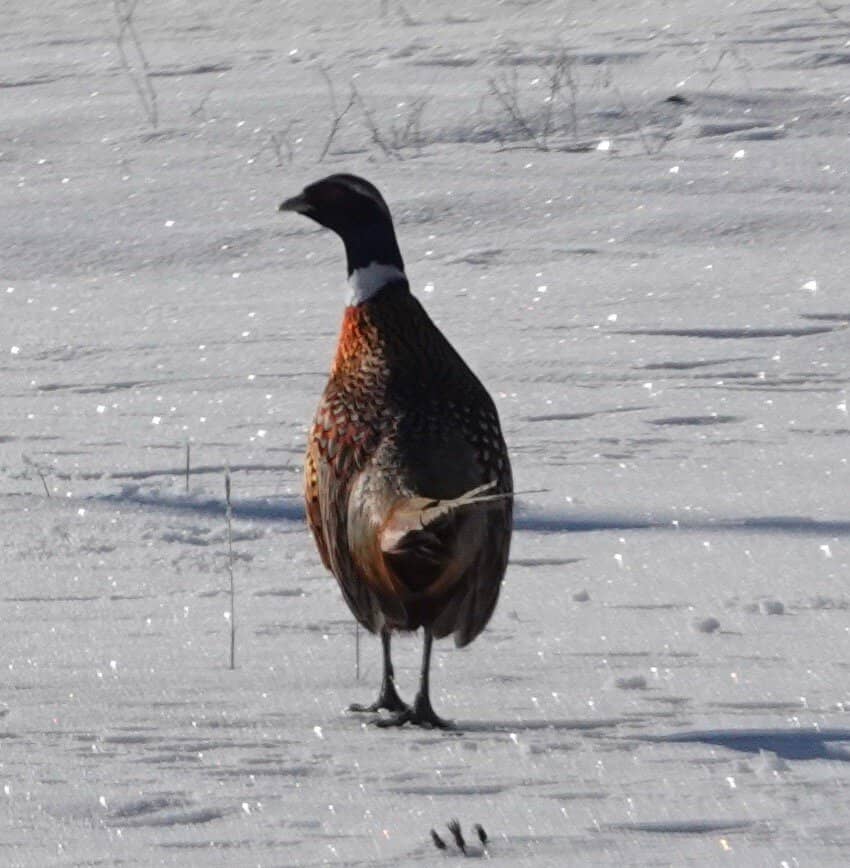
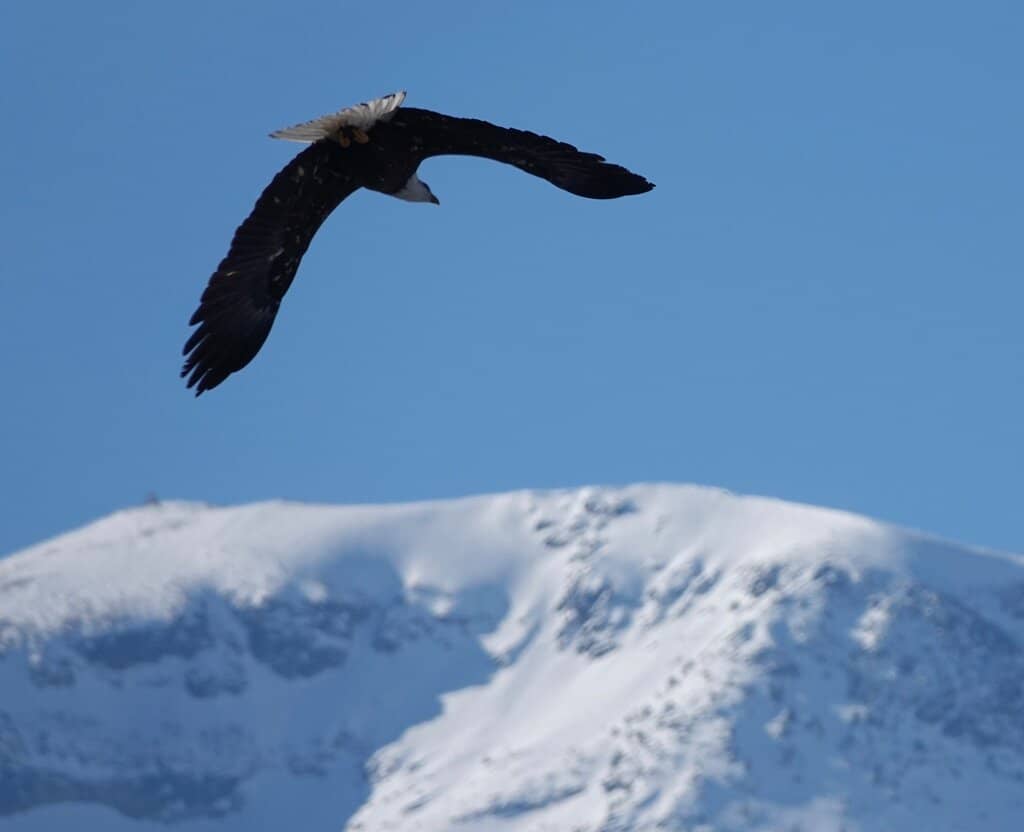
Expect to see a diverse range of wildlife, including numerous bird species like trumpeter swans, Canadian geese, ducks, osprey, and potentially Lewis's woodpeckers. You might also spot deer, beavers, and muskrats.
Yes, it's an excellent destination for bird watching, with over 235 bird species recorded. The variety of habitats supports a rich avian population year-round.
While not always formally advertised, some local nature guides lead tours in the area, offering expert insights into the refuge's ecology and wildlife.
Many visitors enjoy a combination of driving the scenic roads, stopping at pull-offs for wildlife viewing, and taking short walks on the trails. The Visitor Center is a great starting point.
For Different Travelers
Tailored advice for your travel style
👨👩👧 Families with Kids
Pack snacks and drinks, and plan for a few hours to explore. The open spaces offer room to roam, and the variety of sights and sounds will keep kids entertained. It's a great way to introduce children to nature and conservation in a relaxed, enjoyable setting.
🚶♀️ Nature Walkers & Casual Explorers
Don't miss the opportunity to visit the Visitor Center for insights into the refuge's ecology and to get recommendations for the best walking paths. The chance to observe wildlife, from resident deer to a multitude of bird species, adds an extra layer of enjoyment to your exploration.
📸 Photographers
+1The refuge is also a prime spot for astrophotography, with clear night skies offering chances to photograph the northern lights.
Early mornings and late afternoons provide the best light for both wildlife and landscape photography, so consider planning your visit around these golden hours. Deep Dives
In-depth insights and expert knowledge
Wildlife Conservation and Restoration
These restoration efforts are crucial for the health of local ecosystems and the long-term survival of native fish populations. Visitors can learn about these projects and their impact on the refuge's biodiversity. The refuge also serves as a critical stopover point for migratory birds, contributing to the broader conservation goals of the U.S. Fish and Wildlife Service.
+1The refuge's diverse habitats, including wetlands, agricultural lands, and forests, support a remarkable array of species. From resident osprey to migrating waterfowl, the area provides essential breeding, feeding, and resting grounds. This commitment to habitat preservation makes the refuge a vital ecological asset.
+1Exploring the Trails and Accessibility
While many trails are well-maintained and relatively flat, offering serene walks through diverse landscapes, some visitors have noted that certain roads within the refuge can be rocky. This is particularly relevant for those planning to cycle or use certain types of strollers. It's always a good idea to inquire about current trail conditions at the Visitor Center before setting out.
Whether you're looking for a short, accessible loop to observe local flora and fauna or a longer trek to immerse yourself in nature, Lee Metcalf National Wildlife Refuge provides options. The combination of easy trails and the potential for wildlife sightings makes it a popular choice for a relaxed outdoor experience.
+1Prime Bird Watching Opportunities
+1Visitors frequently report sightings of trumpeter swans, Canadian geese, various duck species, and majestic osprey. Birdwatchers can also hope to spot raptors like red-tailed hawks and potentially rarer species such as Lewis's woodpeckers. The sounds of birdsong are a constant companion, especially during warmer months.
+1For the best bird watching experience, consider visiting during spring and fall migration periods when the refuge teems with activity. Early mornings and late afternoons are often the most productive times for spotting birds as they forage and move between feeding and roosting sites. Bringing binoculars is highly recommended to fully appreciate the feathered inhabitants.



Social
from TikTok, Instagram & Reddit