Quivira National Wildlife Refuge
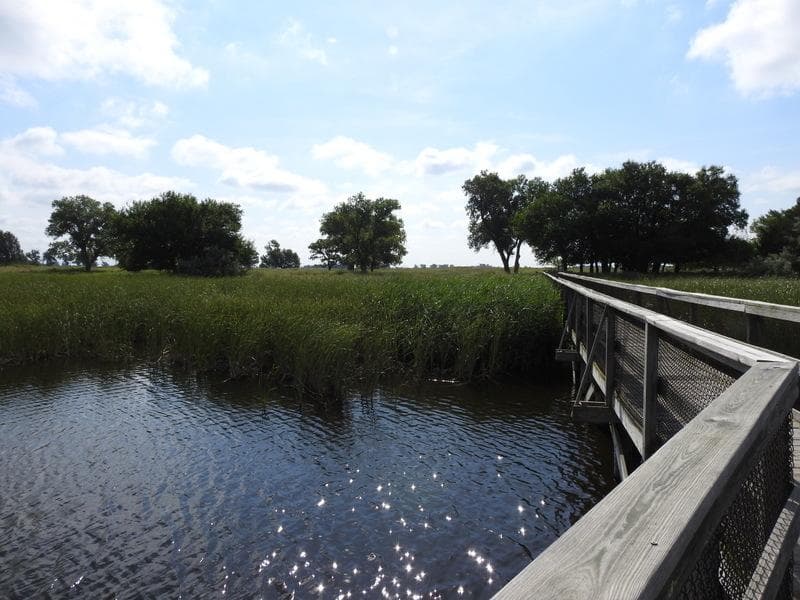
A vast refuge for migratory waterfowl, featuring an inland salt marsh and sand prairie, offering incredible birdwatching and scenic beauty.
Highlights
Must-see attractions

Social
From TikTok & Reddit
Best Time
Peak birdwatching season
Quivira National Wildlife Refuge
Best Time
Peak birdwatching season
Highlights
Must-see attractions
A vast refuge for migratory waterfowl, featuring an inland salt marsh and sand prairie, offering incredible birdwatching and scenic beauty.
"Felt like we were in the backyard of heaven with epic colors and skies packed with birds."
🎯 Check Migration Reports
Stay updated on bird migration patterns for the best viewing opportunities.
👟 Wear Comfortable Shoes
You'll be doing a lot of walking on trails and around blinds. :athletic_shoe:
Highlights
Discover the most iconic attractions and experiences
Epic Bird Migration
Throughout the refuge
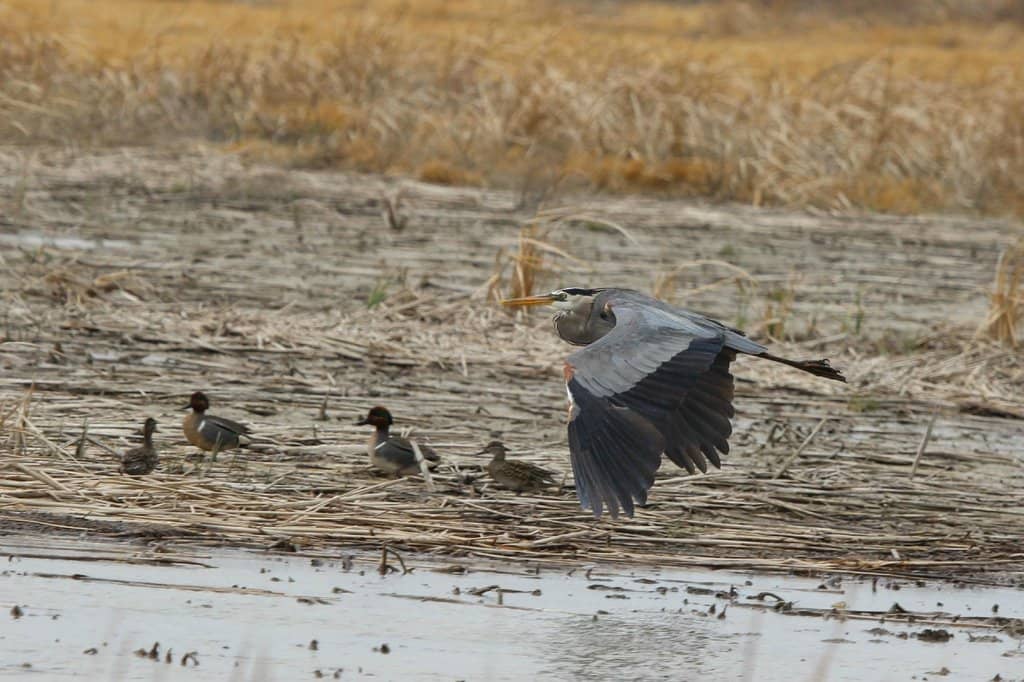
Witness tens of thousands of birds, including cranes, geese, and ducks, filling the sky during migration. A truly breathtaking spectacle.
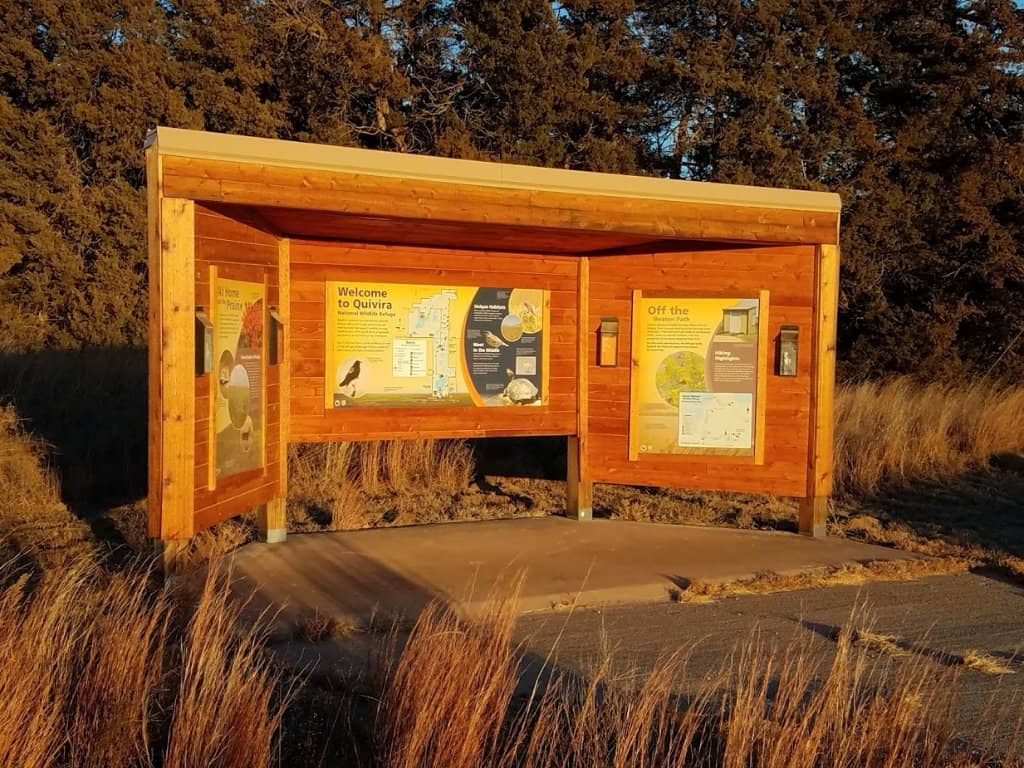
Inland Salt Marsh
Salt Marsh Area
Explore the unique salt marsh ecosystem, a vital habitat for numerous bird species and other wildlife.
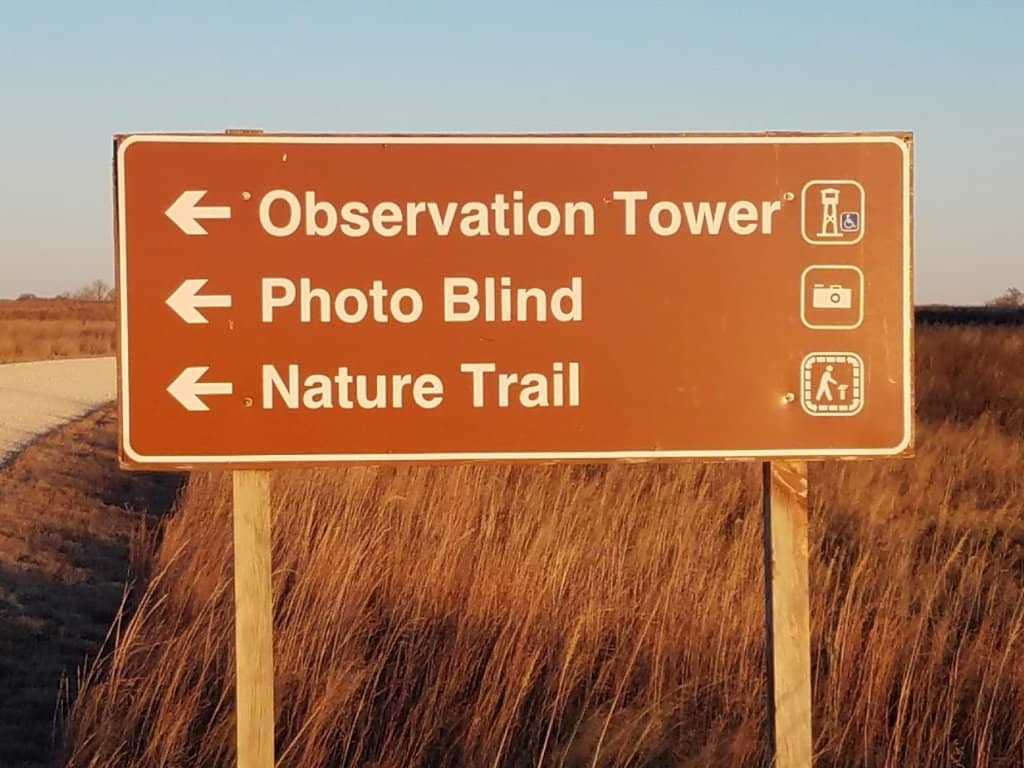
Sand Prairie Trails
Various trailheads
Hike through diverse sand prairie landscapes, offering opportunities to spot resident wildlife and enjoy scenic views.
Wetlands & Wildlife Scenic Byway
Connecting roads
A scenic drive that winds through the refuge and surrounding areas, perfect for a leisurely exploration.
Plans like a pro.
Thinks like you
Planning Your Visit
Timing is Everything for Birdwatching
Prepare for the Elements
Best Times
Insider Tips
from TikTok, Instagram & Reddit
🎯 Check Migration Reports
Stay updated on bird migration patterns for the best viewing opportunities.
👟 Wear Comfortable Shoes
You'll be doing a lot of walking on trails and around blinds. :athletic_shoe:
☀️ Pack Sun Protection
The open landscape offers little shade. Bring sunscreen, a hat, and sunglasses. :sunwithface:
🦟 Bring Insect Repellent
Especially important during warmer months. :bug:
Tips
from all over the internet
🎯 Check Migration Reports
Stay updated on bird migration patterns for the best viewing opportunities.
👟 Wear Comfortable Shoes
You'll be doing a lot of walking on trails and around blinds. :athletic_shoe:
☀️ Pack Sun Protection
The open landscape offers little shade. Bring sunscreen, a hat, and sunglasses. :sunwithface:
🦟 Bring Insect Repellent
Especially important during warmer months. :bug:
🚗 Drive Slowly & Observe
Many birds can be seen from your car along the scenic byway. :car:
📸 Camera Ready!
Capture the incredible wildlife and stunning landscapes. :camerawithflash:
What Travellers Say
Reviews Summary
Visitors rave about the breathtaking scale of bird migrations, describing the skies filled with thousands of cranes, geese, and ducks as an 'epic' and 'heavenly' experience. The refuge's vast landscapes and opportunities for wildlife viewing from cars or blinds are highly praised. However, some visitors have noted that water levels can be low during dry periods, impacting the abundance of wildlife.
"OK, we were there Nov 10. Huge place, almost no one there, colors of grasses, sky, sunrise, sunsets Epic, like a rainbow. Lakes packed with white, brown, black cranes, also smaller packs of geese, ducks. Take off from lakes they just fill the sky, float around, land again on lake, take off again in awhile. Felt like we were in the backyard of heaven."
chris hamilton
"A great place to see a wide variety of birds! They have blinds to watch and not disturb the birds and a few trails to get out and watch. I was also able to drive through and pull over to watch from my car! The ranger was very knowledgeable and extremely helpful! I was a little late for the migration to see the endangered whooping cranes- but I saw a lot of other birds! I will
definitely plan to visit during the height of migration next year to see the whooping cranes!"
Kaitlyn Norberg
"We traveled out there over the weekend and we thought maybe there would be water there. it is very dry, and it is very sad to see. in the past we saw bald eagles there, and many types of birds, snakes, and of course, the prairie dogs.
I've got some sad photos to share, as well as some photos I took in the past. The old photos are from January. The marshes dried up somewhere between January and now. We really need rain, and somehow need those fish to come back. We heard from locals how McPherson is dry too. On the bright side, we saw lots of deer, and I saw a wild boar. Also, a very large gaggle of geese, huddling around what little water was left in the little salt marsh."
Tamra
What People Like
What People Dislike
Frequently Asked Questions
🚇 🗺️ Getting There
Quivira National Wildlife Refuge is located in central Kansas. The Wetlands & Wildlife Scenic Byway connects it to nearby towns like St. John and Great Bend. 
Public transportation options are very limited in this rural area. It is highly recommended to have your own vehicle for the best experience and flexibility when visiting Quivira National Wildlife Refuge.
The closest major airports are Wichita Dwight D. Eisenhower National Airport (ICT) and Salina Regional Airport (SLN). From there, you will need to rent a car to drive to the refuge.
Yes, GPS is generally reliable for navigating to the refuge. However, cell service can be spotty within the refuge itself, so it's a good idea to download offline maps or have a physical map.
While most roads are well-maintained, some unpaved service roads may become difficult to navigate after heavy rain. Stick to the main roads and designated access points for the best experience.
🎫 🎫 Tickets & Entry
Quivira National Wildlife Refuge generally does not have an entrance fee for general access. However, specific programs or guided tours might have associated costs. It's always a good idea to check the official refuge website for any updates.
The refuge is typically open year-round during daylight hours for public access. However, visitor centers or specific facilities may have limited hours or be closed on certain holidays. Check the official refuge website for current operating hours.
No, advance ticket booking is not usually required for general entry to Quivira National Wildlife Refuge. It's a natural area meant for public enjoyment.
For general photography and birdwatching, no special permits are typically required. However, if you plan on commercial photography or drone usage, you may need to obtain specific permits.
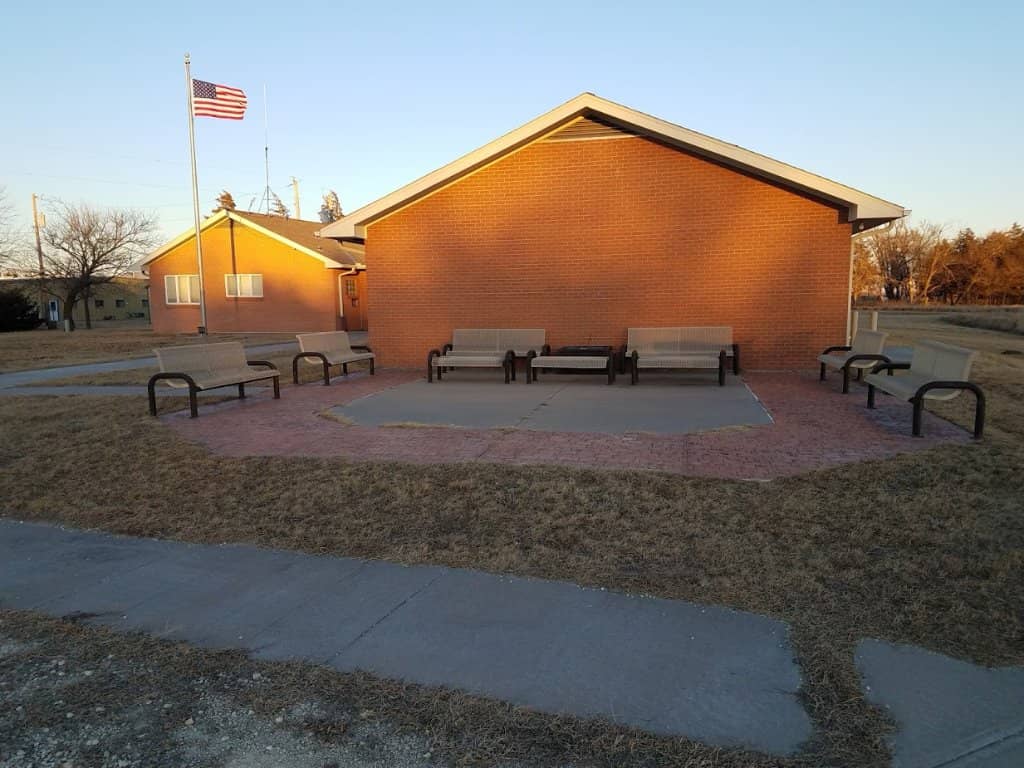
If the visitor center is closed, you can still explore the refuge's public areas. Information about trails, wildlife, and maps may be available on outdoor bulletin boards.
🎫 🧭 Onsite Experience
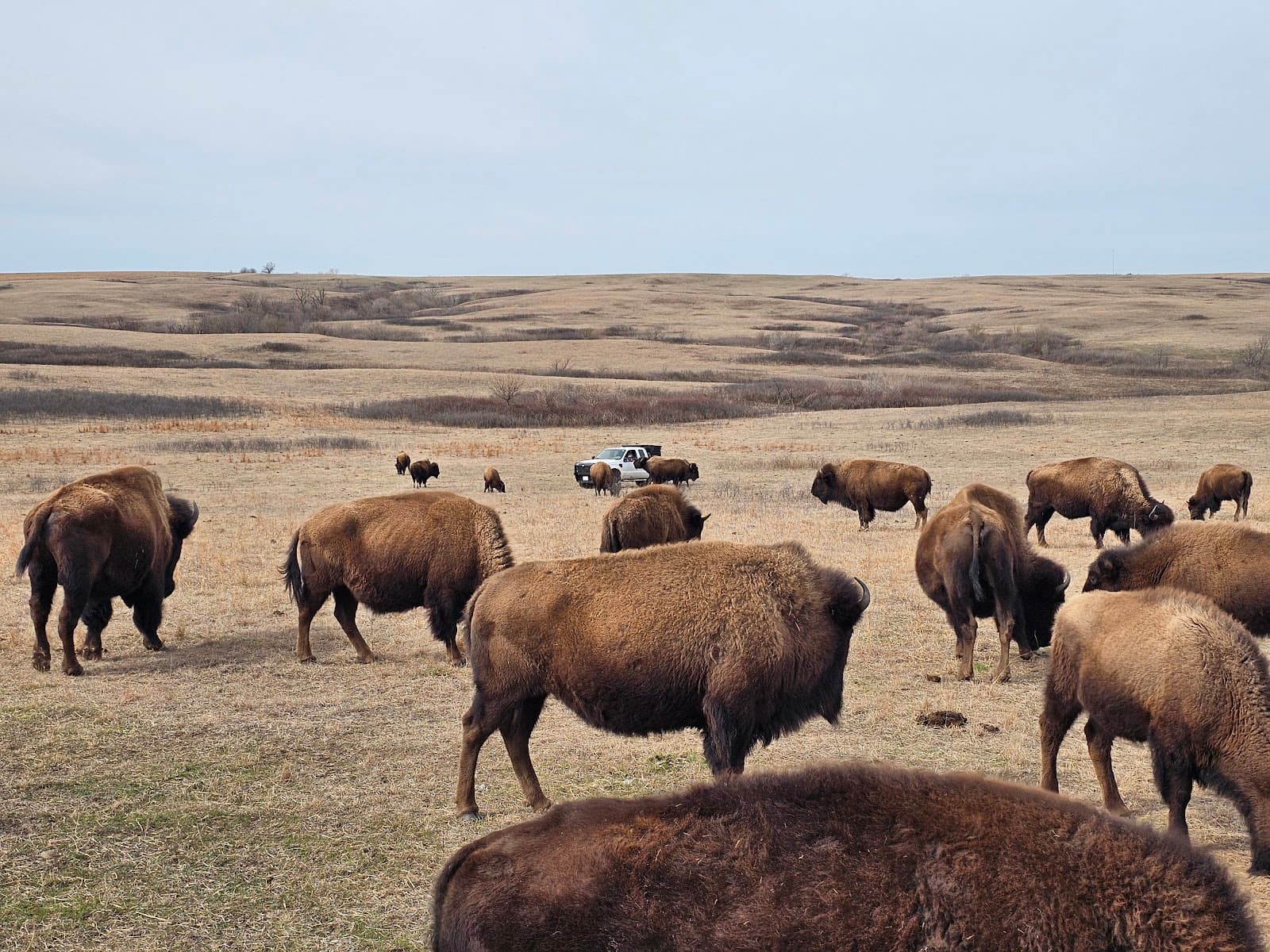
Quivira is renowned for its diverse birdlife, especially during migration seasons. You can see thousands of waterfowl, including ducks, geese, and cranes (including the endangered whooping crane). Other wildlife includes deer, coyotes, and various small mammals and reptiles.
Yes, there are several trails and observation blinds available for visitors to explore the refuge on foot. These allow for closer observation of wildlife without disturbance.
Absolutely! The Wetlands & Wildlife Scenic Byway and other designated roads allow you to drive through large portions of the refuge, with pull-offs for wildlife viewing.
Yes, the refuge provides strategically placed bird blinds that offer excellent vantage points for observing birds and other wildlife without disturbing them.
If you are lucky enough to spot an endangered species, observe from a distance and do not approach or disturb the animal. Report your sighting to the refuge staff if possible.
🍽️ 🍽️ Food & Dining
There are no food services or restaurants located directly within Quivira National Wildlife Refuge. Visitors should plan to bring their own food and drinks.
The nearest towns with dining options include St. John, Great Bend, and Hutchinson. These towns offer a variety of local eateries and fast-food restaurants.
Picnicking is permitted in designated areas. It's a great way to enjoy the natural surroundings while having a meal. Remember to pack out all trash. :picnic_table:
Potable water availability can be limited, especially outside of the visitor center. It's highly recommended to bring plenty of water with you for your visit. :droplet:
You'll find grocery stores in the larger nearby towns like Great Bend and Hutchinson, where you can stock up on supplies before heading to the refuge.
📸 📸 Photography
Anywhere with open views of the wetlands and prairies offers great photo opportunities, especially during sunrise and sunset for dramatic lighting.
A telephoto lens is highly recommended for capturing wildlife, especially birds. A wide-angle lens is great for landscape shots of the vast prairies and wetlands.
Drone usage is typically restricted in National Wildlife Refuges to protect wildlife and ensure visitor safety. Always check the official refuge regulations before flying a drone.
Sunrise and sunset offer the best light for photography, creating beautiful colors and long shadows.
Yes, you can photograph endangered species, but always maintain a respectful distance and avoid any actions that could disturb them.
For Different Travelers
Tailored advice for your travel style
👨👩👧 Families with Kids
Pull over at designated spots to observe birds and other wildlife without extensive walking. Pack a picnic to enjoy amidst the natural beauty, making it a memorable family outing. Encourage kids to bring binoculars and a nature journal to document their discoveries. The sheer scale of bird migrations can be awe-inspiring for all ages. While there are trails, stick to shorter, accessible paths or focus on car-based viewing to keep the experience enjoyable for the whole family. Remember to bring plenty of snacks and water, as amenities are limited within the refuge.
📸 Photographers & Birdwatchers
+1Utilize the observation blinds for stealthy wildlife viewing and photography. Researching peak migration times and consulting local birding reports will significantly enhance your experience.
🚗 Road Trippers
The drive-through access allows you to experience the refuge's beauty without a significant time commitment. It's a great place to stretch your legs, enjoy the open skies, and spot some unique Kansas wildlife. Combine your visit with nearby attractions like Cheyenne Bottoms or the towns of Great Bend and Hutchinson for a well-rounded day trip. Pack snacks and drinks, as services are minimal within the refuge itself. The stunning sunrises and sunsets here are legendary and can make for a memorable end or start to your travel day.
+1Deep Dives
In-depth insights and expert knowledge
The Magic of Migration
Beyond the waterfowl, Quivira is also a vital habitat for shorebirds, wading birds, and raptors. The refuge is particularly known for its role in the conservation of the endangered whooping crane, one of North America's rarest birds. While sightings are rare and require luck and timing, the possibility of spotting these magnificent birds adds an extra layer of excitement for visitors.
To maximize your chances of seeing a wide variety of species, it's advisable to consult local birding reports or the refuge's official website for information on current sightings and peak migration periods. Early mornings and late afternoons often provide the best viewing conditions, as birds are typically more active during these cooler parts of the day.
+1Navigating the Refuge and Its Ecosystems
For those who prefer to explore on foot, several trails and observation blinds are available, allowing for more intimate wildlife encounters. The inland salt marsh is a defining feature of Quivira, creating a unique saline environment that supports specialized plant and animal life. This ecosystem is crucial for many bird species that rely on its resources. In contrast, the sand prairie areas offer a different habitat, characterized by sandy soils and drought-resistant vegetation, supporting different sets of wildlife, including ground-nesting birds and small mammals.
Visitors should be prepared for the elements, as the open landscape offers little shade. Sun protection, insect repellent, and appropriate footwear are essential.




Social
from TikTok, Instagram & Reddit