
Catharine Furnace
Explore the stone remnants of Catharine Furnace, a 19th-century iron producer with a Civil War past.
Highlights
Must-see attractions

Social
From TikTok & Reddit
Best Time
Pleasant weather for walks
Catharine Furnace
Best Time
Pleasant weather for walks
Highlights
Must-see attractions
Explore the stone remnants of Catharine Furnace, a 19th-century iron producer with a Civil War past.
"Worth the walk around and read the plaques."

🚶♀️ Walk the Grounds
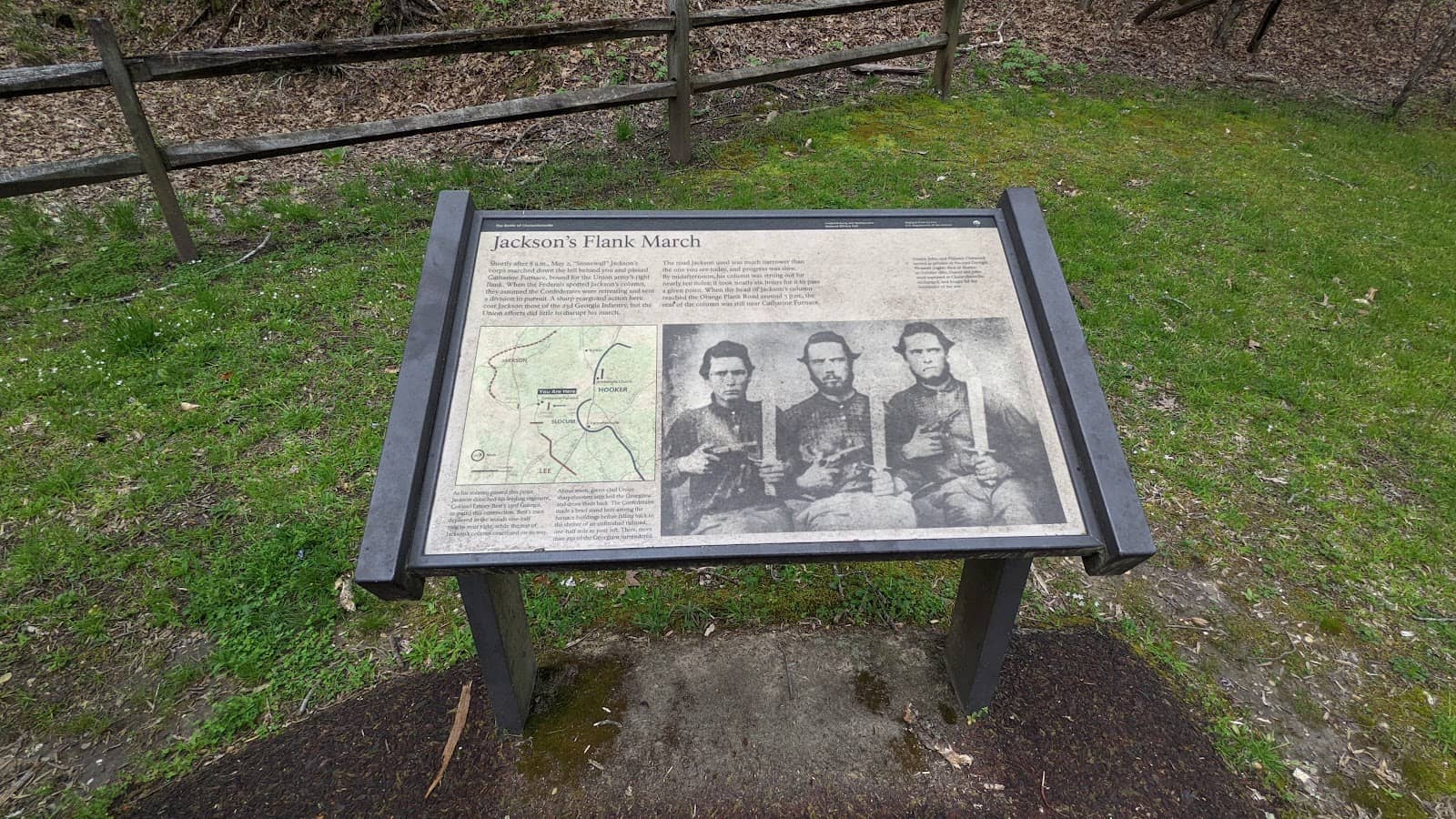
Explore the area around the furnace; historical plaques offer great context.
🚗 Be Prepared for Gravel
The access road is gravel, so drive cautiously.
Highlights
Discover the most iconic attractions and experiences
Catharine Furnace Stone Stack
The main structure
The sole remaining stone stack of the historic furnace, a testament to 19th-century iron production.
Historical Marker & Information
Near the furnace
Detailed plaques explain the furnace's construction, operation, and wartime significance.

Scenic Walking & Running Trails
Surrounding area
Enjoy the natural beauty with trails perfect for a long run or a peaceful walk.
Plans like a pro.
Thinks like you
Planning Your Visit
Respect the Ruins
Gravel Road Access
Best Times
Insider Tips
from TikTok, Instagram & Reddit
🚶♀️ Walk the Grounds
Explore the area around the furnace; historical plaques offer great context. +1
🚗 Be Prepared for Gravel
The access road is gravel, so drive cautiously.
📚 Read the Plaques
Learn about its history, including its role in the Civil War.
👟 Wear Comfortable Shoes
Ideal for walking and exploring the surrounding trails.
Tips
from all over the internet
🚶♀️ Walk the Grounds
Explore the area around the furnace; historical plaques offer great context. +1
🚗 Be Prepared for Gravel
The access road is gravel, so drive cautiously.
📚 Read the Plaques
Learn about its history, including its role in the Civil War.
👟 Wear Comfortable Shoes
Ideal for walking and exploring the surrounding trails.
What Travellers Say
Reviews Summary
Visitors appreciate Catharine Furnace for its historical significance and the informative plaques detailing its past, especially its Civil War role. The surrounding area is also noted as a pleasant spot for walks and runs. However, some find the gravel access road to be a drawback, and wish there were more remnants to visualize the original structure.
"Old furnace left from a world so much different than today. History around is great. Wish there was more left to get a better picture of what it looked like. Worth the walk around and read the plaques."
David Sabol
"Catharine won't let you use her furnace. Shes stingy"
P K
"This was one of the better parts. I get keeping the road narrow for realism, but gravel? Other people left the tour rather than drive on down the gravel road.
On a personal note General Custer tore down this furnace to deny iron to the Confederacy. He is my Cousin, so it was neat to walk where he had walked. There are 15 NPS where Custer was involved."
Randi Custer
What People Like
What People Dislike
Frequently Asked Questions
🚇 🗺️ Getting There
Catharine Furnace is accessible via a gravel road. Be prepared for a potentially bumpy ride, as some visitors have noted the road's condition.
While the site itself is well-maintained, the gravel access road can be a point of discussion among visitors.
Many visitors recommend a cautious approach due to the gravel road. Enjoy the scenic drive as part of your experience.
🎫 🎫 Tickets & Entry
There are no admission fees or tickets required to visit Catharine Furnace. It's an open historical site.
Catharine Furnace is generally accessible during daylight hours as it is an outdoor historical site.
No, there is no entrance fee. Visitors can explore the historical remains and surrounding area freely.
No, the furnace remains are fenced off, and visitors are asked not to climb on them to ensure preservation. +1
🎫 🧭 Onsite Experience
The main attraction is the well-preserved stone stack of the furnace, along with historical markers detailing its past.
Yes, it's a great stop for a walk around and to read the informative plaques, making it suitable for a brief visit.
Information suggests it's a historical site with minimal facilities, focusing on the ruins and informational signage.
It was built in 1837, used to supply iron for the Confederacy during the Civil War, and was destroyed and rebuilt multiple times.
Yes, it's a great spot for historical photography, capturing the stone ruins and the surrounding natural landscape.
🎫 🌳 Nature & Activities
Yes, the area around Catharine Furnace is noted as being great for long runs or walks, offering a chance to enjoy nature.
Absolutely! It's described as a great place for a long run or a walk, combining history with outdoor recreation.
For Different Travelers
Tailored advice for your travel style
👨👩👧 Families with Kids
Keep in mind the access road is gravel, so ensure your vehicle is suitable. The surrounding area is also noted for its walking and running trails, making it a good spot for a family outing that combines a bit of history with some light outdoor activity. Remember to supervise children closely around the fenced-off ruins.
🚶♀️ History Buffs & Enthusiasts
Pay close attention to the information about its construction, its role in supplying the Confederacy, and its destruction by Union forces. The site provides a tangible connection to the past, allowing you to walk where historical events unfolded.
🏃♀️ Outdoor & Fitness Enthusiasts
Combine your visit with a scenic jog or a leisurely stroll through the surrounding trails. It's an excellent opportunity to experience a blend of historical exploration and physical activity in a picturesque setting.
Deep Dives
In-depth insights and expert knowledge
The Wartime Role of Catharine Furnace
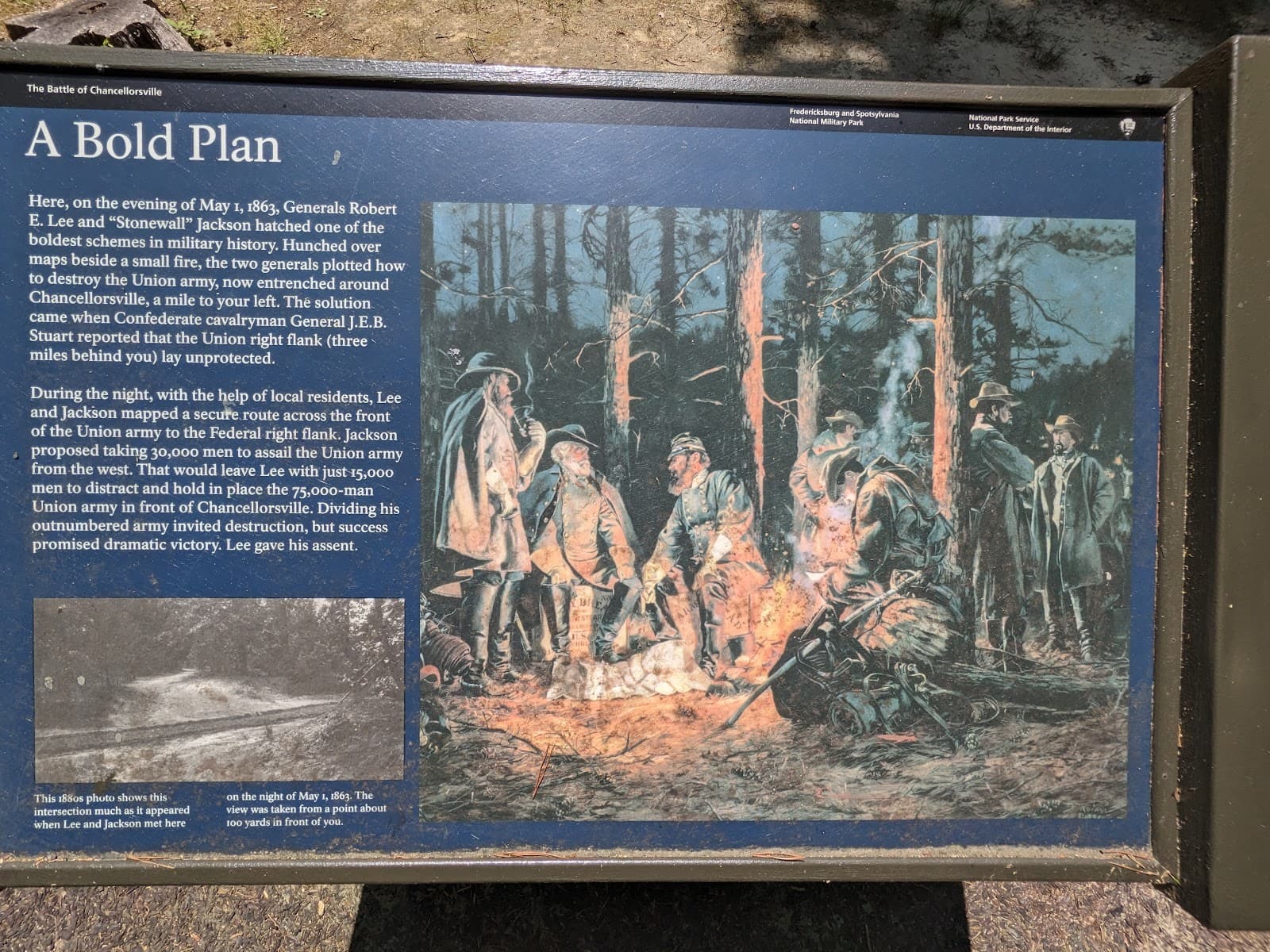
In 1864, Union cavalrymen under General George A. Custer reportedly destroyed the furnace. However, it was subsequently rebuilt and continued to produce iron for the Confederacy until the war's end in 1865. This cycle of destruction and reconstruction highlights the critical nature of iron production for the war effort and Catharine Furnace's position within it. It was the last major iron operation in the region to cease production.
Understanding this wartime context adds a layer of historical depth to the visit. The remnants you see today are not just industrial ruins but silent witnesses to a period of intense conflict and strategic resource management.
Life as a Furnace Worker
Beyond the immediate furnace operations, workers also played a role in land management. When not occupied with iron-making, they cultivated cleared land, suggesting a self-sufficient community model. The finished iron, cast into 'pigs,' was then transported to a forge for further crafting into essential items like pots, kettles, and tools.
This glimpse into the lives of the laborers provides a human element to the historical site. It reminds visitors that behind the industrial structure were individuals and families whose livelihoods were tied to the furnace's output.
The Science of 19th-Century Iron Making
Iron ore was introduced into the furnace stack, where it met limestone. The limestone acted as a flux, drawing impurities from the molten iron. This process created a molten mixture of iron and slag (impurities). Workers would then carefully skim off the slag and channel the purified molten iron into sand molds.
The resulting solid iron bars, known as 'pigs,' were the raw material for further manufacturing. This intricate process, relying on precise temperatures and chemical reactions, was crucial for supplying the era's demand for metal goods.


Social
from TikTok, Instagram & Reddit