Selma to Montgomery National Historic Trail
Walk in the footsteps of Civil Rights heroes on this 54-mile trail, a journey of courage and the fight for voting rights.
Highlights
Must-see attractions

Social
From TikTok & Reddit
Best Time
Pleasant weather for walking
Selma to Montgomery National Historic Trail
Best Time
Pleasant weather for walking
Highlights
Must-see attractions
Walk in the footsteps of Civil Rights heroes on this 54-mile trail, a journey of courage and the fight for voting rights.
"A powerful and unforgettable trip to Montgomery and Selma, one of the most moving experiences."
Start in Selma
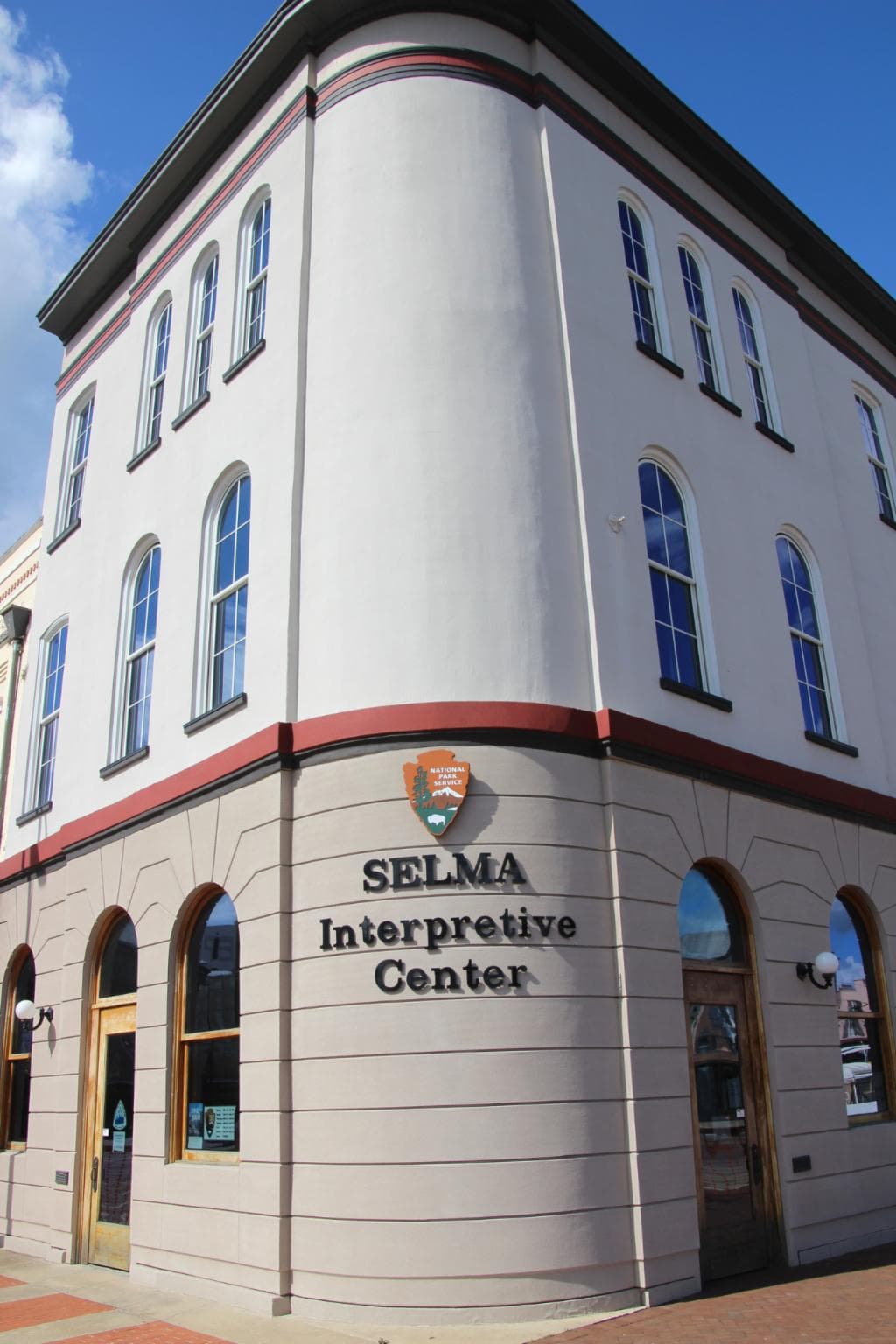
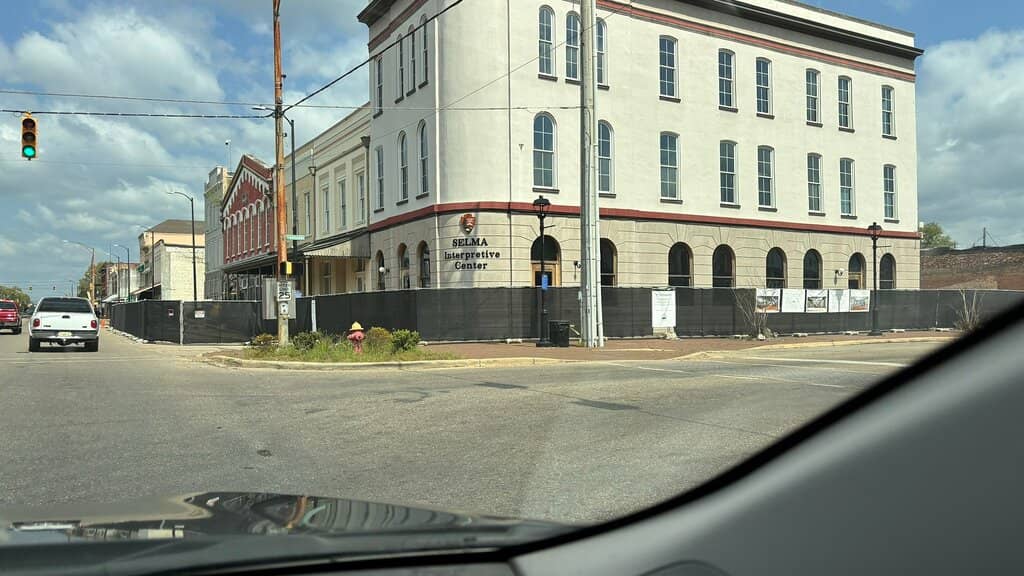
Begin your exploration at the Selma Interpretive Center for crucial historical context .
Wear Comfortable Shoes
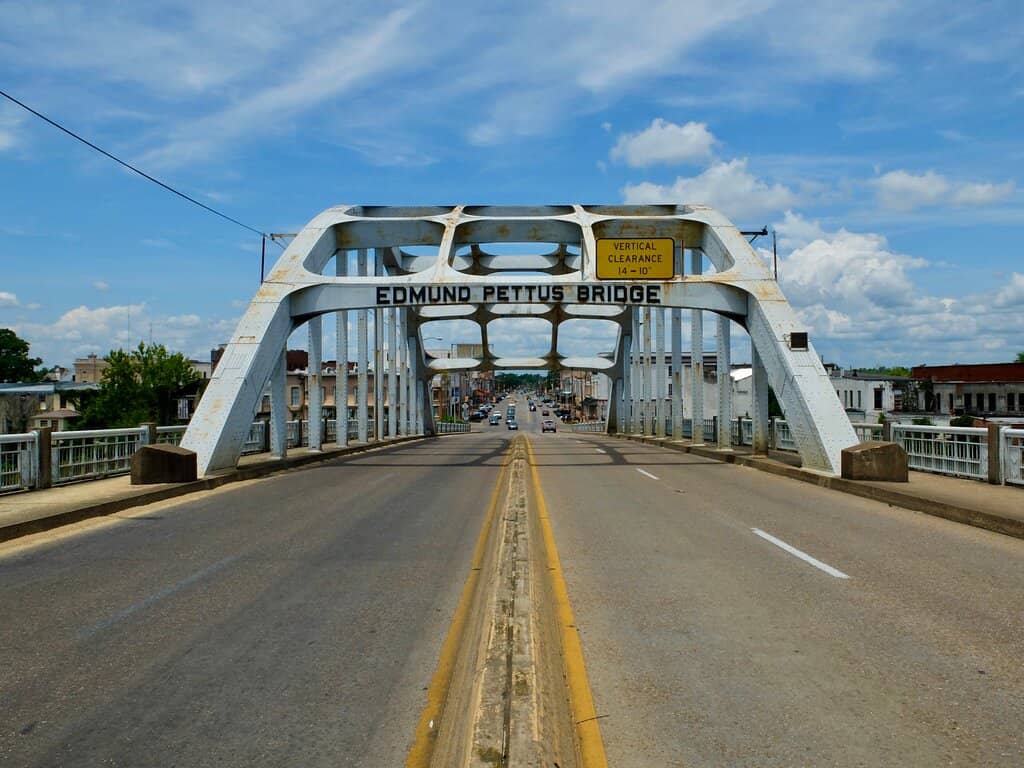
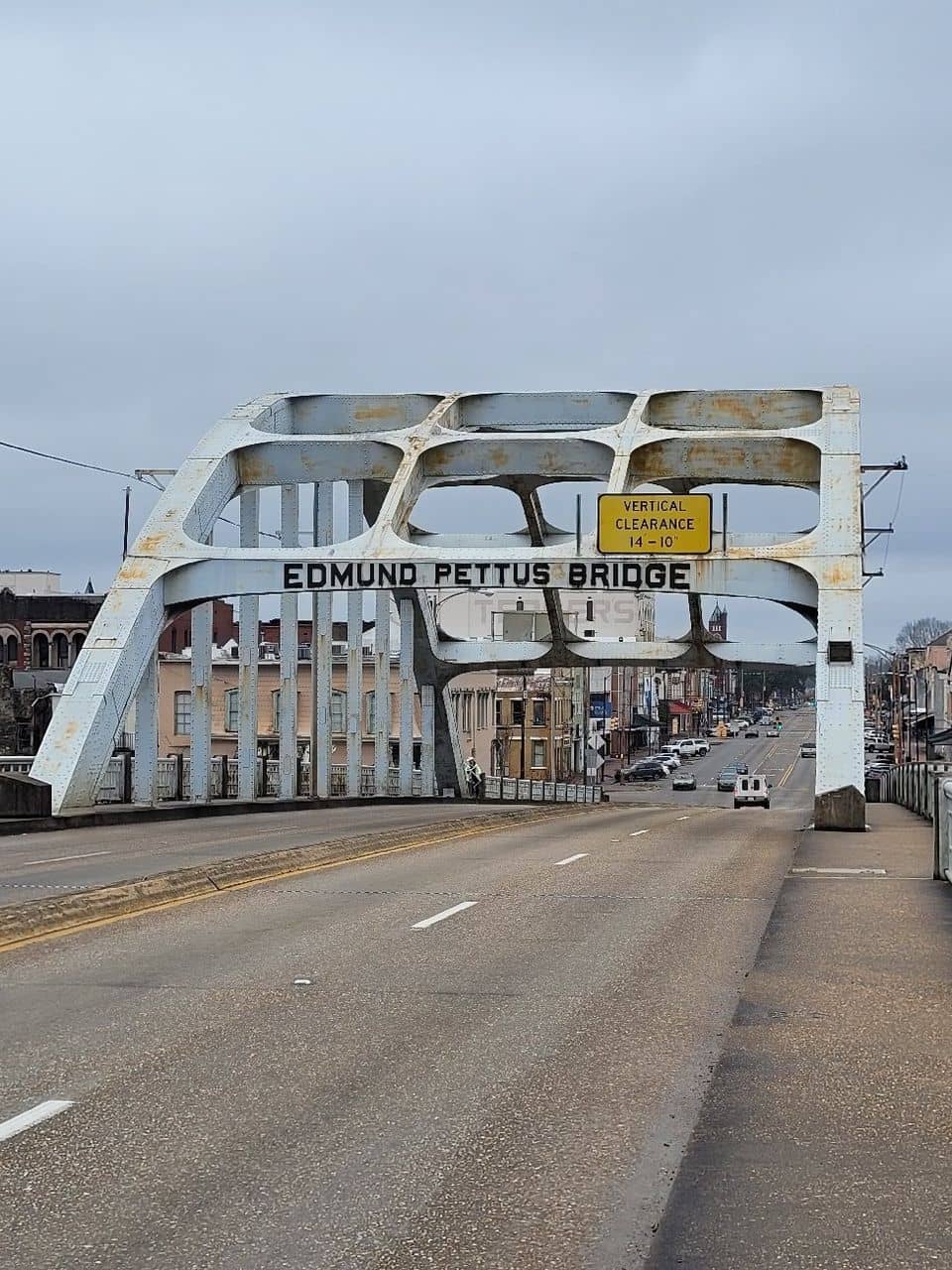
You'll be doing a lot of walking, especially across the Edmund Pettus Bridge .
Quick Facts
Highlights
Discover the most iconic attractions and experiences
Edmund Pettus Bridge
Selma, AL
Walk across the iconic bridge where civil rights marchers faced brutal opposition. Feel the history beneath your feet.

Selma Interpretive Center
Selma, AL
A small but powerful museum detailing the 1965 march and its impact. Start your journey here for context.
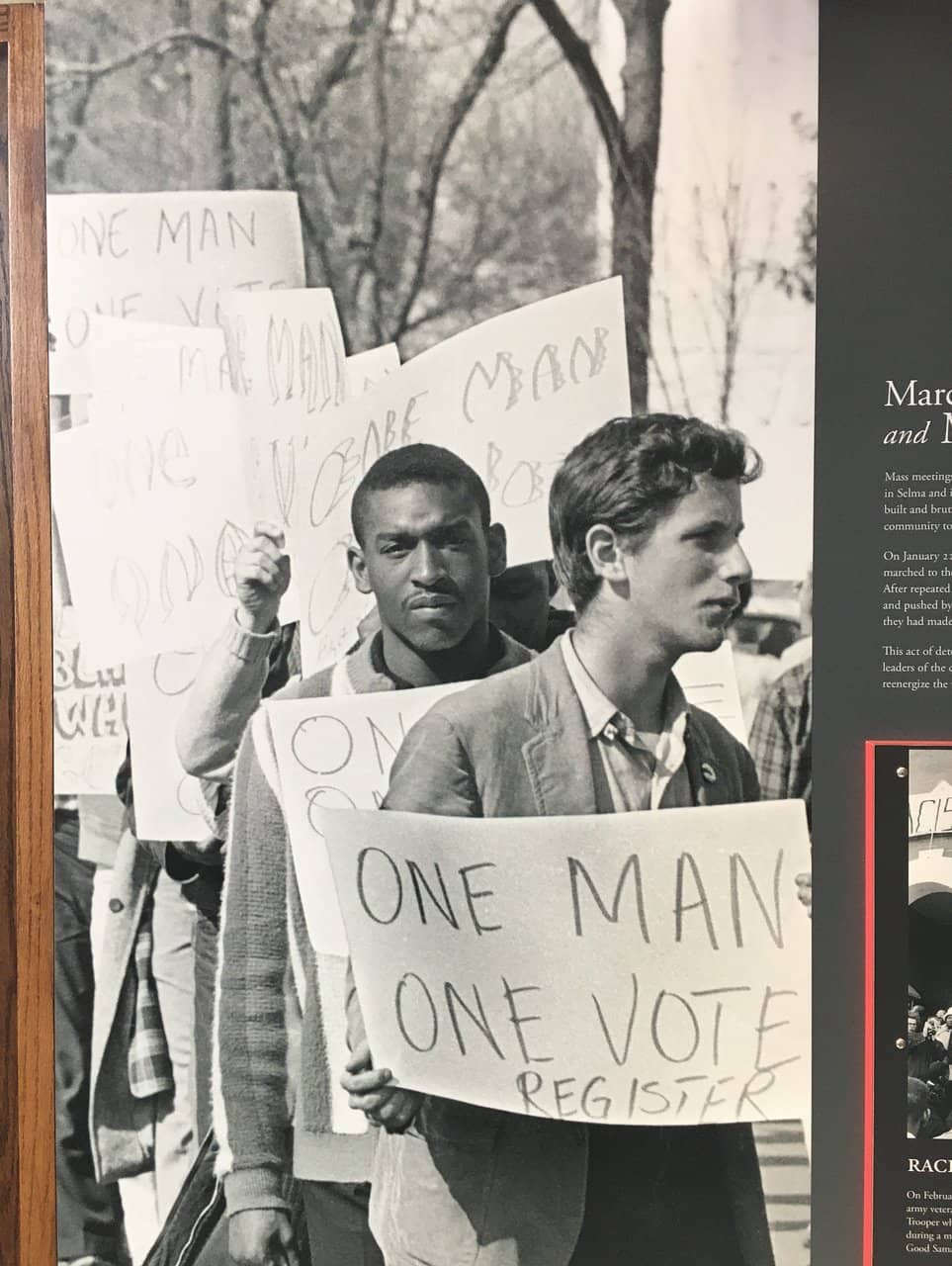
Lowndes Interpretive Center
Hayneville, AL
Learn about the challenges faced in 'Bloody Lowndes' County during the march. Informative displays and a park store.
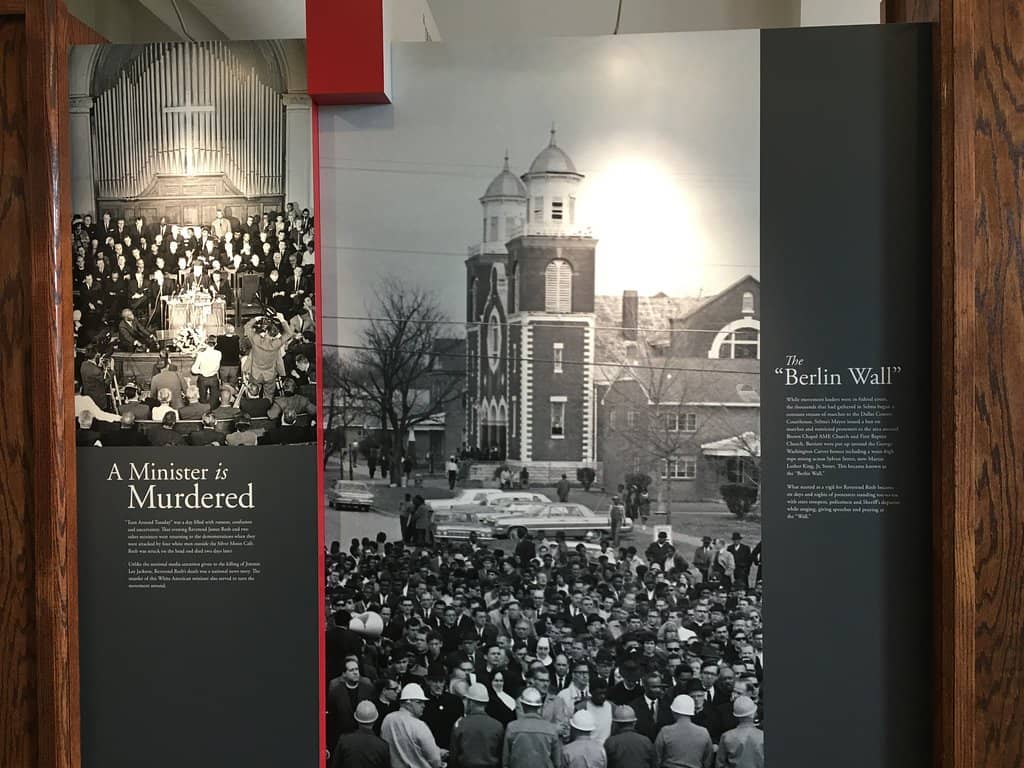
The Legacy Museum
Montgomery, AL
A deeply moving museum exploring slavery, segregation, and mass incarceration. Prepare for an emotional experience.
Plans like a pro.
Thinks like you
Planning Your Visit
Timing Your Visit
Understanding the Trail
Best Times
Insider Tips
from TikTok, Instagram & Reddit
Start in Selma
Begin your exploration at the Selma Interpretive Center for crucial historical context.
Wear Comfortable Shoes
You'll be doing a lot of walking, especially across the Edmund Pettus Bridge.
Prepare for Emotion
The Legacy Museum and the trail's history are powerful and can be emotionally taxing.
Check Hours
Some sites may be closed or under renovation, so verify hours before visiting.
Tips
from all over the internet
Start in Selma
Begin your exploration at the Selma Interpretive Center for crucial historical context.
Wear Comfortable Shoes
You'll be doing a lot of walking, especially across the Edmund Pettus Bridge.
Prepare for Emotion
The Legacy Museum and the trail's history are powerful and can be emotionally taxing.
Check Hours
Some sites may be closed or under renovation, so verify hours before visiting.
Consider a Guided Tour
Local guides can offer deeper insights into the history and significance of the trail.
What Travellers Say
Reviews Summary
Visitors find the Selma to Montgomery National Historic Trail to be a deeply moving and historically significant experience, particularly the Edmund Pettus Bridge and interpretive centers. While the trail's historical context is highly praised, some reviewers note that the surrounding towns, like Selma, appear run-down and could benefit from revitalization. There are also mentions of sites being closed or under renovation, impacting accessibility.
"Free interpretive center for the Selma Civil rights movement. Pretty small, but informative and a good place to start. The Edmund Pettus bridge is a short walk away. The ranger was very informative and willing to help and answer all questions. The city of Selma is a run down dump of a town though. The entire town looks like it hasn't been painted in a hundred years."
Dennis Bagwell
"A pleasant surprise. Entry was free and the museum was small but comprehensive. It was a good summary of the 1965 March to Montgomery and it was supported by videos shown in the museum. This was a truly eye opening experience.
This is a must when in Selma"
Levon Alyanakian (Levon's Travel's)
"Small but great interpretive center just across the bridge in Selma. Parking out front is free. Potent display capturing the pain and injustice of the white leadership of Selma and beyond. Beautiful quote from president Obama’s visit to Selma for the 50th anniversary. Small park store offering a lot of the same products as the Lowndes store. A don’t miss when in Selma."
Jesse James
What People Like
What People Dislike
Frequently Asked Questions
🚇 🗺️ Getting There
The Selma to Montgomery National Historic Trail spans 54 miles. Driving is the most common way to traverse the route, allowing you to stop at various historical markers and interpretive centers. Many visitors drive their own vehicles or rent cars. Public transportation options are limited along the trail itself. Consider mapping out your stops in advance to optimize your driving route.
Yes, it's possible to walk or bike the entire 54-mile trail, mirroring the original marchers. Some participants have completed this journey, taking several days.+1 Be prepared for varying road conditions and ensure you have adequate supplies and safety measures if undertaking this challenge.
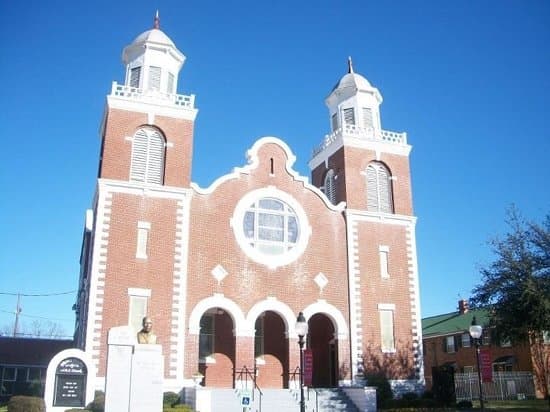
The trail officially begins at Brown Chapel A.M.E. Church in Selma, where the marchers started. Key visitor access points include the Selma Interpretive Center, the Lowndes Interpretive Center, and the State Capitol in Montgomery.
Accommodation options are more readily available in Selma and Montgomery. Along the route, particularly in Lowndes County, options may be more limited. Booking in advance is recommended, especially if traveling during peak seasons.
While you can drive the entire 54-mile route in a single day, it's highly recommended to dedicate at least a full day, if not two, to truly experience the historical sites and museums along the way.
🎫 🎫 Tickets & Entry
Most of the trail itself is free to access. The interpretive centers, including the Selma Interpretive Center and Lowndes Interpretive Center, are also generally free to enter. However, The Legacy Museum in Montgomery has an admission fee.
Operating hours can vary, and some centers may be closed on certain days or during specific seasons. It's crucial to check the official National Park Service website or call ahead for the most up-to-date information, as some reviews mention potential closures or renovations.
For the free interpretive centers, advance booking is typically not required. However, for The Legacy Museum in Montgomery, it's advisable to check their website for ticketing information and consider booking in advance, especially during busy periods.
The National Park Service may offer ranger-led programs or special events, particularly around significant anniversaries of the march. Keep an eye on their official announcements for any scheduled activities.
Yes, parking is generally available at the main historical sites, including the Edmund Pettus Bridge and the interpretive centers. Parking at the Selma Interpretive Center is often free.
🎫 🧭 Onsite Experience
The most impactful way is to visit the key historical sites in order, starting with the Edmund Pettus Bridge and Selma Interpretive Center, then driving the route to Lowndes County and finally Montgomery. Engaging with the exhibits and reflecting on the history is key.
You can walk across the bridge and imagine the courage of the marchers. There are often historical markers providing context. It's a powerful place for reflection.
The Selma and Lowndes Interpretive Centers are relatively small and can be visited in about 1-2 hours each. The Legacy Museum in Montgomery requires a more significant time commitment, potentially 2-3 hours or more, due to its depth.
While the National Park Service offers some programs, independent guided tours may also be available from local operators. These can provide in-depth historical narratives and personal stories.
'Bloody Lowndes' refers to Lowndes County, which was a particularly dangerous area for civil rights activists due to intense resistance and violence. The Lowndes Interpretive Center details these struggles.
📸 📸 Photography
Iconic spots include the Edmund Pettus Bridge, the historic Brown Chapel A.M.E. Church, and the interpretive centers. Capturing the vastness of U.S. Highway 80 can also be powerful.
Generally, photography is allowed at outdoor sites and within the public areas of museums. However, always be respectful of exhibits and any posted signage regarding photography, especially inside museums where flash may be prohibited.
Photos that convey a sense of place, historical context, and the emotional weight of the Civil Rights Movement tend to be most impactful. Consider wide shots of the landscape and close-ups of historical markers.
Drone usage is typically restricted in National Park Service areas and historic sites. Always check the specific regulations for the Selma to Montgomery National Historic Trail and any associated parks before flying a drone.
Early morning or late afternoon light can create dramatic and evocative photographs, especially on the Edmund Pettus Bridge. Midday sun can be harsh, but still usable for capturing details.
You may also like

Lowndes Interpretive Center Selma to Montgomery National Historic Trail
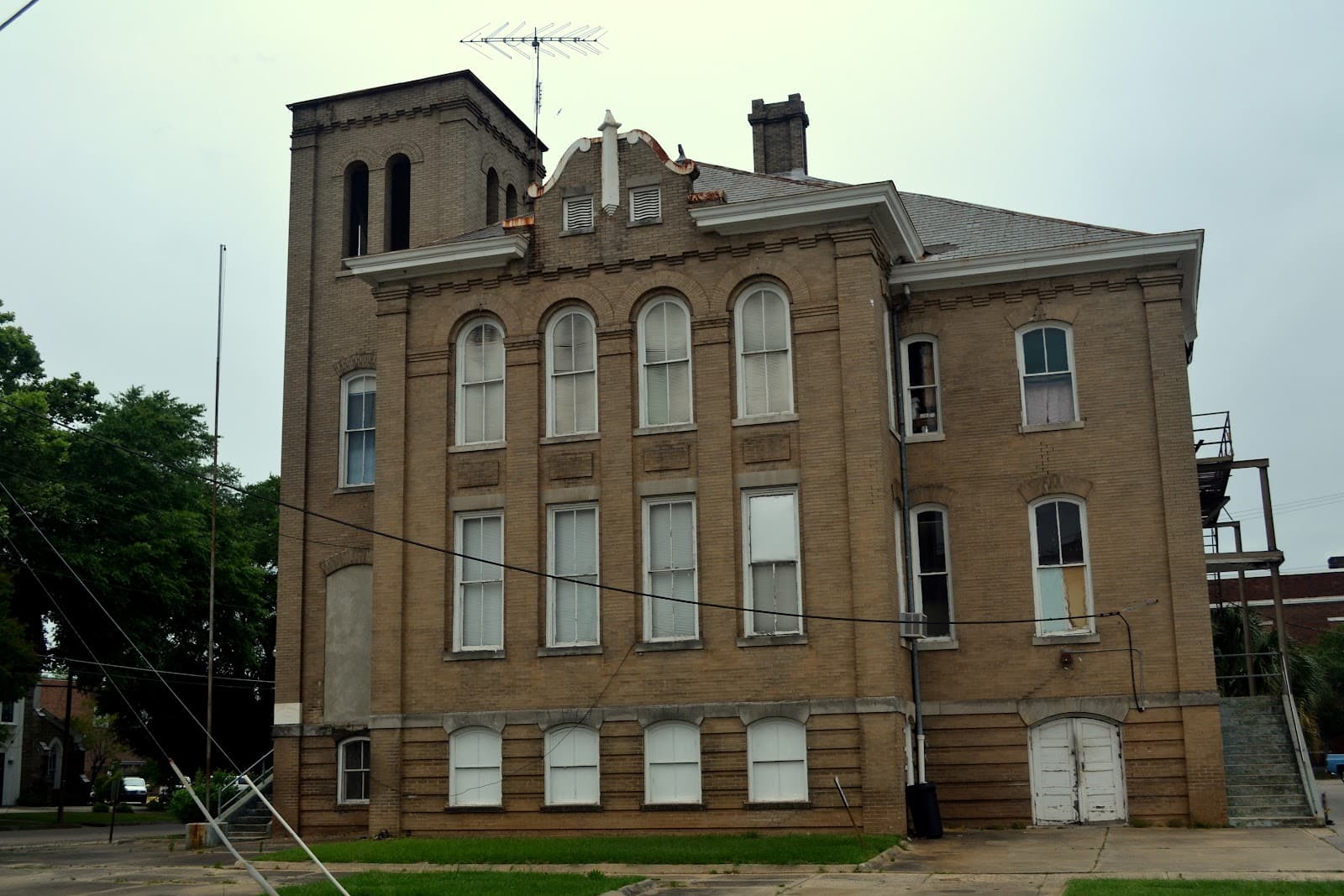
Church Street Historic District
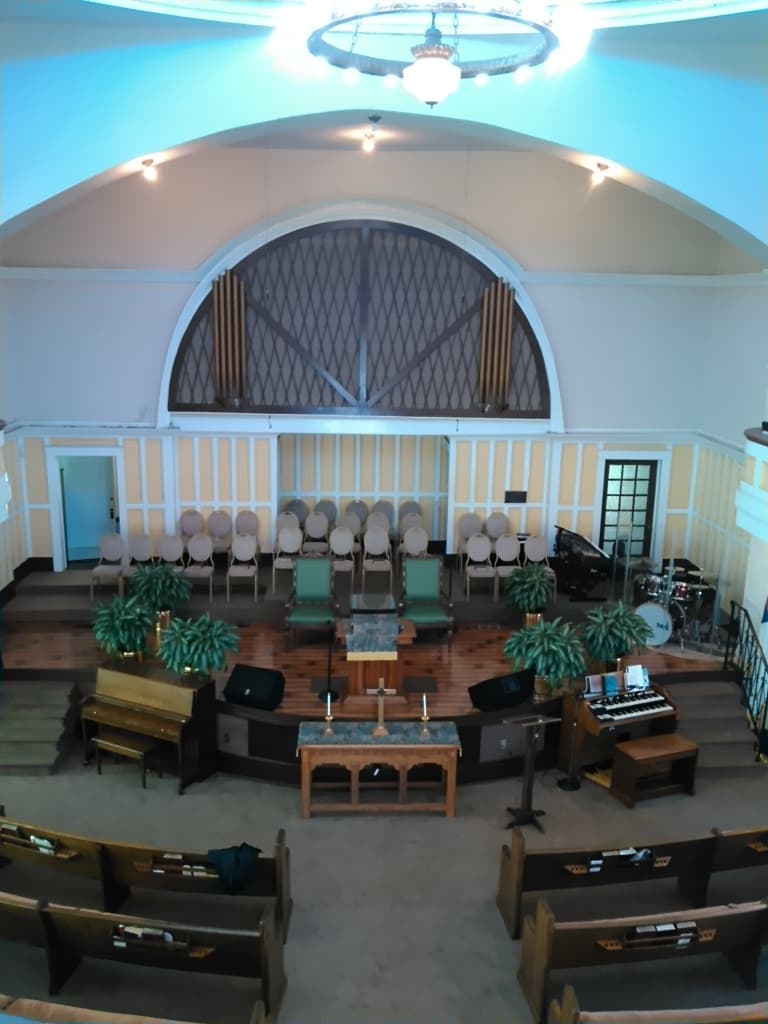
Tabernacle Baptist Church
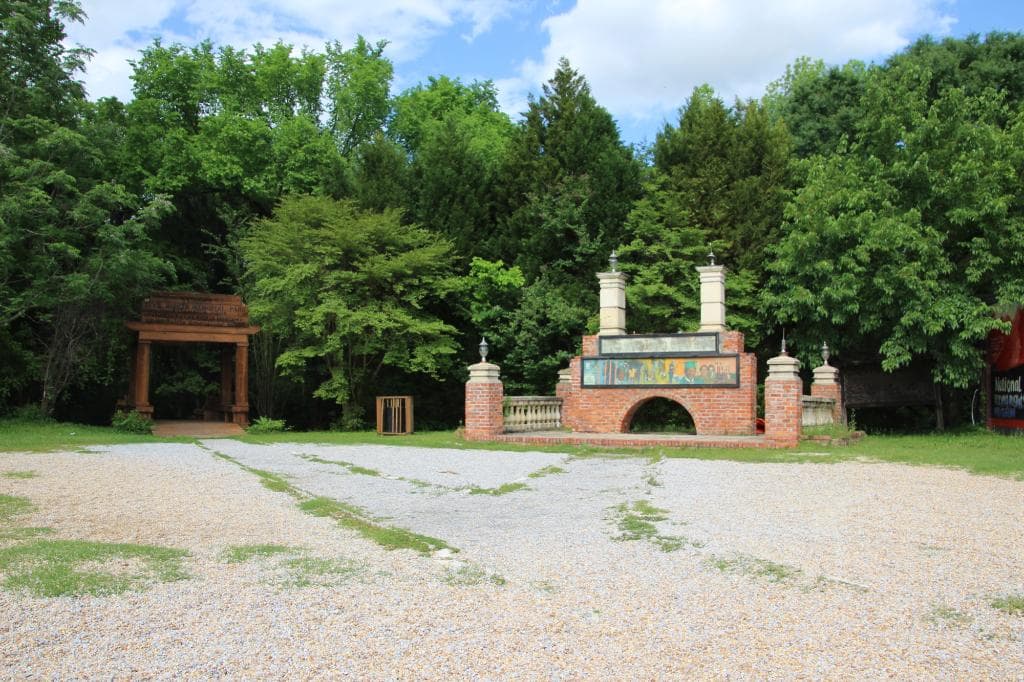
National Voting Rights Museum & Institute
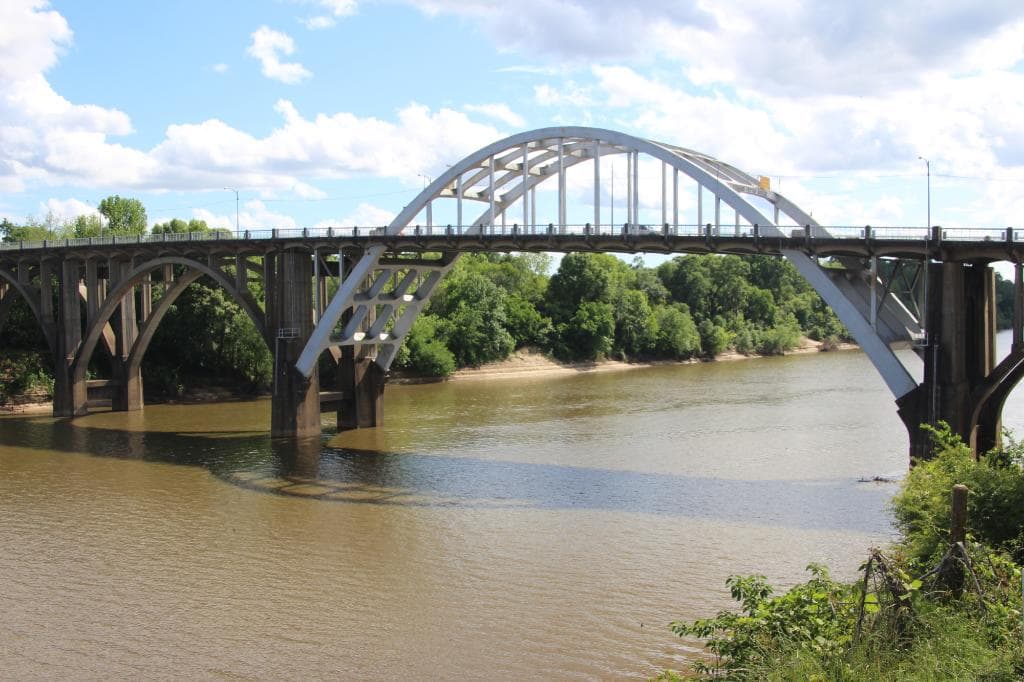
Edmund Pettus Bridge
ArtsRevive Carneal Building
Lowndes Interpretive Center Selma to Montgomery National Historic Trail
Church Street Historic District
Tabernacle Baptist Church
National Voting Rights Museum & Institute
Edmund Pettus Bridge
ArtsRevive Carneal Building
Selma Interpretive Center Selma Alabama
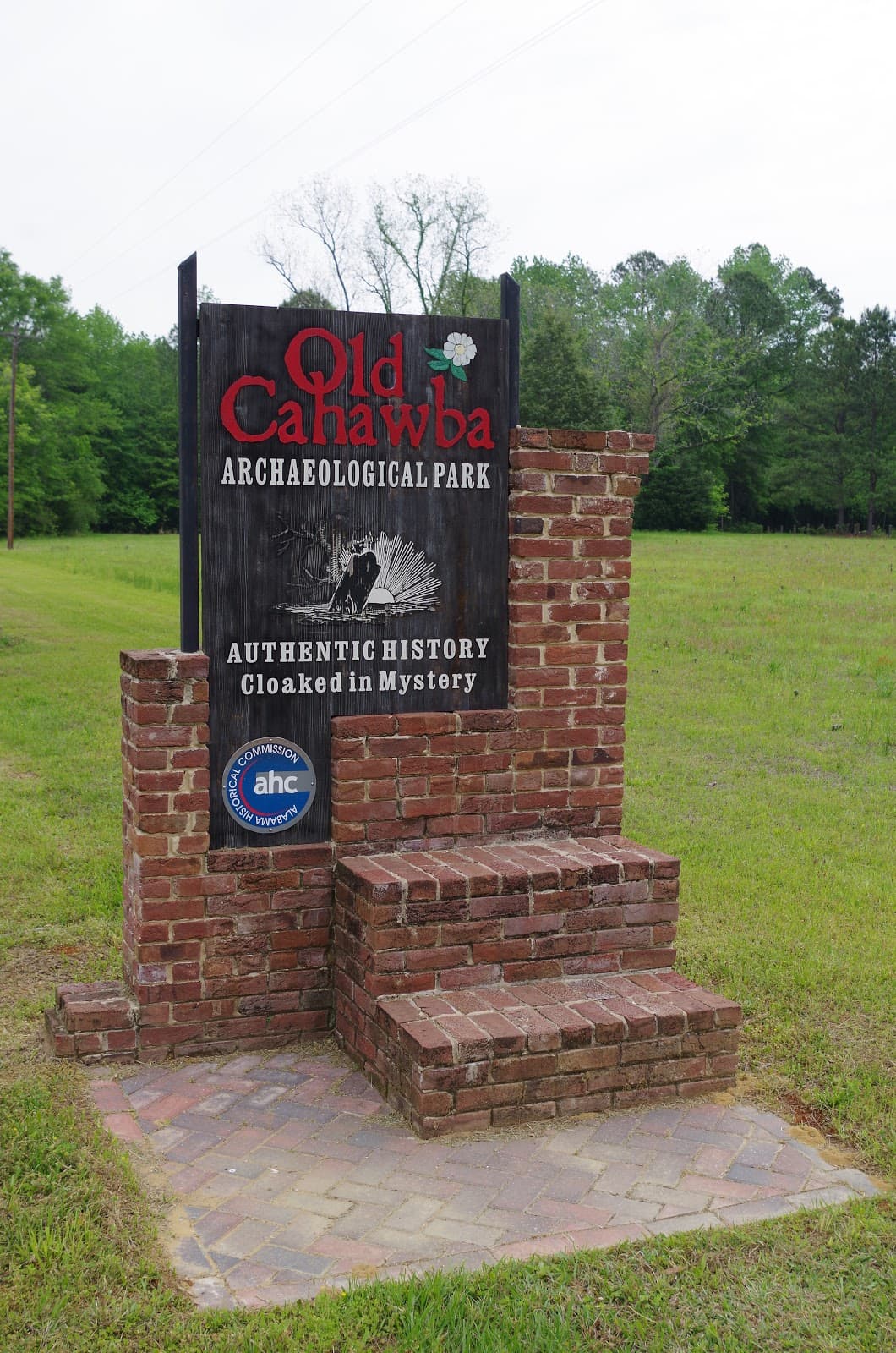
Old Cahawba Archaeological Park
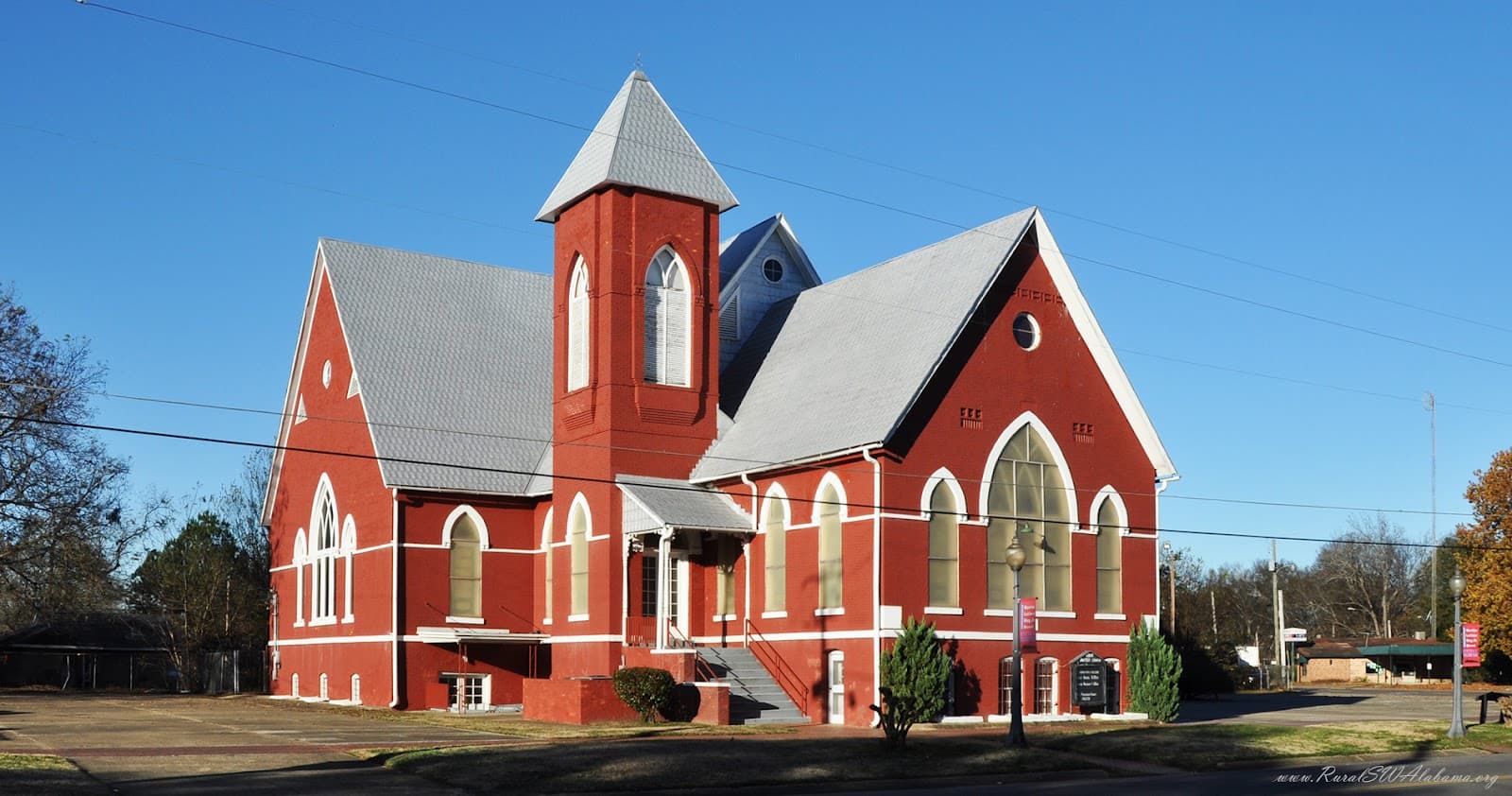
First Baptist Church MLK Jr St
Social
from TikTok, Instagram & Reddit