Parent Washington Navel Orange Tree
The original navel orange tree planted in 1873, a California Historic Landmark that seeded the US citrus industry.
Highlights
Must-see attractions

Social
From TikTok & Reddit
Best Time
A quick, impactful stop.
Parent Washington Navel Orange Tree
Best Time
A quick, impactful stop.
Highlights
Must-see attractions
The original navel orange tree planted in 1873, a California Historic Landmark that seeded the US citrus industry.
"A historical stop that reminds you of the older days when orange groves were plentiful in Riverside."
📍 Location Snapshot
Find it at the corner of Magnolia and Arlington Avenues in Riverside.
🌳 Protected by Design
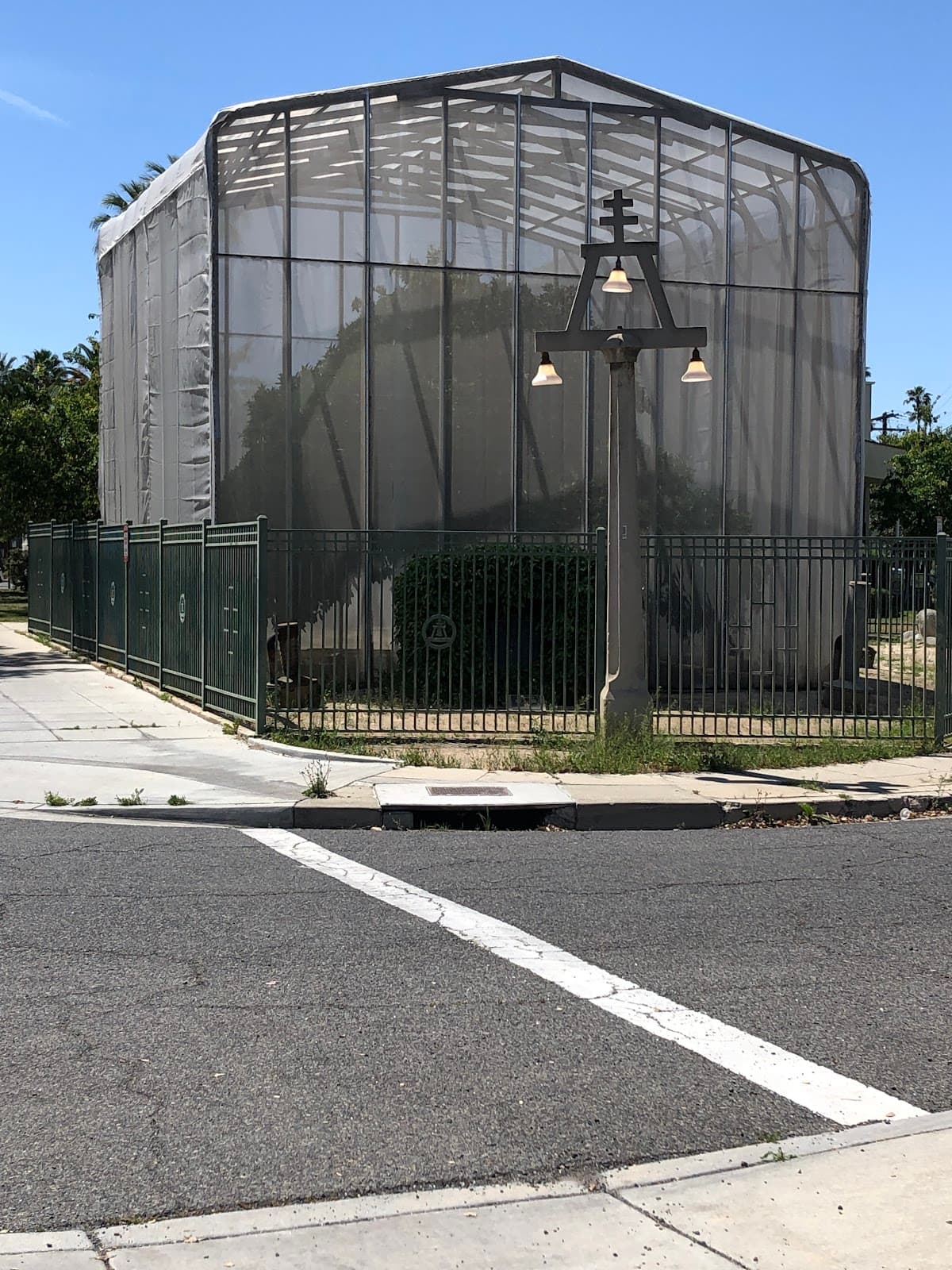
The tree is covered for protection, so viewing is from the outside.
Highlights
Discover the most iconic attractions and experiences
The Parent Washington Navel Orange Tree
Magnolia St & Arlington Ave, Riverside, CA
The original navel orange tree, planted in 1873, that seeded navel oranges across the US.
California Historic Landmark
Magnolia St & Arlington Ave, Riverside, CA
Recognized for its immense contribution to California's citrus industry and history.

Plans like a pro.
Thinks like you
Planning Your Visit
Protecting a Living Landmark
Respecting the Site
Best Times
Insider Tips
from TikTok, Instagram & Reddit
📍 Location Snapshot
Find it at the corner of Magnolia and Arlington Avenues in Riverside.
🌳 Protected by Design
The tree is covered for protection, so viewing is from the outside.
📜 Historical Significance
Learn about its role in the US navel orange industry.
📸 Photo Opportunity
Capture a piece of California's agricultural history.
California Citrus State Historic Park First Time Visit (Photography)
Tips
from all over the internet
📍 Location Snapshot
Find it at the corner of Magnolia and Arlington Avenues in Riverside.
🌳 Protected by Design
The tree is covered for protection, so viewing is from the outside.
📜 Historical Significance
Learn about its role in the US navel orange industry.
📸 Photo Opportunity
Capture a piece of California's agricultural history.
What Travellers Say
Reviews Summary
Visitors appreciate the historical significance of the Parent Washington Navel Orange Tree as the origin of US navel oranges and a California landmark. However, many express disappointment that the tree is enclosed and not accessible for closer viewing, with limited information posted on-site.
"A bit disappointed to see a historical orange tree shrouded from the public with a lock gate and mesh contraption. There is no information about hours or contacts for visiting the tree. I believe the public should be able to see the tree with close supervision.
Jesus Christ Loves You!!!"
Paul Montalvo
"Great historical stop. It's easy to imagine Orange groves all over Riverside! Too bad is has to be fenced in...but there are people who might like to damage this 150 year old tree!"
Perrin Larton
"It is sad the OG navel orange tree is shrouded in screen mesh. But to keep it going, and continuing to produce wonderful seedless oranges, the city had to do this.
On the other hand it's good Riverside is protecting the foundation of the Inland Empire's founding industry.
No information is posted there about "visiting" inside the shroud building."
Errol Van Stralen
What People Like
What People Dislike
Frequently Asked Questions
🚇 🗺️ Getting There
The tree is located at the intersection of Magnolia Street and Arlington Street in Riverside, California. It's easily accessible by car and is a well-known landmark in the area.
Street parking is typically available in the vicinity of the intersection, though it can be busy.
The tree is a landmark visible from the street at any time. There are no specific visiting hours as it's an outdoor site.
🎫 🎫 Tickets & Entry
No, tickets are not required. The tree is a public landmark and can be viewed from the sidewalk.
There is no entrance fee to view the Parent Washington Navel Orange Tree. It's a free historical site.
As it's an outdoor landmark, there are no official visiting hours. You can view it at any time.
No, the tree is protected by a mesh enclosure and a structural tent for preservation, so public access inside is not permitted.
📸 📸 Photography
You can take photos from the sidewalk surrounding the protective enclosure. Capture the tree within its historical context.
Generally, casual photography from the public sidewalk is allowed.
🎫 🌳 Onsite Experience
You'll see the historic tree enclosed in a protective structure. It's a quick stop to appreciate its historical significance to the citrus industry.
Information at the site itself is limited, but you can research its history beforehand or use your phone to look up details.
A visit is typically very brief, often just a few minutes to see the tree and take a photo.
For Different Travelers
Tailored advice for your travel style
👨👩👧 Families with Kids
Keep the visit brief and focus on the story behind the tree. You can explain how this one tree led to all the navel oranges in grocery stores. It's a simple yet impactful lesson in history and agriculture, perfect for a short educational detour.
🚗 Day-Trippers & Roadside Attractions
Located conveniently at an intersection, it’s easy to find and integrate into a larger itinerary. It offers a unique glimpse into the foundational industry of the Inland Empire, making it a worthwhile stop for anyone interested in California's past.
Deep Dives
In-depth insights and expert knowledge
The Genesis of Navel Oranges in America
This single tree is responsible for the widespread availability of the sweet, seedless navel oranges we enjoy today. Its historical significance is so profound that it has been designated a California Historic Landmark. Visiting this site offers a tangible connection to the agricultural heritage that shaped California's economy and identity.
While the tree is now protected by a mesh enclosure to ensure its continued health and longevity against pests and environmental factors, its presence remains a powerful reminder of agricultural innovation and the impact one plant can have.
Preserving a Living Legacy
This protective measure, while limiting direct public access, is crucial for maintaining the tree's health and its ability to produce fruit. It underscores the commitment to safeguarding this irreplaceable piece of California's heritage. Visitors can still appreciate the tree from the outside and understand the efforts made to keep this historical icon alive for future generations.
Understanding the need for this protection adds another layer of appreciation for the tree's significance. It highlights the balance between public access and the vital need for conservation of historical and natural resources.


Social
from TikTok, Instagram & Reddit