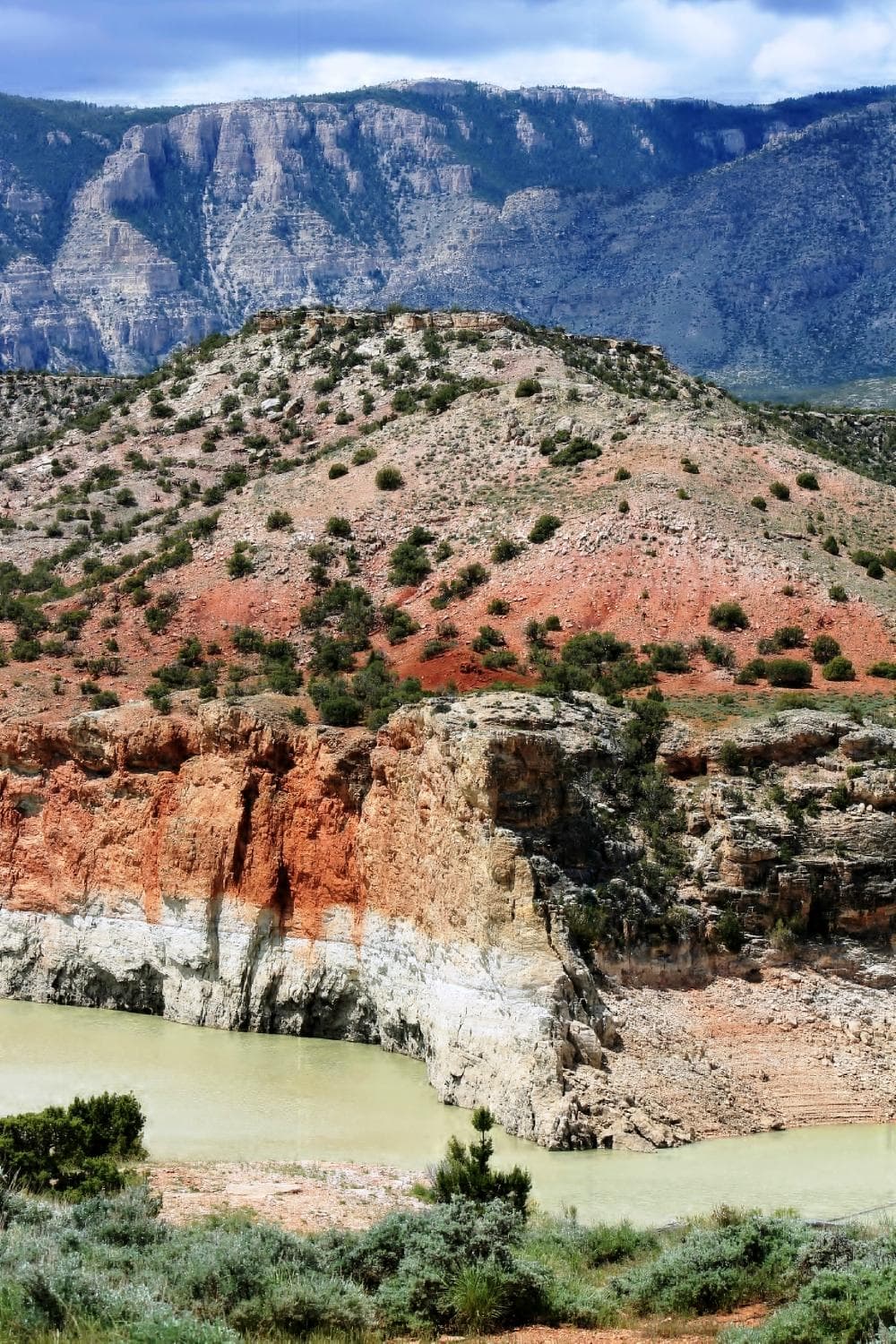
Pryor Mountain Wild Horse Range
Witness the majestic wild mustangs of the Pryor Mountains, a protected range where these descendants of Spanish horses roam free.
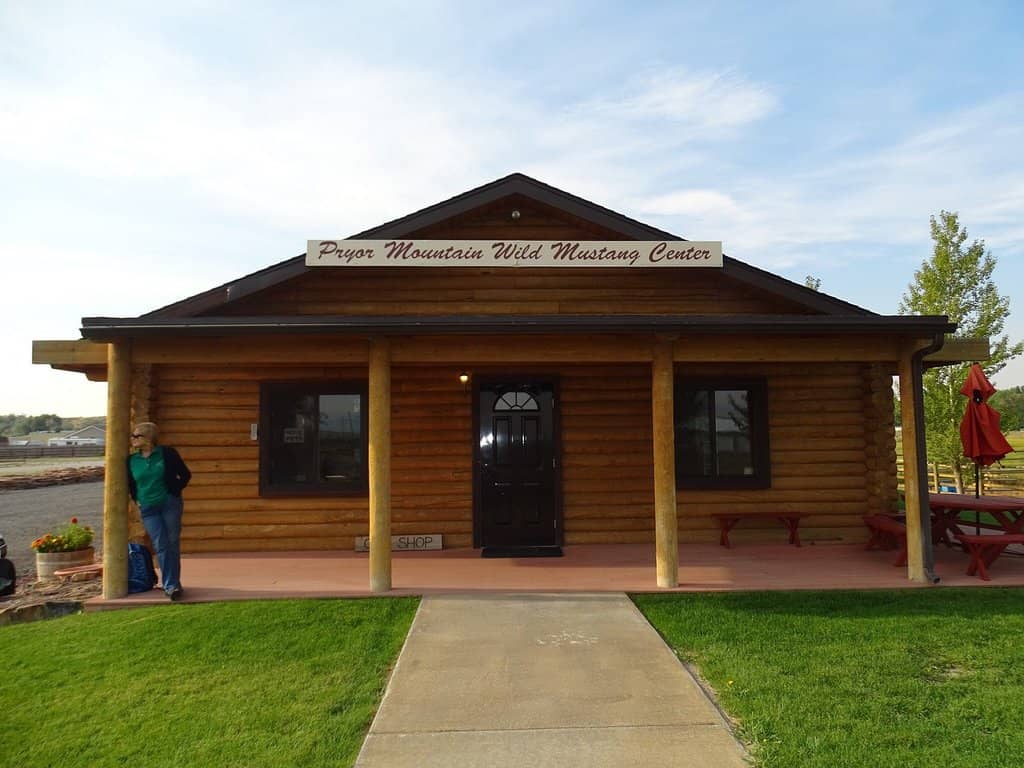
Highlights
Must-see attractions

Social
From TikTok & Reddit
Best Time
Horses are active, fewer crowds
Pryor Mountain Wild Horse Range
Best Time
Horses are active, fewer crowds
Highlights
Must-see attractions
Witness the majestic wild mustangs of the Pryor Mountains, a protected range where these descendants of Spanish horses roam free.
"A beautiful and spiritual experience, lucky to see Cloud and over 120+ horses!"
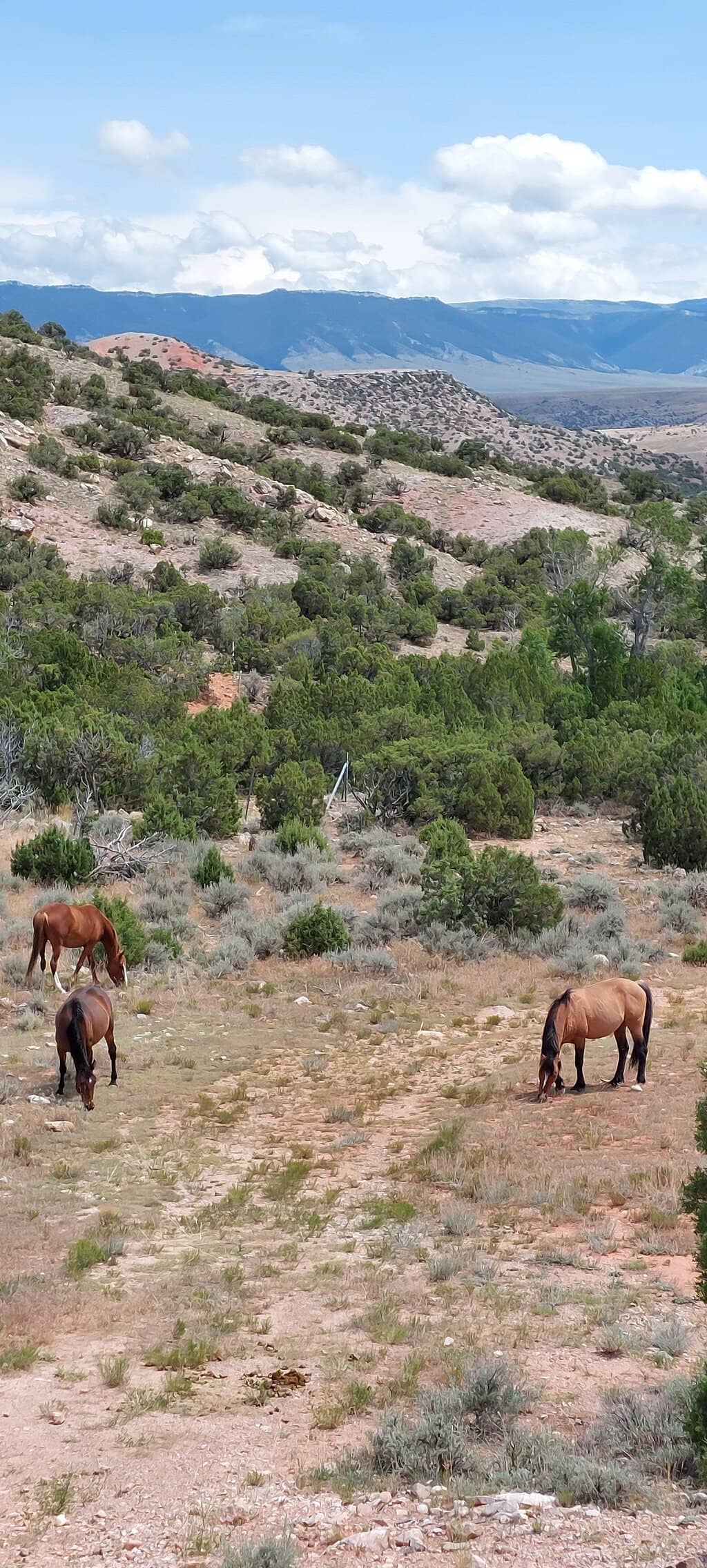
🚗 4WD Recommended
Many roads are rough. A 4WD or high-clearance vehicle is best for exploring .
📵 No Cell Service
Download offline maps and let someone know your plans. Service is very limited .
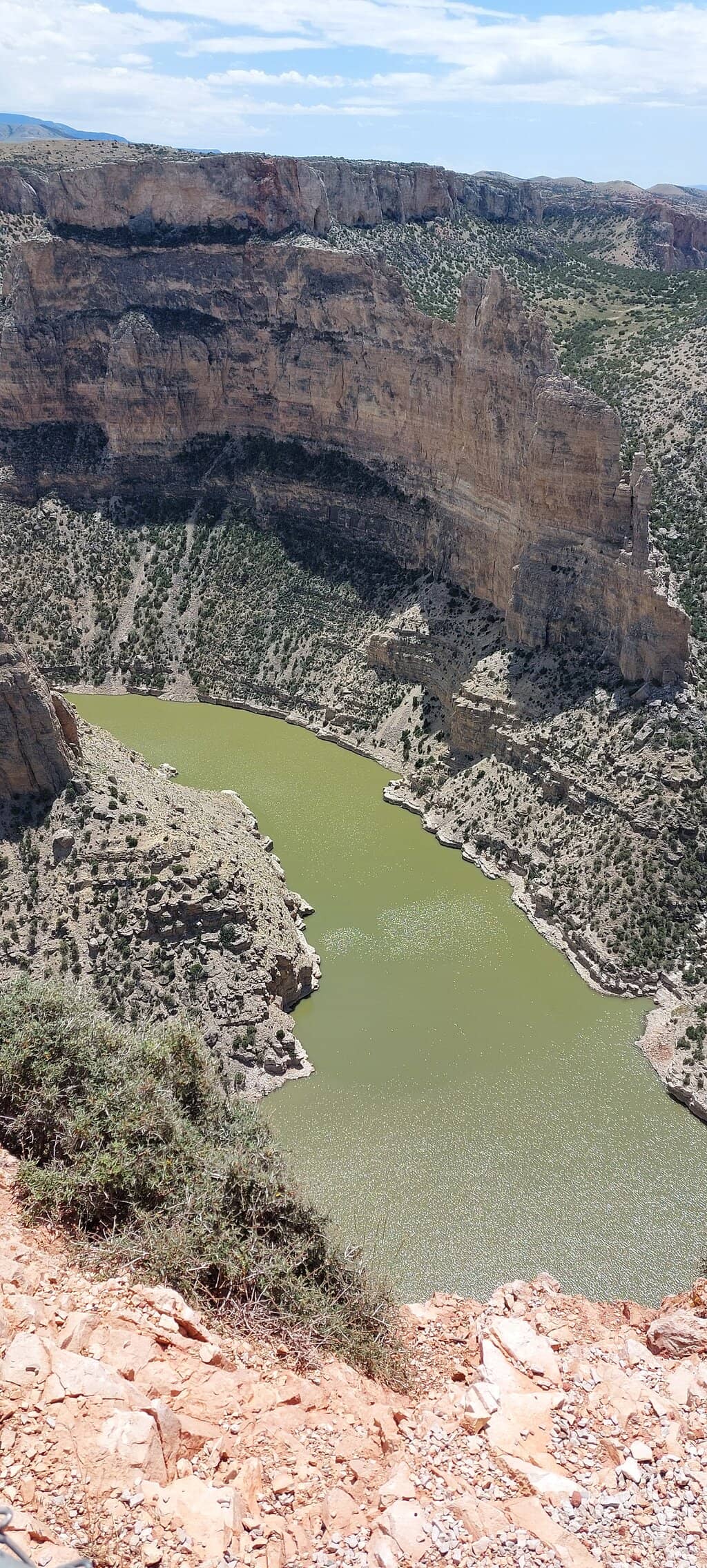
Highlights
Discover the most iconic attractions and experiences
Wild Mustang Herds
Throughout the range
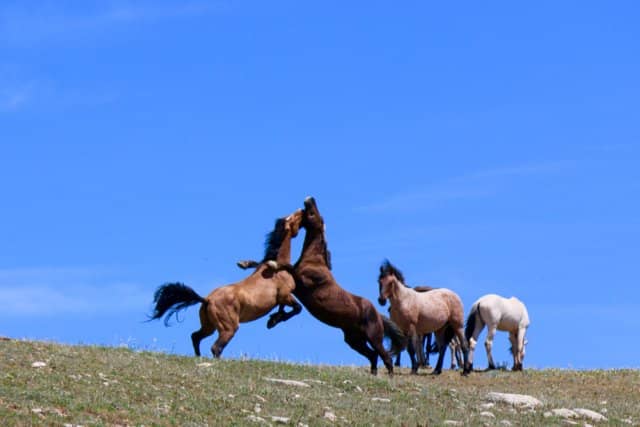
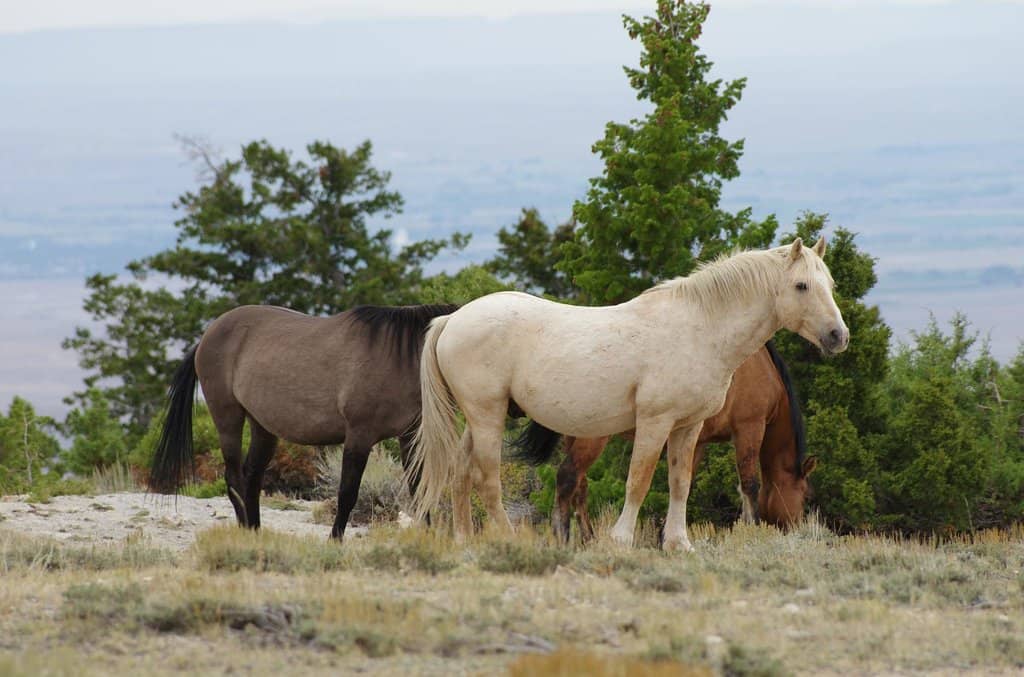
Witness descendants of Spanish conquistadors roaming free. Observe their social dynamics and powerful presence.
Scenic Vistas
Various overlooks
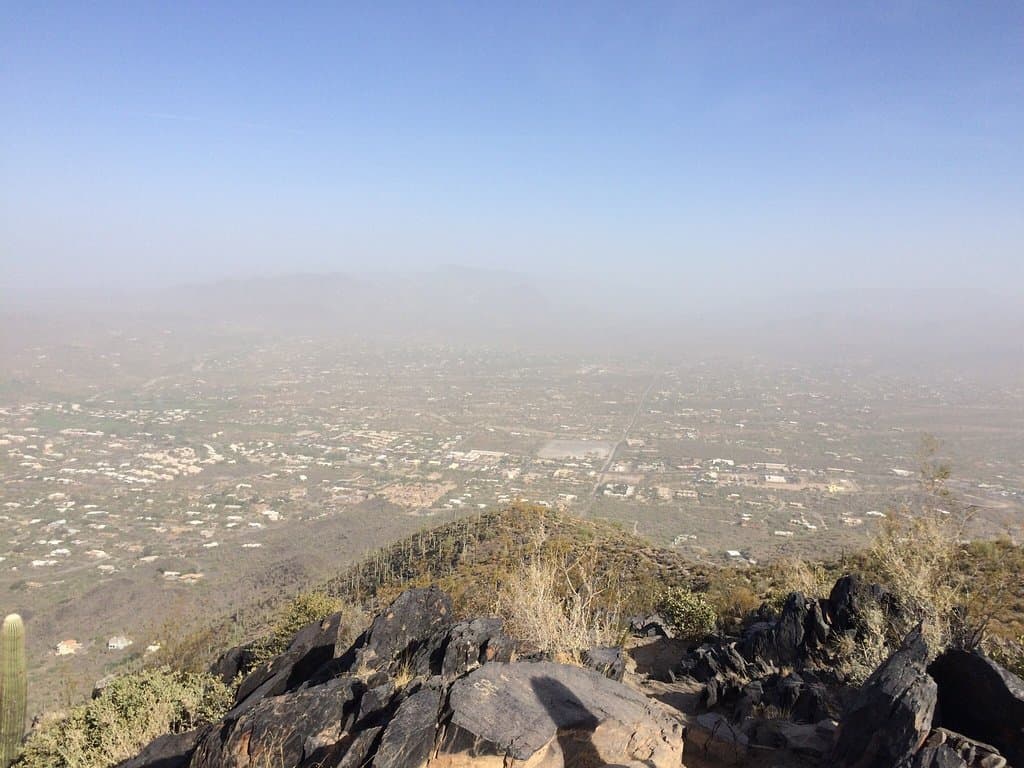
Experience breathtaking views of rugged canyons and expansive landscapes. Perfect for photography and quiet contemplation.
Big Ice Cave
Pryor Mountains
Explore a unique geological formation. Requires specific route planning and can be a challenging hike.
Plans like a pro.
Thinks like you
Planning Your Visit
Accessing the Range
 Cell service is spotty to non-existent, so download offline maps and inform someone of your plans.
Best Viewing Practices
+1 Understanding their behavior and respecting their space is crucial for a positive experience.Best Times
Insider Tips
from TikTok, Instagram & Reddit
🚗 4WD Recommended
Many roads are rough. A 4WD or high-clearance vehicle is best for exploring.
📵 No Cell Service
Download offline maps and let someone know your plans. Service is very limited.
🔭 Binoculars Essential
Horses can be distant. Bring binoculars for better viewing and photography.
💧 Bring Plenty of Water
It's a dry, rugged environment. Stay hydrated, especially during warmer months.
Tips
from all over the internet
🚗 4WD Recommended
Many roads are rough. A 4WD or high-clearance vehicle is best for exploring.
📵 No Cell Service
Download offline maps and let someone know your plans. Service is very limited.
🔭 Binoculars Essential
Horses can be distant. Bring binoculars for better viewing and photography.
💧 Bring Plenty of Water
It's a dry, rugged environment. Stay hydrated, especially during warmer months.
🗺️ Get a Map
Roads aren't always well-marked. A good map is crucial for navigation.
📸 Respectful Photography
Capture stunning shots, but always maintain a safe distance from the horses.
What Travellers Say
Reviews Summary
Visitors consistently praise the awe-inspiring experience of seeing healthy, free-spirited wild horses in their natural, rugged habitat. Many highlight the value of guided tours for locating the herds and learning about their history and social dynamics. While the scenery is beautiful, some find the roads poorly marked and the terrain challenging.
"Awesome! Our guide with Grub Steak Expeditions was amazing. Mike knew where to find the mustangs. As well as the history and geography. He made our adventure SPECTACULAR!!!"
Michele R
"The road isn't well marked which made things more difficult than it should have been. Otherwise it's beautiful and we enjoyed seeing the wild horses"
Vicki Williams
"Been here three times with Nancy and Steve Cerroni. A beautiful and spiritual experience. Was lucky enough to see Cloud in 2014.
The best way to see it is a tour with the Cerronis. They drive you up the mountain and know all the horses and band relationships."
Linda Moross
What People Like
What People Dislike
Frequently Asked Questions
🚇 🗺️ Getting There
The range is located in southeastern Carbon County, Montana, and northern Big Horn County, Wyoming.
The route to Big Ice Cave can be sketchy, with some visitors recommending specific routes via Bridger and 73, though road conditions can vary. It's advisable to check current conditions and potentially use a guided tour for this area.
Yes, the range is open year-round. Access through the north Yellowstone entrance is possible in winter when the Beartooth Highway is closed.
No, there is no public transportation. You will need your own vehicle, and a 4WD is highly recommended for exploring the range effectively.
The Pryor Mountain Wild Horse Range is a road trip away from Yellowstone, making it a potential addition to a trip to the park.
🎫 🎫 Tickets & Entry
No, entry to the Pryor Mountain Wild Horse Range is generally free. It is public land managed by the Bureau of Land Management (BLM).
The range is open year-round. However, access to certain areas may be affected by weather conditions, especially in winter.
There is no entrance fee to access the Pryor Mountain Wild Horse Range.
The PM Center in Lovell, Wyoming, is a good resource for current band locations. Local guides also have up-to-date information.
No specific permits are required for general visitation. However, if you plan on activities like extended camping or specific research, you may need to check with the BLM.
🎫 🧭 Onsite Experience
Driving through the range and looking for horses on ridges and in valleys is common.
Sightings are very common, with some visitors seeing over 100 horses on a single tour. The horses are descendants of those brought by conquistadors and have roamed here for centuries.
The terrain is rugged and mountainous, with canyons and sparse vegetation.
Facilities are minimal. There are some primitive campsites and trailheads. Ken's cabin at the top is mentioned as a nice lunch spot.
Besides wild horses, you might spot bighorn sheep and foxes.
📸 📸 Photography
Anywhere you can safely observe the horses against the dramatic landscape is ideal. Ridges and open valleys offer great opportunities.
A telephoto lens is highly recommended to capture details from a safe distance. Binoculars are also useful for spotting subjects.
Early morning and late afternoon offer the best light, with softer shadows and warmer tones. This is also when horses are often most active.
Spring is exciting for potential foal sightings,
It's crucial to maintain a safe and respectful distance. Never approach or feed the wild horses, as they are unpredictable.
For Different Travelers
Tailored advice for your travel style
👨👩👧 Families with Kids
Consider booking a guided tour, as guides can help locate the horses and share interesting facts, keeping children engaged. The vastness of the landscape and the freedom of the horses can spark imagination and a love for nature. Always emphasize the importance of respecting wildlife and maintaining a safe distance.
🚗 Road Trip Enthusiasts
The drive through the range provides stunning vistas and the potential for unexpected wildlife encounters.Be prepared for unpaved and potentially rough roads. Downloading offline maps is crucial, as navigation can be challenging without cell service.
📸 Photographers
+1 The rugged terrain and expansive skies create stunning backdrops for both wildlife and landscape shots.Bring your best telephoto lenses to capture the horses from a respectful distance.
Early morning and late afternoon light are ideal for dramatic shots. Be patient, as the horses move freely, and their interactions can provide unique moments.+1 Remember to prioritize safety and ethical wildlife photography practices.Deep Dives
In-depth insights and expert knowledge
Understanding the Wild Horses
These horses have roamed the rugged terrain for centuries, adapting to the challenging environment. They are known for their resilience and free-spirited nature.Visitors often witness a variety of behaviors, from bachelor stallions play-fighting
+1 to mares and foals interacting. Observing these interactions provides a glimpse into the complex social structure of the herd. It's important to remember that these are truly wild animals, and their behavior can be unpredictable.The range is one of only four designated wild horse ranges in the country.
Some visitors have had the profound experience of seeing famous horses like 'Cloud'.Navigating the Pryor Mountains
Downloading offline maps is highly recommended, as cell service is unreliable to non-existent throughout much of the area.Many visitors opt for guided tours, which not only simplify navigation but also provide invaluable insights into the history, geography, and the lives of the wild horses.
Beyond the main roads, the terrain can be challenging, with steep inclines and rocky paths. While there are ATV/UTV trails for recreational use,
Responsible Wildlife Viewing
Never attempt to approach, touch, or feed the wild horses, as this can disrupt their natural behavior and pose a danger to both humans and horses.Remember that these are wild animals, and their actions can be unpredictable. Stallions, in particular, can be territorial and may engage in aggressive behavior.
+1 It's important to be aware of your surroundings and give them plenty of space. Binoculars and telephoto lenses are excellent tools for observing and photographing the horses without disturbing them.When driving, be cautious of horses near or on the roads. Pull over safely if you encounter them and allow them to pass. The goal is to witness these magnificent creatures in their natural, wild state, ensuring their continued freedom and well-being for generations to come.



Social
from TikTok, Instagram & Reddit