Museum of Chinese in America
Preserving and celebrating the rich history and contributions of Chinese Americans through engaging exhibits and community programs.
Highlights
Must-see attractions

Social
From TikTok & Reddit
Best Time
Community events and lively atmosphere
Museum of Chinese in America
Best Time
Community events and lively atmosphere
Highlights
Must-see attractions
Preserving and celebrating the rich history and contributions of Chinese Americans through engaging exhibits and community programs.
"A vital space for understanding the Chinese American experience, offering free admission and engaging community events."
🎯 Engage with Community Voices
Be aware of ongoing community discussions about the museum's role.
🎟️ Free Admission
Enjoy the exhibits without an entry fee. Donations are welcome.
Quick Facts
Hours
Rating
4.4 · 1,008 reviews
Type
Museum
Website
mocanyc.orgHighlights
Discover the most iconic attractions and experiences
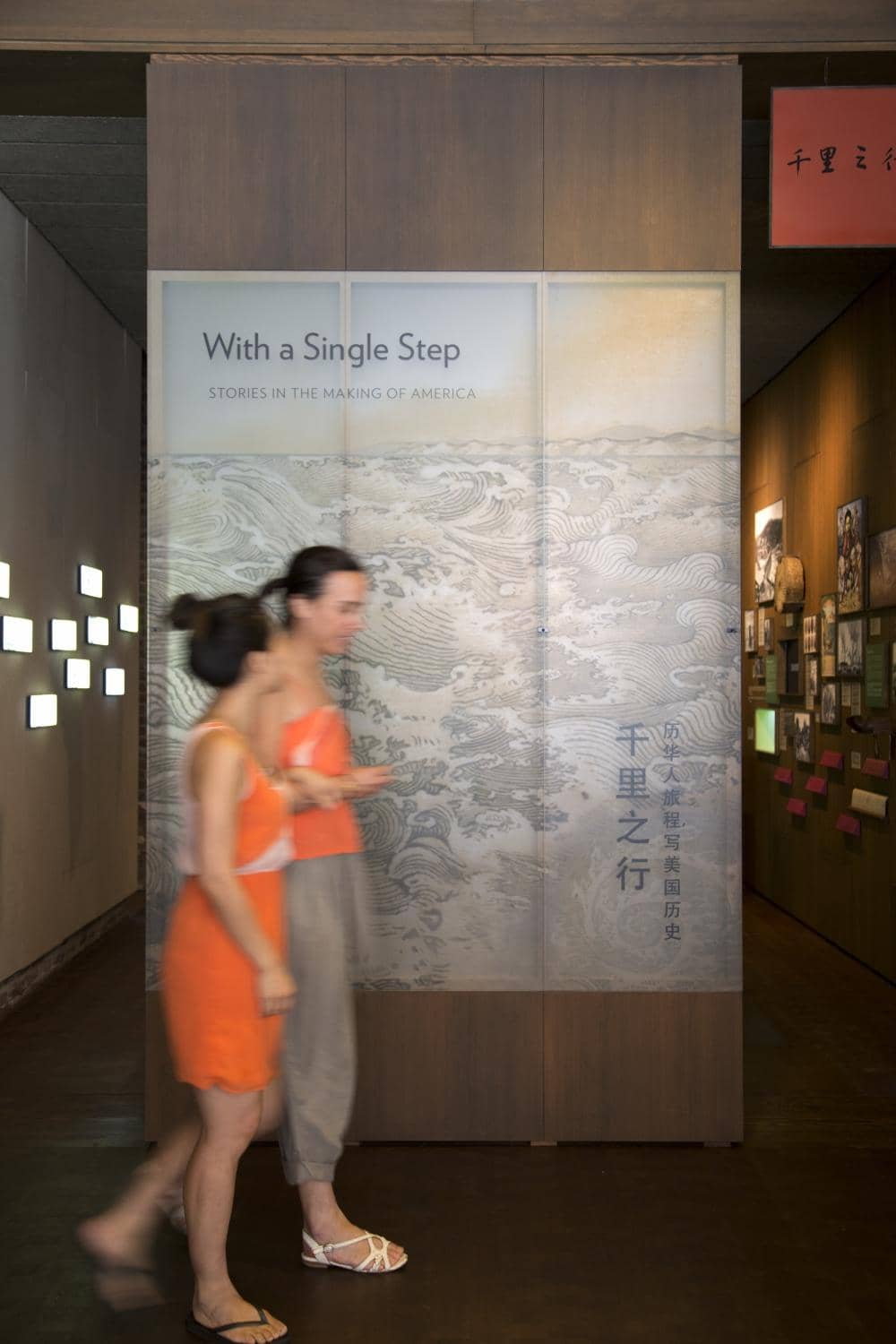
With a Single Step: Stories in the Making of America
Permanent Exhibition
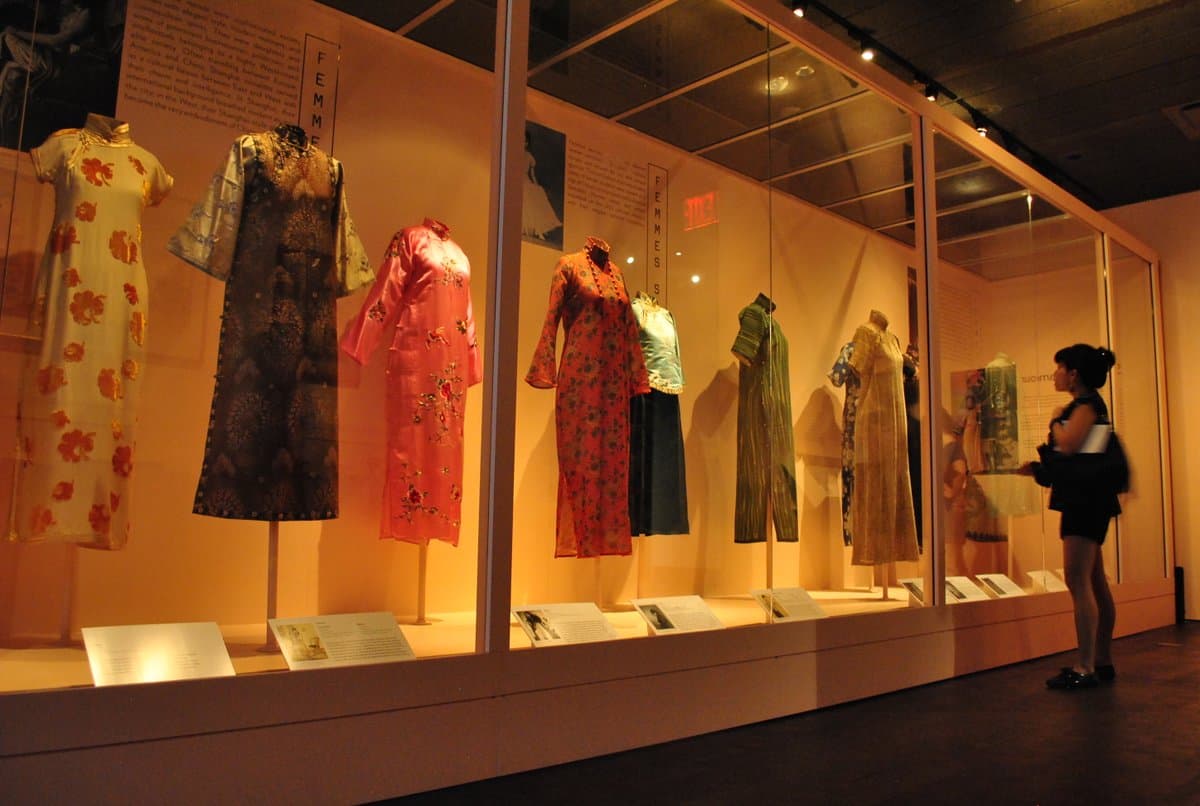
Journey through 200+ years of Chinese American history with artifacts, photos, and multimedia.
Magazine Fever: Gen X Asian American Periodicals
Temporary Exhibition
Explore how Asian American identity evolved through influential magazines and publications.
Citizenship Exam Challenge
Exhibition Area
Test your knowledge by taking the historical citizenship exam given to Chinese immigrants.
Mahjong Tables
Gallery Space
Admire custom-made mahjong tables, showcasing a blend of art and cultural tradition.
Plans like a pro.
Thinks like you
Planning Your Visit
Community Concerns & Museum's Role
 +1
+1Free Admission & Exploration Time
Best Times
Insider Tips
from TikTok, Instagram & Reddit
🎯 Engage with Community Voices
Be aware of ongoing community discussions about the museum's role.
🎟️ Free Admission
Enjoy the exhibits without an entry fee. Donations are welcome.
⌚ Allow 30-45 Minutes
Explore the core exhibits at a comfortable pace.
👨👩👧👦 Family-Friendly Events
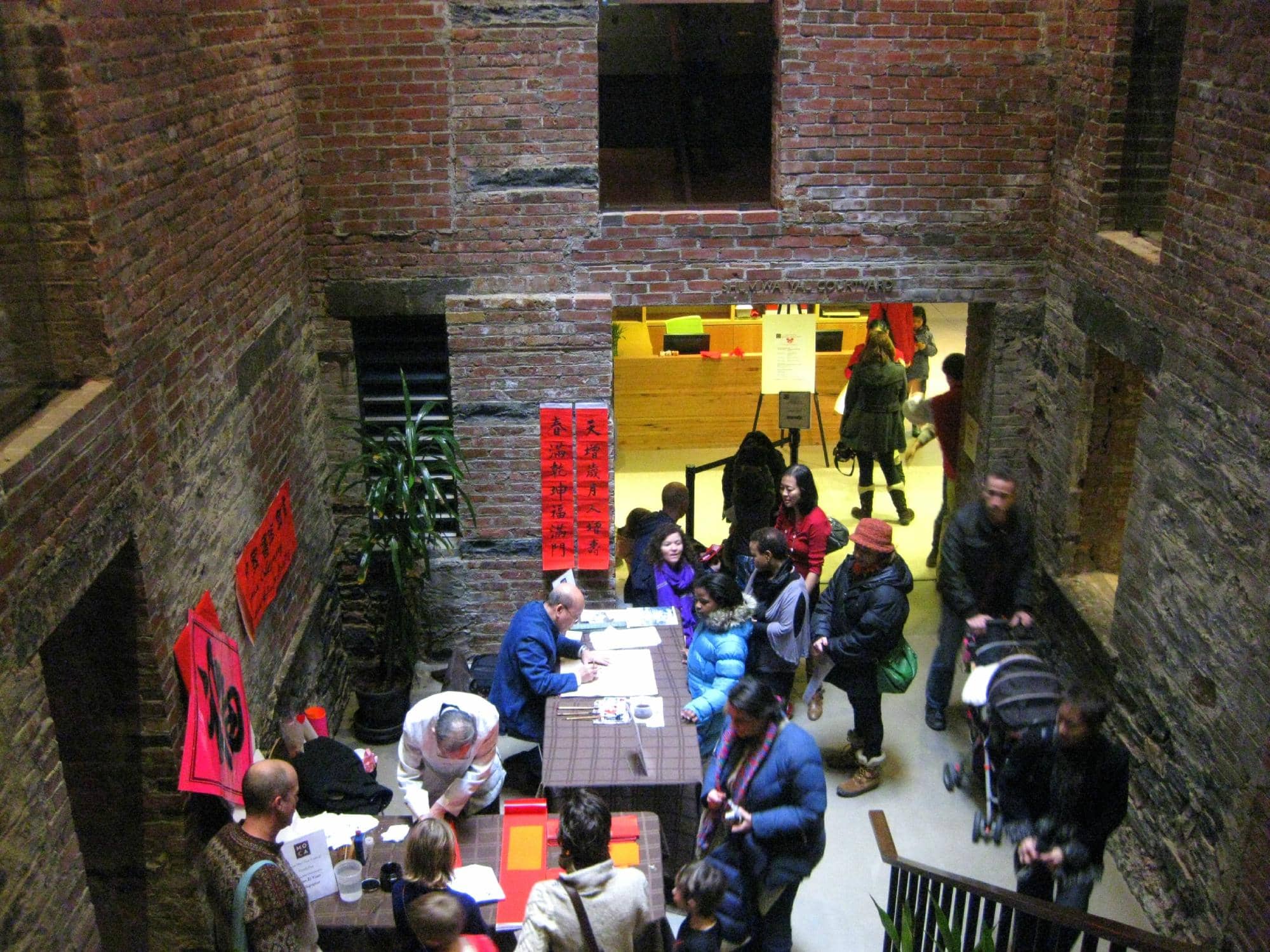
Check for hands-on festivals like Mid-Autumn or Dragon Boat.
Tips
from all over the internet
🎯 Engage with Community Voices
Be aware of ongoing community discussions about the museum's role.
🎟️ Free Admission
Enjoy the exhibits without an entry fee. Donations are welcome.
⌚ Allow 30-45 Minutes
Explore the core exhibits at a comfortable pace.
👨👩👧👦 Family-Friendly Events
Check for hands-on festivals like Mid-Autumn or Dragon Boat.
bilingual Exhibits
Most displays are in English and Chinese, enhancing accessibility.
What Travellers Say
Reviews Summary
Visitors praise the Museum of Chinese in America for its free admission and engaging exhibits that highlight the often-untold stories of Chinese Americans. Many appreciate the bilingual displays and the museum's efforts to connect with the community through festivals and hands-on activities, especially for families. However, some are aware of and critical of the museum's controversial relationship with Chinatown development.
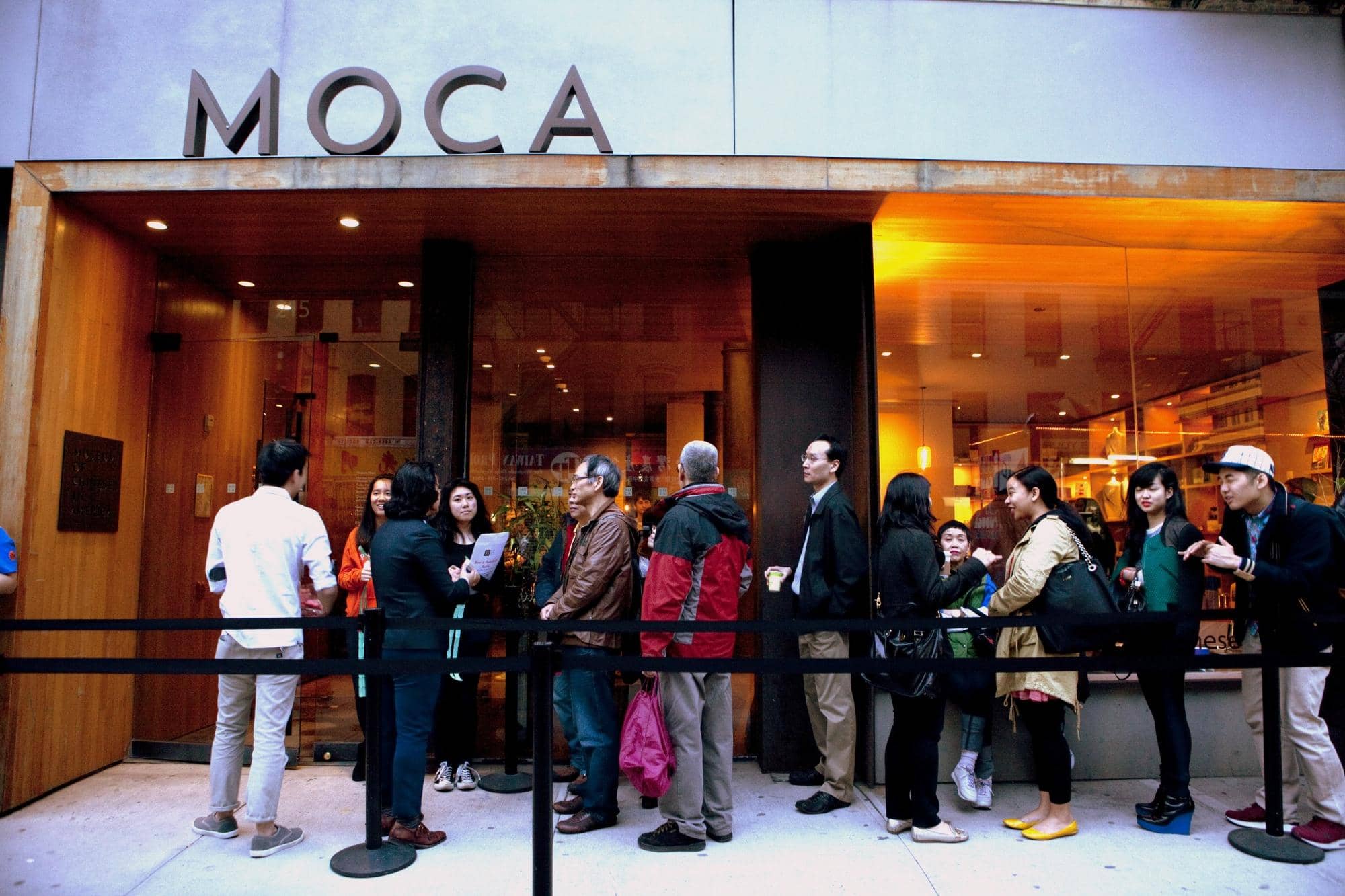
"The Museum of Chinese in America (MOCA), located on Centre Street in Manhattan’s Chinatown, offers an intimate and layered portrayal of the Chinese American experience—an ongoing journey of migration, adaptation, and identity. Its understated entrance leads into a space rich with stories, tracing how Chinese communities helped shape the social and cultural fabric of the United States.
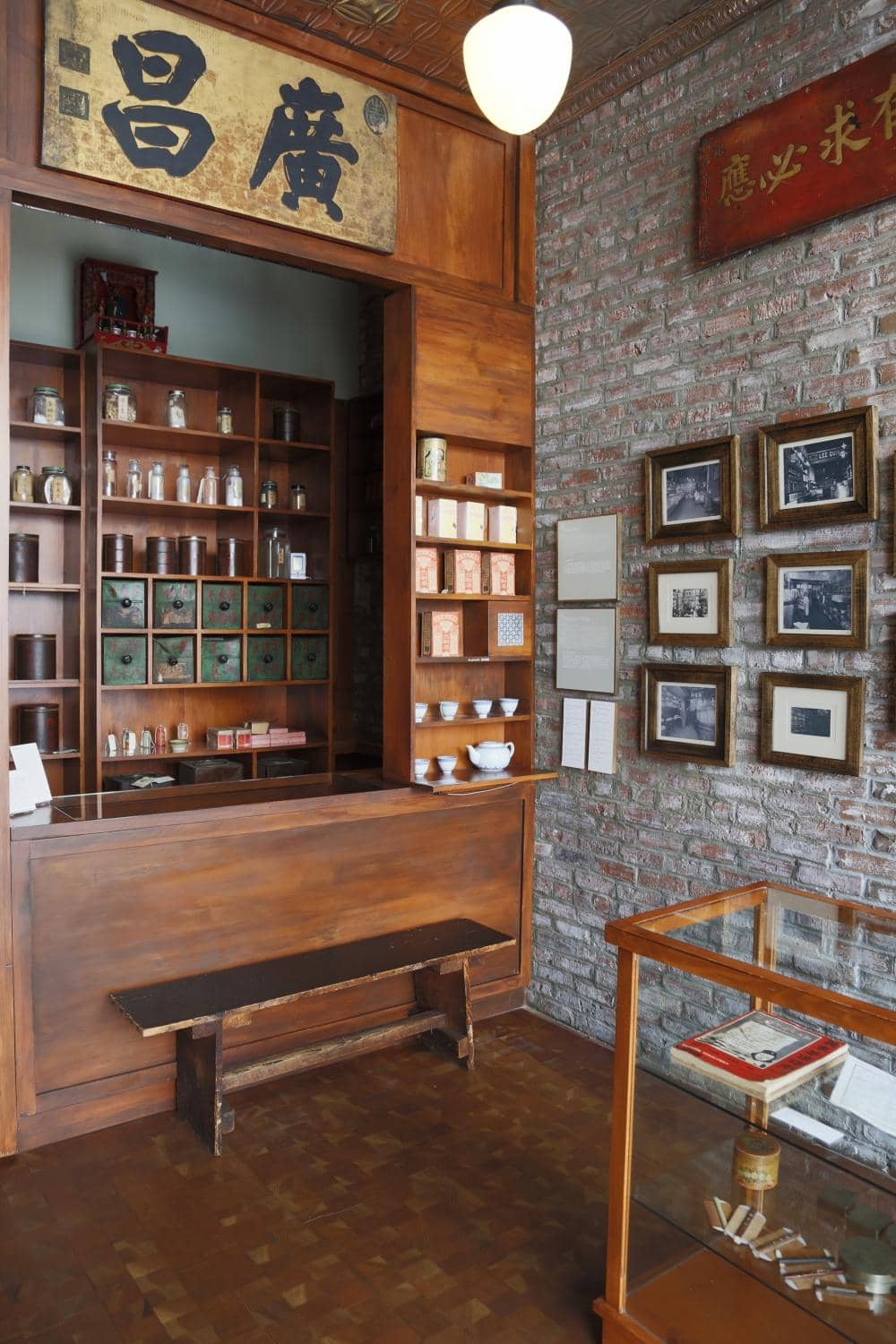
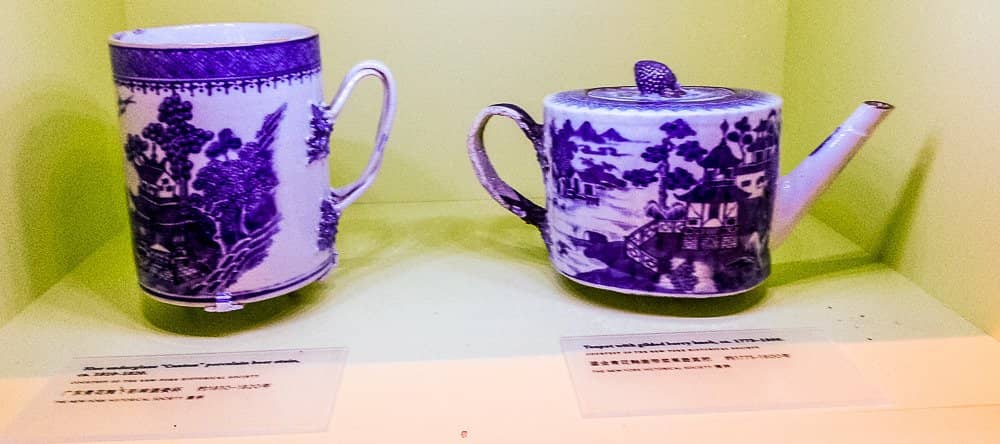
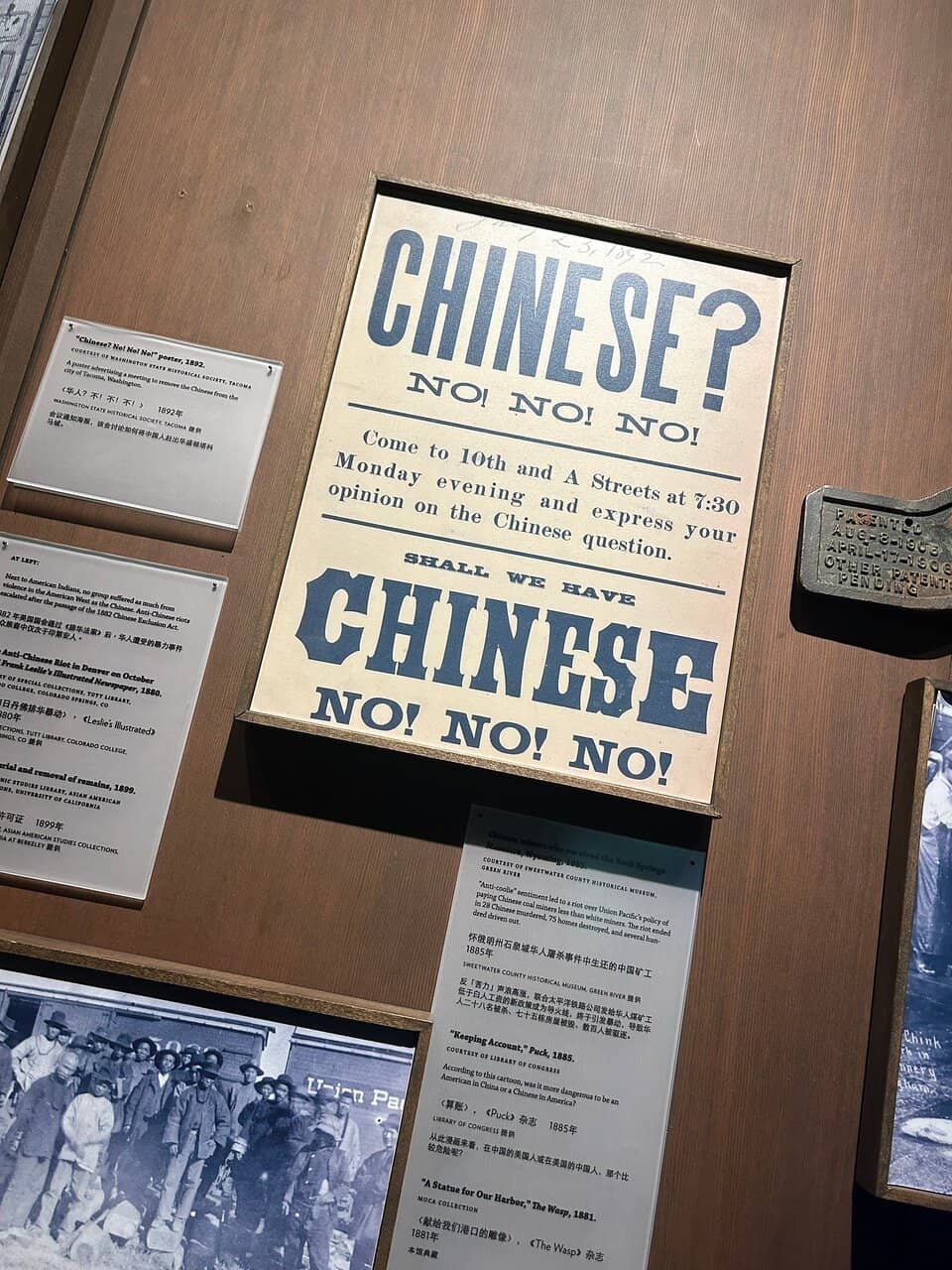
The permanent exhibition, With a Single Step: Stories in the Making of America, moves through time with fluid storytelling. From early immigration and exclusion acts to family businesses, herbal shops, and wartime service, the displays capture both hardship and resilience. Artifacts such as medicine drawers, newspapers, and the 19th-century “Chinese Must Go” cap pistol serve as painful reminders of prejudice, yet they also testify to the endurance and creativity of generations who rebuilt their lives despite systemic exclusion.
Moments of cultural interpretation appear in displays like the Chop Suey poster, which exposes how Chinese identity was once exoticized on stage and screen. But MOCA resists nostalgia or victimhood, instead showing how communities have rewritten these narratives through self-representation and collective memory.
The current exhibition hapa.me – 25 Years of the Hapa Project by artist Kip Fulbeck expands the conversation to mixed-race identities. Through portraits and handwritten reflections, participants answer the question “What are you?”—a phrase that becomes both intimate and political. The accompanying texts, bilingual in English and Chinese, explore how “hapa,” once meaning “half,” has evolved into a term of pride within Asian and Pacific Islander communities.
A world map at the exit invites visitors to mark their hometowns, transforming the wall into a living constellation of global Chinese identities. The gesture encapsulates MOCA’s spirit: it is not just a museum of artifacts but a dialogue between past and present, belonging and becoming.
Compact yet resonant, MOCA balances historical documentation with emotional depth, offering visitors a reflective space to reconsider what it means to be American, Chinese, and everything in between."
Kenneth Wong
"Find some fun facts. Not well-curated, if it’s not for bloomberg app for guidance, i’d be quite confused as th presentation of information is messy. Not well-maintained, half of audio is broken. The kid playground downstair smell bad. The plus point is that they give ginger soft candies."
Ph Linh Ng
"I brought my two kids here for the Mid-Autumn Festival and Dragon Boat Festival events, and we had such a great time! Everything was super well organized, and there were so many fun, hands-on activities that really tied into the culture. My son especially loved making zongzi and building his own little dragon boat—he was so into it!
I haven’t had a chance to explore the museum itself yet, but I really appreciate how they connect with the community and offer these kinds of events. It’s such a great way for families to learn and have fun together!"
Carmen Y
What People Like
What People Dislike
Frequently Asked Questions
🚇 🗺️ Getting There
The museum is easily accessible via public transportation. Several subway lines stop nearby, including the N, Q, R, W, J, Z, 6, and B, D trains. It's also within walking distance of many Chinatown attractions.
Parking in Chinatown can be challenging and expensive. It's generally recommended to use public transit or ride-sharing services to reach the museum.
The museum has a lower floor with restrooms and a hangout spot accessible by stairs. Visitors should inquire about specific accessibility options for the main exhibition areas.
The closest subway stations are Canal Street (N, Q, R, W, J, Z) and Grand Street (B, D). Both are a short walk from the museum.
Yes, if you are in Lower Manhattan, it's a pleasant walk. It's located in the heart of Chinatown, making it a central point for exploring the area.
🎫 🎫 Tickets & Entry
Admission to the Museum of Chinese in America is free. While there's no charge, donations are appreciated to support their programming and preservation efforts.
Museum hours can vary, so it's always best to check their official website or social media for the most up-to-date information on opening days and times before your visit.
Since admission is free, advance booking is typically not required. However, for special events or festivals, it's advisable to check if registration or tickets are needed.
The museum's holiday schedule can differ. It's recommended to confirm their operating status on specific holidays through their official channels.
As the museum offers free admission, there are no specific discounts. However, they often host community events and festivals that might have separate registration requirements.
🎫 🏛️ Onsite Experience
You can explore the permanent exhibition 'With a Single Step: Stories in the Making of America,' featuring artifacts, photos, and personal narratives. They also host rotating temporary exhibitions like 'Magazine Fever.'
Most visitors spend about 30-45 minutes exploring the museum's exhibits. Special events or festivals might require more time.
Yes, the majority of the exhibits at the Museum of Chinese in America are bilingual, presented in both English and Chinese, making them accessible to a wider audience.
Yes, the museum offers interactive elements, including the 'Citizenship Exam' challenge and hands-on activities during special community events and festivals.
This exhibit allows visitors to experience the historical citizenship test that was administered to Chinese immigrants, offering a glimpse into the challenges they faced.
🍽️ 🍽️ Food & Dining
The museum itself does not have a restaurant. However, it is located in the heart of Chinatown, which offers a vast array of authentic Chinese and Asian dining options.
You can find everything from traditional Cantonese dim sum and noodles to modern Asian fusion cuisine in the surrounding Chinatown neighborhood.
Chinatown is known for its affordable eateries, including many small restaurants, bakeries, and food stalls offering delicious and inexpensive meals.
Typically, museums do not allow outside food or drinks in exhibition areas. It's best to consume any food or beverages before entering or after leaving the museum.
Yes, you'll find numerous cafes and bakeries in Chinatown offering coffee, tea, pastries, and light snacks perfect for a quick break.
📸 📸 Photography
Generally, personal photography for non-commercial use is permitted in the museum's public areas. However, flash photography and tripods may be restricted. Always check for posted signage or ask museum staff.
The 'With a Single Step' exhibition, with its historical artifacts and personal stories, offers compelling visual narratives. Temporary exhibitions and any displayed artwork, like the mahjong tables, are also great subjects. +1
The immersive spaces designed to look like historical shops or the displays of personal items and documents can make for unique photos. The architecture of the museum itself might also be photogenic.
Photography rules for temporary exhibitions can sometimes differ. It's best to confirm with museum staff or look for specific guidelines regarding the 'Magazine Fever' exhibit.
Weekday mornings tend to be less crowded, allowing for more unobstructed shots. However, the museum's lighting is designed to enhance the exhibits, so good photos can be captured throughout the day.
Social
from TikTok, Instagram & Reddit