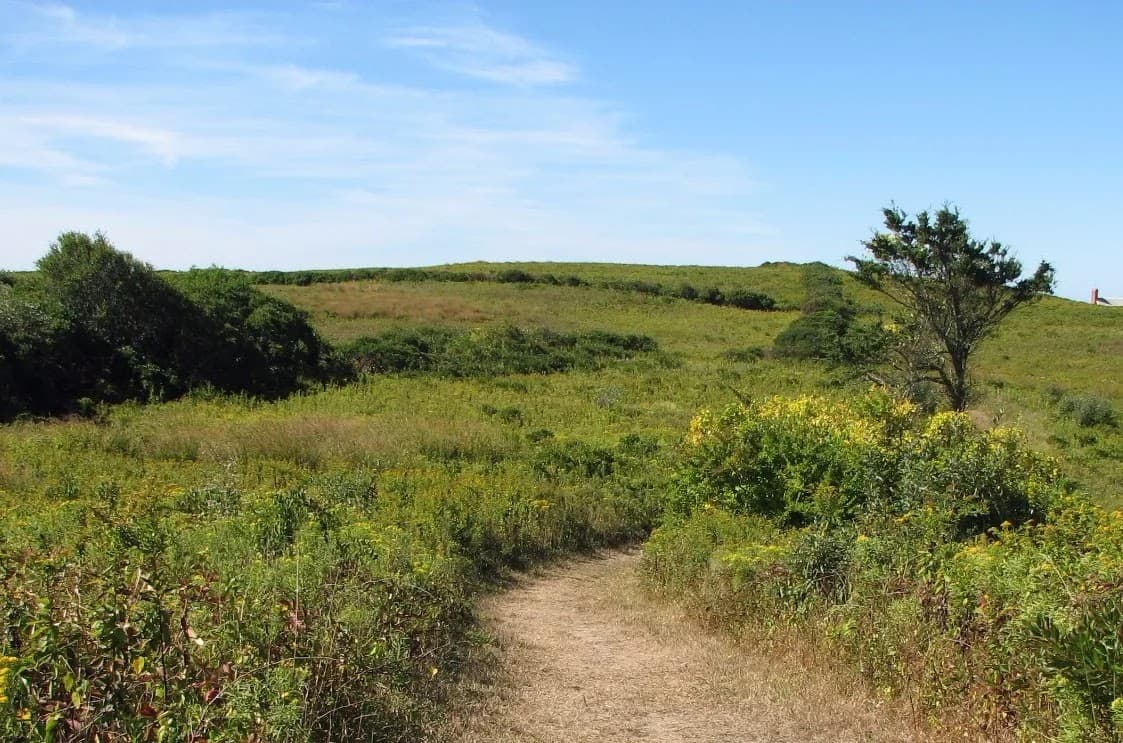
Lewis-Dickens Farm Wildlife Refuge
A tranquil sanctuary for diverse wildlife, offering serene trails and prime viewing opportunities, especially at dawn and dusk.
Highlights
Must-see attractions

Social
From TikTok & Reddit
Best Time
Peak animal activity
Lewis-Dickens Farm Wildlife Refuge
Best Time
Peak animal activity
Highlights
Must-see attractions
A tranquil sanctuary for diverse wildlife, offering serene trails and prime viewing opportunities, especially at dawn and dusk.
"A peaceful escape into nature, perfect for spotting wildlife and enjoying quiet trails."

Binoculars are Key
Bring binoculars for incredible close-ups of wildlife without disturbing them. Essential for birdwatchers! :binoculars:
Quiet Observation
Move slowly and speak softly to increase your chances of seeing shy animals. Respect their space. :ear:

Highlights
Discover the most iconic attractions and experiences

Sunrise Birdwatching
Various observation points
Witness the awakening of diverse bird species as the sun paints the sky. A symphony of calls and vibrant plumage awaits.
Deer Meadow Observation
Central meadow area
Spot graceful deer grazing peacefully in their natural habitat. A serene and picturesque scene.
Woodland Trail Exploration
Designated walking trails
Wander through tranquil woodlands, keeping an eye out for smaller creatures and unique flora.
Plans like a pro.
Thinks like you
Planning Your Visit
Timing is Everything
Pack Smart for Nature
Best Times
Insider Tips
from TikTok, Instagram & Reddit
Binoculars are Key
Bring binoculars for incredible close-ups of wildlife without disturbing them. Essential for birdwatchers! :binoculars:
Quiet Observation
Move slowly and speak softly to increase your chances of seeing shy animals. Respect their space. :ear:
Wear Earth Tones
Camouflage your presence by wearing neutral, earth-toned clothing. Blend in with the surroundings. :shirt:
Check Trail Conditions
Before heading out, check for any trail closures or advisories. Stay safe and informed. :informationdeskperson:
Tips
from all over the internet
Binoculars are Key
Bring binoculars for incredible close-ups of wildlife without disturbing them. Essential for birdwatchers! :binoculars:
Quiet Observation
Move slowly and speak softly to increase your chances of seeing shy animals. Respect their space. :ear:
Wear Earth Tones
Camouflage your presence by wearing neutral, earth-toned clothing. Blend in with the surroundings. :shirt:
Check Trail Conditions
Before heading out, check for any trail closures or advisories. Stay safe and informed. :informationdeskperson:
What Travellers Say
Reviews Summary
Visitors praise Lewis-Dickens Farm Wildlife Refuge for its serene natural beauty and excellent opportunities for wildlife observation, particularly during dawn and dusk. The peaceful atmosphere and well-maintained trails are frequently highlighted as major draws. Some visitors note the limited on-site facilities and the need for self-sufficiency.
""
mary lopes
What People Like
What People Dislike
Frequently Asked Questions
🚇 🗺️ Getting There
The refuge is accessible by car. Check your GPS for the most direct route. Parking is available on-site. Consider carpooling if visiting with a group.
Public transportation options are limited. It's recommended to have your own vehicle for the best access and flexibility.
Specific driving directions will vary based on your starting point. It's best to use a reliable navigation app and search for 'Lewis-Dickens Farm Wildlife Refuge'.
Information regarding entrance fees is not readily available. It's advisable to check the official website or contact the refuge directly for the most current pricing.
Well-marked trails guide visitors through different habitats. Pick up a trail map at the entrance if available.
🎫 🎫 Tickets & Entry
Advance ticket purchase information is not widely publicized. It's best to assume tickets can be purchased upon arrival or check their official channels.
Operating hours can vary seasonally. Always check the official website or contact the refuge for the most up-to-date information on opening and closing times.
Keep an eye on the refuge's official announcements for any scheduled events, guided walks, or educational programs.
Yes, weekends are a popular time to visit. Expect potentially larger crowds, especially during peak seasons.
For optimal wildlife viewing, aim for early morning or late afternoon. These are typically less crowded and when animals are most active.
🎫 🧭 Onsite Experience
The refuge is home to a variety of birds, deer, small mammals, and diverse plant life. Sightings depend on the season and time of day.
Yes, there are several well-maintained trails suitable for walking and wildlife observation. Trails vary in length and difficulty.
Absolutely! It's a fantastic spot for nature photography, especially during the golden hours of sunrise and sunset.
Basic facilities like parking are usually available. Check for information on restrooms or visitor centers if they exist.
Pet policies can vary greatly. It's crucial to check the refuge's specific rules regarding pets, as they are often restricted to protect wildlife.
🍽️ 🍎 Food & Dining
Typically, wildlife refuges do not have on-site dining facilities. It's best to pack your own snacks and water.
You'll likely need to travel to the nearest town or city for restaurants and cafes. Plan accordingly if you intend to dine out.
Picnic areas may be available. If so, remember to pack out all your trash to help preserve the natural environment.
Bring plenty of water, especially on warmer days. Pack non-perishable snacks that are easy to carry on trails.
Generally, there are no specific food restrictions, but it's always good practice to avoid feeding wildlife and to clean up thoroughly.
📸 📸 Photography
Open meadows at dawn and dusk, and along quieter woodland trails offer the best chances for capturing wildlife.
A telephoto lens is highly recommended for wildlife. A tripod can be useful for low-light conditions. :camera:
Respect wildlife and maintain a safe distance. Avoid using flash photography, as it can disturb animals.
The 'golden hours' shortly after sunrise and before sunset provide the most beautiful, soft light for photography.
Drone usage is often prohibited in wildlife refuges to protect animals and their habitats. Always check the specific regulations.
For Different Travelers
Tailored advice for your travel style
👨👩👧 Families with Kids
Bring binoculars for kids to use – it adds an element of discovery and excitement. Visiting during the morning or late afternoon can be ideal, as children often have more energy then, and wildlife is more active. Make it a scavenger hunt to find different types of leaves, birds, or animal tracks to keep them engaged.
🚶♀️ Solo Explorers & Photographers
Embrace the solitude and allow the natural sounds of the refuge to be your soundtrack. The well-marked trails provide a sense of security while still allowing for deep immersion in nature. Remember to inform someone of your plans and expected return time, especially if venturing on longer or more remote trails.
Deep Dives
In-depth insights and expert knowledge
Wildlife Viewing Etiquette
When photographing wildlife, avoid using flash, as it can disorient and stress animals. Consider using a telephoto lens to get close-up shots without getting too near. Patience is key; sometimes the best sightings come after a period of quiet waiting. Remember, you are a guest in their home, and your actions directly impact their well-being and the overall health of the ecosystem.
Many visitors find that visiting during the early morning or late afternoon significantly increases their chances of seeing a wider variety of animals, as these are typically their most active periods. These times also offer the most beautiful natural light for photography and a more serene experience away from potential midday crowds.
Exploring the Trails
For more open views, seek out trails that lead to meadows or observation points. These areas are ideal for spotting larger grazing animals like deer, especially during dawn and dusk. Some trails may be paved or boardwalks, making them accessible for various fitness levels and strollers, while others might be more rugged, requiring sturdy footwear.
Before embarking on any trail, it's wise to check a trail map if available and assess the length and difficulty. Wear comfortable, closed-toe shoes, as you'll be walking on natural terrain. Bringing water and a small snack is always a good idea, especially for longer hikes. Always be aware of your surroundings and listen for any sounds that might indicate wildlife nearby.





Social
from TikTok, Instagram & Reddit