
Union Street Historic Corridor
Step back into America's whaling heyday in New Bedford's Union Street Historic Corridor, a living museum of maritime history and stunning 19th-century...
Highlights
Must-see attractions

Social
From TikTok & Reddit
Best Time
Fewer crowds, more relaxed exploration
Union Street Historic Corridor
Best Time
Fewer crowds, more relaxed exploration
Highlights
Must-see attractions
Step back into America's whaling heyday in New Bedford's Union Street Historic Corridor, a living museum of maritime history and stunning 19th-century architecture.
"A captivating journey into the heart of America's whaling past, with architecture that tells stories of a bygone era."

👟 Wear Comfortable Shoes
Cobblestone streets and historic sites require good footwear for exploring the corridor.
🗺️ Plan Your Route
Familiarize yourself with the main attractions and their locations beforehand.

Highlights
Discover the most iconic attractions and experiences
New Bedford Whaling Museum
Downtown New Bedford
Immerse yourself in the epic tales of whaling, from the ships to the industry's impact.
Seamen's Bethel
Johnny Cake Hill
A historic chapel that served as a spiritual haven for mariners, featured in Moby Dick.

Historic Downtown Streets
Union Street and surrounding areas
Wander through charming streets lined with 19th-century architecture and unique shops.
Plans like a pro.
Thinks like you
Planning Your Visit
Navigating New Bedford's Charm
Embrace the Maritime Heritage
Best Times
Insider Tips
from TikTok, Instagram & Reddit
New Bedford safe for tourists?
👟 Wear Comfortable Shoes
Cobblestone streets and historic sites require good footwear for exploring the corridor.
🗺️ Plan Your Route
Familiarize yourself with the main attractions and their locations beforehand.
Which part of Massachusetts feels the most underrated to you?
🕰️ Check Museum Hours
Verify opening times for the Whaling Museum and other attractions before your visit.
🚶♀️ Stay Aware
Be mindful of your surroundings, especially in less populated areas or after dark.
Tips
from all over the internet
👟 Wear Comfortable Shoes
Cobblestone streets and historic sites require good footwear for exploring the corridor.
🗺️ Plan Your Route
Familiarize yourself with the main attractions and their locations beforehand.
🕰️ Check Museum Hours
Verify opening times for the Whaling Museum and other attractions before your visit.
🚶♀️ Stay Aware
Be mindful of your surroundings, especially in less populated areas or after dark.
What Travellers Say
Reviews Summary
Visitors praise the Union Street Historic Corridor for its rich maritime history and well-preserved 19th-century architecture, offering a tangible connection to New Bedford's whaling past. While the historical sites are a major draw, some travelers mention a need for increased awareness of personal safety in certain parts of the downtown area, particularly after dark.
""
Dion Calheta
What People Like
What People Dislike
Frequently Asked Questions
🚇 🗺️ Getting There
The Union Street Historic Corridor is located in downtown New Bedford, Massachusetts. If driving, there are several parking garages and street parking options available. Public transportation, including bus routes, also serves the downtown area. For those coming from further afield, Boston Logan International Airport (BOS) is the nearest major airport, about an hour's drive away.
While the corridor itself is best explored on foot, local bus services connect different parts of New Bedford, including the downtown area. Walking is the most effective way to see the historic sites within the corridor.
The Union Street Historic Corridor is very walkable. Many visitors find it best to park their car and explore the area on foot to fully appreciate the architecture and atmosphere. Maps of the historic district are often available at the Whaling Museum.
🎫 🎫 Tickets & Entry
The Union Street Historic Corridor itself is a public area and does not require tickets to access. However, individual attractions within the corridor, such as the New Bedford Whaling Museum, do have admission fees. It's recommended to check their respective websites for current ticket prices and operating hours.
While the main museums have fees, simply walking through the historic streets, admiring the architecture, and visiting the Seamen's Bethel (which may have a small donation suggested) are free activities. The exterior of many historic buildings can be appreciated without an entry fee.
Operating hours vary for each attraction. The New Bedford Whaling Museum typically has set hours, and it's best to check their official website for the most up-to-date information. The Seamen's Bethel is often open for visitors during daylight hours, but it's wise to confirm.
For major attractions like the New Bedford Whaling Museum, purchasing tickets online in advance is often possible and can save you time upon arrival. Check the museum's website for their ticketing options.
🎫 🧭 Onsite Experience
The corridor is rich with maritime history. Key sights include the New Bedford Whaling Museum, the Seamen's Bethel, and the historic architecture of the surrounding streets. You can explore former whaling captain's homes and learn about the city's significant past.
Absolutely! The well-preserved 19th-century architecture, cobblestone streets, and waterfront views offer fantastic photographic opportunities. Capture the essence of New Bedford's whaling era.
Guided walking tours focusing on New Bedford's history and architecture are often available. Check with local historical societies or the Whaling Museum for information on scheduled tours.
The historic downtown area features a mix of independent boutiques, antique shops, art galleries, and diverse dining options, from casual cafes to seafood restaurants.
While many historic buildings and streets can be challenging due to cobblestones and stairs, efforts have been made to improve accessibility. The Whaling Museum generally offers good accessibility. It's advisable to check specific venue accessibility beforehand.
🍽️ 🍽️ Food & Dining
The downtown area surrounding Union Street Historic Corridor boasts a variety of eateries. You'll find everything from cozy cafes and pubs to restaurants serving fresh seafood, reflecting New Bedford's coastal location. Many offer a taste of local New England cuisine.
Yes, there are several casual dining spots, delis, and cafes in the downtown area that offer more affordable meal choices. Look for local diners or sandwich shops for budget-friendly options.
Seafood is a must-try, given New Bedford's history as a major whaling and fishing port. You'll find excellent clam chowder, fresh fish dishes, and lobster. Beyond seafood, the area offers diverse international flavors as well.
📸 📸 Photography
Focus on the charming 19th-century architecture along Union Street and adjacent lanes. The waterfront areas offer scenic views, and the Seamen's Bethel provides a unique, atmospheric backdrop. Don't miss capturing the details of the historic buildings.
Golden hour, shortly after sunrise or before sunset, offers beautiful, soft light that enhances the historic architecture. Midday can be harsh, but can work for capturing details. Overcast days can also provide even lighting for a more diffused look.
Generally, photography is allowed in public areas. However, always be respectful of private property and any posted signs. Inside museums, photography policies may vary, so check for any restrictions.
For Different Travelers
Tailored advice for your travel style
👨👩👧 Families with Kids
While exploring the historic streets, encourage kids to imagine life in the 19th century. The Seamen's Bethel, though solemn, can spark conversations about the lives of sailors. Consider a shorter, focused walk to avoid overwhelming younger children, and be sure to pack snacks and drinks, as options might be limited in certain stretches.
🚶♀️ History Buffs & Architecture Enthusiasts
Take a self-guided walking tour focusing on the architectural styles prevalent in the 19th century. Identify Greek Revival, Italianate, and Second Empire elements on the historic buildings. Researching the prominent whaling families who built these homes beforehand can add another layer of appreciation to your visit.
Deep Dives
In-depth insights and expert knowledge
A Deep Dive into New Bedford's Whaling Past
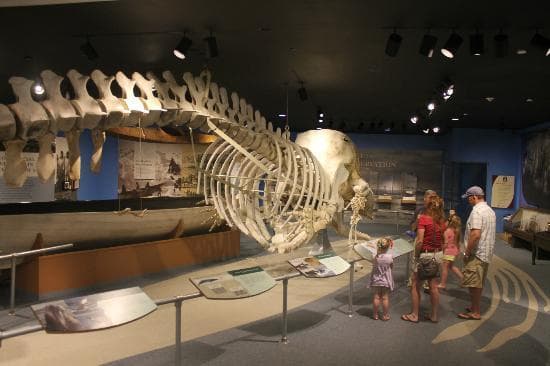
Visitors can step back in time at the New Bedford Whaling Museum, which houses an unparalleled collection of artifacts, scrimshaw, and ship models. The museum's centerpiece is the full-sized replica of the whaleship Wanderer. Nearby, the Seamen's Bethel stands as a testament to the spiritual lives of the mariners who risked everything at sea. This historic chapel, famously described in Herman Melville's Moby Dick, offered solace and community to sailors.
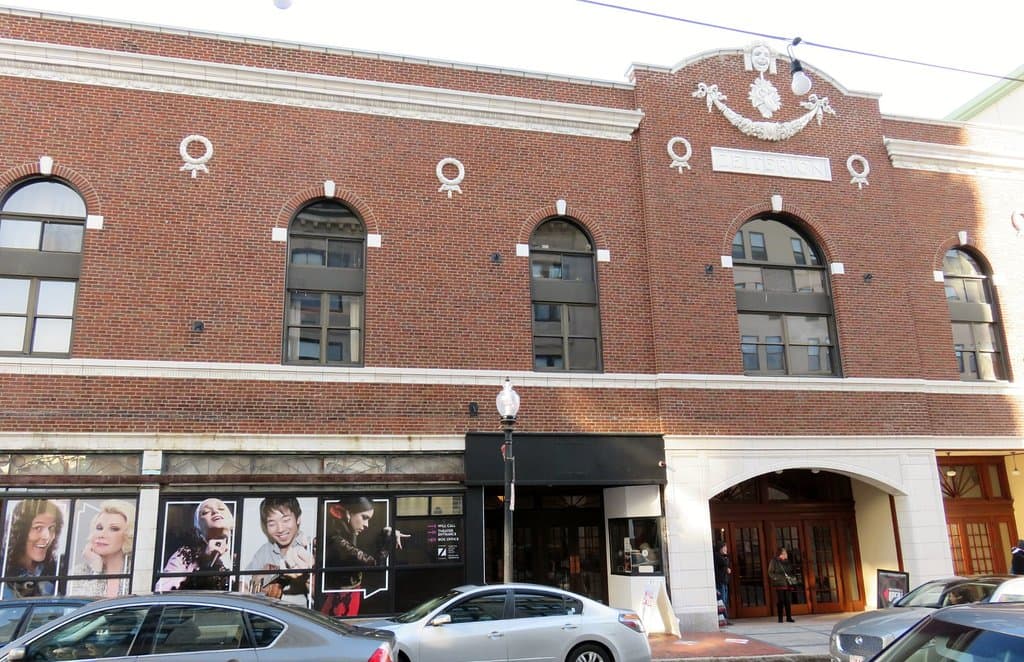
Exploring the streets around Union Street reveals the grandeur of the era, with well-preserved mansions that once belonged to wealthy whaling captains and merchants. These buildings, with their distinctive architectural styles, tell a story of prosperity and the city's pivotal role in maritime history. The entire corridor offers an immersive experience into a bygone era of American enterprise and adventure.
Exploring the Architecture of the Corridor
As you wander, pay attention to the materials used, such as granite, brick, and marble. The streetscapes are remarkably intact, offering a cohesive historical ambiance. Look for details like decorative cornices, cast-iron elements, and grand doorways. The preservation of these structures allows visitors to visualize the city as it was during its peak whaling years.
Beyond the grander mansions, the corridor also includes former commercial buildings, warehouses, and modest homes that collectively paint a picture of the diverse community that supported the whaling trade. This architectural continuity makes the Union Street Historic Corridor a living museum, inviting exploration and appreciation of its historical significance.



Social
from TikTok, Instagram & Reddit