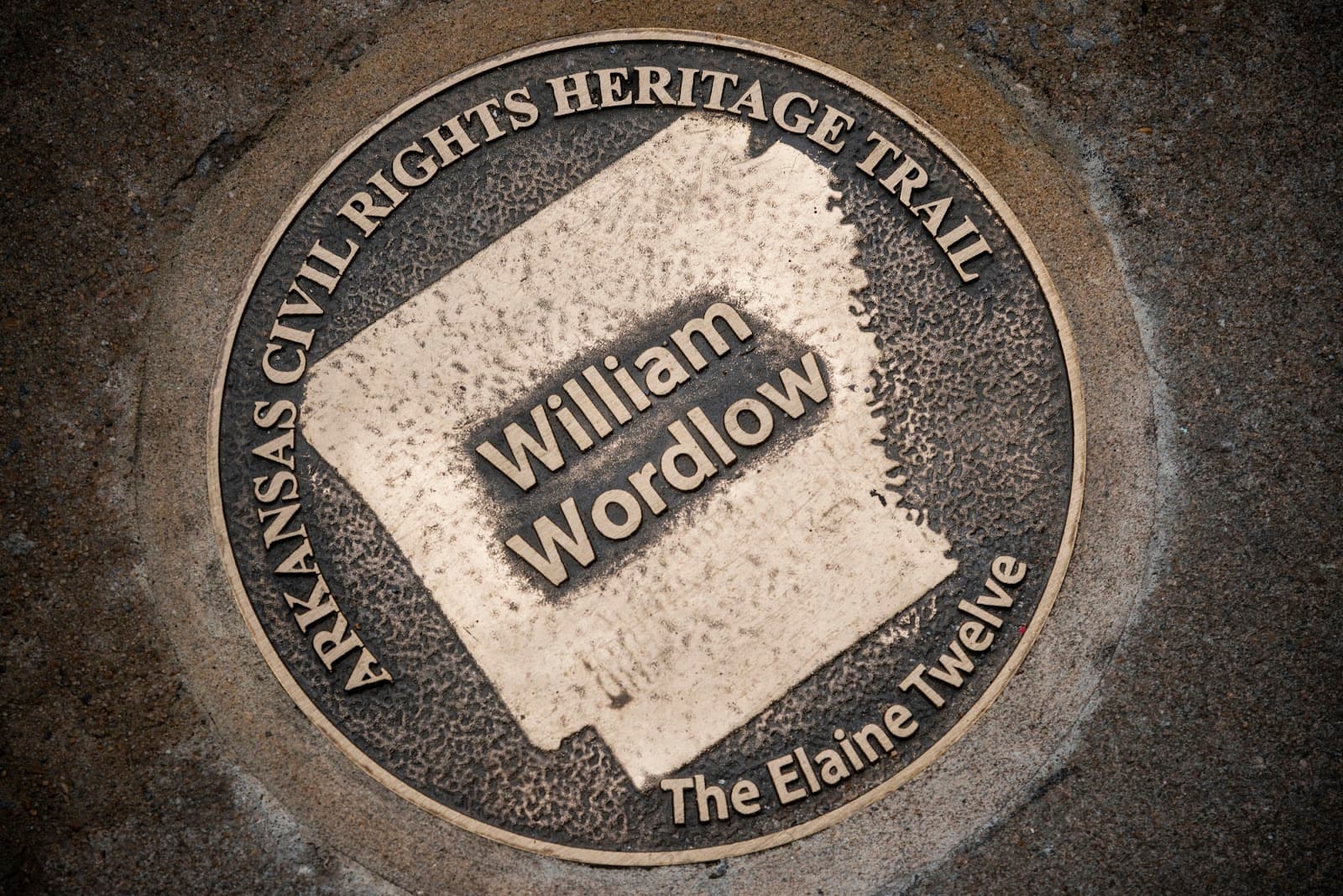
Arkansas Civil Rights Heritage Trail
A journey through pivotal moments of the Civil Rights Movement in Arkansas, honoring courage and the fight for equality.

Highlights
Must-see attractions

Social
From TikTok & Reddit
Best Time
Pleasant weather for exploring
Arkansas Civil Rights Heritage Trail
Best Time
Pleasant weather for exploring
Highlights
Must-see attractions
A journey through pivotal moments of the Civil Rights Movement in Arkansas, honoring courage and the fight for equality.
"A powerful and essential journey into the heart of the Civil Rights Movement in Arkansas."
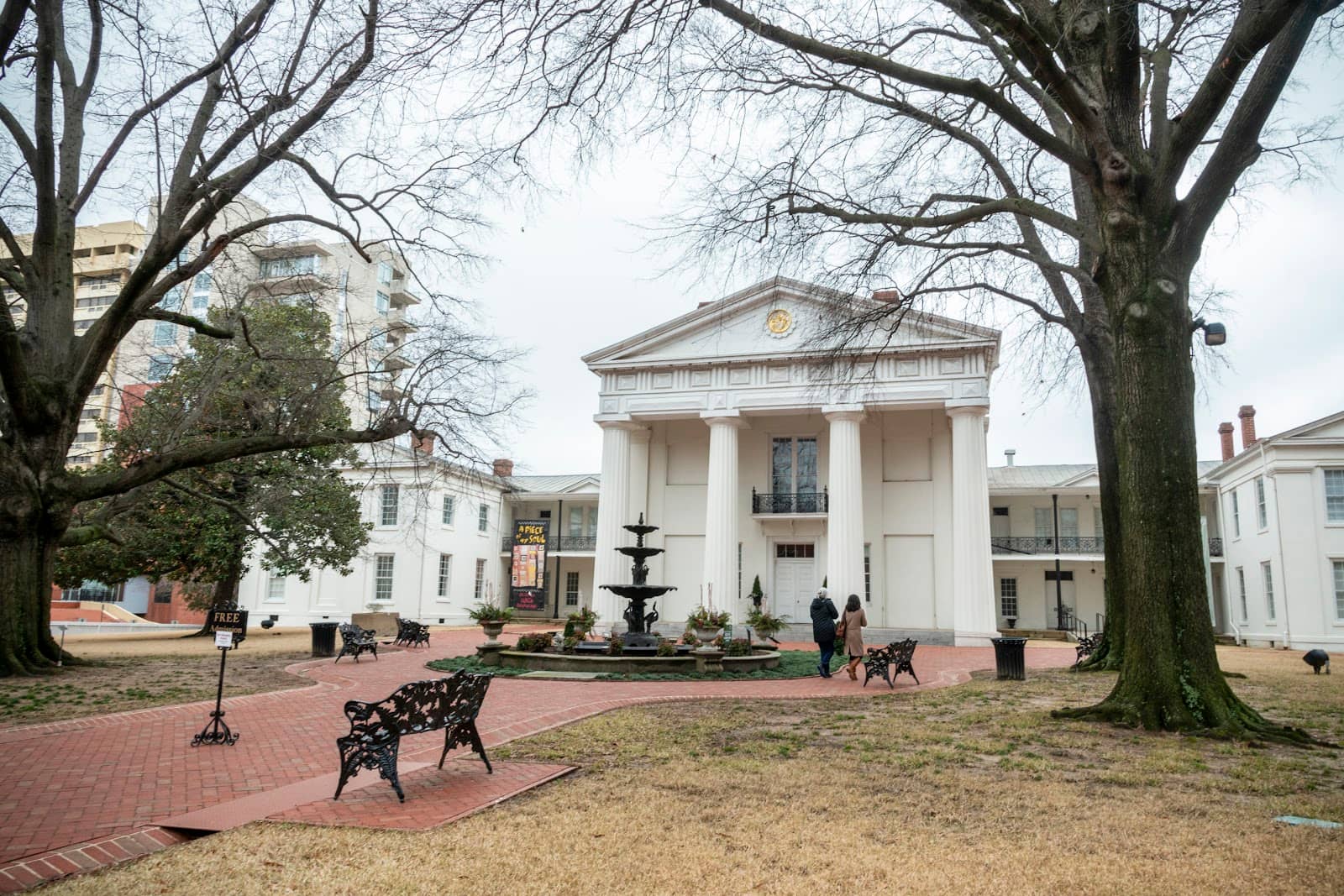
🗺️ Map Your Journey
Plan your route in advance as sites are spread across Arkansas. Use online maps to connect locations efficiently.
⏳ Allow Ample Time
Each site offers profound history. Don't rush; dedicate time to read, reflect, and absorb the significance.

Highlights
Discover the most iconic attractions and experiences
Little Rock Central High School
Little Rock
A National Historic Site, witness the iconic school where the Little Rock Nine bravely integrated in 1957.
Daisy Bates House
Little Rock
Visit the former home of the NAACP leader who guided the Little Rock Nine through their integration struggle.
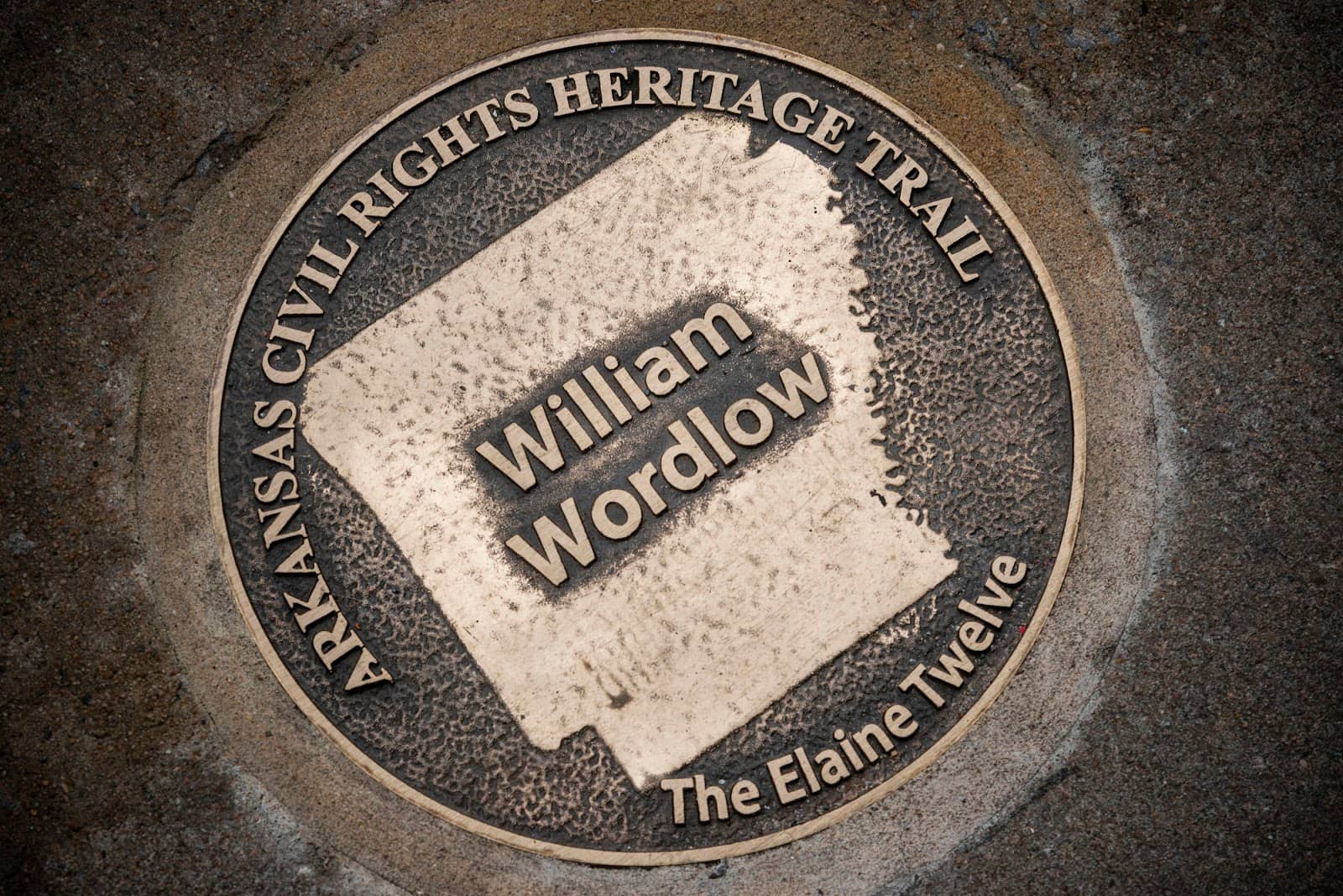
C.U.T. (Community Union of Tomorrow) Building
Little Rock
Explore this historic hub of activism and community organizing during the Civil Rights era.
Plans like a pro.
Thinks like you
Planning Your Visit
Plan Your Route
Embrace the History
Best Times
Insider Tips
from TikTok, Instagram & Reddit
🗺️ Map Your Journey
Plan your route in advance as sites are spread across Arkansas. Use online maps to connect locations efficiently.
⏳ Allow Ample Time
Each site offers profound history. Don't rush; dedicate time to read, reflect, and absorb the significance.
Trying to visit all the states in red and their capitals. 2-3 weeks to explore the red states, with the flexibility to add 1 week to explore any of the green states.
📚 Research Ahead
Understanding the historical context enhances the experience. Read up on key figures and events before you go.
👟 Wear Comfortable Shoes
You'll be doing a lot of walking and exploring various historical markers and buildings. :athletic_shoe:
Tips
from all over the internet
🗺️ Map Your Journey
Plan your route in advance as sites are spread across Arkansas. Use online maps to connect locations efficiently.
⏳ Allow Ample Time
Each site offers profound history. Don't rush; dedicate time to read, reflect, and absorb the significance.
📚 Research Ahead
Understanding the historical context enhances the experience. Read up on key figures and events before you go.
👟 Wear Comfortable Shoes
You'll be doing a lot of walking and exploring various historical markers and buildings. :athletic_shoe:
What Travellers Say
Reviews Summary
Visitors find the Arkansas Civil Rights Heritage Trail to be a profoundly moving and educational experience, offering a vital connection to American history. The significance of sites like Little Rock Central High School is consistently highlighted, though some note that planning is essential due to the dispersed nature of the trail.
What People Like
What People Dislike
Frequently Asked Questions
🚇 🗺️ Getting There
The trail is not a single location but a series of historical sites across Arkansas. It's best to research the specific sites you wish to visit and plan a driving route. Key locations are concentrated in cities like Little Rock, but others are spread out. Consider using a GPS or mapping app to connect the various points of interest.
Public transportation options vary by city. In Little Rock, local bus services may reach some sites, but for a comprehensive experience across multiple cities, a personal vehicle is highly recommended. Check local transit schedules for specific routes and availability.
Focus on a specific region, like Little Rock, to see multiple sites without extensive travel. For example, Central High School, the Daisy Bates House, and the C.U.T. Building are all in or near Little Rock and can be visited in a single day with careful planning.
While there isn't one single 'trail tour,' some individual sites, like Little Rock Central High School, offer guided tours. It's advisable to check the websites of specific locations for tour availability and booking information.
Driving distances can vary significantly. Sites within the same city might be a short drive apart, while visiting locations in different towns could involve hours of travel. Prioritize which sites are most important to you to manage driving time effectively.
🎫 🎫 Tickets & Entry
Most sites on the Arkansas Civil Rights Heritage Trail are free to visit, especially outdoor markers and historical buildings from the exterior. However, some locations, like museums or visitor centers within historical sites (e.g., Little Rock Central High School National Historic Site), may have specific hours or require advance booking for tours. Always check the official website of each site before your visit.
Operating hours vary greatly by location. Outdoor markers and historical exteriors are generally accessible at any time. For specific sites like the Little Rock Central High School National Historic Site visitor center, check their official hours online. It's wise to plan your visits during standard daytime hours.
The majority of the Arkansas Civil Rights Heritage Trail is accessible without admission fees. Many sites are historical markers, public buildings, or exteriors of significant locations. However, if a site includes a museum or dedicated interpretive center, there might be a fee or donation request.
Yes, many sites are accessible on weekends. However, be aware that popular locations like Little Rock Central High School may be busier on Saturdays and Sundays. Check individual site hours, as some may have reduced weekend hours or be closed on certain holidays.
Advance booking is generally not required for simply visiting the historical markers or viewing exteriors. However, if you plan to take a guided tour at a specific site, such as the visitor center at Little Rock Central High School, it's highly recommended to book in advance, especially during peak seasons.
🎫 🏛️ Onsite Experience
Many consider Little Rock Central High School the most significant site. It was the epicenter of the struggle to desegregate public schools in the South, famously marked by the bravery of the Little Rock Nine.
You'll encounter historical markers, significant buildings where key events occurred, former residences of civil rights leaders, and interpretive centers. Each site tells a part of the larger story of the fight for equality in Arkansas.
Take advantage of interpretive signage at each location. Many sites offer brochures or have visitor centers with exhibits. Doing some pre-trip research on the Civil Rights Movement in Arkansas will also greatly enhance your understanding.
Accessibility can vary. While many outdoor markers are accessible, some historical buildings may have limitations. It's best to check the specific accessibility information for each site you plan to visit, especially if you require accommodations.
Visiting these sites can be a deeply moving and emotional experience, as they represent significant struggles and triumphs. Be prepared for a powerful journey that connects you to a crucial period in American history.
📸 📸 Photography
Iconic spots like Little Rock Central High School offer powerful exterior shots. The Daisy Bates House and historical markers throughout the state also provide compelling visual narratives. Capture the architecture and any accompanying plaques for context.
Generally, photography is allowed at outdoor historical markers and exteriors of buildings. However, inside museums or interpretive centers, photography policies may vary. Always look for signage or ask staff if you're unsure.
Focus on capturing the historical architecture, the scale of the sites, and any details that speak to the events that transpired. Photos that convey a sense of place and historical weight will be most impactful.
While personal photos are common, it's important to be respectful of the solemn nature of these historical sites. Consider focusing on capturing the essence of the place rather than just yourself.
Early morning or late afternoon often provides the best natural light for photography, minimizing harsh shadows and creating a more atmospheric feel. Weekdays will also offer fewer people in your shots.
For Different Travelers
Tailored advice for your travel style
👨👩👧 Families with Kids
When visiting, consider age-appropriateness and prepare children for the historical context. Prioritize sites with more interpretive displays or visitor centers that can provide a more accessible narrative. Keep visits concise and focus on key takeaways to maintain engagement.
📚 History Enthusiasts
Consider dedicating multiple days to explore the various sites thoroughly. Researching the historical context beforehand will significantly enrich your experience. Look for opportunities to engage with interpretive materials and local historical societies for deeper insights.
Deep Dives
In-depth insights and expert knowledge
The Little Rock Nine and Central High School
Today, the school stands as a National Historic Site, offering visitors a chance to learn about this pivotal event. The visitor center provides exhibits and historical context, allowing you to understand the challenges faced by the students and the national implications of their actions. It's a place that powerfully illustrates the fight against segregation and the pursuit of justice.
Visiting Central High School is more than just seeing a building; it's about connecting with a critical chapter of American history. The experience can be deeply moving, offering profound insights into the courage and resilience of those who fought for civil rights.
Key Figures and Their Homes
Visiting the Daisy Bates House offers a glimpse into the personal dedication and leadership required to challenge systemic injustice. It's a place where crucial decisions were made and where the spirit of activism thrived. Understanding the personal sacrifices of leaders like Bates provides a deeper appreciation for the movement's progress.
Beyond Bates, the trail encompasses sites connected to other influential figures who contributed to the fight for civil rights in Arkansas. Exploring these locations allows for a more intimate understanding of the human element behind the historical events, highlighting the courage and determination of individuals who shaped a more equitable future.



Social
from TikTok, Instagram & Reddit