Manitou Passage Underwater Preserve Michigan
Explore submerged 19th-century shipwrecks in Lake Michigan's Manitou Passage Underwater Preserve. A diver's paradise steeped in maritime history.
Highlights
Must-see attractions

Social
From TikTok & Reddit
Best Time
Calm waters, best visibility
Manitou Passage Underwater Preserve Michigan
Best Time
Calm waters, best visibility
Highlights
Must-see attractions
Explore submerged 19th-century shipwrecks in Lake Michigan's Manitou Passage Underwater Preserve. A diver's paradise steeped in maritime history.
"Discover the haunting beauty of Lake Michigan's underwater historical treasures."
⚓️ Boat Access is Key
Access is primarily by boat. Charter a dive boat or bring your own. Plan your launch and retrieval carefully.
🤿 Check Visibility
Visibility varies greatly. Check local dive reports or ask charter captains for current conditions before heading out.
Quick Facts
Rating
5 · 1 reviews
Type
Tour Agency
Highlights
Discover the most iconic attractions and experiences
The Sweepstakes
Near the tip of the Leelanau Peninsula
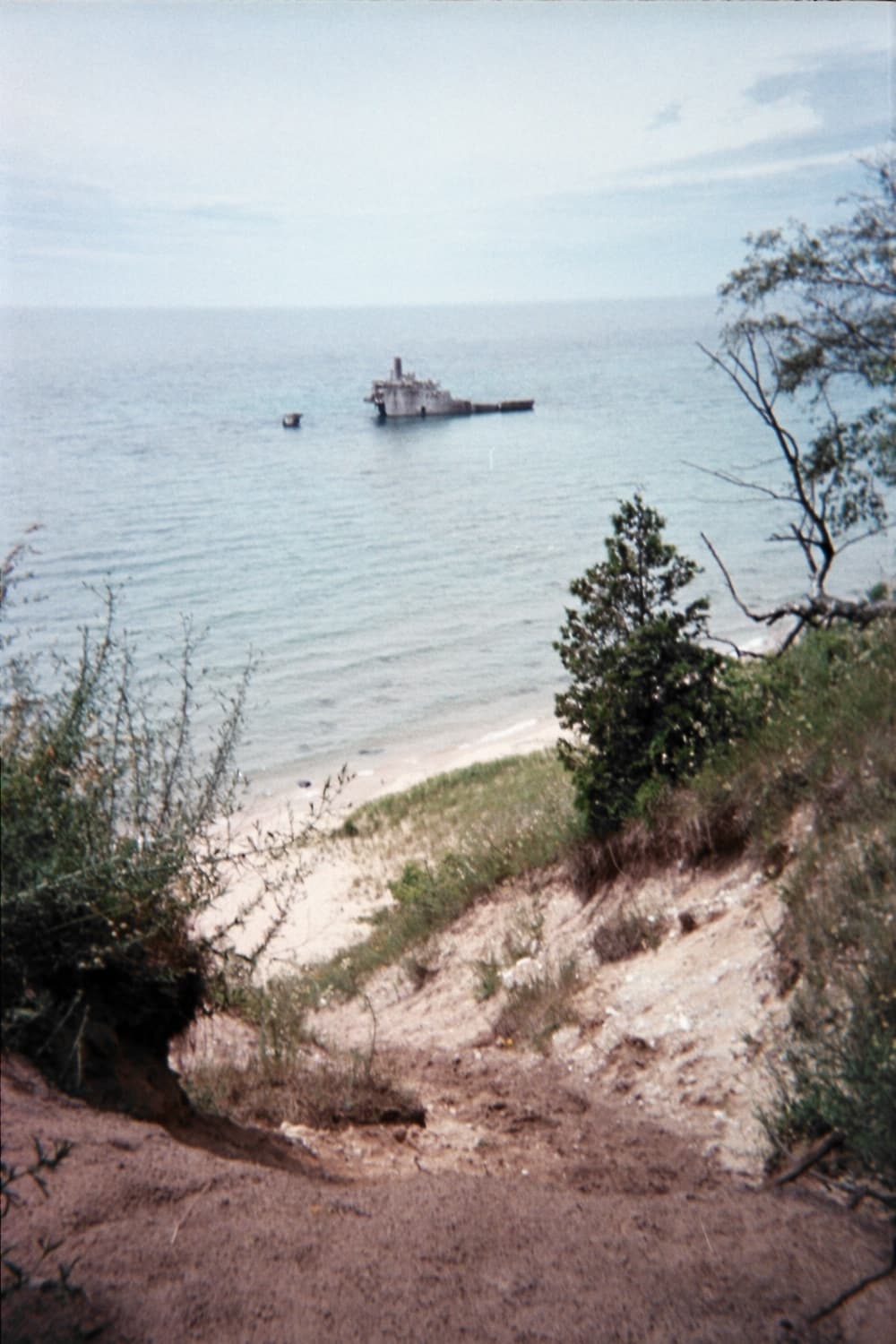
Explore the remarkably preserved 19th-century schooner, a popular wreck for divers.
The City of Grand Rapids
Near South Manitou Island
Discover the remains of a large steamer, offering a different diving experience.
Marine Life Encounters
Throughout the preserve
Observe diverse aquatic species thriving in the protected underwater environment.
Plans like a pro.
Thinks like you
Planning Your Visit
Dive into History
Respect the Preserve
Best Times
Insider Tips
from TikTok, Instagram & Reddit
⚓️ Boat Access is Key
Access is primarily by boat. Charter a dive boat or bring your own. Plan your launch and retrieval carefully.
🤿 Check Visibility
Visibility varies greatly. Check local dive reports or ask charter captains for current conditions before heading out.
📜 Know the Rules
This is a preserve. Do not disturb or remove artifacts. Respect the historical integrity of the wrecks.
🗺️ Use Dive Charts
Detailed dive charts are essential for locating the wrecks accurately. Many are marked with buoys.
Tips
from all over the internet
⚓️ Boat Access is Key
Access is primarily by boat. Charter a dive boat or bring your own. Plan your launch and retrieval carefully.
🤿 Check Visibility
Visibility varies greatly. Check local dive reports or ask charter captains for current conditions before heading out.
📜 Know the Rules
This is a preserve. Do not disturb or remove artifacts. Respect the historical integrity of the wrecks.
🗺️ Use Dive Charts
Detailed dive charts are essential for locating the wrecks accurately. Many are marked with buoys.
What Travellers Say
Reviews Summary
While the provided reviews are for a different experience (an ice cream sail), they highlight a positive sentiment towards enjoyable, memorable, and family-friendly activities with friendly crews. If applied to the Manitou Passage, one might infer a desire for well-guided, safe, and engaging experiences, especially for families.
"We really enjoyed this experience! The crew was really fun and friendly and competent. We did the Ice Cream sail and it was the perfect length and lots of fun for the kids. My youngest got a chance to steer the boat and both boys helped to raise the sails. It was a very memorable experience and a fun time for all of us! The Moomer’s Ice Cream was also delicious! We even lucked out to get to see the Blue Angels doing maneuvers over the lake!"
Randy Spaulding
What People Like
What People Dislike
Frequently Asked Questions
🚇 🗺️ Getting There
The preserve is located in Lake Michigan, west of the Leelanau Peninsula. Access is exclusively by boat. You'll need to launch from a marina in Leland, Northport, or Traverse City, or charter a dive boat.
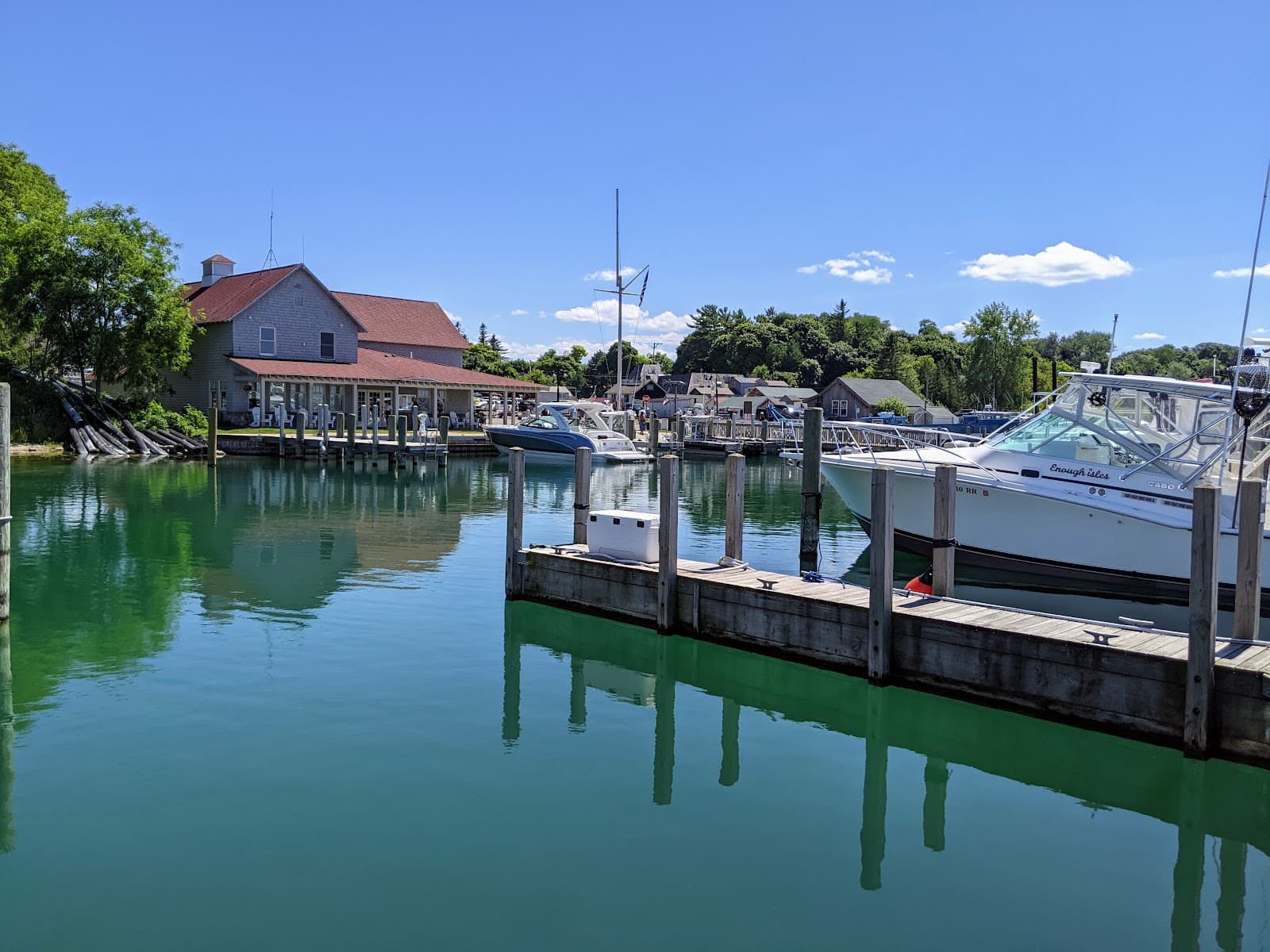
Leland Harbor is a popular and convenient launch point, offering good access to the southern parts of the preserve. Northport and Traverse City also provide access, though may require longer boat rides.
No, there is no public transportation that directly accesses the underwater preserve. A private boat or a chartered vessel is required for any visit.
Anchoring is permitted, but it's crucial to do so responsibly to avoid damaging the shipwrecks or the lakebed. Use designated mooring buoys if available, or anchor in sandy areas away from wreck sites.
The preserve extends several miles offshore. The exact distance varies depending on the specific wreck you are targeting, but expect to travel at least 5-10 miles from shore.
🎫 🎫 Tickets & Entry
No, there are no admission tickets or entry fees required to visit the Manitou Passage Underwater Preserve itself, as it is a natural and historical area. However, you will incur costs for boat launch, fuel, and potentially charter services.
Generally, no specific permits are required for recreational diving or snorkeling within the preserve for individuals. However, commercial operations or research activities may require permits. Always check with local authorities for the most current regulations.
The preserve is an open water area and does not have set operating hours. It is accessible whenever Lake Michigan is navigable and weather conditions permit safe boating and diving.
Yes, several dive charter companies operate out of nearby towns like Leland and Traverse City that offer guided tours and dive trips to the shipwrecks within the preserve. Booking in advance is highly recommended, especially during peak season.
There is no entrance fee for the Manitou Passage Underwater Preserve. The costs associated with visiting are related to your transportation (boat fuel, launch fees) and any guided services you choose.
🎫 🤿 Onsite Experience
The most popular wrecks include the schooner Sweepstakes, the steamer City of Grand Rapids, and the schooner Lucia. Each offers a unique historical and diving experience.
Visibility can range from excellent (50+ feet) on clear days to poor (less than 10 feet) after storms or during algal blooms. Summer mornings often offer the best conditions.
While primarily a diving destination, some shallower wrecks or areas near shore might be suitable for snorkeling on very calm days. However, it's generally recommended for experienced divers due to depth and conditions.
You can encounter various fish species common to the Great Lakes, including perch, walleye, and lake trout. The wrecks also provide habitat for invertebrates and aquatic plants.
No, there are no facilities within the underwater preserve itself. All amenities, including restrooms, food, and emergency services, are located on the mainland in nearby towns.
📸 📸 Photography
The Sweepstakes and the City of Grand Rapids are excellent for photography due to their size and preservation. Their structures offer interesting compositions.
For underwater photography, a good quality underwater camera or a DSLR with a waterproof housing is essential. Wide-angle lenses are great for capturing the scale of the wrecks.
Natural light can be limited underwater. Consider using strobes or video lights to illuminate your subjects and bring out the colors of the wrecks and marine life.
Popular shots include wide views of the entire wreck, close-ups of unique features like anchors or cannons, and shots that incorporate divers for scale.
Challenges include variable visibility, cold water temperatures requiring thick gloves, and the need for precise buoyancy control to avoid damaging the fragile wreck sites.




Social
from TikTok, Instagram & Reddit