
Kaelepulu Wetland
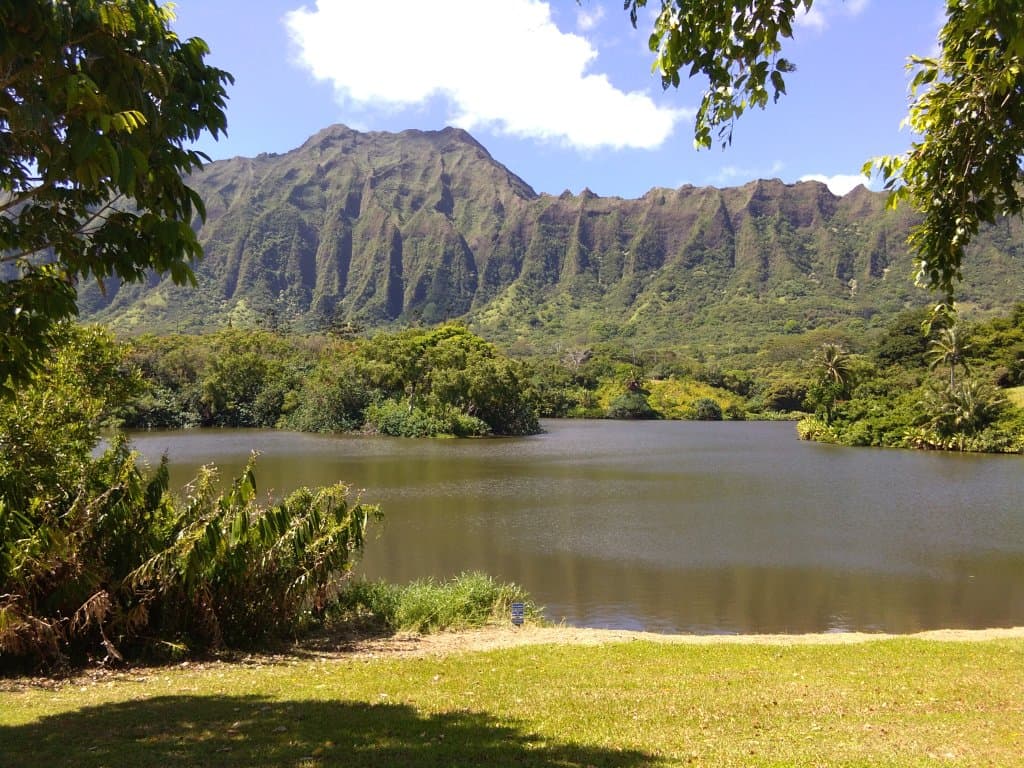
A tranquil freshwater marsh on Oahu, Kaelepulu Wetland is a haven for diverse birdlife and a peaceful escape for nature lovers.
Highlights
Must-see attractions

Social
From TikTok & Reddit
Best Time
Best for bird activity
Kaelepulu Wetland
Best Time
Best for bird activity
Highlights
Must-see attractions
A tranquil freshwater marsh on Oahu, Kaelepulu Wetland is a haven for diverse birdlife and a peaceful escape for nature lovers.
"A serene natural gem perfect for birdwatching and quiet contemplation."

🥾 Wear Sturdy Shoes
Paths can be muddy; water shoes or sturdy walking shoes are recommended for exploring Kaelepulu Wetland.
🦟 Bring Insect Repellent
Mosquitoes can be present, especially during warmer months. Pack repellent to ensure a comfortable visit.

Highlights
Discover the most iconic attractions and experiences

Birdwatching Paradise
Throughout the wetland
Spot a variety of native and migratory birds in their natural habitat. A haven for avian enthusiasts!
Tranquil Boardwalks
Main trails
Stroll along scenic boardwalks offering serene views of the lush wetland ecosystem.
Peaceful Escape
Various viewpoints
Find a quiet spot to relax and soak in the natural beauty and peaceful atmosphere.
Plans like a pro.
Thinks like you
Planning Your Visit
Timing is Key for Kaelepulu Wetland
What to Wear and Bring
Best Times
Insider Tips
from TikTok, Instagram & Reddit
🥾 Wear Sturdy Shoes
Paths can be muddy; water shoes or sturdy walking shoes are recommended for exploring Kaelepulu Wetland.
🦟 Bring Insect Repellent
Mosquitoes can be present, especially during warmer months. Pack repellent to ensure a comfortable visit.
🔭 Pack Binoculars
Enhance your birdwatching experience by bringing binoculars to get a closer look at the diverse avian life.
💧 Stay Hydrated
Carry a reusable water bottle, especially during warmer days, to stay refreshed while enjoying the wetland.
Tips
from all over the internet
🥾 Wear Sturdy Shoes
Paths can be muddy; water shoes or sturdy walking shoes are recommended for exploring Kaelepulu Wetland.
🦟 Bring Insect Repellent
Mosquitoes can be present, especially during warmer months. Pack repellent to ensure a comfortable visit.
🔭 Pack Binoculars
Enhance your birdwatching experience by bringing binoculars to get a closer look at the diverse avian life.
💧 Stay Hydrated
Carry a reusable water bottle, especially during warmer days, to stay refreshed while enjoying the wetland.
What Travellers Say
Reviews Summary
Visitors consistently praise Kaelepulu Wetland for its serene natural beauty and abundant birdlife, offering a peaceful escape. It's a highly recommended spot for nature lovers and photographers seeking tranquility away from more crowded attractions. Some visitors note the limited facilities and potential for muddy paths, advising preparedness.
"Awesome"
shintani shayne
""
Branden Kamealoha
""
Steven
What People Like
What People Dislike
Frequently Asked Questions
🚇 🗺️ Getting There
Kaelepulu Wetland is located in Kailua, Oahu. Driving is the most common way to access it. There is limited parking available near the entrances. Public transportation options might be available but can be less direct.
While public transport serves the Kailua area, direct routes to the wetland's immediate vicinity might be limited. It's advisable to check local bus schedules for the most up-to-date information.
Parking is typically available in small lots near the main access points. It can fill up quickly, especially during peak times, so arriving early is recommended.
Yes, biking is a great option if you are in the Kailua area. There are usually bike racks available, allowing you to secure your bicycle while you explore the wetland.
Absolutely! Kaelepulu Wetland makes for a wonderful day trip from Honolulu, offering a peaceful natural escape. The drive is scenic and takes about 30-45 minutes depending on traffic.
🎫 🎫 Tickets & Entry
Kaelepulu Wetland is generally free to enter, making it an accessible natural attraction for everyone. Always check official park websites for any potential changes.
The wetland is typically open from dawn until dusk. However, it's best to confirm specific hours with local authorities or park management before your visit.
No, advance booking is not usually required as there is no entrance fee. You can visit Kaelepulu Wetland spontaneously.
While official guided tours might not be consistently offered, local nature groups or conservation organizations sometimes host special events. Keep an eye on local event listings.
The best way to experience Kaelepulu Wetland is by walking the boardwalks and trails, observing the diverse birdlife, and enjoying the serene natural environment.
🎫 🧭 Onsite Experience
Kaelepulu Wetland is a haven for birdwatchers, home to various native and migratory species. You might spot Hawaiian coots, stilts, ducks, and numerous other waterbirds. Keep an eye out for other small creatures too!
Yes, Kaelepulu Wetland features well-maintained boardwalks and walking trails that allow visitors to explore the area safely and enjoy the scenery without disturbing the ecosystem.
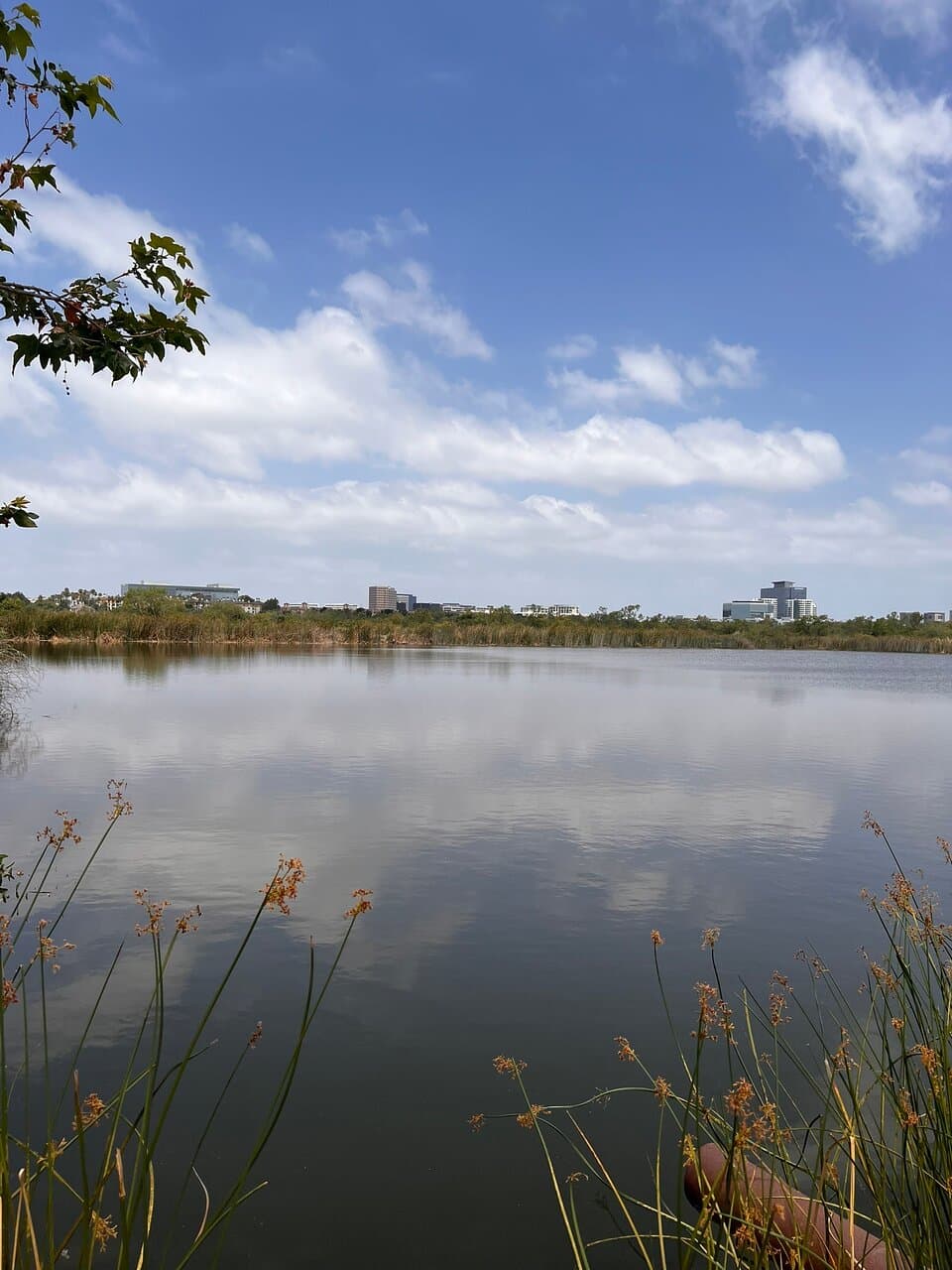
Absolutely! The lush greenery, diverse birdlife, and tranquil water reflections make Kaelepulu Wetland a fantastic spot for nature photography. Early morning and late afternoon offer the best light.
Fishing and swimming are generally not permitted in Kaelepulu Wetland to protect the delicate ecosystem and its inhabitants. It's primarily a place for observation and nature appreciation.
Facilities are usually minimal to preserve the natural state. You might find informational signage and trash receptacles. Restrooms are typically not available directly within the wetland area.
📸 📸 Photography
The golden hours, shortly after sunrise and before sunset, offer the most beautiful light for photography at Kaelepulu Wetland. This is when the colors are richest and shadows are soft.
A telephoto lens is highly recommended for capturing birdlife. A wide-angle lens can be useful for landscape shots of the wetland. Don't forget a polarizing filter to enhance water reflections and sky.
The boardwalks offer elevated views perfect for capturing the expanse of the wetland and its inhabitants. Look for areas with clear water reflections and good perching spots for birds.
Always maintain a respectful distance from wildlife. Avoid using flash, as it can disturb the birds. Patience is key to capturing great wildlife shots.
Drone usage is often restricted in natural reserves and parks to protect wildlife and maintain a peaceful environment. It's crucial to check local regulations before flying a drone.
For Different Travelers
Tailored advice for your travel style
👨👩👧 Families with Kids
Tips for families:
* Bring binoculars: Kids love using them to get a closer look at birds.
* Go early: Avoid the midday heat and see more active wildlife.
* Talk about conservation: Use the visit as a teachable moment about protecting natural habitats.
🚶♀️ Nature Walkers & Birdwatchers
Recommendations:
* Visit during migration seasons: For a chance to see a wider variety of migratory birds.
* Bring your camera and field guide: Document your sightings and learn more about the species.
Deep Dives
In-depth insights and expert knowledge
Exploring the Ecosystem of Kaelepulu Wetland
Conservation efforts are ongoing to protect and restore the wetland. These efforts often involve managing invasive species and ensuring water quality. The presence of various wading birds, waterfowl, and shorebirds indicates a healthy ecosystem. Birdwatchers often flock to Kaelepulu Wetland for its rich avian population, making it a significant spot for nature observation and education.
When visiting, remember that you are a guest in a sensitive habitat. Stick to marked paths to avoid disturbing the wildlife and vegetation. The tranquil atmosphere of Kaelepulu Wetland offers a unique opportunity to connect with nature and appreciate the natural beauty of Oahu away from the bustling tourist spots.
Birdwatching at Kaelepulu Wetland
Commonly sighted species include the Hawaiian Coot, Hawaiian Stilt, various duck species like the Northern Shoveler and American Wigeon, and numerous shorebirds. Keep an eye out for the striking plumage of the Hawaiian Black-necked Stilt or the energetic movements of the Hawaiian Coot. The best times for birdwatching are typically early morning and late afternoon when birds are most active.
To enhance your birdwatching experience, bring a good pair of binoculars and a field guide to identify the species you encounter. Patience is key, as some birds can be elusive. The quiet environment of the wetland allows for peaceful observation, making it a rewarding experience for nature lovers.

Social
from TikTok, Instagram & Reddit