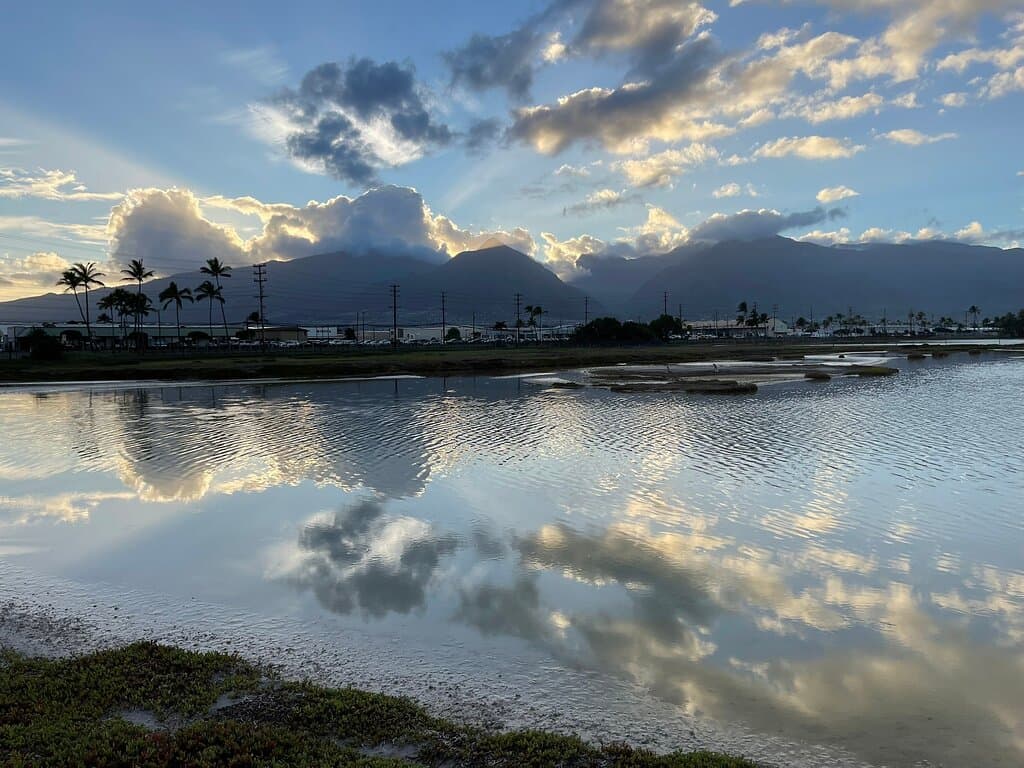
Kanaha Pond State Wildlife Sanctuary Maui
A serene wetland sanctuary on Maui, home to indigenous birds and rich historical significance. Ideal for quiet birdwatching.
Highlights
Must-see attractions

Social
From TikTok & Reddit
Best Time
Peak bird activity
Kanaha Pond State Wildlife Sanctuary Maui
Best Time
Peak bird activity
Highlights
Must-see attractions
A serene wetland sanctuary on Maui, home to indigenous birds and rich historical significance. Ideal for quiet birdwatching.
"Wonderful, simple, convenient location to birdwatch. A peaceful haven for avian life."
🤫 Be Quiet & Observe
Keep noise to a minimum to avoid disturbing the birds. Enjoy the peaceful sounds of nature.
🚶 Stay on Paths
Designated walkways ensure you don't disturb the delicate ecosystem.
Highlights
Discover the most iconic attractions and experiences
Brackish Water Ponds
Main sanctuary area
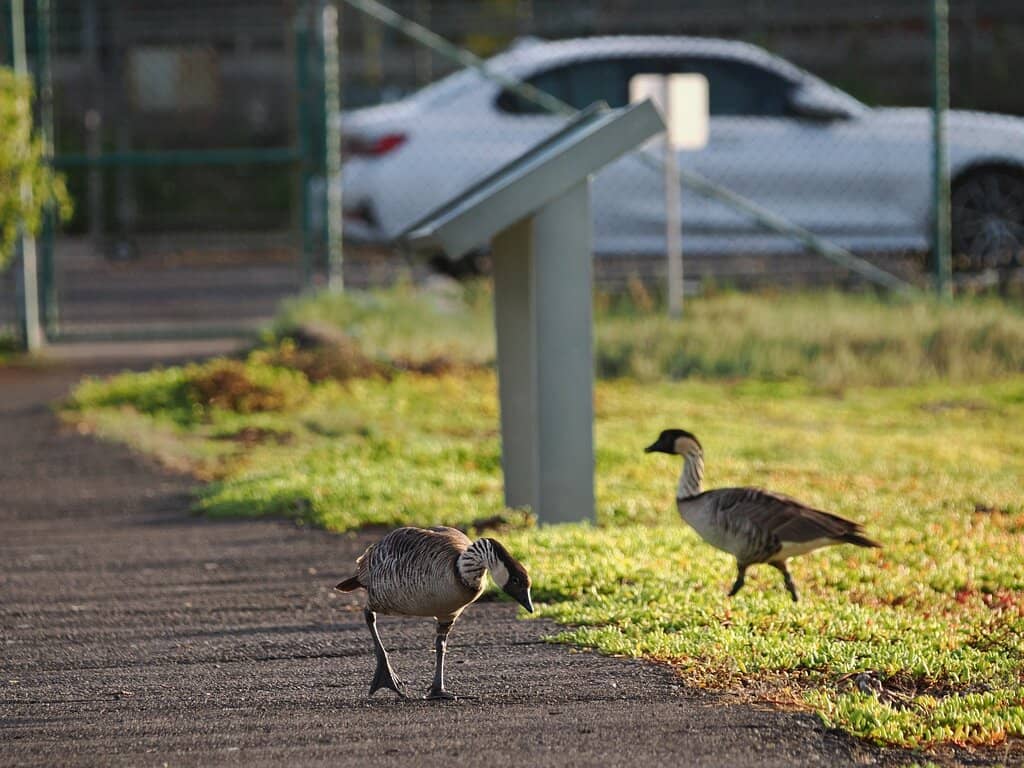
Observe diverse indigenous and migratory birds in their natural wetland habitat. A peaceful haven for avian life.
Covered Lookout Area
End of the pathway
A central point offering 360-degree views of the ponds, perfect for quiet birdwatching and reflection.
Historical Significance
Interpretive information
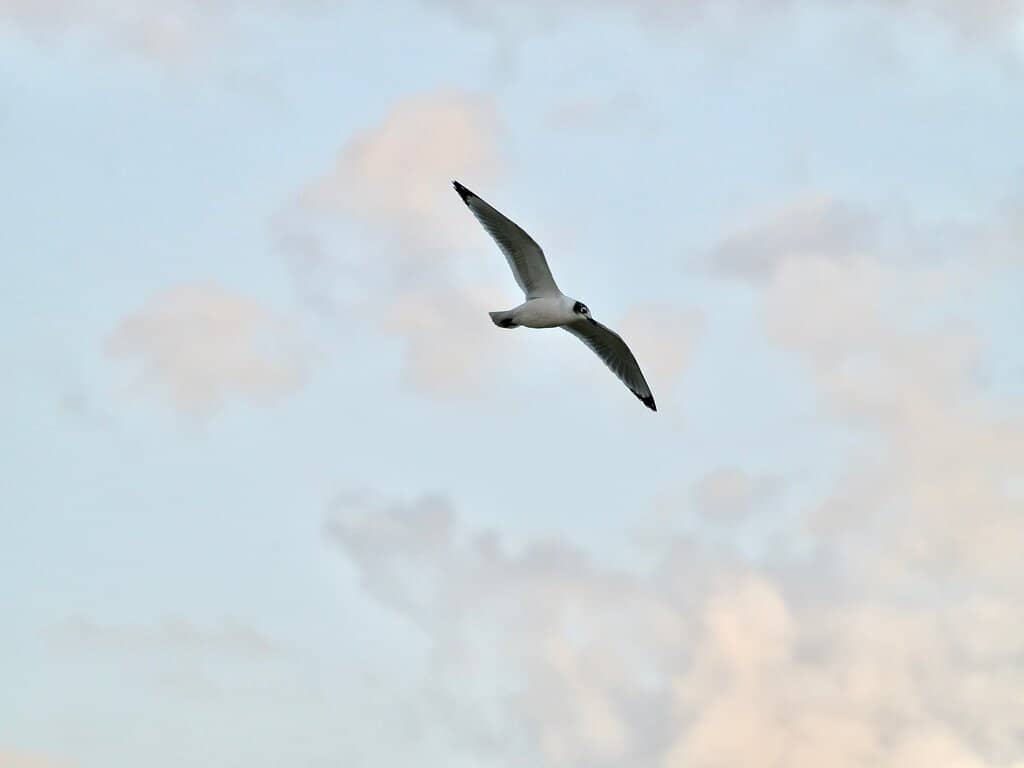
Learn about ancient Hawaiian fish cultivation and the sanctuary's transformation into a protected natural landmark.
Plans like a pro.
Thinks like you
Planning Your Visit
Timing is Key for Birdwatching
Respect the Sanctuary's Peace
Best Times
Insider Tips
from TikTok, Instagram & Reddit
🤫 Be Quiet & Observe
Keep noise to a minimum to avoid disturbing the birds. Enjoy the peaceful sounds of nature.
🚶 Stay on Paths
Designated walkways ensure you don't disturb the delicate ecosystem.
🔒 Close the Gate
Always ensure the entrance gate is securely latched behind you.
☀️ Visit During Cooler Hours
Mornings and late afternoons are best for comfortable viewing and more active birds.
Tips
from all over the internet
🤫 Be Quiet & Observe
Keep noise to a minimum to avoid disturbing the birds. Enjoy the peaceful sounds of nature.
🚶 Stay on Paths
Designated walkways ensure you don't disturb the delicate ecosystem.
🔒 Close the Gate
Always ensure the entrance gate is securely latched behind you.
☀️ Visit During Cooler Hours
Mornings and late afternoons are best for comfortable viewing and more active birds.
What Travellers Say
Reviews Summary
Visitors appreciate Kanaha Pond for its convenient location and role as a peaceful birdwatching spot. While some find it lacking in activities for a longer stay, others value its historical significance and the opportunity to observe local wildlife in a protected natural setting. It's best suited for a brief, quiet visit focused on nature observation.
"Beautiful places for the birdies ! Not much to see and not much to do ! Not a place to spend a good time at ! We just stay there for 5 minutes and then we were bored and went away !"
Shellie S.
"Wonderful, simple, convenient location to birdwatch. Asphalt surfaced parking lot is convenient. A Walkway allows for convenient birdwatching."
Robert Kirtland
"We decided to play "tourist" one Sunday afternoon which brought me and two of my buddies here. I've driven by it a million times but never stopped to observe, let alone learn its history.
THE GOOD 'OL DAYS:
The brackish water ponds of Kanaha are actually one of two (the other is called Mauoni) swampy marshlands that spanned from its current location all the way west to where Queen Kaahumanu Center is now. Ancient Hawaiians used portions of it for fish cultivation when ocean fishing was prohibited during the spawning season.
Most of the ponds naturally dried up or were filled in with debris dredged from Kahului Harbor back in the early 1900's. The (now defunct) Hawaiian Commercial & Sugar (HC&S) company donated the land to the US Navy. The pond was then deemed a wildlife sanctuary in the 1950's, and a registered natural landmark in 1971. It is home to Hawaiian Stilts & Coots, and other migratory birds that flock to its safe haven.
CURRENT DAY:
The sanctuary is now under State of Hawaii jurisdiction. Entry is free. A single pathway leads to a small covered lookout area that offers a 360-degree view of the ponds. Though there wasn't much to see in terms of fowl, learning about its history was priceless to me.
TIPS:
If you look around the Kahului Industrial Area, you'll still see manmade canals in between the developed areas that are filled with the same stagnant water seeping from underneath coral-filled Kahului that leads to the current wildlife sanctuary.
Be sure to close and latch the fence behind you!
OVERALL:
Portions of old Hawaii still can be experienced."
Maui World Travelers
What People Like
What People Dislike
Frequently Asked Questions
🚇 🗺️ Getting There
The sanctuary is conveniently located near Kahului Airport. It has an asphalt-surfaced parking lot, making it easily accessible.
Yes, there is a convenient asphalt-surfaced parking lot available for visitors.
While the sanctuary itself has a pathway, access to it would depend on your starting point. It's generally best reached by car due to its location near the industrial area.
A dedicated walkway leads directly into the sanctuary, providing convenient access to the ponds for birdwatching.
Yes, its proximity to Kahului Airport makes it a relatively easy stop for travelers.
🎫 🎫 Tickets & Entry
No, entry to the sanctuary is free for all visitors.
The sanctuary is generally accessible during daylight hours, though specific official hours are not always posted. Early mornings and late afternoons are recommended for birdwatching.
No advance booking is required as there is no entrance fee. You can visit anytime during daylight hours.
While not strictly enforced, it's best to visit during daylight hours for safety and optimal birdwatching.
Yes, you can visit on weekends. Sunday afternoons have been mentioned as a time for local visits.
🎫 🐦 Onsite Experience
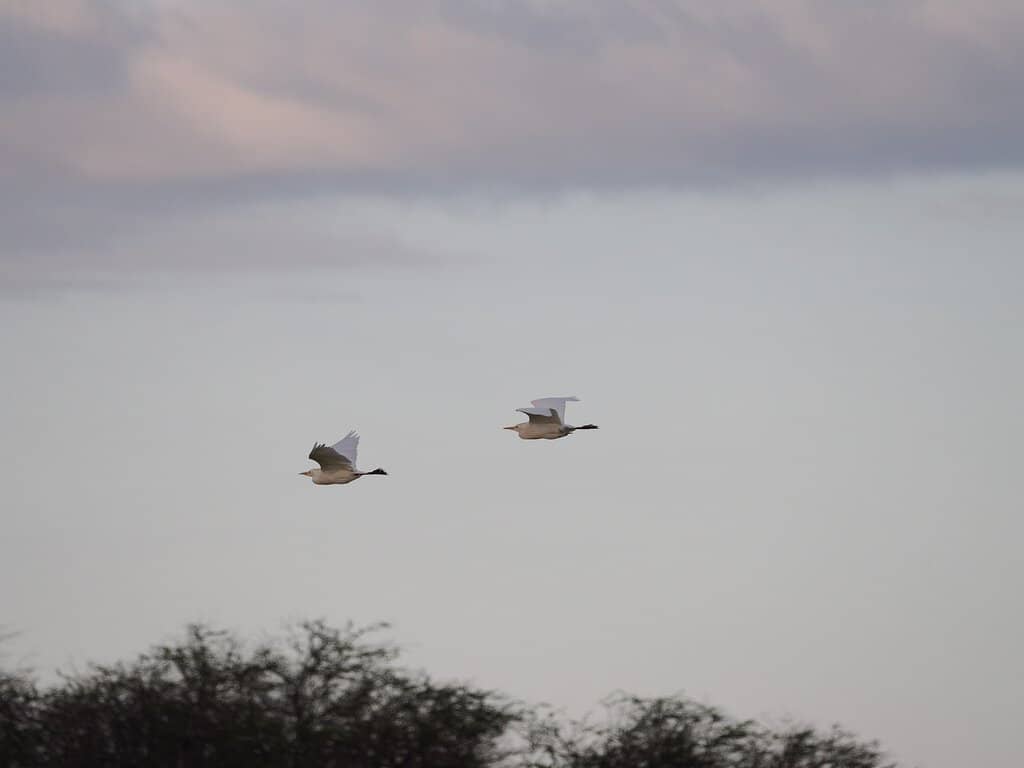
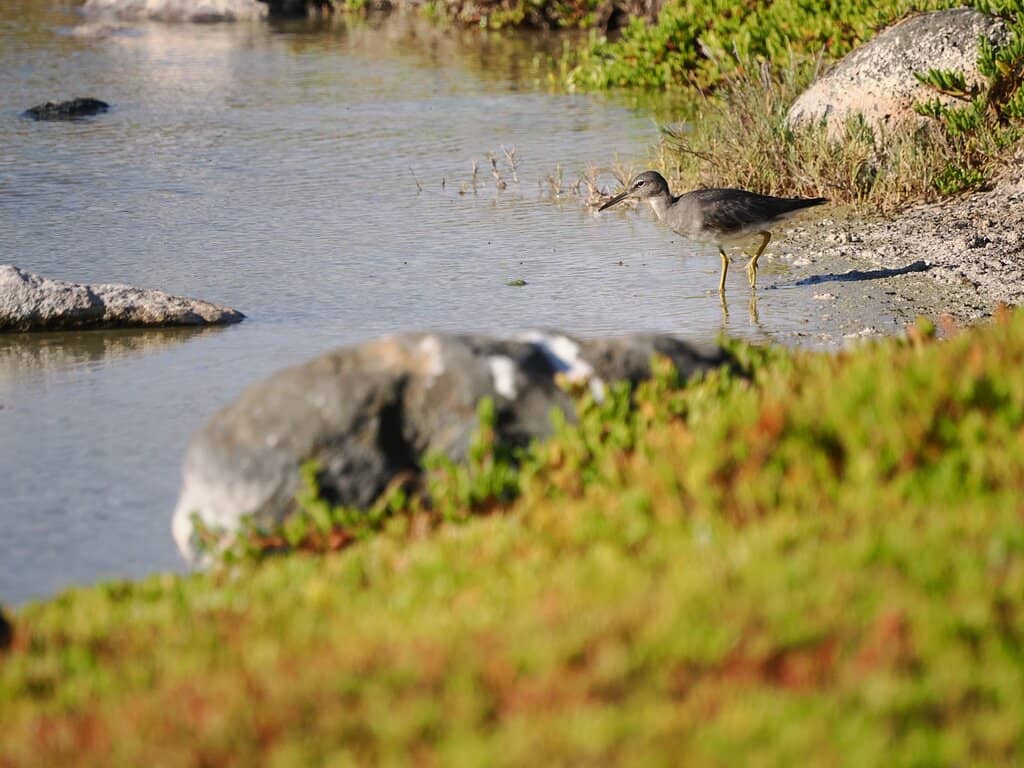
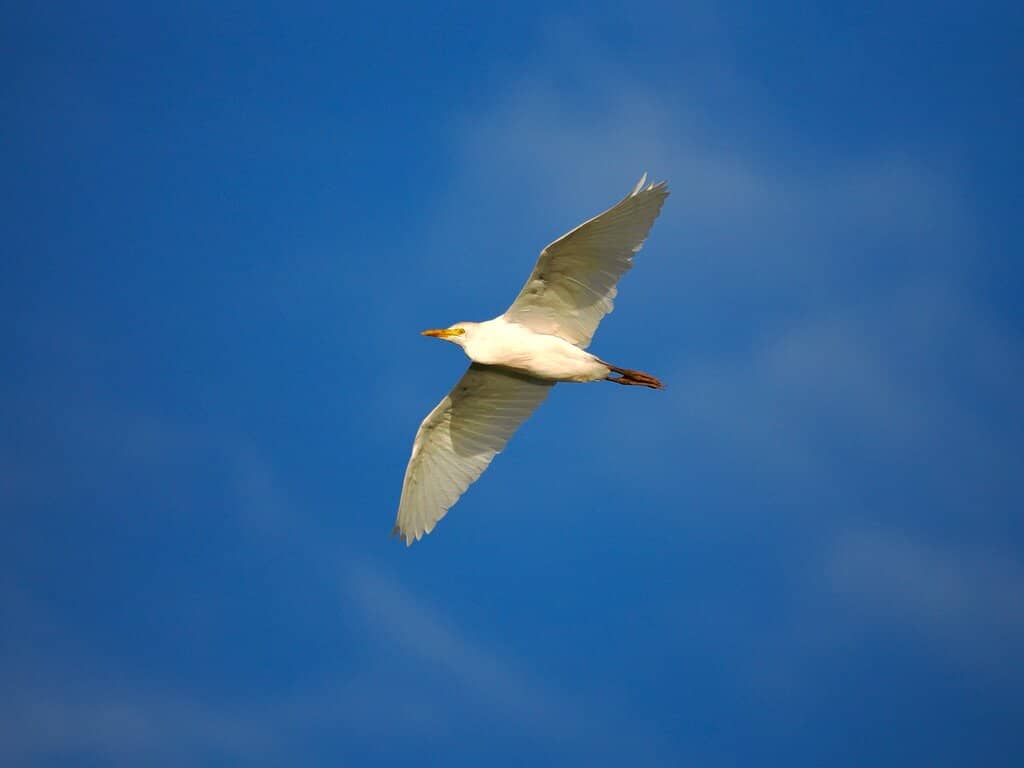
The sanctuary is home to Hawaiian Stilts & Coots, along with various other indigenous and migratory birds that flock to this safe haven.
The primary activity is birdwatching. There's a pathway leading to a covered lookout area for observation.
Yes, a single pathway leads through the sanctuary to a small covered lookout area.
The sanctuary offers a parking lot and a covered lookout area. There are no extensive facilities.
Many visitors find it a place for a short, peaceful observation, with some noting they were bored after a short time. It's ideal for a quick birdwatching stop.
📸 📸 Photography
The covered lookout area provides a good vantage point for photographing the ponds and any birds present.
You can capture images of wetland birds, the unique brackish water ponds, and the surrounding natural landscape.
Bird photography can be challenging due to distance and bird movement, but the peaceful environment allows for patient observation.
Bring a zoom lens for bird photography. Early morning or late afternoon light can offer beautiful photographic opportunities.
Drone usage is generally restricted in wildlife sanctuaries to protect the animals. It's best to check local regulations before flying.
For Different Travelers
Tailored advice for your travel style
👨👩👧 Families with Kids
While it might not hold the attention of very young children for extended periods due to its quiet nature, it's perfect for a brief stop to observe birds and discuss their habitats. Remind children to be quiet and respectful of the sanctuary's inhabitants. The historical context of the ponds can also be a simple lesson in how the land has changed over time.
🚶 Solo Travelers & Nature Enthusiasts
Bring your binoculars and a field guide to identify the various species. The historical insights available add another layer of appreciation for the site. It's an ideal spot for photographers looking for unique wetland bird shots or anyone seeking a moment of tranquility.
Deep Dives
In-depth insights and expert knowledge
A Glimpse into Kanaha's Past
The land later came under the ownership of the Hawaiian Commercial & Sugar (HC&S) company, which donated it to the U.S. Navy. Recognizing its ecological importance, the pond was officially designated a wildlife sanctuary in the 1950s and later became a registered natural landmark in 1971. Today, it continues to be managed by the State of Hawaii, preserving a crucial habitat for its avian residents.
Even in the developed Kahului Industrial Area, remnants of this historical wetland system can be observed. Man-made canals between buildings still carry stagnant water that seeps from beneath the coral-filled ground, eventually leading to the current wildlife sanctuary. These canals serve as a subtle reminder of the area's once extensive marshy nature and the ongoing connection to the natural water systems.
Birdwatching at Kanaha Pond
Visitors can expect to see a range of waterbirds, shorebirds, and potentially migratory species depending on the season. The best times for birdwatching are typically during the cooler parts of the day, such as early mornings and late afternoons, when birds are most active. The sanctuary's simple setup, with a pathway and a lookout area, allows for quiet observation and appreciation of the natural spectacle.
While the sanctuary is a haven for birds, it's important for visitors to be mindful of their presence. Maintaining a quiet demeanor and staying on designated paths are crucial to avoid disturbing the wildlife. Bringing binoculars can greatly enhance the birdwatching experience, allowing for closer views of the feathered inhabitants in their natural habitat.


Social
from TikTok, Instagram & Reddit