
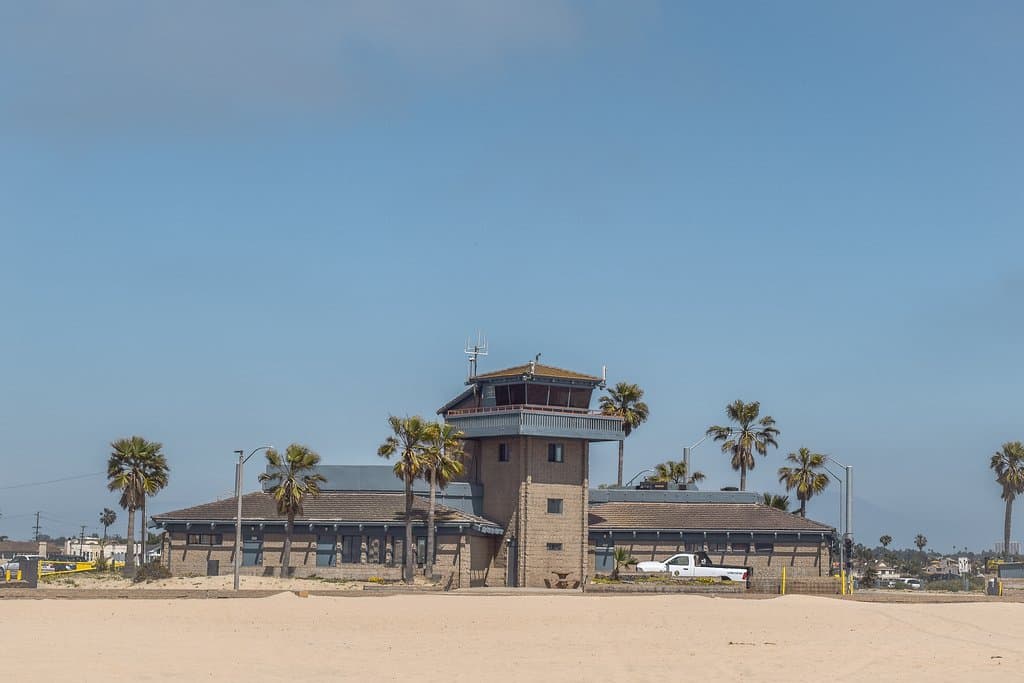
Wetlands & Wildlife Care Center Huntington Beach
A dedicated center for rescuing, rehabilitating, and releasing injured and orphaned local wildlife, offering a second chance at life.
Highlights
Must-see attractions

Social
From TikTok & Reddit
Best Time
Fewer visitors, more staff interaction
Wetlands & Wildlife Care Center Huntington Beach
Best Time
Fewer visitors, more staff interaction
Highlights
Must-see attractions
A dedicated center for rescuing, rehabilitating, and releasing injured and orphaned local wildlife, offering a second chance at life.
"While some praise dedicated volunteers, others express heartbreak over euthanasia practices and transparency concerns."
📞 Call Before You Come
Always call ahead to discuss the animal's condition and get advice before bringing it in. :telephone_receiver:
💖 Support Their Work
Donations are crucial for their operations. Consider contributing to help care for the animals. :heart:

Highlights
Discover the most iconic attractions and experiences
Wildlife Rehabilitation
Witness the dedication of volunteers caring for injured and orphaned local wildlife, offering a second chance at life.
Educational Insights
Learn about local wildlife, common threats, and the importance of conservation from knowledgeable staff and volunteers.
Plans like a pro.
Thinks like you
Planning Your Visit
Understanding Their Mission
When to Seek Help
Best Times
Insider Tips
from TikTok, Instagram & Reddit
Pigeon needs help
📞 Call Before You Come
Always call ahead to discuss the animal's condition and get advice before bringing it in. :telephone_receiver:
💖 Support Their Work
Donations are crucial for their operations. Consider contributing to help care for the animals. :heart:
Southern California wildlife center treating dozens of pelicans sickened in mass-stranding event
Is there a wildlife rescue near Irvine I can take this guy too?
❓ Ask About Outcomes
If you have concerns about an animal's fate, politely inquire about their rehabilitation and release prospects. :question:
📚 Learn About Local Wildlife
Engage with staff to understand the species they care for and their ecological roles. :books:
California wildlife center treating dozens of pelicans sickened in mass-stranding event
Tips
from all over the internet
📞 Call Before You Come
Always call ahead to discuss the animal's condition and get advice before bringing it in. :telephone_receiver:
💖 Support Their Work
Donations are crucial for their operations. Consider contributing to help care for the animals. :heart:
❓ Ask About Outcomes
If you have concerns about an animal's fate, politely inquire about their rehabilitation and release prospects. :question:
📚 Learn About Local Wildlife
Engage with staff to understand the species they care for and their ecological roles. :books:
What Travellers Say
Reviews Summary
Reviews for the Wetlands & Wildlife Care Center are mixed, with some praising the dedicated volunteers and the center's efforts to help injured animals. However, others express heartbreak and concern over the facility's euthanasia practices and perceived lack of transparency regarding animal outcomes. Visitors are advised to call ahead and understand the center's mission and limitations.
"Heartbreaking Experience – Please Read Before Bringing Any Animal Here - THEY EUTHANIZE and provide the public with incorrect/inaccurate information!
I recommend filtering the reviews to the one stars reviews to read exactly what they do here. They only care for donations not the welfare of the animal!
It’s taken me nearly two months to find the strength to write this.
I want the public to know: yes, this facility DOES EUTHANIZE animals. While they may attempt to rehabilitate some, not all animals are given that chance. It seems to depend on their clinical condition and perceived ability to survive in the wild — but that decision is made quickly, and often without transparency.
A colleague and I rescued what we believed to be an injured duck from a nearby pond. She was weak, dehydrated, and had visible wing deformities. After some research, we discovered she had angel wing syndrome, likely caused by a poor diet from people feeding bread — something all too common at public parks.
We rehabilitated her for a couple days: Despite her condition, she was alert, active, eating well, and even following us around — she had imprinted on us and didn’t want to leave.
When wanting to release her at the park we rescued her from, she wouldn't stop following us, and it was so early in the morning that the parks and recreation wasn't open yet. Concerned for her safety near a busy road, we called the Wetlands and Wildlife Center to ask about her chances for rehabilitation. We called three separate times. Every time, we were told clearly that they do not euthanize animals. Based on that reassurance, we brought her in.
What happened next shattered us.
The moment my colleague handed her over, the intake technician took one glance and said coldly, "She’ll be euthanized." Then she walked away.
He immediately asked for the duck back — and was refused.
We pleaded. We called the Parks and Recreation Department (where the duck had been rescued from), and they offered to help re-release her safely. We informed the Wildlife Center the same day, and again in person the following day. Still, they refused to return her.
Eventually, we spoke main supervisor the same day over the phone and explained the situation, instead we was rude and hung up on us. We went in person the following day and spoke to a male staff member (another supervisor)— who at first would not confirm whether she was still alive. After much insistence, he said he would “check” and later told us, flatly, that she had already been euthanized.
We were devastated.
We thought we had saved her. Instead, we walked her to her death.
They cited "wildlife regulations" as the reason they couldn’t release her back to us, and while we understand the legalities, we cannot understand the lack of compassion — for the animal or for the people trying to help. What’s worse is the misinformation provided by their own staff — misinformation that led directly to this outcome. If we had known the truth, we never would have brought her in.
While they explained to my colleague that federal law prohibits the return of a surrendered duck, it is also the law-and their ethical responsibility-to provide the public with accurate information.
Misrepresenting their policies and the outcomes of surrendered animals is unacceptable and should not be overlooked.
This duck was surviving on her own. We had seen many ducks at that pond living full lives with similar conditions. She deserved a chance.
Please — if you ever find yourself in the position of rescuing a wild animal, think twice before bringing them here. Ask hard questions. Get answers in writing. Or better yet, reach out to a true wildlife sanctuary or find a rehabilitation network with transparency and heart.
We still live with the guilt of thinking we were helping her — when instead, we unknowingly handed her over to be killed.
We will never make that mistake again.
Thank you for reading this "
Maritza Molina
"Awesome place! Wonderful volunteers with a caring heart! Make sure to donate to help the cause. Rescued this juvenile opossum that was hungry and dehydrated in my backyard going on 8 days. He finally accepted help. ❤️"
M.J. Delgado
"I called that my son found a baby gold finch that fell off the nest so I decided to call this place and they were really nice and they said to bring it in and we will take care of it. And I wouldn't feel comfortable leaving it we're my son found it , so that's why brought it in"
Luis Lerma
What People Like
What People Dislike
Frequently Asked Questions
🚇 🗺️ Getting There
The Wetlands & Wildlife Care Center is located in Huntington Beach, California. Specific directions can be found on their official website or by using GPS navigation. Parking is usually available on-site, but it's always a good idea to check for any specific parking instructions before your visit.
Information on public transportation options to reach the center can be found on their website or by contacting them directly. Local bus routes may serve the area, but it's best to verify schedules and stops in advance.
🎫 🎫 Tickets & Entry
The Wetlands & Wildlife Care Center is primarily a rehabilitation facility. While they may offer educational programs or tours, general admission for observing animals might not be a standard offering. It's best to check their website or call for current visitor policies and any associated fees.
Operating hours can vary, especially for intake of animals. It's highly recommended to check the official Wetlands & Wildlife Care Center Huntington Beach website or call them directly for the most up-to-date information on their hours of operation.
Yes, the primary purpose of the center is to care for injured and orphaned wildlife. However, it's crucial to call them before bringing an animal to discuss its condition and get guidance on proper handling and transport.
🎫 🧭 Onsite Experience
You can expect to learn about the rehabilitation process for local wildlife. While not a zoo, the center focuses on caring for animals with the goal of releasing them back into their natural habitat. Educational displays and interactions with staff/volunteers are common.
The center may offer guided tours or educational programs. Check their website or contact them directly for information on availability, scheduling, and any associated costs for these experiences.
The center can be educational for children, teaching them about wildlife conservation and the importance of respecting nature. However, the nature of rehabilitation means some animals may be in critical condition, which parents should consider when visiting with young children.
🍽️ 🍽️ Food & Dining
Typically, wildlife rehabilitation centers do not have public dining facilities. Visitors are usually advised to eat before or after their visit. There might be nearby restaurants or cafes in Huntington Beach.
📸 📸 Photography
Photography policies can vary. While you might be able to take photos of educational displays or general areas, it's best to ask staff if photography is permitted, especially around animal enclosures or during rehabilitation processes, to avoid disturbing the animals.
For Different Travelers
Tailored advice for your travel style
👨👩👧 Families with Kids
When visiting, consider focusing on the educational aspects. Engage with the staff or volunteers to learn about the different species and their habitats. It's important to manage expectations, as the center's primary goal is rehabilitation, not exhibition. Discuss with your children that not all animals may be released, and explain the reasons why in an age-appropriate manner. This can foster empathy and a deeper understanding of the natural world.
❤️ Animal Welfare Advocates
Advocates seeking a facility with a different approach or more extensive long-term care options might want to research specialized sanctuaries or organizations that focus on non-releasable animals or offer different rehabilitation philosophies. It's always beneficial to engage with the center directly, ask detailed questions about their protocols, and understand their commitment to transparency. Supporting their efforts through donations or volunteering can directly contribute to the care of the animals they are able to help.
Deep Dives
In-depth insights and expert knowledge
Understanding Wildlife Rehabilitation
It's important for visitors and those seeking help to understand that rehabilitation is a complex process. Not all animals brought to the center can be saved or successfully released. Factors such as the severity of injuries, underlying health conditions, and the animal's ability to survive in the wild play a significant role in determining their outcome. While the staff and volunteers are deeply committed to animal welfare, euthanasia is sometimes a necessary and compassionate decision when an animal's suffering cannot be alleviated or when release is not a viable option.
Community involvement is vital for the center's success. Donations, both monetary and in-kind, help provide essential supplies, medical equipment, and food. Volunteers are the backbone of the operation, dedicating their time and skills to the daily care of the animals. If you encounter a wild animal in distress, contacting the center before intervening is the best course of action, as they can offer expert advice on how to proceed safely and effectively.
Navigating Animal Intake and Outcomes
One critical aspect highlighted by some visitors is the potential for outcomes that may not align with initial expectations. While the center strives for rehabilitation and release, there are instances where animals are euthanized due to severe injuries or conditions that preclude survival in the wild. Some individuals have expressed distress over a perceived lack of transparency or misinformation regarding these outcomes, emphasizing the importance of asking direct questions and seeking clarity from the staff.
For those concerned about a specific animal, it's understandable to seek updates. However, the center's primary focus is on the animals' well-being and the demanding nature of rehabilitation. While they may not always be able to provide individual follow-ups, understanding their overall mission and the realities of wildlife care can help manage expectations. If you are seeking a sanctuary with guaranteed long-term care or a different approach to animal welfare, researching dedicated wildlife sanctuaries or rehabilitation networks with transparent policies is recommended.


Social
from TikTok, Instagram & Reddit