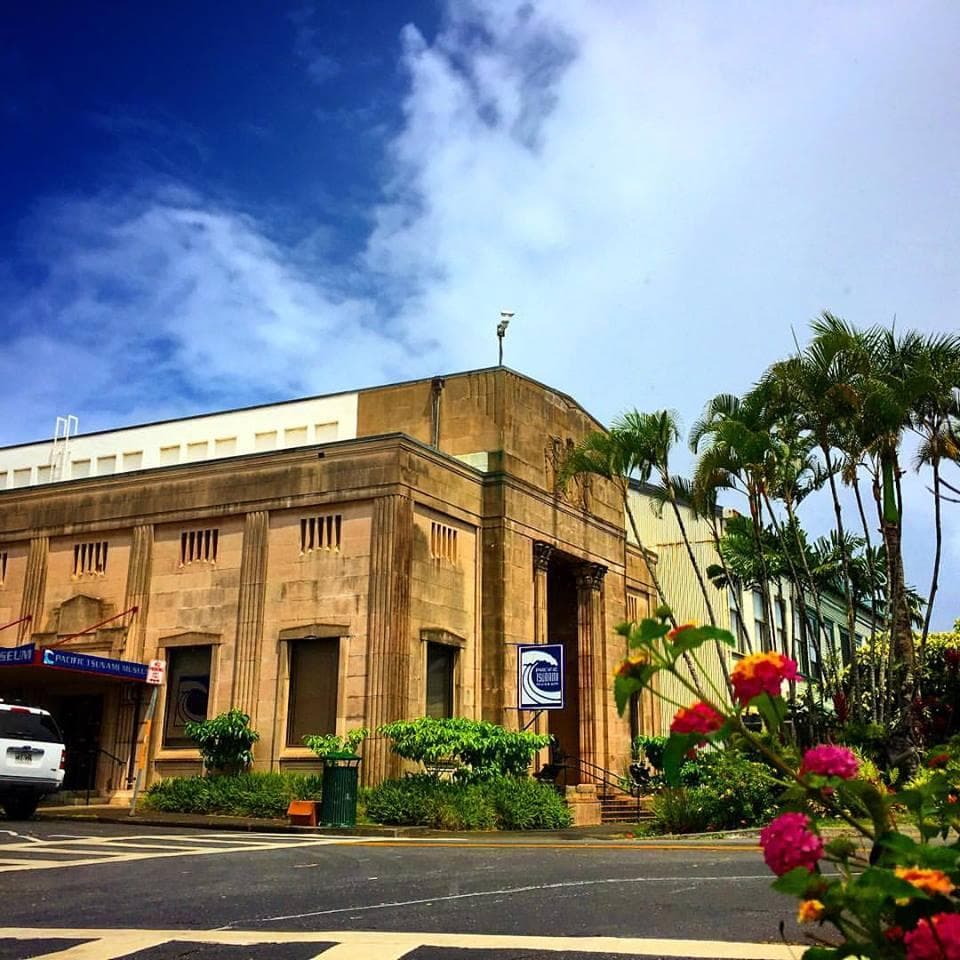
Pacific Tsunami Museum
Explore Hilo's resilience through exhibits on devastating tsunamis, vital safety info, and survivor stories.

Highlights
Must-see attractions

Social
From TikTok & Reddit
Best Time
Fewer crowds, more interaction
Pacific Tsunami Museum
Best Time
Fewer crowds, more interaction
Highlights
Must-see attractions
Explore Hilo's resilience through exhibits on devastating tsunamis, vital safety info, and survivor stories.
"Incredibly sweet staff and well-informed guides made us feel prepared for the tsunami warning."
🎯 Engage with Volunteers
Volunteers offer incredible insights and personal stories. Ask questions – they're passionate about sharing knowledge!
👟 Wear Comfortable Shoes
You'll be walking and standing to explore the exhibits. Comfort is key for a full experience.
Highlights
Discover the most iconic attractions and experiences
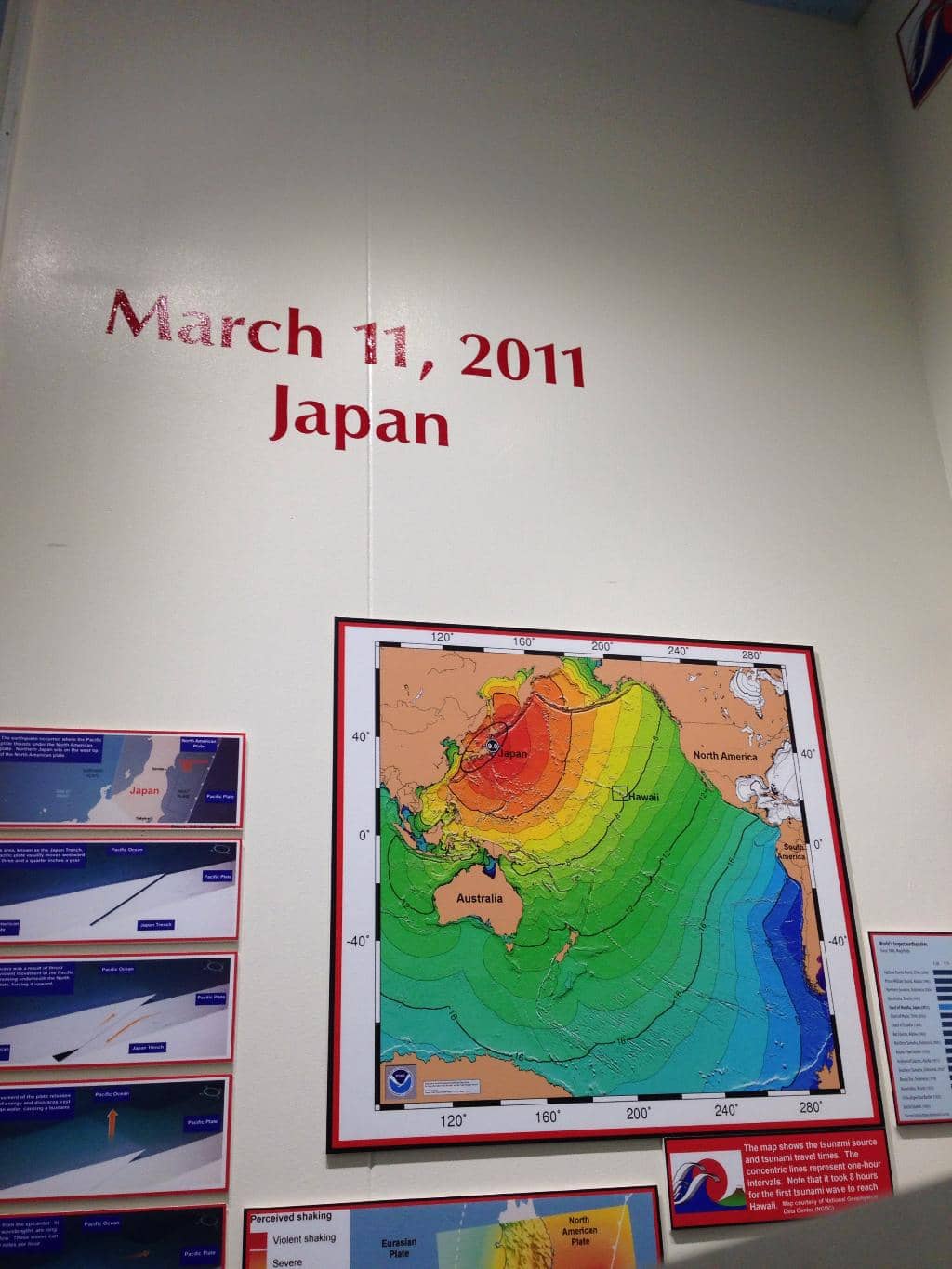
1960 Hilo Tsunami Exhibit
Main Hall
Relive the devastating 1960 tsunami through powerful exhibits and survivor stories. A must-see for understanding Hilo's resilience.
Tsunami Science & Safety
Interactive displays
Learn the science behind tsunamis and crucial life-saving information. Essential knowledge for anyone visiting the Pacific.
Survivor Testimonials
Audio-visual stations
Hear firsthand accounts from tsunami survivors, offering a deeply personal and impactful perspective on these natural disasters.
Plans like a pro.
Thinks like you
Planning Your Visit
Understand Tsunami Preparedness
Check for Special Events
 +1
+1Best Times
Insider Tips
from TikTok, Instagram & Reddit
🎯 Engage with Volunteers
Volunteers offer incredible insights and personal stories. Ask questions – they're passionate about sharing knowledge!
👟 Wear Comfortable Shoes
You'll be walking and standing to explore the exhibits. Comfort is key for a full experience.
📱 Prepare for Warnings
Visit before a tsunami warning to get informed. The museum's info is invaluable for staying safe.
🐶 Meet Hilo, the Dog
The museum often has a friendly dog named Hilo. If you have allergies, be mindful, but he's a beloved greeter.
Tips
from all over the internet
🎯 Engage with Volunteers
Volunteers offer incredible insights and personal stories. Ask questions – they're passionate about sharing knowledge!
👟 Wear Comfortable Shoes
You'll be walking and standing to explore the exhibits. Comfort is key for a full experience.
📱 Prepare for Warnings
Visit before a tsunami warning to get informed. The museum's info is invaluable for staying safe.
🐶 Meet Hilo, the Dog
The museum often has a friendly dog named Hilo. If you have allergies, be mindful, but he's a beloved greeter.
What Travellers Say
Reviews Summary
Visitors find the Pacific Tsunami Museum highly informative and crucial for understanding tsunami risks and Hilo's history. The passionate staff and survivor stories are often highlighted as impactful, though some feel the exhibits could benefit from modernization. The museum's role in educating the public about safety is widely appreciated.
"Visited the Pacific Tsunami Museum on a weekday. The volunteer gave a detailed presentation and then went on a self guided tour. Very informative. Lots of posters explaining Tsumami and giving life saving information if a Tsunami occurs."
K RV
"We visited the DAY before the tsunami warning and let me tell you- we are glad we did! Not only were they just incredibly sweet with our two young kids, the staff were so passionate and well informed. So much so that we weren't completely blindsided and panicked when the tsunami warning came through less than 24 hours later. Thank you for setting us up with great info so we could stay safe!"
Sydney Anaya
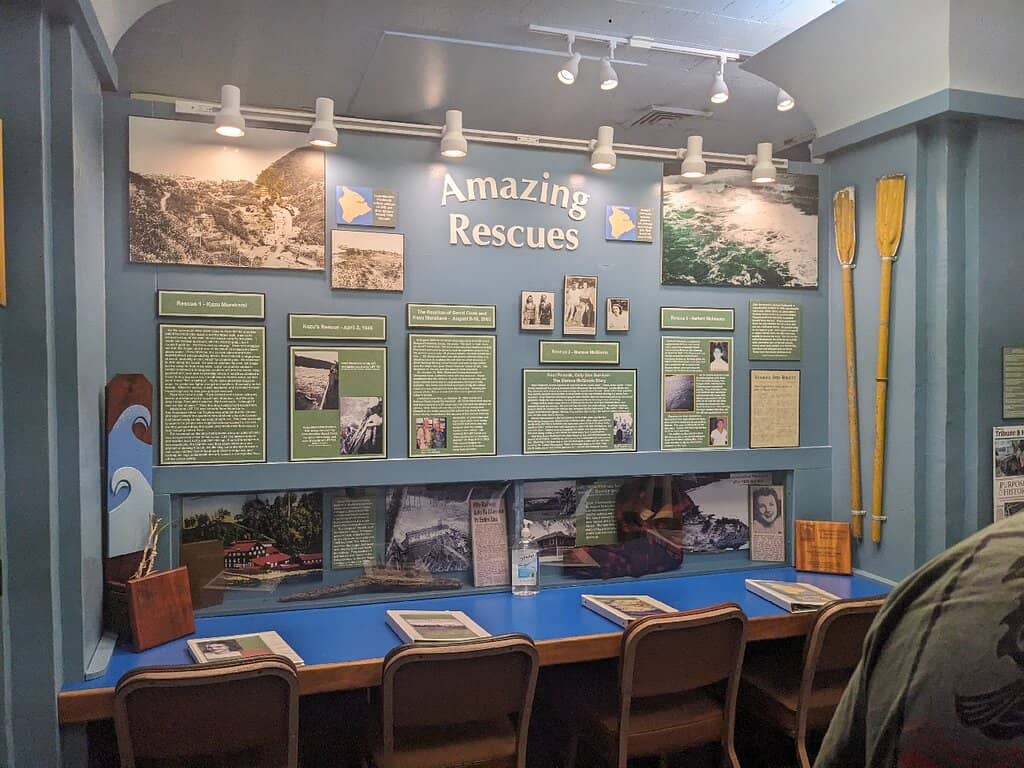
"This tsunami museum is one of a kind! The guides are very informative and will be open to answering questions. The museum is very interesting and tells about amazing rescues from several tsunamis. When stopping in make sure you meet Hilo (the museum dog).
In conclusion 5 stars."
Nolan Chamberlin
What People Like
What People Dislike
Frequently Asked Questions
🚇 🗺️ Getting There
The museum is located at 130 Kamehameha Ave, Hilo, HI 96720. Street parking is available on Kalakaua Street and Kamehameha Avenue. It's easily accessible by car within Hilo.
Yes, Hilo has a public bus system that can take you to the downtown area near the museum. Check the local transit schedules for routes and times.
If you're staying in downtown Hilo, the museum is within walking distance. It's a pleasant stroll through the historic district.
Street parking is generally available on Kamehameha Avenue and surrounding streets. Be mindful of any posted parking restrictions.
While the museum aims to be accessible, some older buildings can have limitations. It's best to call ahead to confirm specific accessibility features.
🎫 🎫 Tickets & Entry
Ticket prices are $15 for adults, $10 for military and seniors, and $5 for children.
The museum is typically open on weekdays and Saturdays, but it's closed on Mondays. It's always a good idea to check their official website or social media for the most current hours, especially around holidays.
While not always required, booking in advance, especially for special events, is recommended. For general admission, walk-ins are usually accommodated.
Yes, discounts are available for military personnel and seniors. Children also have a reduced admission price.
The museum sometimes hosts free commemorative events, such as screenings of documentaries about tsunamis. Keep an eye on their announcements for such opportunities.
🎫 🧭 Onsite Experience
You'll find exhibits detailing the impact of tsunamis on Hilo and the Pacific, including the devastating 1946 and 1960 events. There are also displays on tsunami science and safety.
The museum features some interactive elements, though some may be in need of an update. They aim to educate visitors about tsunami phenomena and preparedness.
Generally, photography for personal use is allowed, but it's always best to check for any specific restrictions or ask a staff member.
While not explicitly mentioned in all sources, many museums of this nature have a small gift shop offering related books and souvenirs. It's worth checking upon arrival.
Most visitors spend 1-2 hours exploring the exhibits and engaging with the information. You can easily spend longer if you delve into all the displays and listen to survivor accounts.
🍽️ 🍽️ Food & Dining
The museum itself does not appear to have a cafe or restaurant. However, it is located in downtown Hilo, which offers numerous dining options nearby.
Downtown Hilo has a variety of eateries, from casual local diners and cafes to restaurants serving Hawaiian and international cuisine. You'll find plenty of choices within walking distance.
It's generally not permitted to consume outside food and beverages inside museum exhibits. There may be designated areas outside if you need to eat.
Many visitors enjoy the local flavors available in downtown Hilo. Exploring the streets around the museum will reveal many popular spots for lunch or dinner.
There are public spaces and parks in Hilo where you could potentially have a picnic, though not directly at the museum. Check local park regulations.
📸 📸 Photography
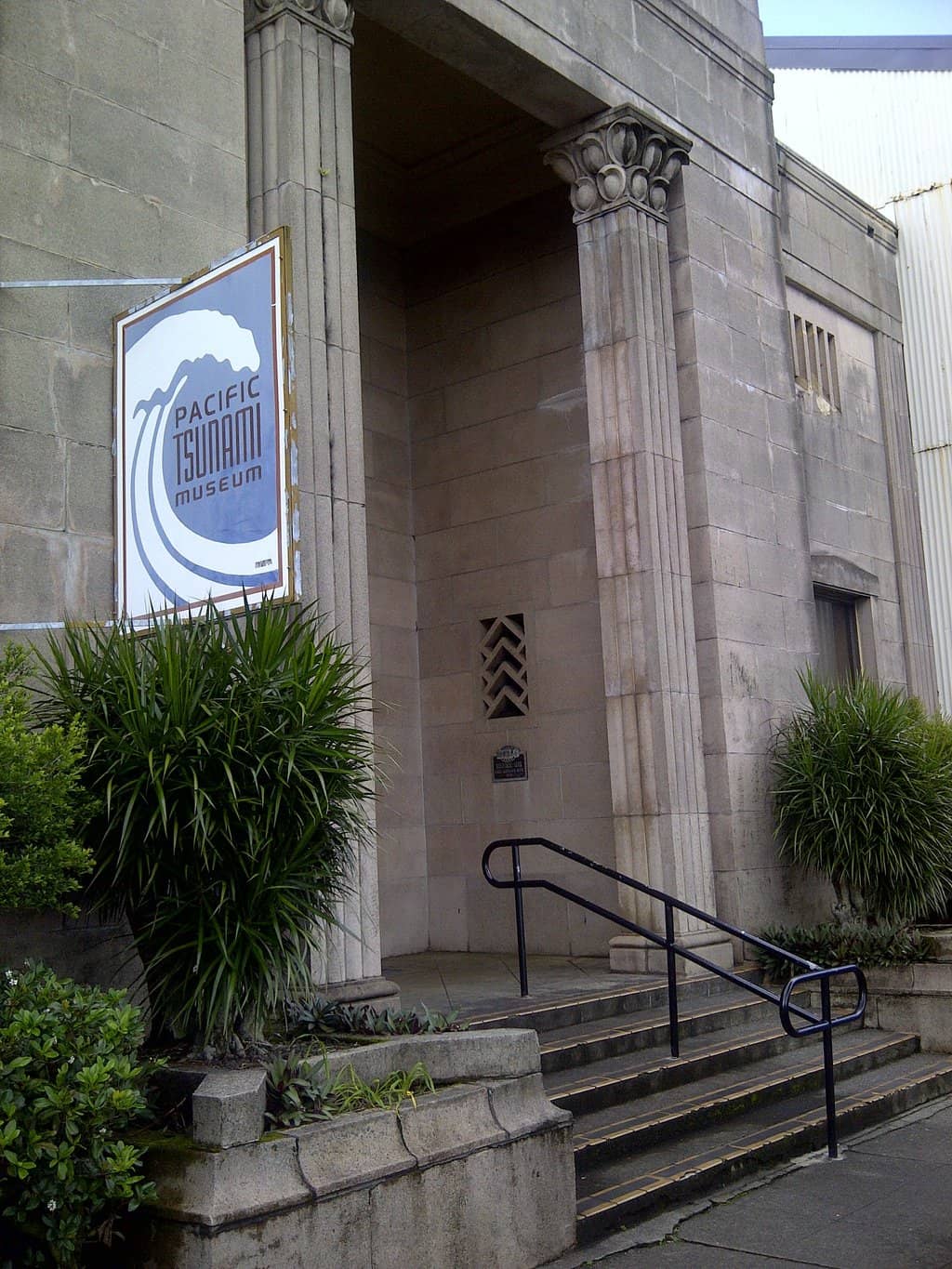
The exhibits themselves, particularly historical photos and artifacts, offer compelling visual stories. The museum's exterior architecture can also be photogenic.
It's best to avoid using flash photography, as it can damage delicate exhibits and disrupt the experience for other visitors. Always check for signage or ask staff.
The displays detailing the 1946 and 1960 tsunamis, with their historical images and artifacts, are often highlights for photographers.
Lighting varies by exhibit, but it's generally designed to preserve the displays. Some areas might be dimmer, requiring a higher ISO or careful camera settings.
If Hilo is present and approachable, taking a photo is usually fine, but always be respectful of the dog and its handlers.
For Different Travelers
Tailored advice for your travel style
👨👩👧 Families with Kids
Consider attending their Keiki Reading Hour for younger children, which makes learning fun and accessible.
The museum's friendly staff and the presence of Hilo, the museum dog, can also make the visit more welcoming for kids. Remember to discuss the serious nature of tsunamis beforehand to prepare them for the content. 📚 History Buffs & Researchers
The museum's collection provides a powerful lens through which to understand disaster response, community resilience, and the long-term effects of natural catastrophes. Engaging with the knowledgeable volunteers can also provide additional context and historical anecdotes.
🌊 Travelers Seeking Safety Information
By visiting the museum, you gain practical knowledge that can be life-saving. The exhibits clearly outline what to do in an emergency, making you a more informed and safer traveler. It's a proactive step towards enjoying your trip with peace of mind.
Deep Dives
In-depth insights and expert knowledge
The Impact of Tsunamis on Hilo
Visitors can explore personal stories of survival and loss, gaining a deep appreciation for the resilience of the people of Hilo. The museum serves not only as a memorial to the victims but also as a crucial educational center. By understanding the history and the science, the museum aims to equip both residents and visitors with the knowledge needed for preparedness and safety in the event of future tsunami warnings.
Learning about these events is a somber but essential experience. It underscores the raw power of nature and the importance of respecting the ocean's potential for destruction. The museum's dedication to preserving these stories ensures that the lessons learned from past tragedies continue to inform and protect future generations.
Tsunami Preparedness and Safety
Interactive displays and informative posters guide visitors through the steps to take, from recognizing natural warnings like earthquakes or unusual ocean behavior to heeding official alerts. The goal is to demystify the process and empower individuals to act quickly and decisively. This practical knowledge is invaluable for anyone living in or visiting coastal areas prone to tsunamis.
By understanding the science and the protocols, visitors can feel more confident and less panicked should a tsunami warning be issued. The museum's commitment to education extends beyond the exhibits, often involving community outreach and events designed to reinforce these life-saving messages.
The Museum's Role in the Community
The museum actively engages with the local community through various events and programs, fostering a sense of shared history and collective responsibility for safety. +1Through initiatives like Keiki Reading Hour, the museum promotes literacy and early education about ocean safety among children.
They also collaborate with local organizations and businesses, as highlighted by their partnership with Hawaii Energy to promote energy efficiency, demonstrating a commitment to broader community well-being. This community focus ensures the museum remains relevant and impactful, serving as a beacon of education and remembrance.
Social
from TikTok, Instagram & Reddit