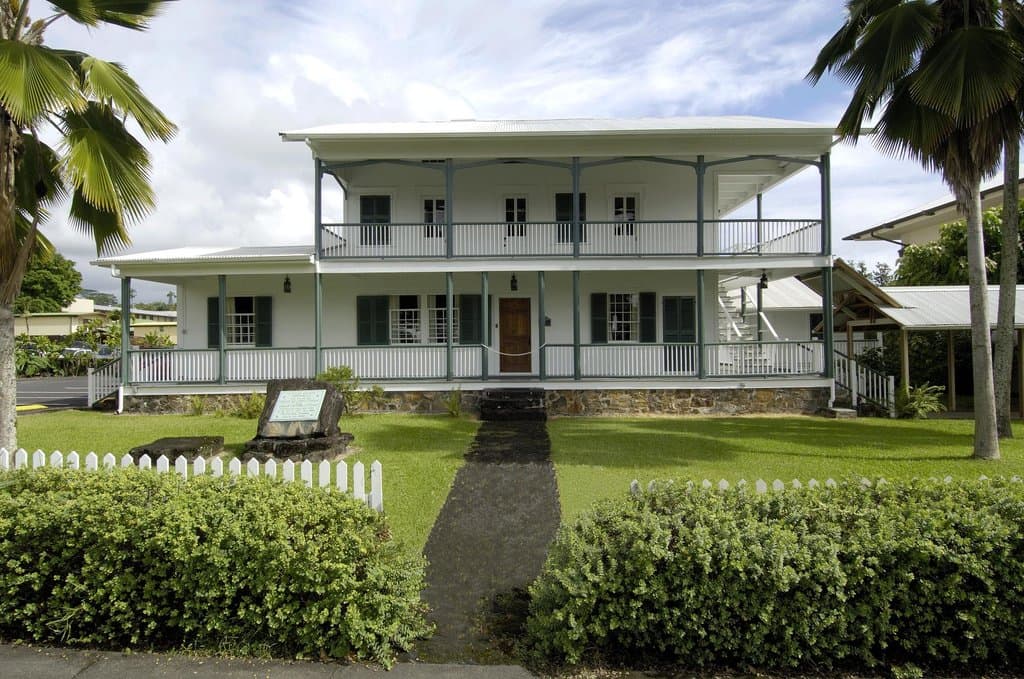
Lyman Museum and Mission House
Explore Hawaii's rich natural history and complex cultural past at this Hilo gem, featuring world-class minerals and a historic 1839 mission house.
Highlights
Must-see attractions

Social
From TikTok & Reddit
Best Time
Fewer crowds, more relaxed
Lyman Museum and Mission House
Best Time
Fewer crowds, more relaxed
Highlights
Must-see attractions
Explore Hawaii's rich natural history and complex cultural past at this Hilo gem, featuring world-class minerals and a historic 1839 mission house.
"Excellent museum with a collection that includes an extensive collection of shells from around the world."
⏳ Allow ample time
Plan for 2-3 hours to fully explore exhibits & Mission House.
🤝 Ask docents questions
Staff are friendly & knowledgeable, enhancing your visit.
Highlights
Discover the most iconic attractions and experiences
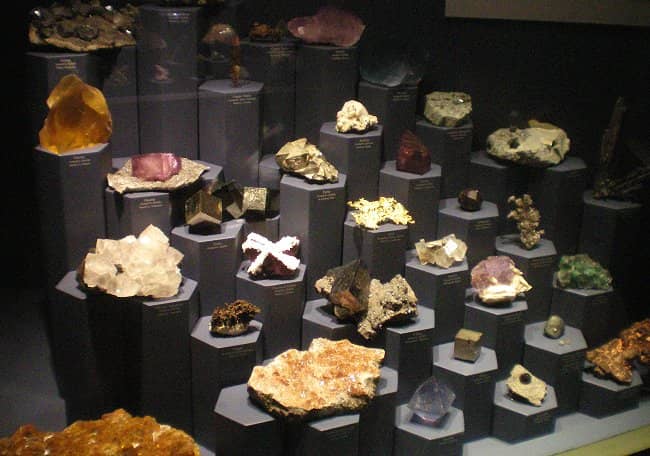
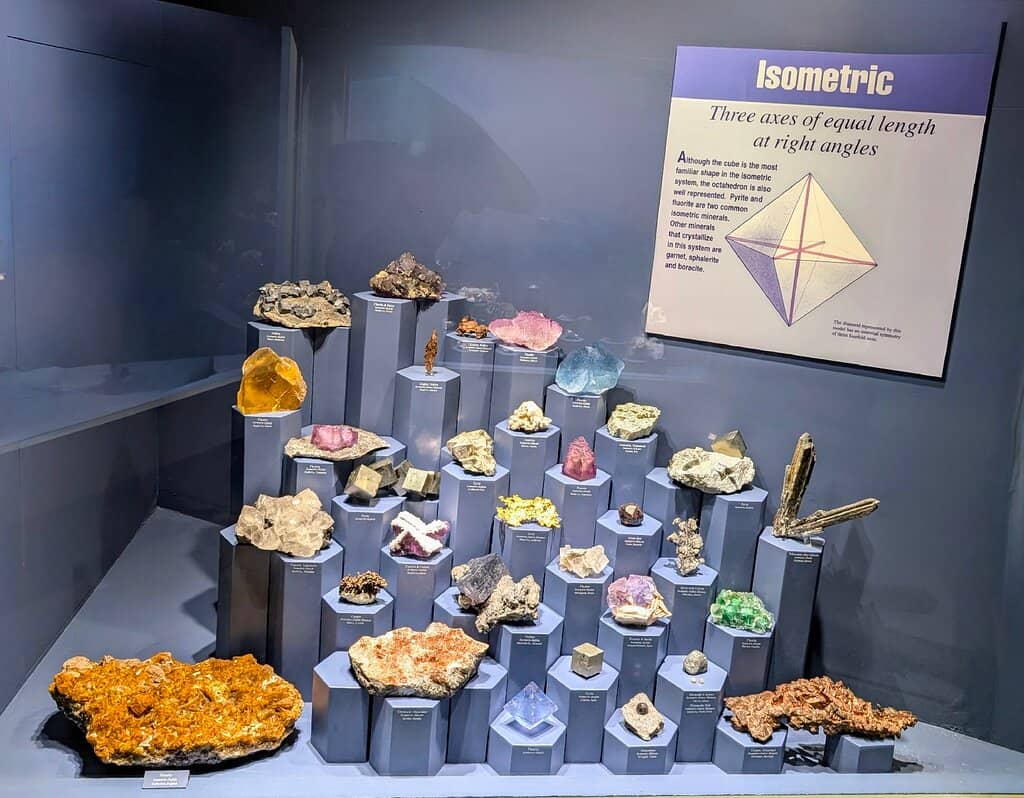
World-Class Mineral Collection
Natural History Exhibits
Discover a globally recognized mineral collection, including a unique specimen found nowhere else on Earth.
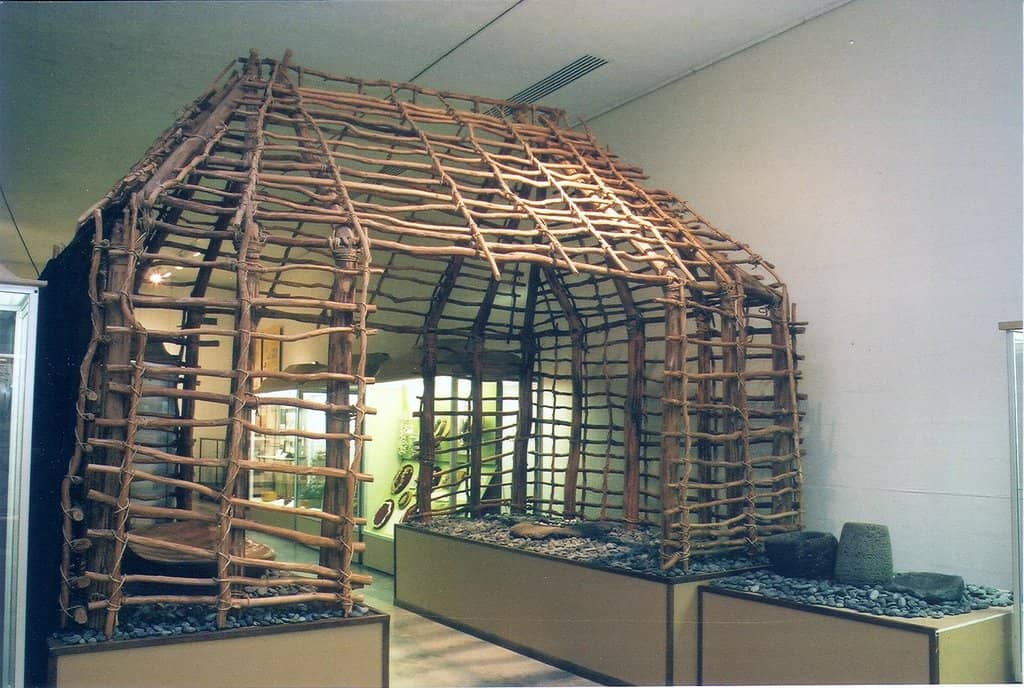
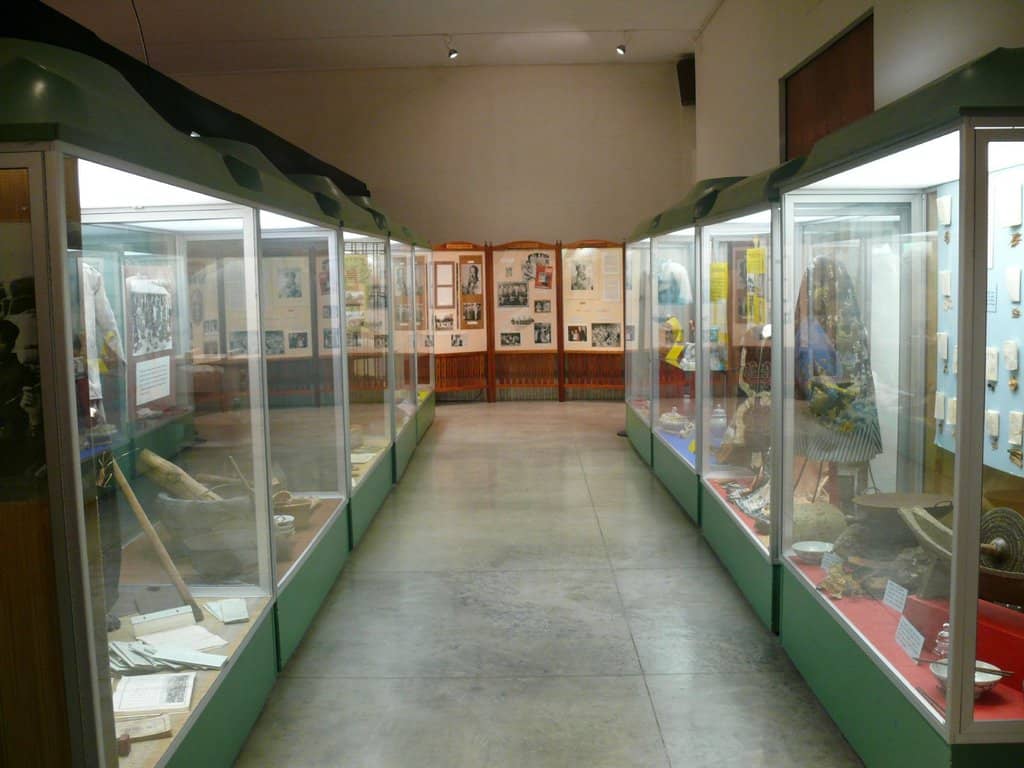
Hawaiian Cultural History
Cultural Exhibits
Explore the rich and complex history of Hawaii, from ancient times to the modern era, with insightful displays.
1839 Mission House
Adjacent Historic Building
Step back in time with a guided tour of the oldest wooden frame building on the island, offering a unique historical perspective.
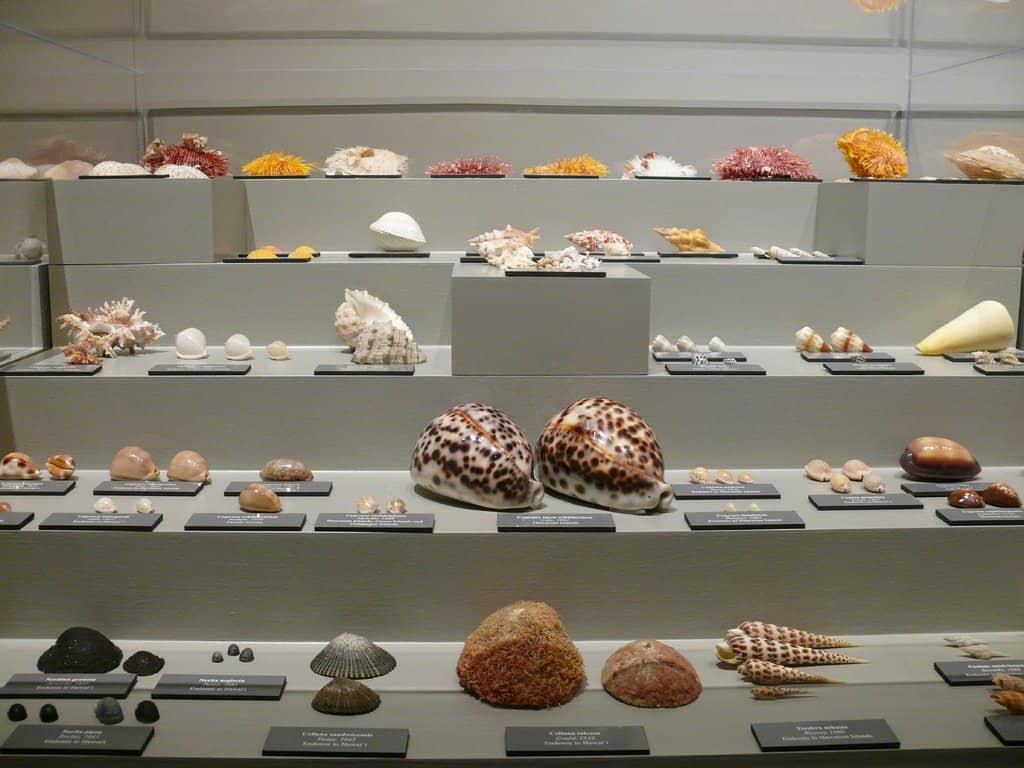
Marine Life & Seashells
Natural History Exhibits
Marvel at an extensive collection of shells from around the world and learn about Hawaii's diverse marine ecosystems.
Plans like a pro.
Thinks like you
Planning Your Visit
Allocate Enough Time
Combine with Mission House Tour
Best Times
Insider Tips
from TikTok, Instagram & Reddit
⏳ Allow ample time
Plan for 2-3 hours to fully explore exhibits & Mission House.
🤝 Ask docents questions
Staff are friendly & knowledgeable, enhancing your visit.
🎟️ Mission House Tour
Highly recommended for historical context, small fee.
🚗 Parking available
Small lot in rear or street parking on Haili St.
What are some absolute unique things to do in big island that are rarely found elsewhere in the world? And attractions that cannot be missed ?
Tips
from all over the internet
⏳ Allow ample time
Plan for 2-3 hours to fully explore exhibits & Mission House.
🤝 Ask docents questions
Staff are friendly & knowledgeable, enhancing your visit.
🎟️ Mission House Tour
Highly recommended for historical context, small fee.
🚗 Parking available
Small lot in rear or street parking on Haili St.
📚 Deep dive into history
Exhibits cover geology, botany, zoology, and complex Hawaiian history.
What Travellers Say
Reviews Summary
Visitors consistently praise the Lyman Museum for its excellent and informative exhibits, particularly the world-class mineral collection and the insightful cultural history displays. The adjacent 1839 Mission House tour is highly recommended for its historical value. While some find the building's exterior unassuming, the interior experience is consistently described as memorable and educational, with friendly and knowledgeable staff enhancing the visit.
"Excellent museum! We spent an enjoyable couple of hours here learning the history of Hawaii and being amazed by the quality of the minerals and seashell collections.
The employees and docents were friendly and helpful, and the overall experience was highly memorable."
Gerry
"After experiencing the Panaewa Rainforest Zoo and Gardens (please reference my review if interested), we made the 18 minute drive to Lyman Museum. I must admit, when Google Maps announced our arrival, I was skeptical of the museum based on the appearance of the building. However, that feeling dissipated when we entered the building and were greeted by a friendly employee at the front counter. After paying the very small admission fee, another friendly employee gave us a brief overview of how to navigate the exhibits.
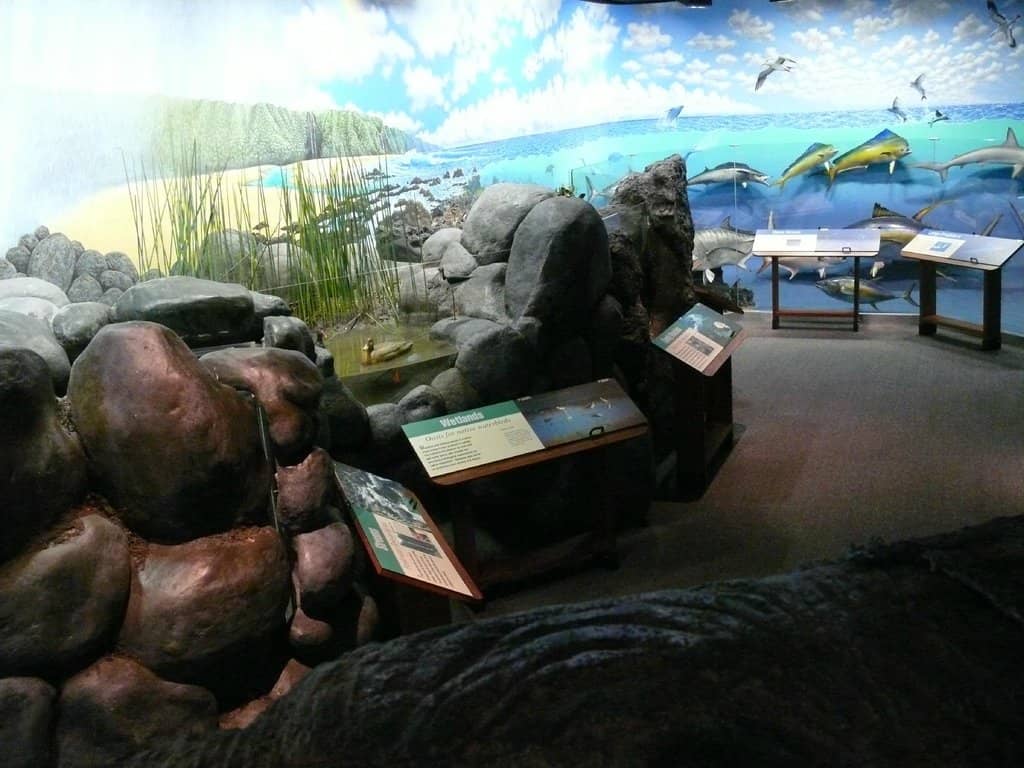
The first exhibit was centered on one of my favorite childhood interests…volcanoes! I was taking a walk down memory lane as I relearned the root cause of volcanic eruptions and the history of Hawaii’s active volcanoes. Afterwards, we learned about the various habitat types, mammals, and birds.
The next following exhibits were focused on Hawaii’s complicated (in my opinion) history. Although all of the content was interesting to some capacity; the following three topics stood out: sugar plantations, the educational system, and the annexation of Hawaii by the United States. Although the information is presented in an unbiased form, it shaped my opinion of how native Hawaiians (along with other ethnic groups) were mistreated, the United States’ role in attempting to completely sanitize the Hawaiian education system (i.e., being punished for speaking their native language in school), and the events that led to the Hawaiian government being overthrown by the United States.
As most museums, I walked away with mixed feelings. I learned a lot about Hawaiian culture, but also felt torn in my decision to visit (support) a place that has been essentially cleansed of its true culture and taken over by Americans (yes I know that there are other places that have been similarly impacted). I highly recommend that visitors take the time out of their vacation to visit this museum and enlighten themselves with Hawaiian history."
Raheem Alli
"Excellent museum with a collection that includes an extensive collection of shells from around the world.
There is very good geology information with a mineral collection that they claim is rated in the top 10 of the world. One of the mineral specimens [a manganese silicate called Orlymanite] is the only one anywhere.
The cultural exhibits on the second floor are also excellent.
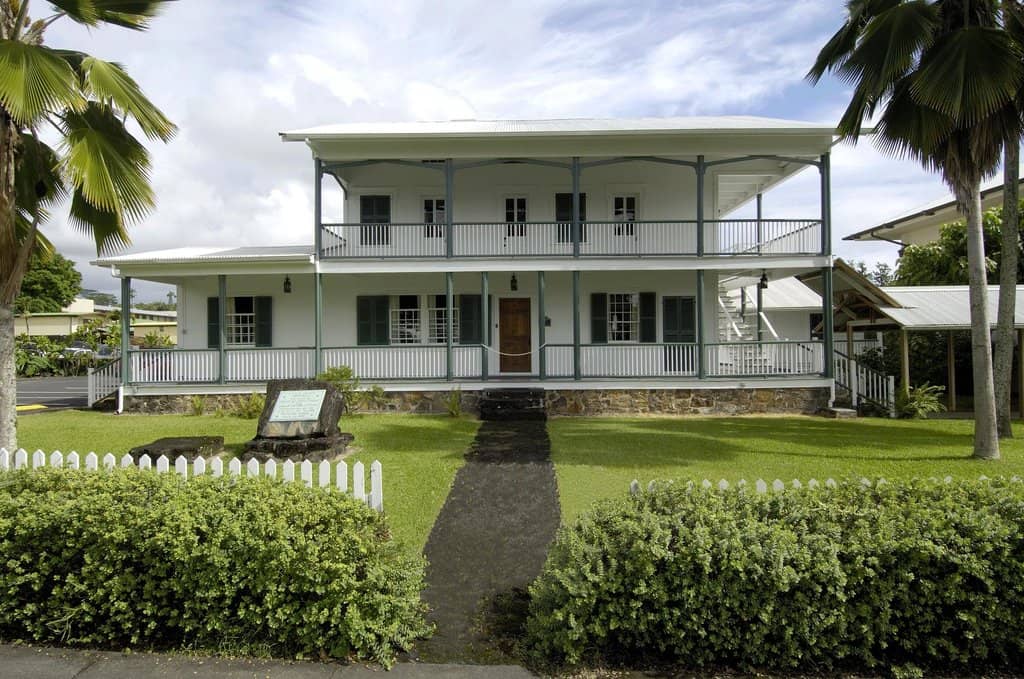
You can also for a small fee take a tour of the Mission House next to the museum. It dates from 1839, it is the oldest wood frame building on the island."
Gary Brazel
What People Like
What People Dislike
Frequently Asked Questions
🚇 🗺️ Getting There
The Lyman Museum is located at 276 Haili St, Hilo, HI 96720, at the corner of Haili and Kapiolani streets. It's easily accessible by car, with a small gravel parking lot in the rear and street parking available on Haili Street.
While specific routes can vary, Hilo does have public bus services. Checking with the local transit authority for routes serving the downtown Hilo area near Haili Street would be the best approach.
From Kona, the drive to Hilo is approximately 2.5 to 3 hours. It's a scenic route across the island, often passing through diverse landscapes.
The museum generally aims to be accessible. It's advisable to contact them directly to inquire about specific accessibility features for exhibits and the Mission House.
Yes, it's feasible as a day trip, especially from the Hilo side. However, combining it with other Hilo attractions like the Panaewa Rainforest Zoo is recommended to make the travel worthwhile.
🎫 🎫 Tickets & Entry
Admission fees are generally considered very small and affordable, making it a great value for the experience. It's best to check their official website for the most current pricing.
Advance booking is usually not required for general admission, but it's always a good idea to check their website, especially during peak tourist seasons.
Discounts may be available for certain groups such as seniors, children, or kama'aina (local residents). Inquire at the front desk or check their website for details.
The museum typically operates daily, often from 10 am to 5 pm, but hours can vary. Always confirm the current operating schedule on their official website before your visit.
The Mission House tour is usually an additional fee, but it's a small price for a significant historical experience.
🎫 🧭 Onsite Experience
Most visitors spend around 2-3 hours to thoroughly explore the natural history exhibits, cultural displays, and take the Mission House tour.
Yes, docents are often available to provide insights and answer questions, particularly for the Mission House tour. Their knowledge greatly enhances the visitor experience.
Key attractions include the world-class mineral collection, extensive seashell exhibits, and detailed displays on Hawaiian natural history and cultural evolution.
Photography policies can vary. It's best to look for signage within the museum or ask staff if photos are permitted, especially without flash.
The Mission House, built in 1839, is the oldest wooden frame building on the island and offers a tangible connection to Hawaii's missionary era and early colonial history.
🍽️ 🍽️ Food & Dining
The Lyman Museum itself does not typically have a restaurant or cafe. Visitors usually plan to eat before or after their visit.
Downtown Hilo, near the museum, offers a variety of dining options, from casual cafes to local eateries serving Hawaiian cuisine.
Generally, outside food and drinks are not permitted inside museum exhibits to protect the artifacts. Check their specific policy upon arrival.
Yes, Hilo has several family-friendly spots. Look for places offering local plate lunches or casual dining experiences.
Don't miss trying local favorites like poke bowls, lau lau, kalua pig, and shave ice when exploring Hilo's culinary scene.
📸 📸 Photography
The Mission House exterior and interior (if permitted) offer charming historical shots. The mineral and shell exhibits also provide visually striking opportunities.
Photography rules can vary for historic buildings. It's essential to check with the tour guide or look for signage regarding camera use inside the Mission House.
Generally, photos of exhibits are allowed, but flash photography is often prohibited to protect the delicate specimens. Always confirm with museum staff.
Drone usage is typically restricted in urban areas and around cultural sites. Always adhere to local regulations regarding drone operation.
A standard camera or smartphone is sufficient. Given potential lighting conditions and restrictions on flash, a camera with good low-light performance is beneficial.
For Different Travelers
Tailored advice for your travel style
👨👩👧 Families with Kids
Consider focusing on the more visual aspects of the exhibits, like the vibrant minerals and diverse shells. The Mission House tour might be more engaging for older children who can appreciate historical narratives. It's a good idea to prepare younger visitors by highlighting the most visually appealing parts of the museum beforehand.

🤓 History Buffs
The Mission House tour is an absolute must for history enthusiasts, offering a rare opportunity to step inside a structure dating back to 1839. This provides a tangible connection to the lives of early missionaries and the colonial period. The museum's commitment to presenting information in a fair yet revealing manner ensures a thought-provoking experience for any history aficionado.
💎 Science & Nature Enthusiasts
In addition to minerals, the museum showcases an extensive seashell collection and explores the diverse habitats, mammals, and birds of the Hawaiian Islands. This comprehensive approach to natural history provides a fascinating overview of the unique biodiversity and geological formations of the region, making it a rewarding visit for anyone interested in the natural world.
Deep Dives
In-depth insights and expert knowledge
Exploring Hawaiian History at the Lyman Museum
Beyond the broader historical context, the museum delves into specific aspects of Hawaiian life. Exhibits on sugar plantations highlight the economic forces that shaped the islands, while discussions on the educational system shed light on efforts to assimilate and the suppression of native languages. These sections, though potentially sensitive, are presented in a way that encourages understanding and awareness.
For those seeking a tangible connection to the past, the adjacent 1839 Mission House is an invaluable addition. This historic structure, the oldest wooden frame building on the island, provides a unique glimpse into the lives of early missionaries. Tours of the Mission House are highly recommended, offering a more intimate and personal perspective on Hawaii's colonial period.
The Natural Wonders of Hawaii at the Lyman Museum
Complementing the mineralogy is an extensive and impressive seashell collection, showcasing marine biodiversity from around the globe. Visitors are often amazed by the variety and beauty of these natural treasures. The exhibits also explore the various habitat types found across the islands, detailing the mammals and birds that call Hawaii home, providing a holistic view of the archipelago's unique ecosystems.
This focus on natural sciences, from the earth's core to the ocean's depths, offers a fascinating counterpoint to the museum's historical narratives. It underscores the profound geological and biological forces that have created and continue to influence the Hawaiian Islands, making the Lyman Museum a well-rounded educational experience.
Social
from TikTok, Instagram & Reddit