Green Bank Observatory
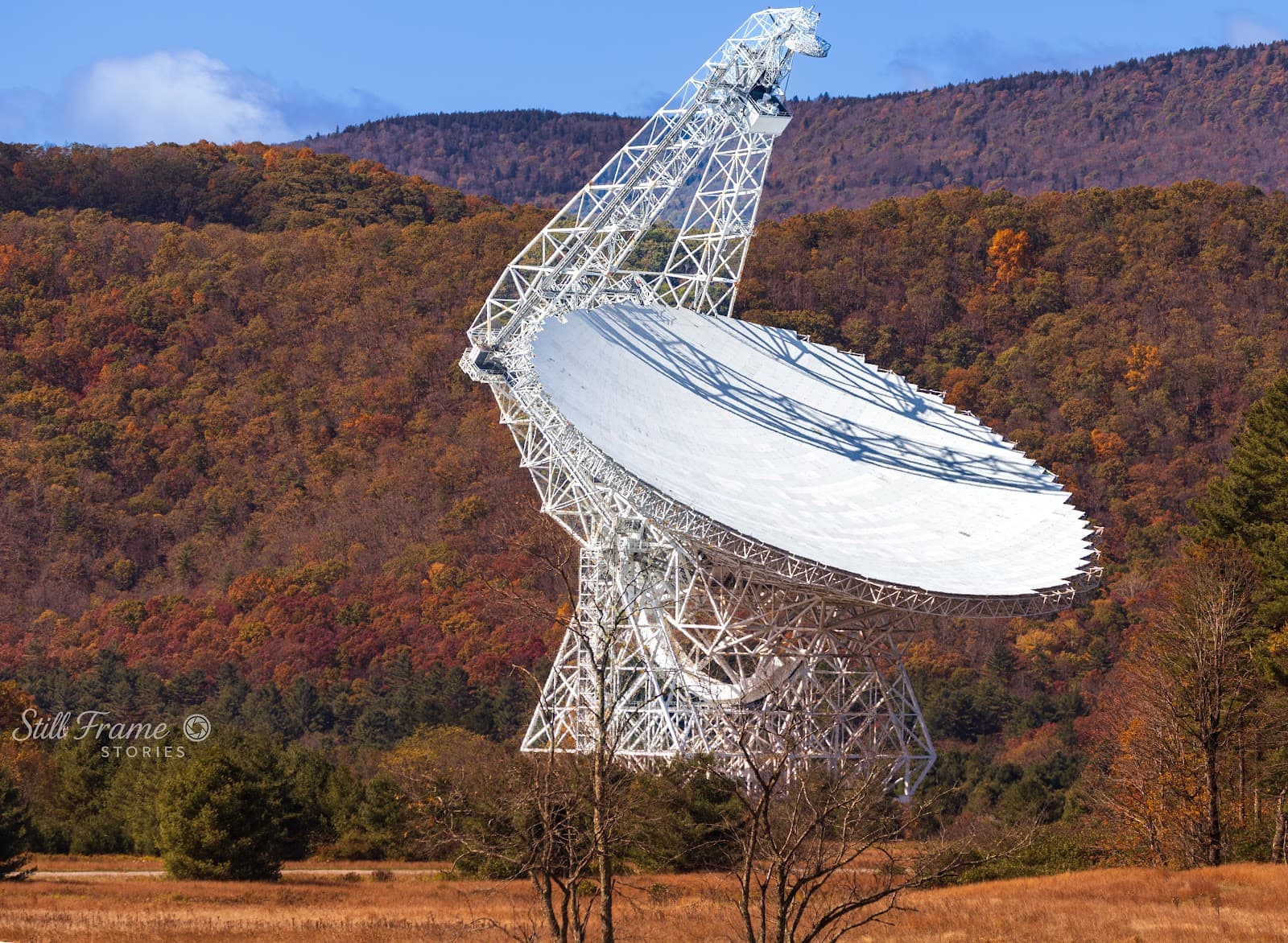
Home to the world's largest steerable radio telescope, this observatory offers a unique digital detox in a serene mountain setting.
Highlights
Must-see attractions

Social
From TikTok & Reddit
Best Time
Pleasant weather, fewer crowds
Green Bank Observatory
Best Time
Pleasant weather, fewer crowds
Highlights
Must-see attractions
Home to the world's largest steerable radio telescope, this observatory offers a unique digital detox in a serene mountain setting.
"The sheer size of the Green Bank Telescope is mind-blowing — seeing it up close is an unforgettable experience."
Turn off all electronics! :iphone:
Wireless devices must be switched off to avoid interfering with sensitive radio astronomy.
Check tour schedules :calendar:
Tours of the Green Bank Telescope run on a set schedule, usually every 2 hours.
Highlights
Discover the most iconic attractions and experiences
Green Bank Telescope (GBT)
Main viewing area
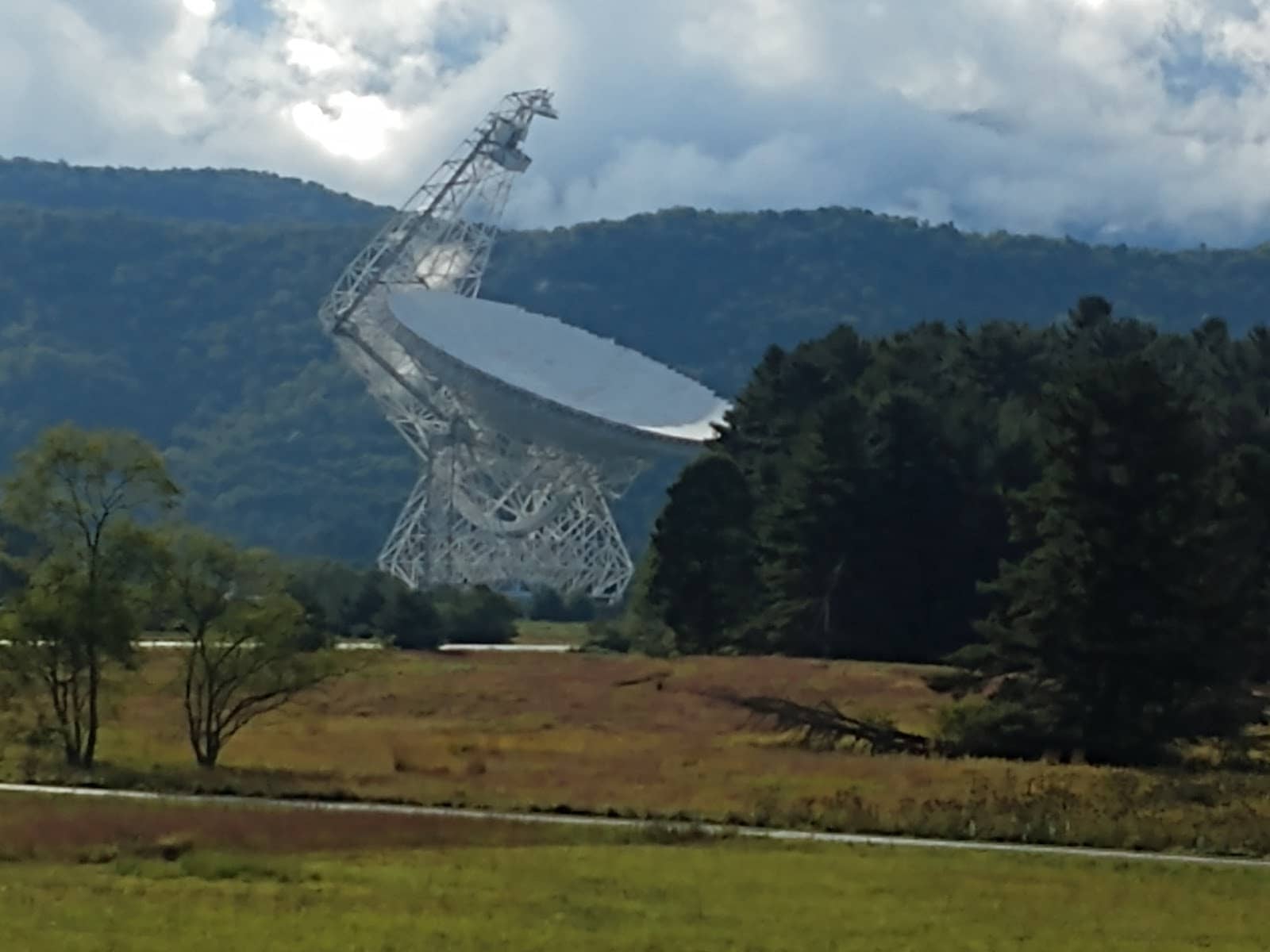
Marvel at the world's largest steerable radio telescope, a colossal structure in a serene mountain setting.
 +1
+1National Radio Quiet Zone
Entire observatory area
Experience a unique digital detox where wireless signals are restricted, fostering an unparalleled sense of tranquility.

Visitor Center & Exhibits
Visitor Center
Learn about radio astronomy, the history of the observatory, and the science behind the massive telescopes.
Nature Trails
Various trails around the observatory
Hike scenic paths offering stunning views of the telescopes and surrounding Appalachian landscape.
Plans like a pro.
Thinks like you
Planning Your Visit
Embrace the Quiet Zone
Plan Your Visit to the GBT
Best Times
Insider Tips
from TikTok, Instagram & Reddit
Turn off all electronics! :iphone:
Wireless devices must be switched off to avoid interfering with sensitive radio astronomy.
Check tour schedules :calendar:
Tours of the Green Bank Telescope run on a set schedule, usually every 2 hours.
Wear comfy shoes :athletic_shoe:
You'll be doing a lot of walking on trails and around the telescope.
Download offline maps :world_map:
Cell service is virtually non-existent in the Quiet Zone.
Tips
from all over the internet
Turn off all electronics! :iphone:
Wireless devices must be switched off to avoid interfering with sensitive radio astronomy.
Check tour schedules :calendar:
Tours of the Green Bank Telescope run on a set schedule, usually every 2 hours.
Wear comfy shoes :athletic_shoe:
You'll be doing a lot of walking on trails and around the telescope.
Download offline maps :world_map:
Cell service is virtually non-existent in the Quiet Zone.
Pack snacks :apple:
Limited dining options on-site; bring your own food and drinks.
What Travellers Say
Reviews Summary
Visitors consistently praise the Green Bank Observatory for its awe-inspiring scale, unique 'Quiet Zone' experience, and informative visitor center. The knowledgeable staff and the stunning natural setting, especially during autumn, are frequently highlighted as major draws. Some minor inconveniences include limited on-site amenities and the challenges of navigating the area without reliable cell service.
"The Green Bank Observatory is one of the most unique and awe-inspiring places I’ve ever visited. The sheer size of the Green Bank Telescope is mind-blowing — seeing it up close, framed by the fall colors of the Appalachian Mountains, is an unforgettable experience. The setting is peaceful, quiet, and surrounded by beautiful rolling hills that burst into color during autumn.
The visitor center is excellent — very informative with exhibits explaining radio astronomy, the science behind the telescope, and the special “Quiet Zone” that protects it from radio interference. The staff and guides are extremely knowledgeable, patient, and passionate about the science they do here.
One of the most interesting aspects is being in an area where there’s no cell service or Wi-Fi due to the National Radio Quiet Zone. It’s a refreshing digital detox — you really get to slow down, take in the surroundings, and enjoy the moment."
Nasir Shaikh
"This place is absolutely incredible! Once in a lifetime experience, and a MUST see! We seen videos on the GBO and were obsessed so we planned our honeymoon for West Virginia and Virginia so we could see it for ourselves! At over 17million pounds and 2.3 acres big, it is the largest rotating radio telescope in the entire world and to see it in person and learn about the history and the technology ban in the area, it was so amazing and impressive to be able to see and learn in person to say the least! Also, gift shop was super nice with great prices and the staff were very friendly snd knowledgeable :) 12/10 would recommend!"
Tyler Robart
"We truly enjoyed our time there. The tour guide was very fun a knowledgeable. The radio telescope was so impressive! Tours start at 10am and go every 2 hrs. (10, 12, 2pm etc)"
Dani Sanchez Carretero
What People Like
What People Dislike
Frequently Asked Questions
🚇 🗺️ Getting There
The Green Bank Observatory is located in a remote area of West Virginia. Driving is the primary method of access. Be aware that GPS and cell service can be unreliable in the National Radio Quiet Zone. It's recommended to download offline maps or use a physical map.
Unfortunately, public transportation options are very limited. Most visitors drive their own vehicles. Some reviews mention difficulty accessing the satellite areas without personal transportation.
Directions can vary depending on your starting point. It's best to use a reliable GPS system before entering the Quiet Zone and then follow signage. The observatory is situated in Pocahontas County, WV.
While the main observatory is well-signed, some visitors have reported issues with Google Maps showing incorrect information or closures. It's wise to verify operating hours and routes beforehand.
The National Radio Quiet Zone is a large area in the United States designated to protect radio astronomy research from radio frequency interference. This means many wireless devices are restricted within its boundaries.
🎫 🎫 Tickets & Entry
General admission to the Green Bank Observatory grounds and visitor center is typically free. However, specific tours or access to certain areas might have associated fees or require advance booking.
Operating hours can vary seasonally and may be affected by special events or maintenance. It's always best to check the official Green Bank Observatory website for the most up-to-date information on hours and tour availability.
Yes, guided tours are often available, especially for the Green Bank Telescope. These tours provide in-depth information about the science and history. Tour times are usually scheduled throughout the day.
While you can see the Green Bank Telescope from designated viewing areas, access inside the telescope itself is generally restricted to authorized personnel. However, tours often take you to impressive vantage points.
The main visitor areas and grounds are usually free to access. Special events or specific guided tours might have a fee, but general entry is often complimentary.
🎫 🔭 Onsite Experience
Visitors can explore the visitor center with informative exhibits, walk scenic nature trails, and view the impressive Green Bank Telescope. Some tours offer closer looks at the facility.
The Quiet Zone restricts wireless devices like cell phones, Wi-Fi, and microwaves to protect radio astronomy. You'll need to turn these off or leave them in your car. It's a great opportunity for a digital detox.
Photography is generally allowed in designated public areas. However, due to the sensitive nature of radio astronomy, there might be restrictions on using certain electronic devices for photography in specific zones. Always check signage.
Yes, there are several nature trails that offer beautiful views of the telescopes and the surrounding Appalachian landscape. Some trails lead to impressive viewpoints of the GBT.
The observatory is a leading facility for radio astronomy, using its telescopes to study celestial objects and phenomena. They also conduct research in areas like radar astronomy and atmospheric science.
🍽️ 🍽️ Food & Dining
On-site dining options are typically limited. It's advisable to bring your own food and drinks, especially if you plan to spend several hours exploring the grounds.
The nearest towns with more dining choices are a short drive away. You might find local diners or cafes in nearby communities like Marlinton or Cass.
Picnicking is usually permitted in designated areas. It's a great way to enjoy the scenic surroundings while having a meal.
Yes, there is a gift shop that offers souvenirs, books, and educational items related to astronomy and the observatory.
Given the remote location and limited facilities, packing snacks, sandwiches, and plenty of water is highly recommended for a comfortable visit.
📸 📸 Photography
The areas offering the most dramatic views of the Green Bank Telescope are prime photography locations. The surrounding hills and valleys also provide beautiful backdrops, especially during autumn.
While general photography is allowed, be mindful of the 'Quiet Zone' regulations. Avoid using active electronic devices that emit radio frequencies in sensitive areas. Always check for posted signs.
Photography is usually permitted within the visitor center to capture the exhibits and learn about the science. However, it's always good practice to confirm with staff if unsure.
A wide-angle lens is great for capturing the sheer scale of the Green Bank Telescope. A telephoto lens can be useful for details, and a tripod is recommended for low-light conditions or longer exposures.
The remote location and dark skies make Green Bank an excellent spot for astrophotography. Some visitors have reported having access for night observation, but this is not a standard offering.
For Different Travelers
Tailored advice for your travel style
👨👩👧 Families with Kids
Encourage kids to embrace the 'Quiet Zone' as an adventure – a chance to disconnect from screens and connect with nature and science. The walking trails are generally easy to navigate, making them suitable for family strolls. Remember to pack plenty of snacks and drinks, as on-site options are limited.
🌌 Science Enthusiasts & Stargazers
Consider attending an 'Open House' event if your visit coincides, as these often offer special access and activities. The remote location also makes it a prime spot for astrophotography and experiencing dark skies, though specific night access might be limited.
+1🚶♀️ Nature Lovers & Hikers
These trails provide a peaceful escape and a chance to enjoy the tranquility of the region. The autumn foliage is particularly spectacular, making it a prime destination for hikers seeking both natural beauty and a unique scientific experience. Remember to wear comfortable hiking shoes and be prepared for the 'Quiet Zone' regulations.
Deep Dives
In-depth insights and expert knowledge
The Science Behind the Silence: Understanding the Quiet Zone
For visitors, this translates into a profound digital detox. While it can be jarring at first to be disconnected, many find it a refreshing experience, allowing them to fully immerse themselves in the natural beauty and the scientific marvels of the observatory. The absence of constant digital pings encourages a slower pace and a deeper appreciation for the surroundings. It's a rare opportunity to experience a truly quiet environment, which is essential for the delicate work being done by the telescopes.
When visiting, be prepared to power down your devices. The observatory provides information on which devices are permitted and where. Embracing the 'quiet' is key to respecting the scientific mission and fully enjoying the unique atmosphere of Green Bank.
Exploring the Green Bank Telescope (GBT)
+1Visitors can get up close to this engineering marvel, with designated viewing areas offering spectacular perspectives. The experience of seeing the GBT against the backdrop of the Appalachian Mountains, especially during the vibrant fall colors, is frequently described as unforgettable. The visitor center provides detailed insights into its construction, operation, and the groundbreaking scientific discoveries it has enabled.
While direct access inside the telescope is limited, guided tours often provide fascinating details about its mechanics and the science it performs. The scale of the GBT is something that photos and videos can only hint at; seeing it in person is a truly humbling experience that underscores humanity's quest to understand the cosmos.
A Journey Through Time: The History of Green Bank Observatory
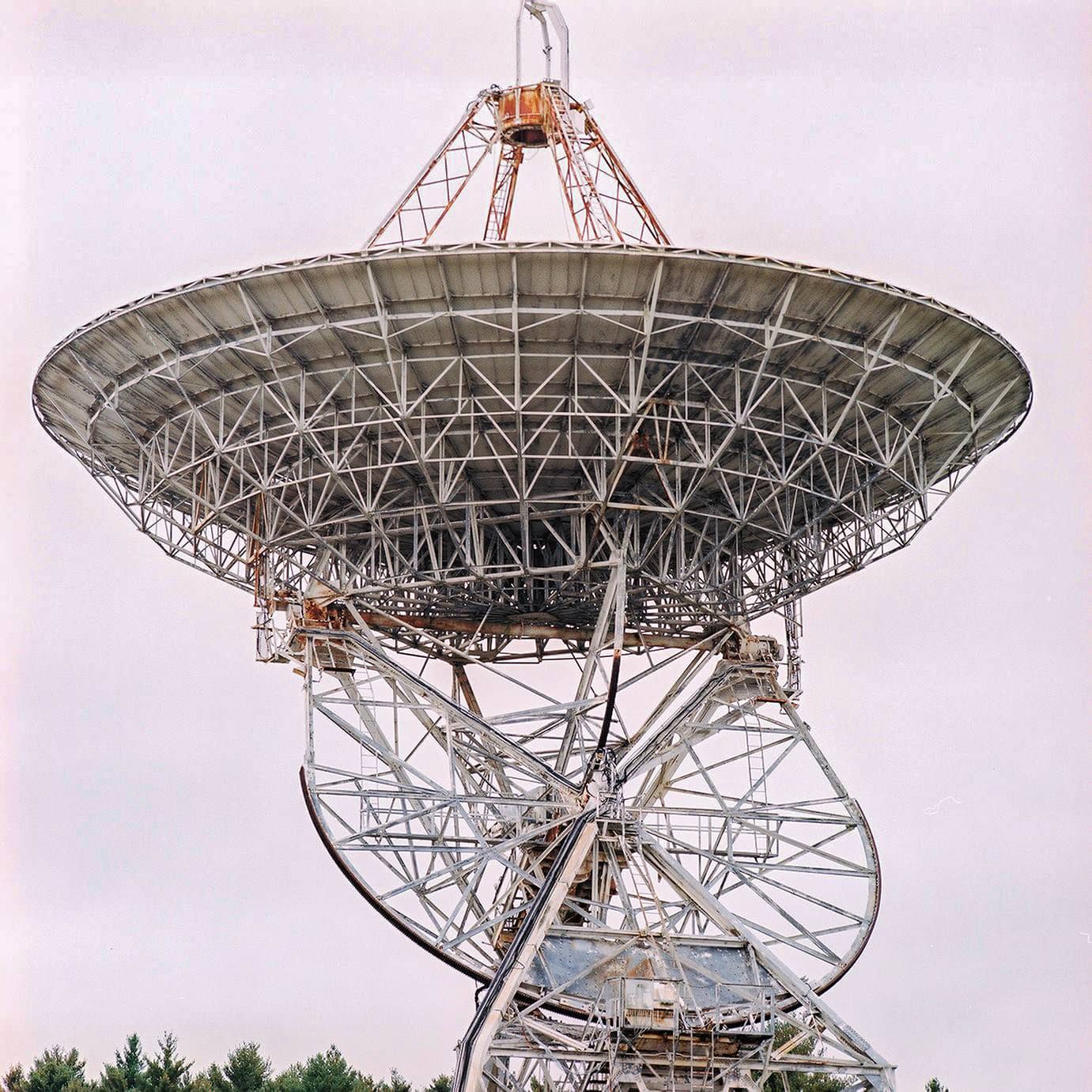
Over the decades, the observatory has been home to several iconic telescopes, each contributing to our understanding of the universe. The 140-foot telescope and the 26-meter telescope were instrumental in various astronomical discoveries. The development and construction of the Green Bank Telescope (GBT), which began observations in 2000, represented a major leap forward, making it the most advanced single-dish radio telescope in the world at its time.
The observatory's history is intertwined with the development of radio astronomy and the unique challenges of operating in a radio-quiet environment. Walking the grounds, you can still see remnants of older equipment, offering a tangible connection to the past and the continuous evolution of scientific inquiry.

Social
from TikTok, Instagram & Reddit