Florida Keys National Marine Sanctuary
Explore North America's only coral barrier reef, historic shipwrecks, and vibrant marine life in this protected underwater paradise.
Highlights
Must-see attractions

Social
From TikTok & Reddit
Best Time
Calm seas, great visibility
Florida Keys National Marine Sanctuary
Best Time
Calm seas, great visibility
Highlights
Must-see attractions
Explore North America's only coral barrier reef, historic shipwrecks, and vibrant marine life in this protected underwater paradise.
"A must-visit for anyone who loves the ocean, offering unparalleled snorkeling and diving experiences."

Book Snorkel/Dive Tours Early
Popular tours, especially to Looe Key, fill up fast. Book in advance to secure your spot! :admission_tickets:
Ethical Shelling is Key
Only collect empty shells. Leave occupied shells for their inhabitants. :shell:
Highlights
Discover the most iconic attractions and experiences
North America's Only Coral Barrier Reef
Florida Keys National Marine Sanctuary
Explore vibrant coral formations and diverse marine life on North America's only living coral barrier reef.
Historic Shipwreck Trail
Florida Keys National Marine Sanctuary
Dive or snorkel among fascinating shipwrecks, remnants of maritime history scattered across the sanctuary.
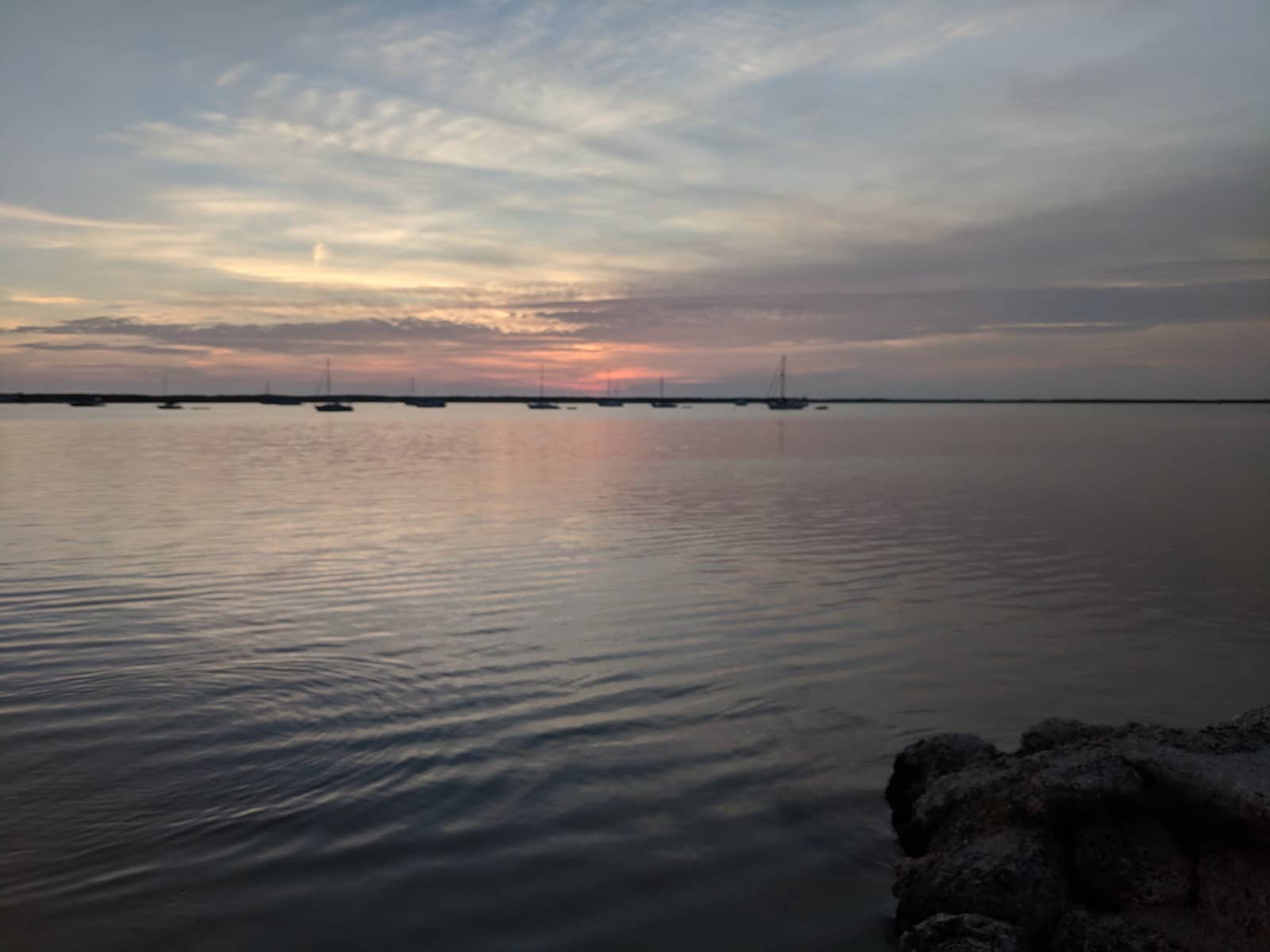
Mangrove Ecosystems
Florida Keys National Marine Sanctuary
Discover the vital role of mangrove islands, offering critical habitats and protecting coastlines.
Abundant Marine Wildlife
Florida Keys National Marine Sanctuary
Encounter sea turtles, dolphins, sharks, and countless fish species in their natural, protected environment.
Plans like a pro.
Thinks like you
Planning Your Visit
Timing is Everything for Marine Life
Respect the Sanctuary Rules
Best Times
Insider Tips
from TikTok, Instagram & Reddit
Book Snorkel/Dive Tours Early
Popular tours, especially to Looe Key, fill up fast. Book in advance to secure your spot! :admission_tickets:
Ethical Shelling is Key
Only collect empty shells. Leave occupied shells for their inhabitants. :shell:
Respect Marine Life
Never touch coral or feed animals. Observe from a distance to protect their habitat. :ocean:
Pack Reef-Safe Sunscreen
Protect yourself and the coral. Look for sunscreens free of oxybenzone and octinoxate. :sunwithface:
Tips
from all over the internet
Book Snorkel/Dive Tours Early
Popular tours, especially to Looe Key, fill up fast. Book in advance to secure your spot! :admission_tickets:
Ethical Shelling is Key
Only collect empty shells. Leave occupied shells for their inhabitants. :shell:
Respect Marine Life
Never touch coral or feed animals. Observe from a distance to protect their habitat. :ocean:
Pack Reef-Safe Sunscreen
Protect yourself and the coral. Look for sunscreens free of oxybenzone and octinoxate. :sunwithface:
Consider a Paddleboard Adventure
Explore shallow waters and mangrove islands at your own pace. Great for spotting marine life! :paddle_boat:
What Travellers Say
Reviews Summary
Visitors rave about the breathtaking underwater beauty of the Florida Keys National Marine Sanctuary, highlighting the vibrant coral reefs, diverse marine life, and historic shipwrecks. Many appreciate the opportunities for snorkeling and diving, as well as the educational aspect of learning about marine conservation. Some find the tours can be crowded during peak season, and occasional rough seas can impact visibility.
What People Like
What People Dislike
Frequently Asked Questions
🚇 🗺️ Getting There
The sanctuary is accessible by boat from various points along the Florida Keys. The closest major airports are Miami International Airport (MIA) and Fort Lauderdale-Hollywood International Airport (FLL). From there, you can drive down the Overseas Highway (US-1) to reach different access points like Key Largo, Marathon, or Key West. Many visitors opt for boat tours or charters that depart from these towns to explore the sanctuary's waters.
The most popular way to experience the sanctuary's underwater wonders is by joining a guided boat tour. Operators depart from Key Largo, Islamorada, Marathon, and Key West, offering trips to renowned spots like John Pennekamp Coral Reef State Park, Looe Key National Marine Sanctuary, and various shipwreck sites.,
You can drive to the Florida Keys, which serve as the gateway to the sanctuary. The Overseas Highway connects the islands. However, to access the actual marine sanctuary for activities like snorkeling or diving, you'll need to be on a boat.
The sanctuary itself is a vast underwater area. Access points are typically marinas and boat ramps in towns like Key Largo, Islamorada, Marathon, and Key West. John Pennekamp Coral Reef State Park in Key Largo is a well-known land-based access point for snorkeling and diving tours into the sanctuary.
Key Largo, Islamorada, Marathon, and Key West are the primary towns from which you can access the Florida Keys National Marine Sanctuary via boat tours and charters. Each offers unique access to different parts of the sanctuary.
🎫 🎫 Tickets & Entry
There isn't a general admission ticket for the sanctuary itself, as it's a protected marine area. However, you will need to pay for boat tours, park entrance fees (if accessing via state parks like John Pennekamp or Bahia Honda), or charter services to get out on the water.
Costs vary depending on your chosen activity. Boat tours for snorkeling or diving typically range from $50-$150 per person. State park entrance fees are usually around $4-$8 per vehicle. Chartering a private boat will be significantly more expensive.
For recreational activities like snorkeling and diving, no special permits are generally required beyond booking a tour. However, commercial operators and researchers need permits. Always ensure your tour operator is properly permitted.
Tour operators typically run trips throughout the day, with morning and afternoon departures being common. Hours can vary by season and operator, so it's best to check directly with the company you plan to book with.
While the sanctuary itself is a protected area, accessing its waters for activities usually involves costs for boat tours, park entry, or rentals. Some shallow areas might be accessible by kayak or paddleboard from shore, but this depends on the specific location.
🎫 🐠 Onsite Experience
Highly recommended spots include Looe Key National Marine Sanctuary, Sombrero Reef, Alligator Reef, and the waters around John Pennekamp Coral Reef State Park. These areas boast vibrant coral and diverse marine life.
You can encounter a wide array of marine life, including colorful fish, sea turtles, nurse sharks, dolphins, rays, and various invertebrates. The sanctuary is home to North America's only coral barrier reef.,,
,

Generally, yes, but always exercise caution. Stay aware of your surroundings, heed any warnings from your tour guide, and be mindful of currents. Avoid swimming alone and always let someone know your plans.
Absolutely! Numerous tour operators offer guided snorkeling, diving, and eco-tours. These tours are highly recommended for first-time visitors as they provide expert knowledge and ensure safe access to prime locations.,
Activities include snorkeling, scuba diving, kayaking, paddleboarding, fishing (with proper permits and regulations), wildlife viewing, and exploring historic shipwrecks.,,
,
🍽️ 🍽️ Food & Dining
No, the sanctuary is a protected marine area and does not have restaurants. You'll find dining options in the towns along the Florida Keys, such as Key Largo, Islamorada, Marathon, and Key West, before or after your marine excursions.
Seafood is king! Expect fresh catches like snapper, grouper, mahi-mahi, and conch. Key lime pie is a must-try dessert. Many restaurants offer casual waterfront dining experiences.
Most boat tour operators allow you to bring your own snacks and non-alcoholic beverages. It's always a good idea to confirm their specific policy when booking. Pack light and in reusable containers.
In Key Largo, consider restaurants near John Pennekamp. In Marathon, waterfront dining is popular. Key West offers a wide range of culinary experiences. Research local favorites based on your specific location.
Look for local seafood shacks, casual cafes, and food trucks. Packing your own picnic lunch to enjoy on a beach or boat can also save money.
📸 📸 Photography
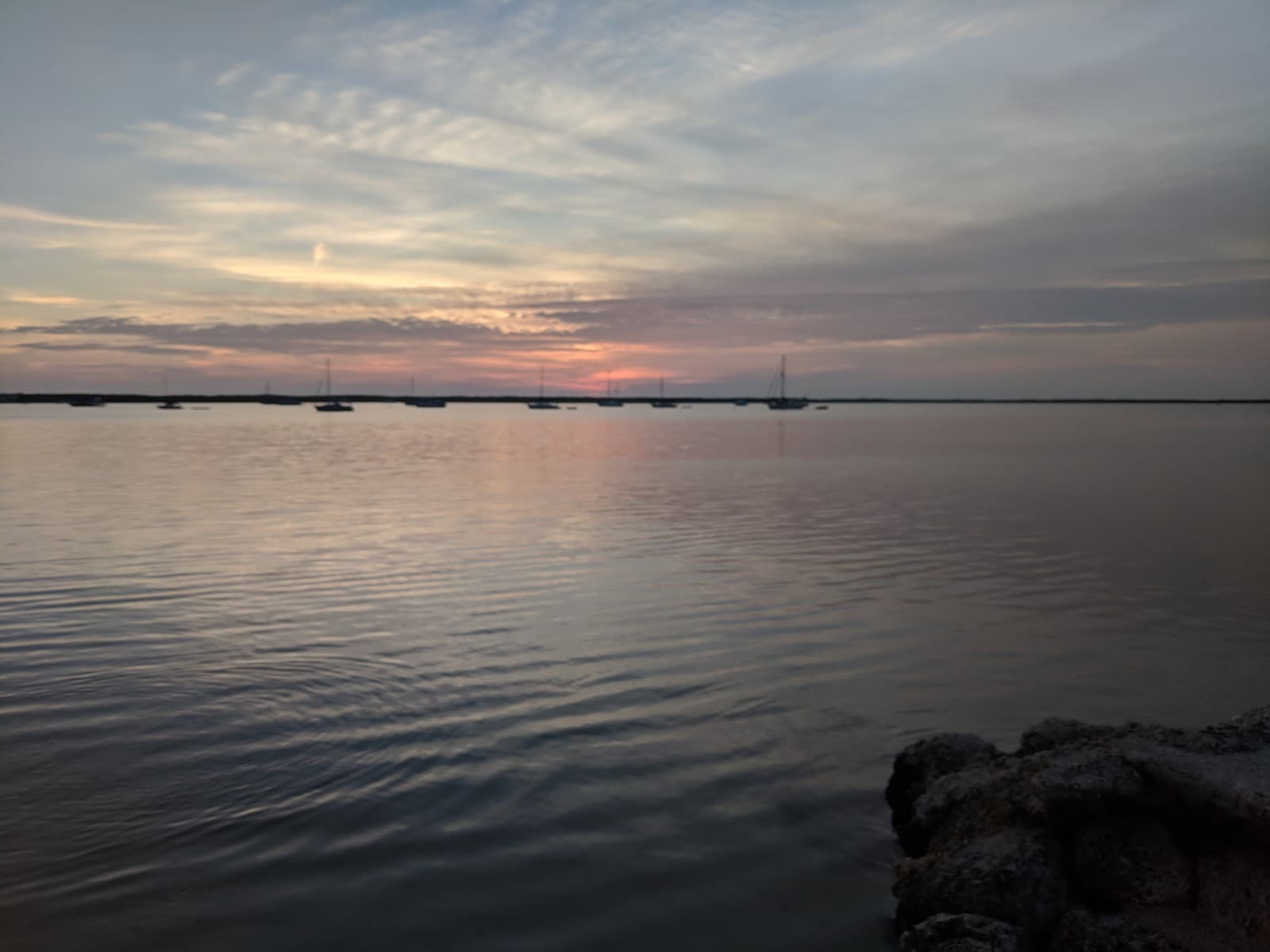
Capture the vibrant coral reefs, diverse marine life (sea turtles, fish, dolphins), historic shipwrecks, and stunning Keys sunsets. The mangrove islands also offer unique photographic perspectives.,
For underwater shots, a waterproof camera or a waterproof housing for your smartphone is essential. Consider a wide-angle lens for capturing reefs and a macro lens for smaller marine creatures.,
While dedicated photography tours might be less common, many general snorkeling and diving tours will take you to photogenic spots. Inform your guide that you're interested in photography, and they may be able to assist.
Early mornings and late afternoons often provide the best light for photography, with softer shadows and warmer hues. Golden hour before sunset is particularly magical.
Maintain a respectful distance, avoid using flash directly on sensitive creatures, and never chase or harass wildlife for a photo. Focus on capturing their natural behavior.
For Different Travelers
Tailored advice for your travel style
👨👩👧 Families with Kids
Consider resorts that cater to families, offering amenities like kids' clubs and shallow pools. Playa Largo Resort & Spa is noted for its family-friendly bungalows and activities.
🐠 Budget Travelers
Consider packing your own snacks and drinks to save on food costs during your excursions.
🐢 Eco-Conscious Travelers
, These initiatives directly contribute to preserving the sanctuary's delicate ecosystem. When choosing tours, opt for operators who demonstrate a strong commitment to sustainable practices. Look for those that educate visitors about marine conservation and adhere to strict guidelines for interacting with wildlife and coral. Ethical shelling is also a key practice; only collect empty shells and leave occupied ones for their inhabitants.,
Deep Dives
In-depth insights and expert knowledge
Exploring the Coral Reefs
Popular reef sites within the sanctuary include Looe Key, known for its biodiversity, and the areas around John Pennekamp Coral Reef State Park. Visibility can vary, but on a clear day, you'll be mesmerized by the kaleidoscope of colors from angelfish, parrotfish, butterflyfish, and more. Keep an eye out for larger residents like sea turtles and nurse sharks, which are commonly spotted in these protected waters.,
When planning your reef exploration, consider the time of year. Winter months often offer calmer seas and better visibility, while summer brings warmer waters. Always choose reputable tour operators who prioritize conservation and provide clear guidelines for interacting with the marine environment.
The Importance of Mangrove Ecosystems
Exploring these mangrove areas, often by kayak or paddleboard, offers a different perspective on the Keys' natural beauty. You can witness the transition from land to sea, observe wading birds, and sometimes spot manatees or dolphins in the calmer, protected waters. Many eco-tours focus on the ecological significance of these habitats, highlighting their role in storm protection and water quality.,
Respecting these sensitive areas is paramount. Avoid disturbing the mangroves or their inhabitants. Many tours emphasize ethical exploration, ensuring that visitors understand the ecological value of these areas and contribute to their preservation. The health of the mangroves is directly linked to the health of the coral reefs and the overall marine ecosystem within the sanctuary.
Discovering Historic Shipwrecks
Popular shipwreck sites include the Vandenberg wreck, a deliberately sunk ship that has become a thriving artificial reef, and various other historical wrecks scattered throughout the sanctuary. These sites are often accessible via specialized dive charters that cater to wreck enthusiasts. The marine life that has colonized these structures, such as barracuda, groupers, and various reef fish, adds to the allure.
When exploring shipwrecks, safety and respect are key. Divers should be experienced and aware of the potential hazards associated with wreck penetration. Always dive with a certified guide who knows the site well and adheres to all sanctuary regulations. The preservation of these underwater historical sites is a priority, ensuring they remain intact for future exploration.
Social
from TikTok, Instagram & Reddit