Oregon Whale Watching Center
Depoe Bay's free whale watching center offers educational exhibits and binoculars to spot migrating gray whales and other marine life along the stunni...
Highlights
Must-see attractions

Social
From TikTok & Reddit
Best Time
Peak gray whale migration
Oregon Whale Watching Center
Best Time
Peak gray whale migration
Highlights
Must-see attractions
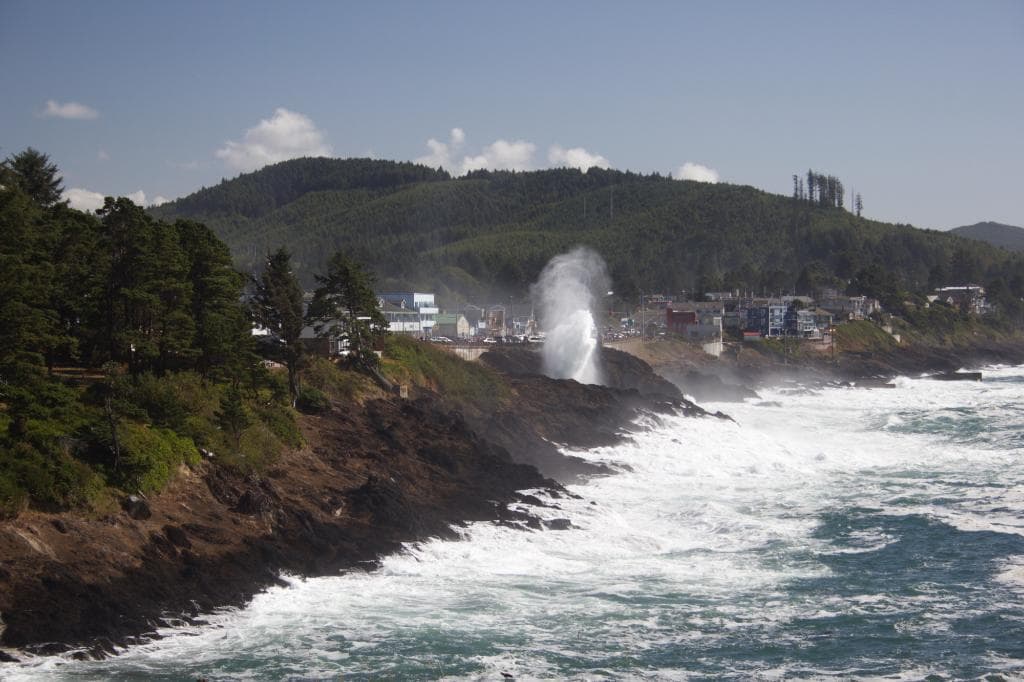
Depoe Bay's free whale watching center offers educational exhibits and binoculars to spot migrating gray whales and other marine life along the stunning Oregon Coast.
"A must-stop on the Oregon Coast, with friendly staff and awesome views for whale spotting!"
🎯 Arrive Early for Parking
Parking is notoriously difficult. Aim for weekday mornings to snag a spot near the center or observation decks.
🔭 Utilize Provided Binoculars
The center offers binoculars to help you spot whales. Don't forget your own camera for capturing these magnificent creatures!
Highlights
Discover the most iconic attractions and experiences
Depoe Bay Whale Watching Center
Depoe Bay, Oregon Coast
Free exhibits and knowledgeable staff offer insights into whale migrations and marine life. Binoculars provided for optimal viewing.
Shore Observation Decks
Along the Depoe Bay sea wall
Several vantage points along the coast offer excellent opportunities to spot whales from land. Keep an eye out for updated sighting charts.
Whale Watching Charter Boats
Depoe Bay Harbor
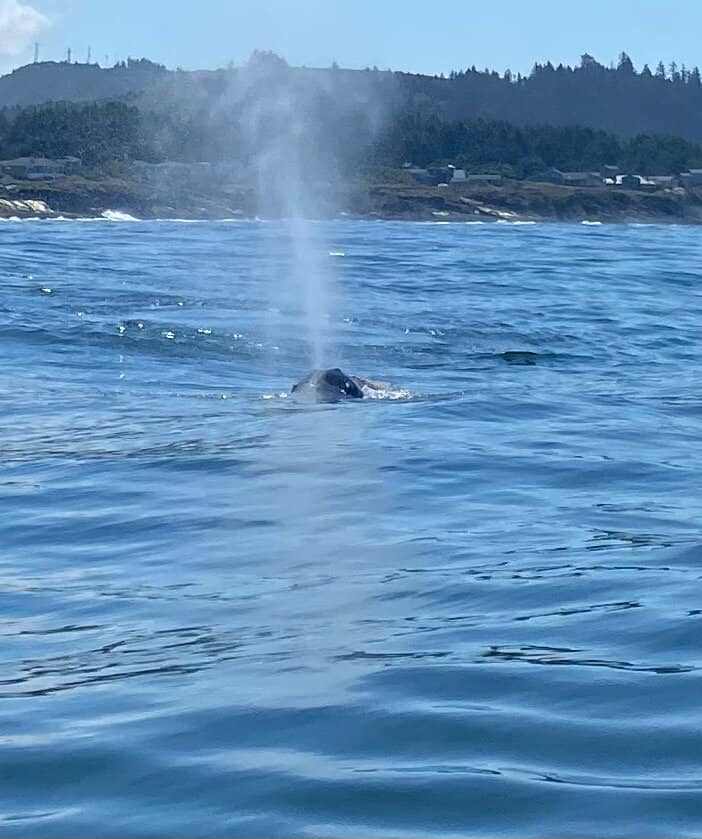
For a closer encounter, book a charter boat tour. Experience the thrill of seeing whales breach and play in their natural habitat.
Plans like a pro.
Thinks like you
Planning Your Visit
Timing is Everything for Whale Sightings

Parking Pains & Best Viewing Spots
Best Times
Insider Tips
from TikTok, Instagram & Reddit
🎯 Arrive Early for Parking
Parking is notoriously difficult. Aim for weekday mornings to snag a spot near the center or observation decks.
🔭 Utilize Provided Binoculars
The center offers binoculars to help you spot whales. Don't forget your own camera for capturing these magnificent creatures!
📚 Engage with Staff & Volunteers
The center's staff and volunteers are incredibly knowledgeable and eager to share insights about whale behavior and sightings.
📱 Check Sighting Updates
Look for regularly updated charts at the center or online for the latest whale sighting information.
Tips
from all over the internet
🎯 Arrive Early for Parking
Parking is notoriously difficult. Aim for weekday mornings to snag a spot near the center or observation decks.
🔭 Utilize Provided Binoculars
The center offers binoculars to help you spot whales. Don't forget your own camera for capturing these magnificent creatures!
📚 Engage with Staff & Volunteers
The center's staff and volunteers are incredibly knowledgeable and eager to share insights about whale behavior and sightings.
📱 Check Sighting Updates
Look for regularly updated charts at the center or online for the latest whale sighting information.
🛥️ Consider a Boat Tour
For an up-close experience, book a whale watching charter from Depoe Bay's harbor.
What Travellers Say
Reviews Summary
Visitors rave about the Oregon Whale Watching Center for its knowledgeable and friendly staff, educational exhibits, and the sheer thrill of spotting whales. The free admission and prime location on the coast are major draws. However, parking can be a significant challenge, and some visitors have been disappointed by not seeing whales despite the center's reputation.
"This is a must stop when exploring the Oregon Coast. The people on staff are very friendly, knowledgeable and helpful. An abundance of educational materials are on hand along with regularly updated charts of recent sightings. And the view is awesome!"
Maela Moore
"A jewel of the Oregon Coast! The staff are super knowledgeable and kind, the exhibits are informative, they have binoculars and it is kept very clean! They post numbers and dates of whales seen and share cool stories and data points!"
Josh
"It very busy and hard to find parking, but so cool to see. There were a lot of boats out which was cool, but I didn’t see any whales."
Olivia Garcia
What People Like
What People Dislike
Frequently Asked Questions
🚇 🗺️ Getting There
The Oregon Whale Watching Center is located in Depoe Bay, Oregon, along Highway 101. It's easily accessible by car. If you're driving from Portland, it's about a 2-hour scenic drive. Parking can be challenging, so consider arriving early or exploring nearby street parking.
Public transportation options directly to Depoe Bay are limited. Most visitors arrive by car. If traveling from larger cities like Portland, you might consider regional bus services to a nearby town and then arranging local transport or a taxi.
The most direct route is via US-26 W to US-101 S. The drive along the Oregon Coast Highway (US-101) offers stunning views. Be prepared for winding roads and potential traffic, especially during peak season.
The center is generally accessible, with ramps and pathways designed for visitors. However, parking can be a challenge. It's always a good idea to call ahead if you have specific accessibility needs.
Parking is often difficult, especially on weekends and during peak whale watching seasons. Try arriving early in the morning or later in the afternoon. Look for angled street parking along the highway and be cautious when backing out.
🎫 🎫 Tickets & Entry
No, admission to the Oregon Whale Watching Center is free! It's a fantastic way to experience whale watching without any cost.
The center is typically open from 10 AM to 4 PM, Wednesday through Sunday. It is usually closed on Mondays and Tuesdays. It's always best to check the official Oregon State Parks website for the most current hours, especially during holidays or off-season.
The prime whale watching season in Depoe Bay is from March through December, coinciding with the migration of gray whales. Peak times are mid-December to mid-January and again from late March to May.
Yes, Oregon State Parks often hosts special 'Whale Watch Weeks' in late December and late March, with extra volunteers and staff to assist visitors. These are popular times, so expect larger crowds.
Absolutely! The center itself provides excellent viewing opportunities with binoculars, and there are numerous shore observation decks along the sea wall where you can spot whales.
🎫 🧭 Onsite Experience
You can expect to see migrating gray whales, and potentially other marine mammals like seals, sea lions, and various seabirds. The center offers educational exhibits about whale biology, migration patterns, and conservation efforts.
Yes, the center provides binoculars for visitors to use, which greatly enhances the whale-watching experience.
The exhibits are educational and informative, covering topics such as whale anatomy, migration routes, the history of whale watching in Depoe Bay, and conservation efforts. They also feature regularly updated charts of recent whale sightings.
While Depoe Bay is known as the 'whale watching capital,' sightings are not guaranteed. However, the March-December migration period offers the highest probability. Patience and a keen eye are key!
Besides the center, the entire sea wall running along the downtown area offers excellent viewing points. Many visitors also enjoy the numerous shore observation decks scattered along the coast.
🍽️ 🍽️ Food & Dining
Yes, Depoe Bay has several restaurants and cafes located along the waterfront, many offering ocean views. You can find seafood, casual dining, and grab-and-go options.
While there are no specific restrictions mentioned, it's generally good practice to consume food and drinks outside the exhibit areas to maintain the cleanliness and integrity of the displays.
Seafood is a specialty in Depoe Bay, with many restaurants offering fresh catches of the day. You'll also find classic American fare and casual dining options.
While dedicated picnic areas directly at the center might be limited, the scenic coastal location offers many opportunities for a picnic with a view along the sea wall or nearby parks.
Popular choices often include restaurants with ocean views along the main street. It's advisable to check recent reviews for current recommendations and operating hours.
📸 📸 Photography
Early morning and late afternoon often provide the best light for photography, with softer shadows and warmer tones. The 'golden hour' before sunset can be particularly stunning.
A telephoto lens is highly recommended for capturing whales from a distance. A tripod can be helpful for stability, especially in windy conditions. Don't forget a wide-angle lens for capturing the dramatic coastal scenery.
Generally, personal photography is allowed. However, it's always wise to be mindful of other visitors and avoid using flash photography that might disturb wildlife or interfere with exhibits.
The observation decks along the sea wall offer unobstructed views. If you're on a boat tour, the open ocean provides dynamic angles. The dramatic coastline itself makes for stunning backdrops.
Patience is key! Keep your camera ready and use a fast shutter speed to freeze the action. Anticipating where a whale might breach can improve your chances.
For Different Travelers
Tailored advice for your travel style
👨👩👧 Families with Kids
Pack snacks and drinks, as dining options might require a short walk or drive. The observation decks offer safe viewing areas, but always supervise children closely near the water. The educational aspect of the center, with its knowledgeable staff, can turn a fun outing into a memorable learning adventure about marine life and conservation.
💰 Budget Travelers
To keep costs down, pack your own lunch and snacks. While boat tours offer a closer experience, they come with a price tag. Prioritize exploring the numerous free observation points along the Depoe Bay sea wall. This allows you to enjoy the spectacle of whale watching without breaking the bank.
📸 Photography Enthusiasts
+1Consider visiting during the golden hours (early morning or late afternoon) for the best light. If you opt for a boat tour, be prepared for dynamic angles and the challenge of capturing a breaching whale. Remember to protect your gear from sea spray and wind.
Deep Dives
In-depth insights and expert knowledge
Understanding Whale Migrations in Depoe Bay
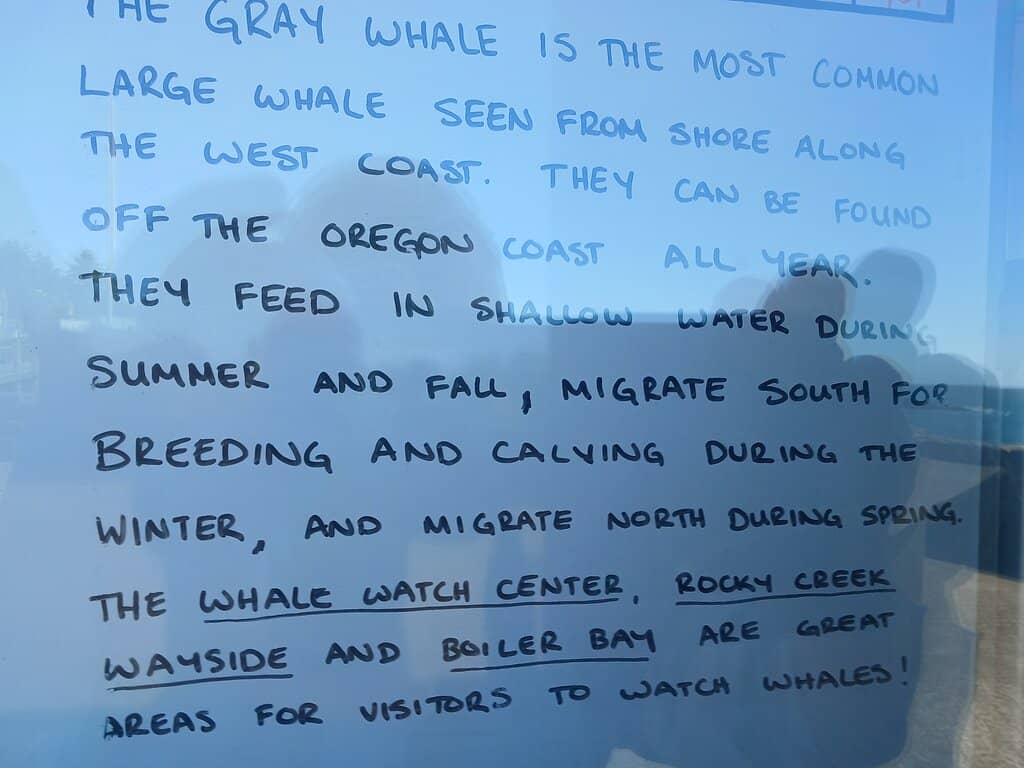
+1During these migration periods, the unique underwater topography off Depoe Bay, including a deep canyon just offshore, attracts whales. This allows them to feed on krill and small fish, making them more visible to observers. While gray whales are the most common, visitors might also spot humpback whales, orcas, and blue whales at different times of the year, though these sightings are less frequent. The Oregon Whale Watching Center and local charter boats are equipped to help visitors identify and learn about these diverse marine species.
Beyond the gray whale migration, Depoe Bay also hosts resident whales and other marine life year-round. Seals, sea lions, and a variety of seabirds are frequently seen. The center's educational exhibits and the expertise of its staff and volunteers provide invaluable context, turning a simple sighting into a rich learning experience about marine ecosystems and conservation efforts.
Maximizing Your Whale Watching Experience
+1Many visitors recommend arriving early, especially on weekends, to contend with parking challenges. The sea wall in Depoe Bay is lined with viewing spots, and local charter companies offer excursions that can get you closer to the whales. These boat tours, while an additional cost, provide a unique perspective and often lead to more intimate encounters with marine life.
+1Engaging with the staff and volunteers at the center is highly recommended. They are a wealth of knowledge, sharing fascinating facts about whale behavior, migration patterns, and recent sightings. Their insights can significantly enhance your understanding and appreciation of the marine environment. Remember to dress in layers, as coastal weather can change rapidly, and bring your camera to capture the unforgettable moments.

Social
from TikTok, Instagram & Reddit