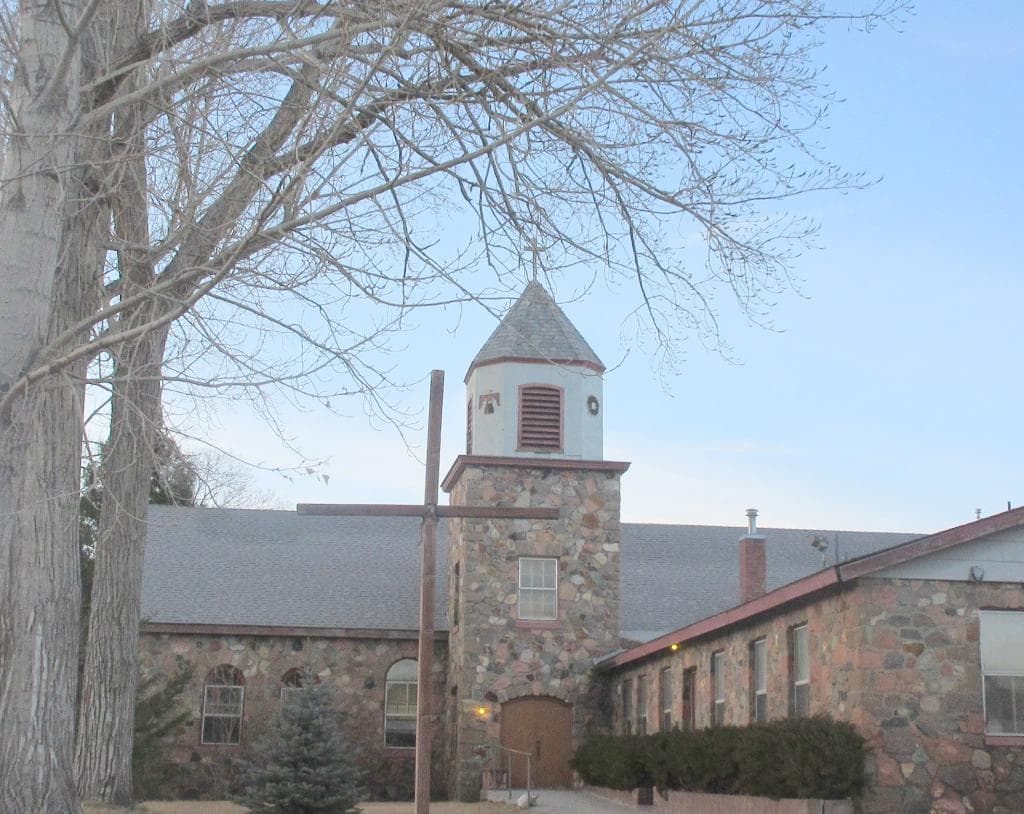
Stewart Indian School Historic District
A profound historic district preserving the complex legacy of Native American boarding schools through exhibits and architecture.
Highlights
Must-see attractions

Social
From TikTok & Reddit
Best Time
Fewer crowds, more personal interaction
Stewart Indian School Historic District
Best Time
Fewer crowds, more personal interaction
Highlights
Must-see attractions
A profound historic district preserving the complex legacy of Native American boarding schools through exhibits and architecture.
"This is the hidden gem of Nevada historical sites! The campus is large and has many beautiful buildings."

🗣️ Engage with Staff
Former students and knowledgeable staff offer invaluable firsthand accounts. Ask questions!
🚶♀️ Explore the Campus
Don't just visit the museum; walk the grounds to appreciate the scale and architecture.
Highlights
Discover the most iconic attractions and experiences
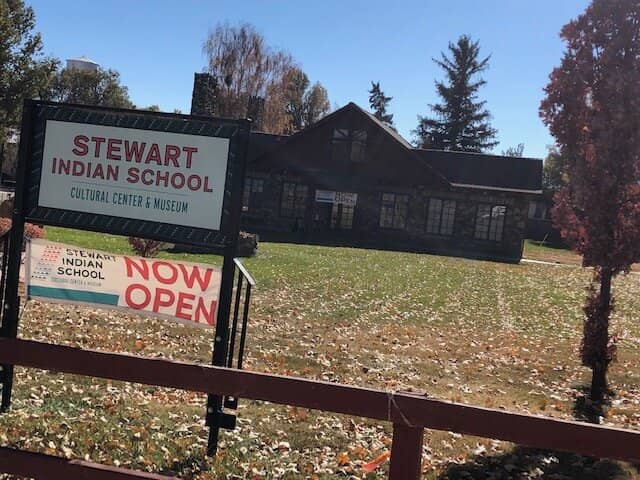
Stewart Indian School Welcome Center & Museum
Main campus building
Discover the school's complex history through engaging exhibits and personal stories from former students and staff.
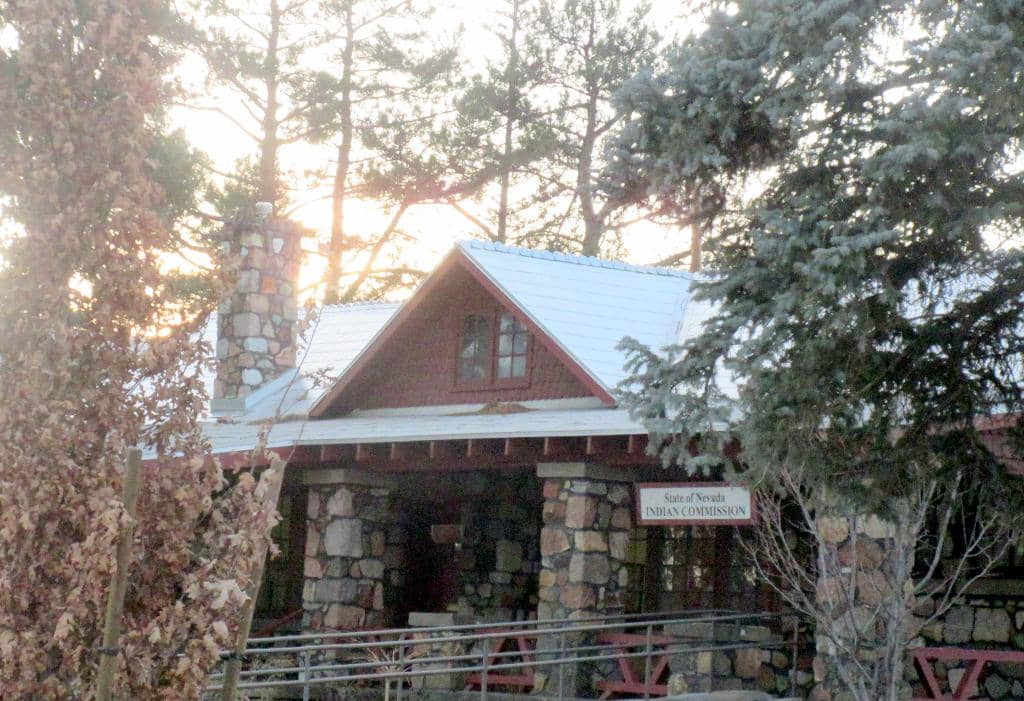
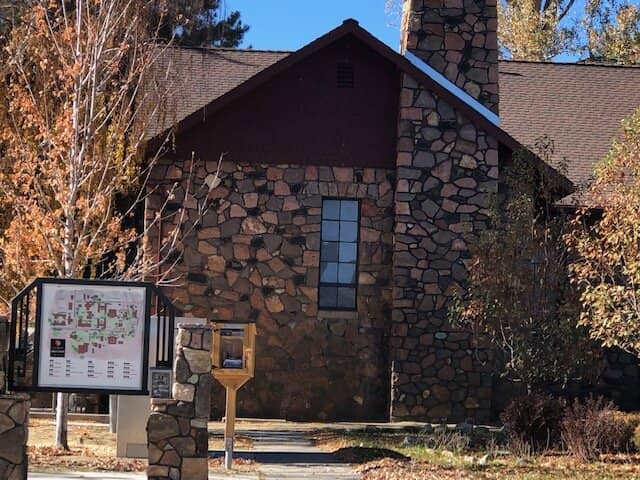
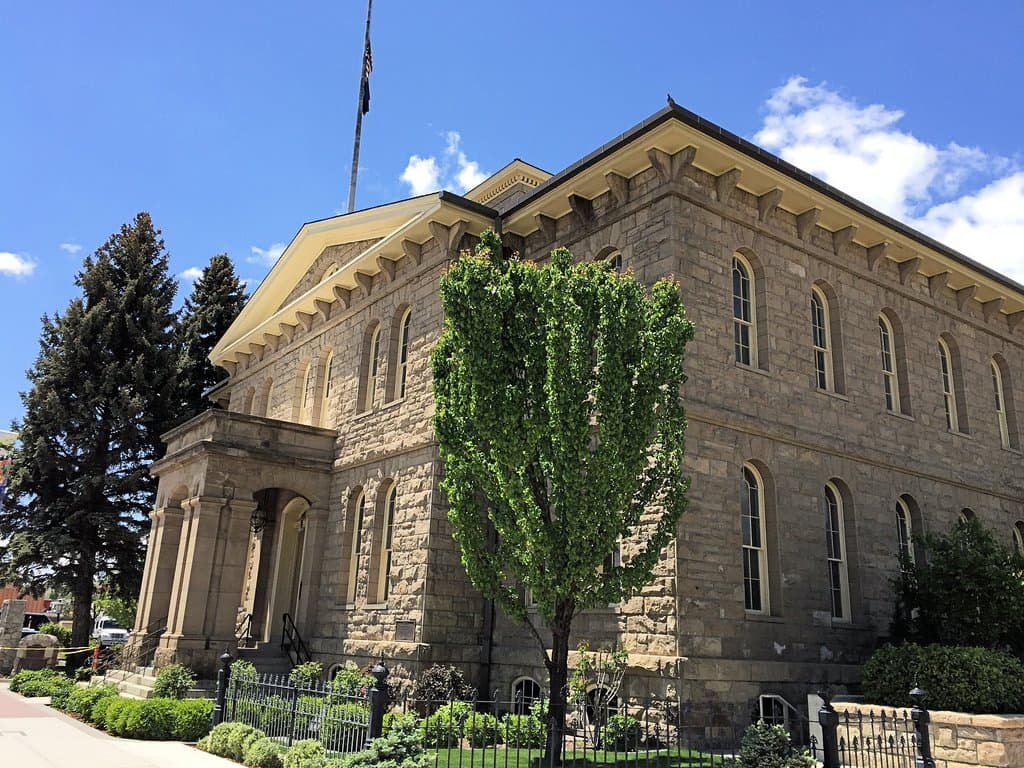
Historic Stone Architecture
Throughout the campus
Admire the striking, century-old buildings constructed from local stone, showcasing a unique architectural heritage.
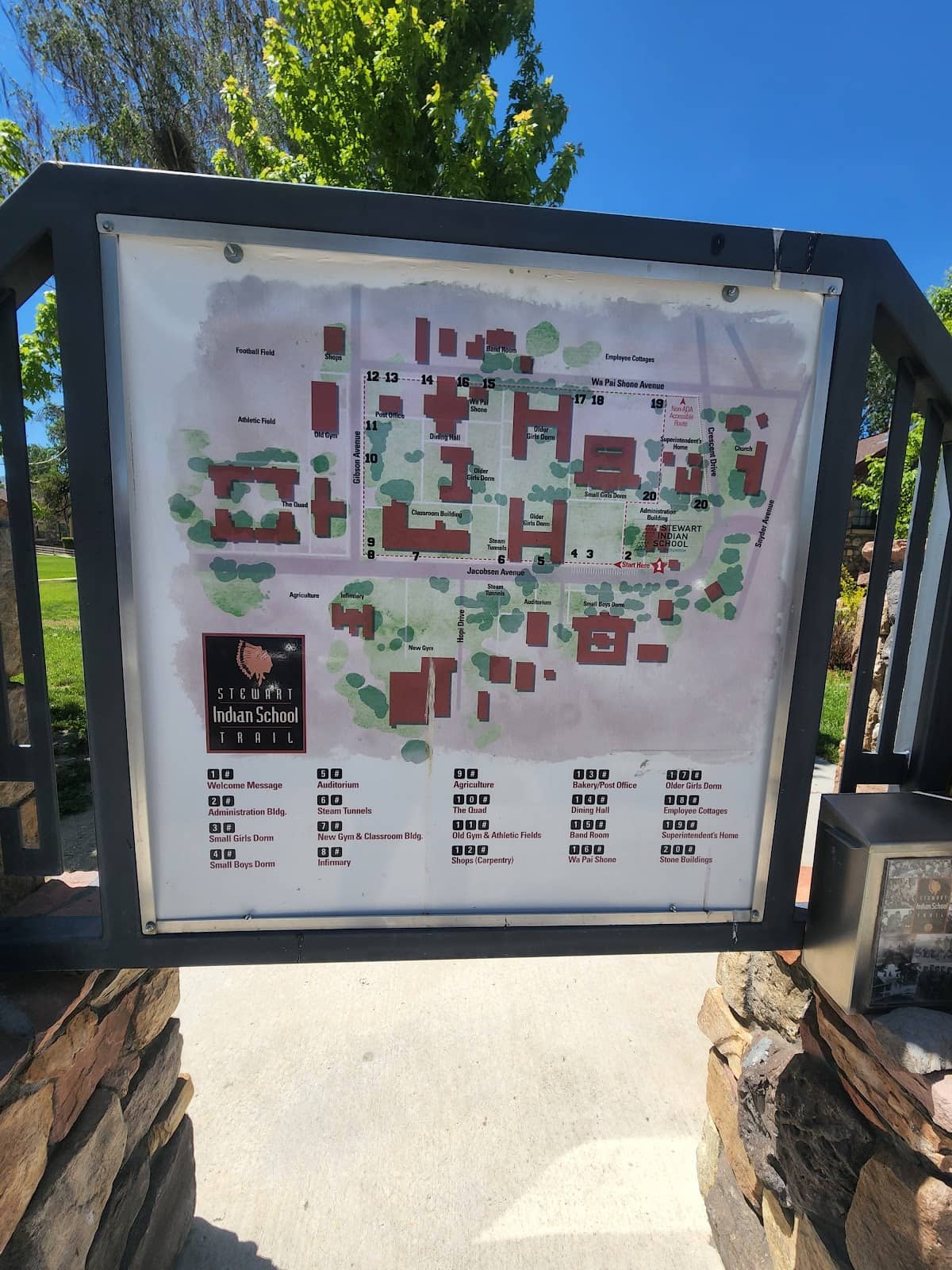
Audio Walking Tour
Campus grounds
Gain deeper insights into the school's past with an informative audio tour accessible via phone.
Plans like a pro.
Thinks like you
Planning Your Visit
Understand the History
Explore the Grounds
Best Times
Insider Tips
from TikTok, Instagram & Reddit
Any recommendations on where to learn about Washoe and the surrounding counties native history?
🗣️ Engage with Staff
Former students and knowledgeable staff offer invaluable firsthand accounts. Ask questions!
🚶♀️ Explore the Campus
Don't just visit the museum; walk the grounds to appreciate the scale and architecture.
🎧 Use the Audio Tour
Enhance your visit with the audio walking tour for historical context on each building.
🏛️ Check Museum Hours
The museum is the primary visitor center; confirm operating hours before your visit.
Tips
from all over the internet
🗣️ Engage with Staff
Former students and knowledgeable staff offer invaluable firsthand accounts. Ask questions!
🚶♀️ Explore the Campus
Don't just visit the museum; walk the grounds to appreciate the scale and architecture.
🎧 Use the Audio Tour
Enhance your visit with the audio walking tour for historical context on each building.
🏛️ Check Museum Hours
The museum is the primary visitor center; confirm operating hours before your visit.
❤️ Support Preservation
This historic treasure is vital. Your visit supports its continued preservation.
What Travellers Say
Reviews Summary
Visitors consistently praise the Stewart Indian School Historic District as a vital historical treasure, highlighting its profound and honest portrayal of a difficult past. The museum's engaging exhibits and the knowledgeable staff, including former students, are frequently cited as major strengths. While some buildings are in disrepair, the well-maintained campus and the opportunity for an insightful audio tour make it a highly recommended stop for understanding Native American history.
"This is truly a historic treasure that survives to this day! The subject is tough, but the truth was told!!"
cara welch
"This is the hidden gem of Nevada historical sites! The campus is large and has many beautiful buildings built with the most spectacular local stone. One of the buildings is the Stewart Indian School welcome center and museum. Kay greeted us upon entry with the history of the school. Kay is very adept at story telling, she gave a detailed and well rounded history of the school, it's ups and its downs. She is also conversant with many facts and answered all of our questions. The museum itself is fantastic, much more then we expected! It was first opened in 2019 and uses modern technology to portray the many facets of the school's history. This is one historical site no one should miss!"
Suzanne Miladin
"For some reason I was under the impression this school was still open when in fact only one building is open, a musuem/research/culture center; while other buildings have been re-purposed for state agencies and the remaining structures have been shuttered and left to ruin. The grounds are very well kept, in sharp contrast to some of the dilapidated buildings. There is an audio walking tour that visitors can complete by calling the posted phone # and selecting the appropriate location. There was a gentleman working at the culture center who was a former student of the school! He was very knowledgeable and full of first hand accounts of what the school was like for the students. Very interesting place to stop and get a perspective on how the natives were treated."
Jeanette
What People Like
What People Dislike
Frequently Asked Questions
🚇 🗺️ Getting There
The Stewart Indian School Historic District is located in Carson City, Nevada. It's easily accessible by car, with ample parking available on campus. If you're coming from out of town, you'll likely fly into Reno-Tahoe International Airport (RNO) and then drive approximately 30 minutes south to Carson City.
Public transportation options to Carson City are limited. While there might be local bus services within Carson City, it's generally recommended to have a car for the most convenient access to the historic district.
There is parking available on the campus grounds. Visitors can typically find convenient spots near the Welcome Center and Museum, which serves as the main entry point.
Yes, the campus is spread out but generally easy to navigate. The audio walking tour is designed to guide visitors through the key areas and buildings.
Carson City offers several other attractions, including the Nevada State Museum, the Nevada State Capitol Building, and the historic downtown area, making it a great destination for a day trip or longer stay.
🎫 🎫 Tickets & Entry
As of recent information, there is no charge to visit the Stewart Indian School Historic District and its museum. This makes it an accessible and valuable historical site for everyone.
The operating hours for the Welcome Center and Museum can vary, especially on holidays. It's highly recommended to check the official website or call ahead to confirm their current hours of operation before your visit.
Yes, you can still walk through the campus and admire the historic architecture even when the museum is closed. The grounds are generally accessible, and you can utilize the audio walking tour.
The audio walking tour is typically included with your visit or accessible via a phone call to a posted number on campus, often at no additional charge. It's a great way to learn about the history of the buildings.
Keep an eye on the Stewart Indian School's official channels for information on special events, guided tours, or educational programs that may be offered throughout the year.
🎫 🧭 Onsite Experience
You can explore the Welcome Center and Museum with its exhibits on the school's history, walk the expansive campus to admire the historic stone architecture, and use the audio walking tour for detailed information about the buildings and their past.
A visit can range from 1-2 hours if you focus on the museum and a brief campus walk, to 2-3 hours if you utilize the audio tour and spend more time reflecting on the exhibits and grounds.
The main pathways on campus are generally accessible, but some older buildings may have limitations. The museum itself is designed to be accessible. It's advisable to contact the site directly for specific accessibility concerns.
Photography for personal use is generally permitted on the grounds. However, it's always a good idea to be respectful of the historical significance of the site and any ongoing activities.
The Stewart Indian School was a government-run boarding school for Native American children, operating from 1890 to 1980. It represents a critical and often painful chapter in Native American history, focusing on assimilation policies and the experiences of Indigenous students.
📸 📸 Photography
The historic stone buildings themselves are incredibly photogenic, especially the main museum building. The expansive grounds offer opportunities to capture the scale of the campus and the architectural details.
For professional photoshoots, it's best to inquire with the site management beforehand. There may be specific guidelines or permit requirements.
Early morning or late afternoon light can be beautiful for capturing the stone architecture and the expansive grounds. Golden hour can add a warm glow to the historic buildings.
Drone usage is typically restricted at historical sites to protect the integrity of the structures and for visitor safety. Always check local regulations and site-specific rules before flying a drone.
A wide-angle lens is great for capturing the scale of the buildings and campus. A standard zoom lens is versatile for details. Consider a tripod for low-light conditions or to ensure sharp images of the architecture.
For Different Travelers
Tailored advice for your travel style
👨👩👧 Families with Kids
When visiting with children, consider focusing on the architectural aspects of the stone buildings and the vastness of the campus as points of interest. The contrast between the past and present use of buildings can also be a good discussion starter. Ensure you check the museum's hours in advance, as younger children may have shorter attention spans. The overall experience can be a valuable lesson in empathy and historical awareness, fostering a deeper appreciation for Native American heritage.
📚 History Enthusiasts & Researchers
The campus itself is a living archive, with many original buildings still standing. The audio walking tour offers a structured way to explore the physical remnants of the school's operational history. Researchers may find the site particularly compelling for understanding assimilation policies, educational practices of the era, and the enduring impact on Indigenous communities. The ongoing preservation efforts also indicate a commitment to maintaining the site as a significant historical landmark for study and remembrance.
Deep Dives
In-depth insights and expert knowledge
The History and Legacy of Stewart Indian School
The legacy of Stewart Indian School is complex and deeply felt. While the institution represents a painful chapter of cultural suppression and trauma, it also stands as a testament to the resilience and survival of Native American peoples. The Welcome Center and Museum at the historic district plays a crucial role in preserving this history, offering exhibits that share the stories of former students and staff. These narratives provide a vital, human perspective on the boarding school experience, moving beyond statistics to highlight individual struggles, triumphs, and the enduring strength of Indigenous cultures. The site serves as an important educational resource for understanding this critical aspect of American history.
Today, the Stewart Indian School Historic District is a place of remembrance, education, and cultural revitalization. The campus, with its distinctive stone architecture, is being preserved and repurposed to honor its past while looking towards the future. Efforts are underway to rehabilitate various buildings, including the gymnasium, with the hope of fully restoring the campus. Visitors are encouraged to engage with the exhibits, listen to the personal accounts shared by former students and staff, and reflect on the profound impact of the boarding school era on Native American communities. The site is a powerful reminder of the importance of truth-telling and reconciliation in understanding the nation's history.
Exploring the Architecture and Grounds
Beyond the museum, the expansive grounds themselves are an integral part of the historical experience. The audio walking tour is an invaluable tool for visitors, providing context and stories for each significant building and area. This self-guided tour allows you to explore at your own pace, learning about the daily life, challenges, and even moments of community that existed within the school's walls. The contrast between the well-maintained museum and some of the shuttered or repurposed buildings highlights the ongoing efforts and aspirations for the site's future preservation and rehabilitation.
Visitors often remark on the peaceful yet poignant atmosphere of the campus. It’s a place where one can imagine the buildings alive with children, reflecting on the dual nature of the school: a place of forced assimilation and hardship, but also a site where friendships were forged and resilience was built. The well-kept grounds, in contrast to some of the more dilapidated structures, underscore the importance placed on preserving this historical site and its stories for future generations.
Social
from TikTok, Instagram & Reddit