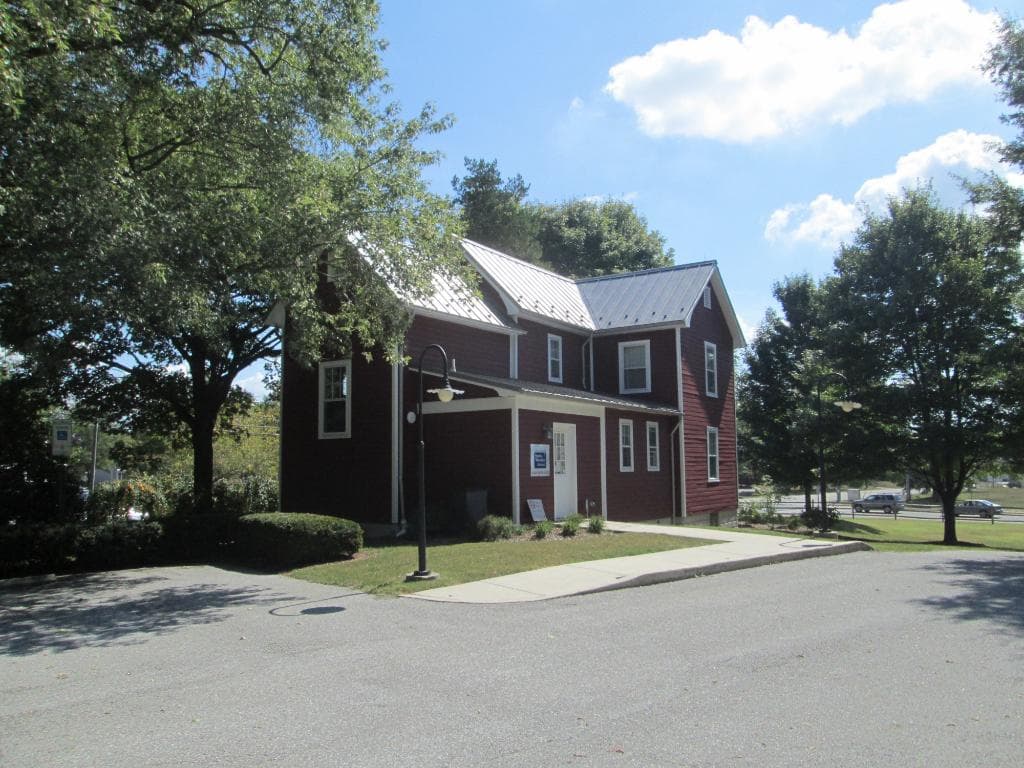
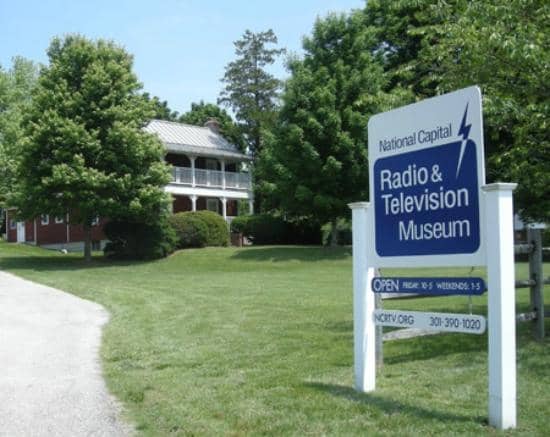
National Capital Radio and Television Museum
A hidden gem celebrating the evolution of radio and television, featuring working vintage electronics and passionate docents.
Highlights
Must-see attractions

Social
From TikTok & Reddit
Best Time
Fewer crowds, more docent time
National Capital Radio and Television Museum
Best Time
Fewer crowds, more docent time
Highlights
Must-see attractions
A hidden gem celebrating the evolution of radio and television, featuring working vintage electronics and passionate docents.
"This museum is an authentic treasure, well worth the effort to visit this small, 'out of the way' location."
🎯 Ask for a Tour!
Docents are incredibly knowledgeable and make the exhibits come alive. Don't miss this!
💰 Consider a Donation
This gem is supported by donations. Bring cash to contribute to preserving this history.
Highlights
Discover the most iconic attractions and experiences
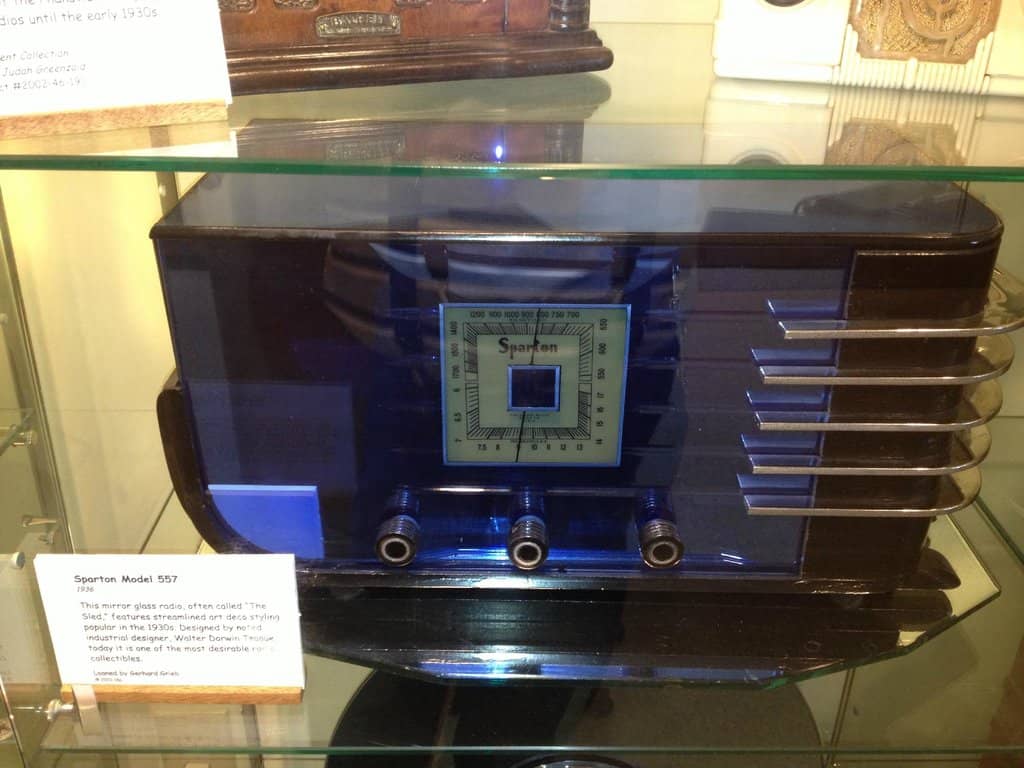
Vintage Radios
Main exhibition floors
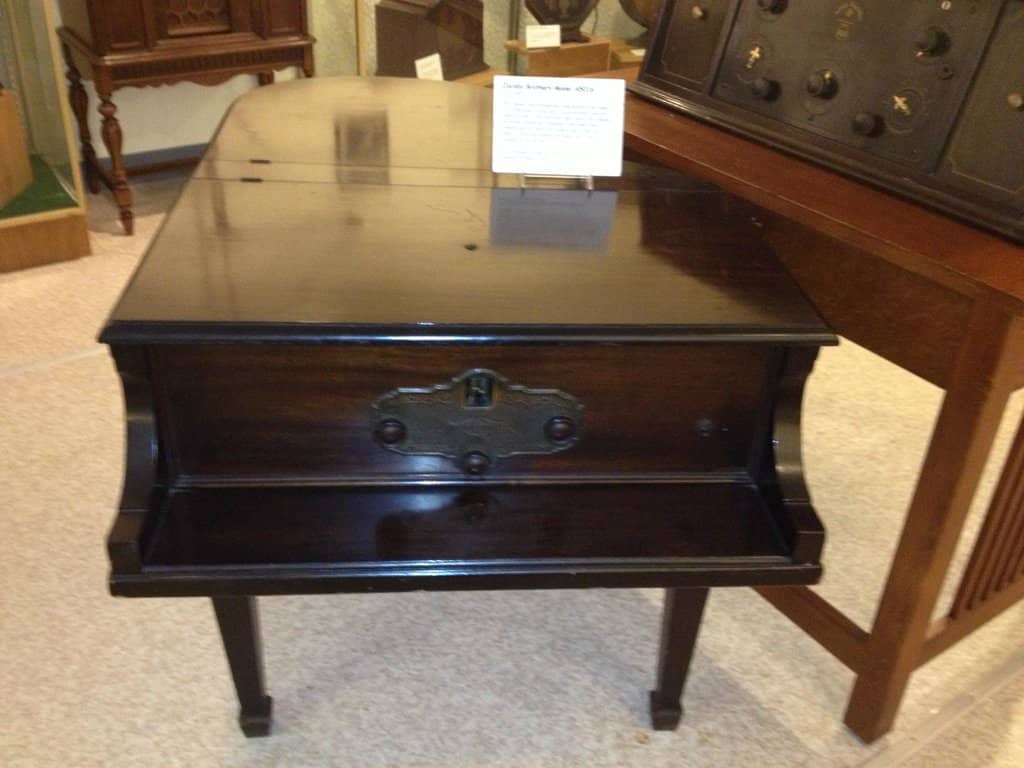
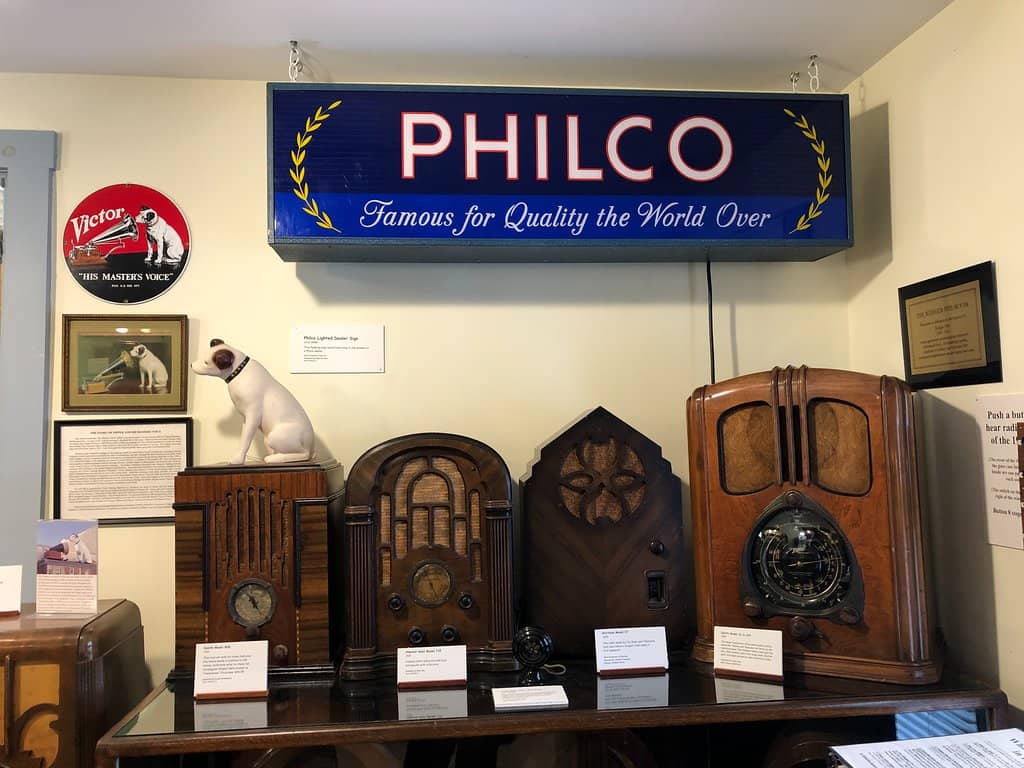
Marvel at 'portable' wooden radios that look like furniture and hear the warm, crackly sounds of working vintage devices.
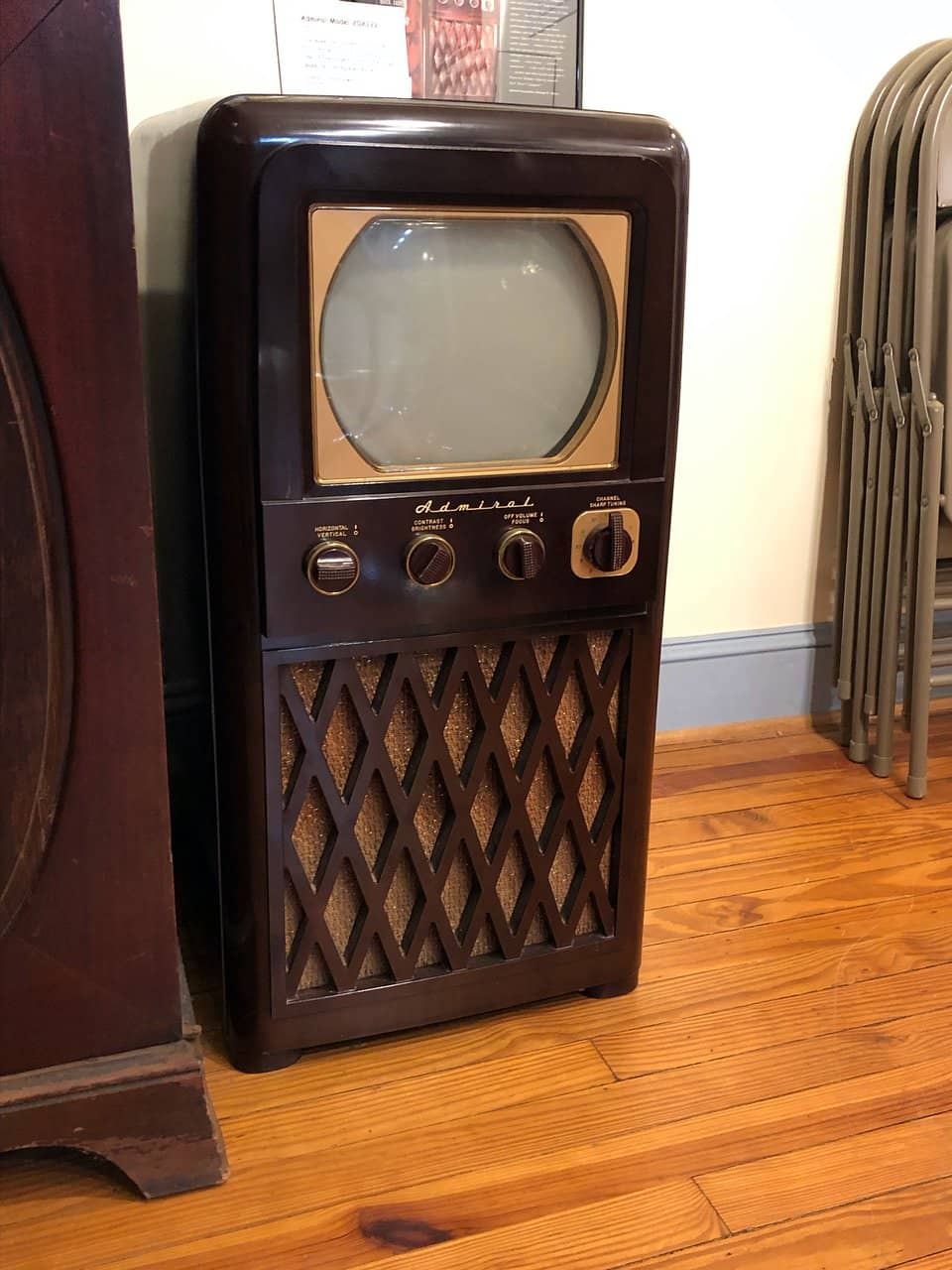
Early Television Sets
Main exhibition floors
See massive console TVs and discover the fascinating world of mechanical televisions from the 1950s.
Communication History Timeline
Throughout the museum
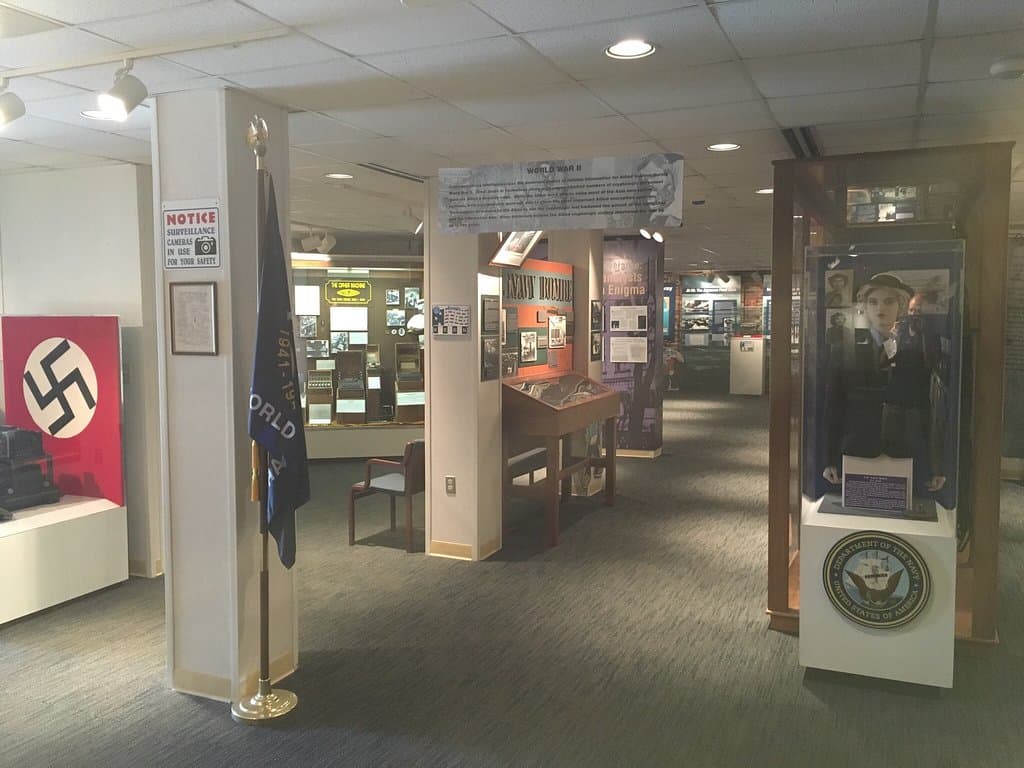
Trace the evolution of communication from the Pony Express to modern technology, with working exhibits.
Plans like a pro.
Thinks like you
Planning Your Visit
Book a Guided Tour
Embrace the Nostalgia
Best Times
Insider Tips
from TikTok, Instagram & Reddit
🎯 Ask for a Tour!
Docents are incredibly knowledgeable and make the exhibits come alive. Don't miss this! +1
💰 Consider a Donation
This gem is supported by donations. Bring cash to contribute to preserving this history.
🕰️ Allow ample time
You might need more than one visit to fully appreciate all the preserved artifacts.
💡 Great for curious minds
Perfect for kids interested in engineering and anyone who loves learning how things work.
Tips
from all over the internet
🎯 Ask for a Tour!
Docents are incredibly knowledgeable and make the exhibits come alive. Don't miss this! +1
💰 Consider a Donation
This gem is supported by donations. Bring cash to contribute to preserving this history.
🕰️ Allow ample time
You might need more than one visit to fully appreciate all the preserved artifacts.
💡 Great for curious minds
Perfect for kids interested in engineering and anyone who loves learning how things work.
What Travellers Say
Reviews Summary
Visitors rave about the National Capital Radio and Television Museum, calling it a 'truly surprising gem' and an 'authentic treasure.' The knowledgeable and patient docents, like Mr. Crotty and David Greene, are frequently highlighted for bringing the history of broadcasting to life. The collection of working vintage radios and televisions is a major draw, offering a nostalgic and educational experience. While it's a bit 'out of the way,' the effort to visit is consistently deemed worthwhile. +2
"If you ever find yourself near Bowie, Maryland, do yourself a favor and visit the National Capital Radio & Television Museum—a truly surprising gem. Our guide, the brilliant Mr. Crotty, was endlessly patient and knowledgeable, expertly answering our barrage of questions without so much as a second thought.
The museum is packed with two floors of radio and TV history, from humble crystal radios to massive console televisions that look like they could double as a grand father clock. The “portable” wooden radios were especially hilarious—they looked like fine furniture with a handle. Imagine dragging one to the beach, complete with an aerial antenna and stacks of batteries, like you’re hauling a small elephant.
Most items are donated and lovingly restored, with many on display still working. Hearing the warm, crackly sound of these vintage devices was a genuine treat—proof that old-school craftsmanship still had soul.
Skip the usual tourist traps and dive into this fascinating, quirky celebration of broadcasting history. It’s educational, fun, and genuinely impressive in a way only vintage radios can be.
I would happily recommend to anyone interested in tech, history, or just a good story."
Charlie Williams
"Radios are awesome. Great museum. Definitely ask for a tour. Excellent docents. Learned a ton and enjoyed all of it. My 6th grade daughter said "it was cool." My mom found it to be very informative and enjoyed looking at all the artifacts. Definitely worth the trip and maybe even becoming a member! Bring some cash to make a donation. This place is a real gem."
Anita Molina
"This is a hidden gem! Our friend David invited us for a tour. It was phenomenal. We learned so much and thoroughly enjoyed all of the radios, televisions, and other gadgets. Learning about our nation’s communication systems since the 1800’s. David had an excellent delivery - it was informative and interesting.
It was well worth the trip.
I highly recommend this tour! Great for kids considering engineering and people who love learning about the way things work!!"
Jean Corday
What People Like
What People Dislike
Frequently Asked Questions
🚇 🗺️ Getting There
The museum is located in Bowie, Maryland. It's best accessed by car, with parking available on-site. Public transportation options are limited in the area, so driving is recommended for most visitors.
While public transport options exist to get to Bowie, direct access to the museum via public transit is challenging. It's advisable to check local bus routes or consider ride-sharing services if you are not driving.
The museum offers convenient on-site parking, making it easy for visitors arriving by car to access the exhibits without hassle.
The museum is described as being in a 'small, out of the way' location, suggesting it's not in a bustling urban center, which contributes to its 'hidden gem' status.
🎫 🎫 Tickets & Entry
Admission details are not explicitly stated in the provided reviews, but the emphasis on donations suggests a pay-what-you-can or donation-based entry system. It's recommended to check their official website or call ahead for current pricing.
Advance booking is not mentioned in the reviews. Given its 'hidden gem' nature, it's likely walk-in friendly, but confirming with the museum directly is always a good idea, especially for group tours.
Specific operating hours are not detailed in the reviews. Visitors are encouraged to check the museum's official website or contact them directly for the most up-to-date information on opening and closing times.
Yes, guided tours are highly recommended and are a significant highlight of the museum experience, with knowledgeable docents like Mr. Crotty and David Greene. +1
The museum is highly recommended for kids interested in engineering and learning about technology, suggesting it's suitable for all ages.
🎫 🧭 Onsite Experience
You'll find two floors packed with vintage radio and TV equipment from the 1920s to modern day, including working crystal radios, massive console TVs, and even mechanical televisions. Many items are donated and lovingly restored. +1
While not explicitly stated as 'interactive' in the modern sense, many of the vintage devices are still working, allowing visitors to hear the sounds of old radios, which is a unique and engaging experience.
Reviews suggest that one visit might not be enough to fully appreciate everything. Plan for at least a couple of hours, especially if you take a guided tour.
Absolutely! It's highly recommended for kids interested in engineering and learning about how things work. The historical context and working exhibits are captivating for younger visitors.
The docents are exceptionally patient, knowledgeable, and passionate. They share fascinating details about consumer trends, marketing, and the history of communication, making the exhibits come alive. +1
🍽️ 🍽️ Food & Dining
The provided reviews do not mention any on-site dining facilities or cafes. It's advisable to plan for meals before or after your visit. +1
Information regarding outside food and drinks is not available in the reviews. It's best to assume that food and beverages should be consumed outside the exhibit areas.
As the museum is in Bowie, Maryland, there are likely local restaurants and eateries in the surrounding area. Researching dining options in Bowie before your visit would be beneficial.
📸 📸 Photography
The reviews do not explicitly mention photography policies. However, it's common for museums to allow personal photography for non-commercial use, provided flash is not used. It's best to confirm with museum staff upon arrival.
The vintage radios and early television sets, especially the large console models and unique mechanical TVs, offer great photographic opportunities. The sheer density of historical artifacts provides many visually interesting shots. +1
Museums typically prohibit flash photography to protect delicate artifacts. It's highly recommended to avoid using flash to ensure the preservation of the exhibits.
For Different Travelers
Tailored advice for your travel style
👨👩👧 Families with Kids
Key recommendations: Definitely take advantage of the guided tours; the docents are excellent at engaging younger audiences. Encourage your children to ask questions – the guides are patient and informative. It’s a hands-on (visually, at least!) way to make history come alive and inspire future innovators.
💡 Tech Enthusiasts & History Buffs
Don't miss: The detailed explanations of early marketing strategies and consumer trends provided by the knowledgeable docents. Exploring the nuances of mechanical televisions and the development of broadcast standards will offer deep insights. Consider becoming a member to support this vital preservation effort and gain deeper access to the museum's treasures.
💰 Budget-Conscious Travelers
Tip: Bring some cash for a donation. The quality of the exhibits and the expertise of the docents make it a highly rewarding experience that punches well above its weight in terms of cost. Planning your visit during weekday mornings might also mean fewer crowds, potentially leading to a more personalized experience.
Deep Dives
In-depth insights and expert knowledge
The Art of Restoration
The museum's collection is largely comprised of donated items, highlighting the community's role in preserving this history. Each piece tells a story, not just of technological advancement, but also of the people who owned and used these devices. The docents often share anecdotes about the provenance of certain items, adding a personal touch to the historical narrative. This focus on restoration and donation makes the museum a dynamic and deeply personal celebration of communication history.
Guided Tours: The Heart of the Experience
These tours offer a narrative thread through the museum's vast collection, connecting the dots between early telegraphy, the advent of radio, and the dawn of television. Visitors learn about consumer trends, marketing strategies of early manufacturers, and the societal impact of these technologies. The docents' enthusiasm is infectious, and their ability to explain concepts like mechanical televisions or the sheer size of early 'portable' radios adds a layer of humor and wonder to the experience. It's this personal touch and deep expertise that makes the guided tours an absolute must-do.
A Journey Through Communication History
The collection spans a wide range of artifacts, including commercial radio equipment, ham radio setups, and the earliest television sets. The inclusion of 'relics from your own past' ensures a personal connection for many visitors, evoking fond memories of their earliest encounters with radio and TV. The museum doesn't just display technology; it contextualizes it within the broader narrative of societal development and consumer culture, making it a rich educational experience for anyone interested in the history of media and technology.

Social
from TikTok, Instagram & Reddit