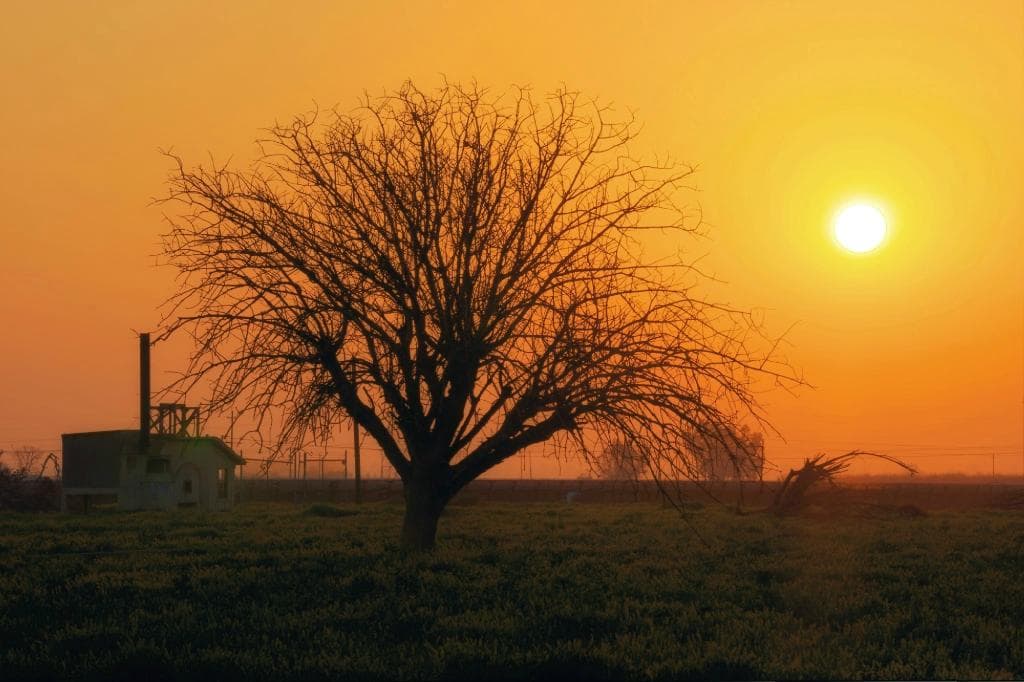
Weedpatch Camp Arvin
A historic labor camp site, immortalized in 'The Grapes of Wrath,' offering a poignant glimpse into the lives of Dust Bowl migrants.
Highlights
Must-see attractions

Social
From TikTok & Reddit
Best Time
For best visibility and respect
Weedpatch Camp Arvin
Best Time
For best visibility and respect
Highlights
Must-see attractions
A historic labor camp site, immortalized in 'The Grapes of Wrath,' offering a poignant glimpse into the lives of Dust Bowl migrants.
"A place of historical significance, offering a tangible link to the struggles and resilience of farmworkers."
Respect Private Property
Some areas may be private. Be mindful and respectful of residents and their property. :eyes:
Research Before You Go
Understanding the history of farmworkers and 'The Grapes of Wrath' enriches the visit. :books:
Highlights
Discover the most iconic attractions and experiences
The Dance Floor Site
Original camp grounds
The iconic spot where the Joads experienced a moment of joy and community during hardship.
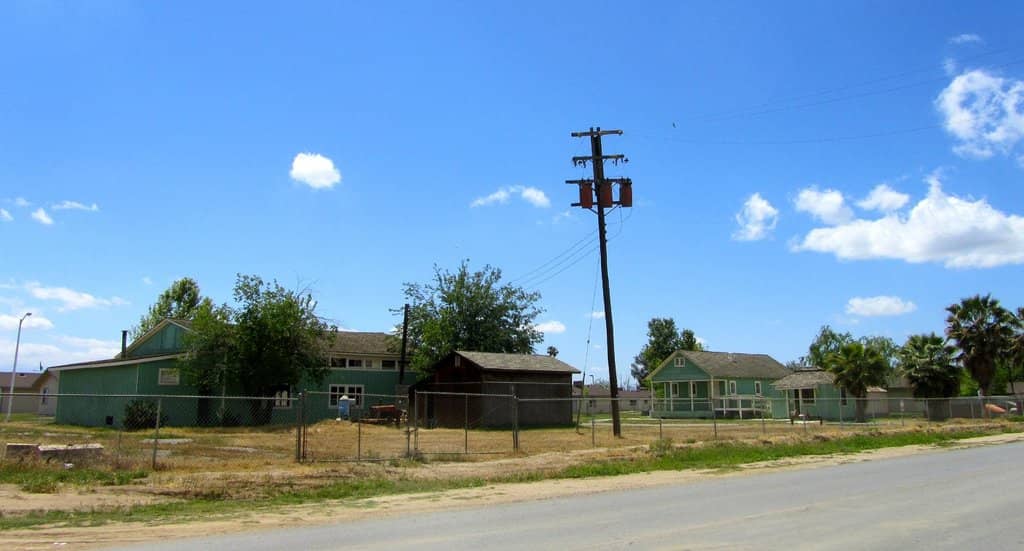
Farmworkers' Wheat Patch Camp Sign
Camp entrance
A marker of the historical significance of this labor camp, a symbol of resilience.
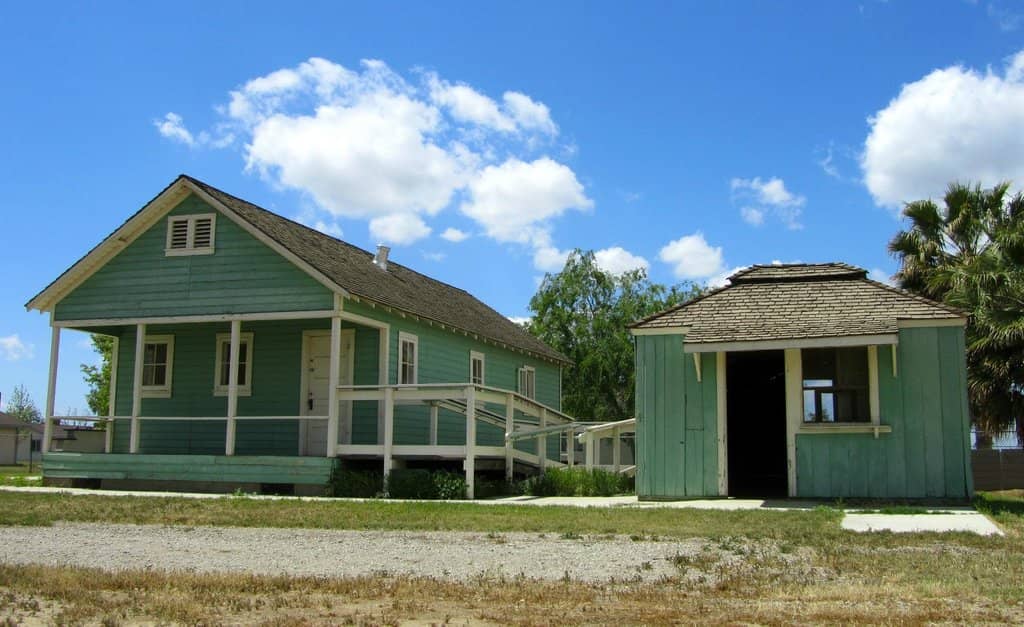
Luther A Tate's House
Florence Street, Weedpatch
A tangible link to the camp's post-labor camp history, a house moved from the original site.
Plans like a pro.
Thinks like you
Planning Your Visit
Respectful Visit
Historical Context is Key
Best Times
Insider Tips
from TikTok, Instagram & Reddit
Respect Private Property
Some areas may be private. Be mindful and respectful of residents and their property. :eyes:
Research Before You Go
Understanding the history of farmworkers and 'The Grapes of Wrath' enriches the visit. :books:
Look for Historical Markers
Keep an eye out for any signs or markers that denote historical significance. :mag:
Visit with Reverence
This is a place of historical importance for farm laborers. Approach with respect. :pray:
Tips
from all over the internet
Respect Private Property
Some areas may be private. Be mindful and respectful of residents and their property. :eyes:
Research Before You Go
Understanding the history of farmworkers and 'The Grapes of Wrath' enriches the visit. :books:
Look for Historical Markers
Keep an eye out for any signs or markers that denote historical significance. :mag:
Visit with Reverence
This is a place of historical importance for farm laborers. Approach with respect. :pray:
What Travellers Say
Reviews Summary
Visitors find Weedpatch Camp to be a historically significant site, particularly for its connection to 'The Grapes of Wrath.' While some appreciate the tangible link to the past and the resilience it represents, others are disappointed by the lack of clear historical markers and the gated nature of some areas.
"My Father-in-law Luther A Tate bought a house from the Sunset Labor Camp in Weedpatch, Ca back in 1970-71 and moved the house I live in now to Florence Street , Weedpatch and sits on Ralph St and Florence !"
Jimmy Redhawk James
"Stopped by to pay my respects to farm workers and Sanora Babb."
Margrethe Lauber
"One of the final filming sights in the (1940) film "The Grapes of Wrath." This is the camp where they had the dance.
The sign on the entrance said:
Farmworkers' Wheat Patch Camp"
Billy Richards
What People Like
What People Dislike
Frequently Asked Questions
🚇 🗺️ Getting There
Weedpatch Camp is located in Arvin, California. It's accessible by car, typically via Highway 99. Use GPS for precise directions to the Arvin area.
Finding the exact historical sites within Weedpatch can be challenging as it's a residential area. Look for signs related to 'Wheat Patch Camp' or historical markers.
Exploring by car is recommended to cover the area. Be prepared to drive slowly and look for points of interest. :car:
🎫 🎫 Tickets & Entry
No tickets are required to visit the general area of Weedpatch Camp. It is a historical site and residential community. :free:
As a residential area and historical site, there are no official opening or closing hours. However, it's best to visit during daylight hours. :sunrise:
While the general area is accessible, some parts may be private property or gated. Always be respectful of residents' privacy. :housewithgarden:
🎫 🧭 Onsite Experience
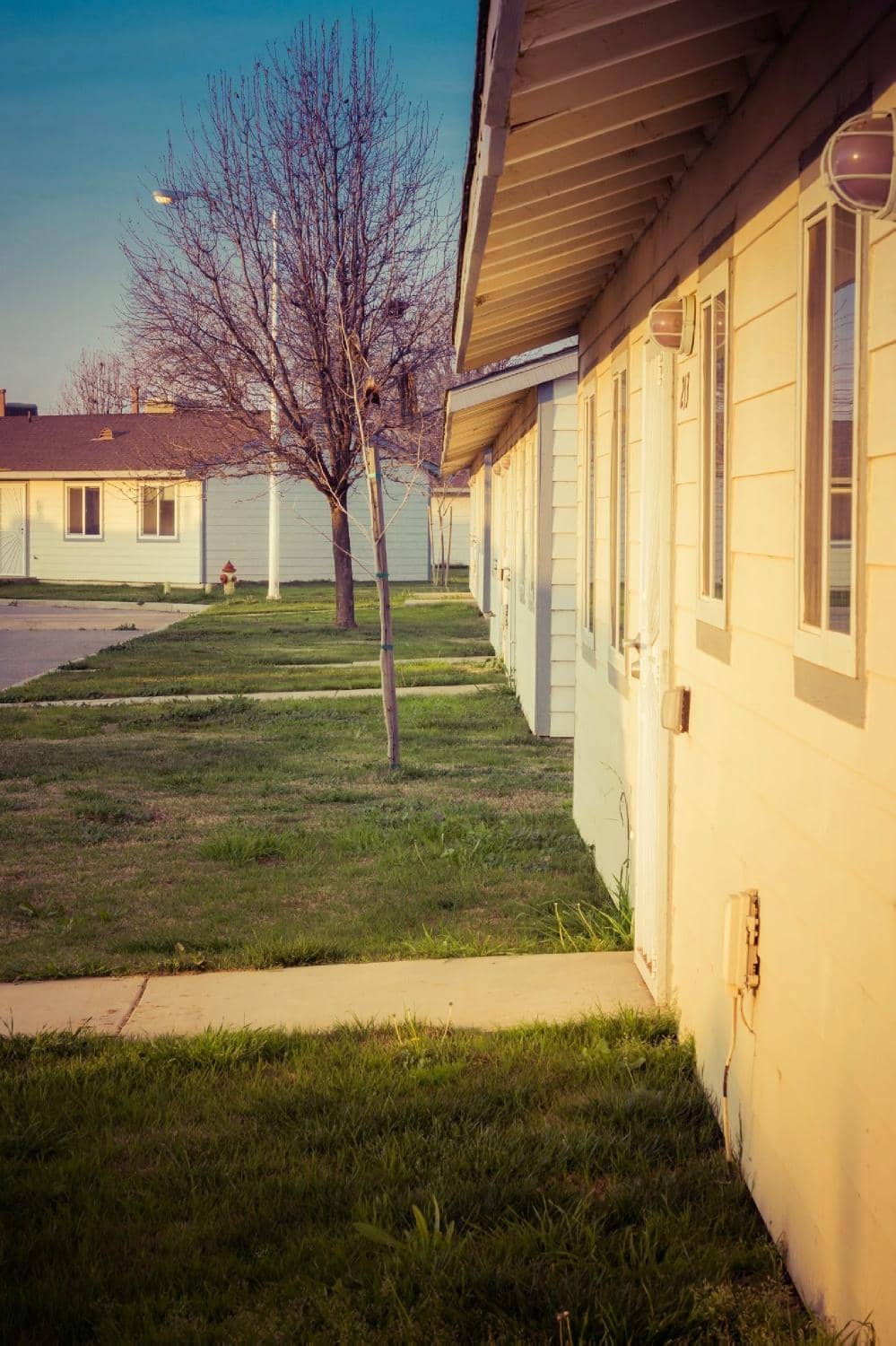
You can see remnants of the historical labor camp, including the area where the famous dance scene from 'The Grapes of Wrath' took place. Look for the 'Farmworkers' Wheat Patch Camp' sign. :camerawithflash:
It's more of a historical landmark and a living community than a typical tourist attraction. Visitors come to connect with the history of farm labor in California. :flag_us:
Some visitors have noted a lack of clear historical signage. It's helpful to research beforehand and know what to look for. :memo:
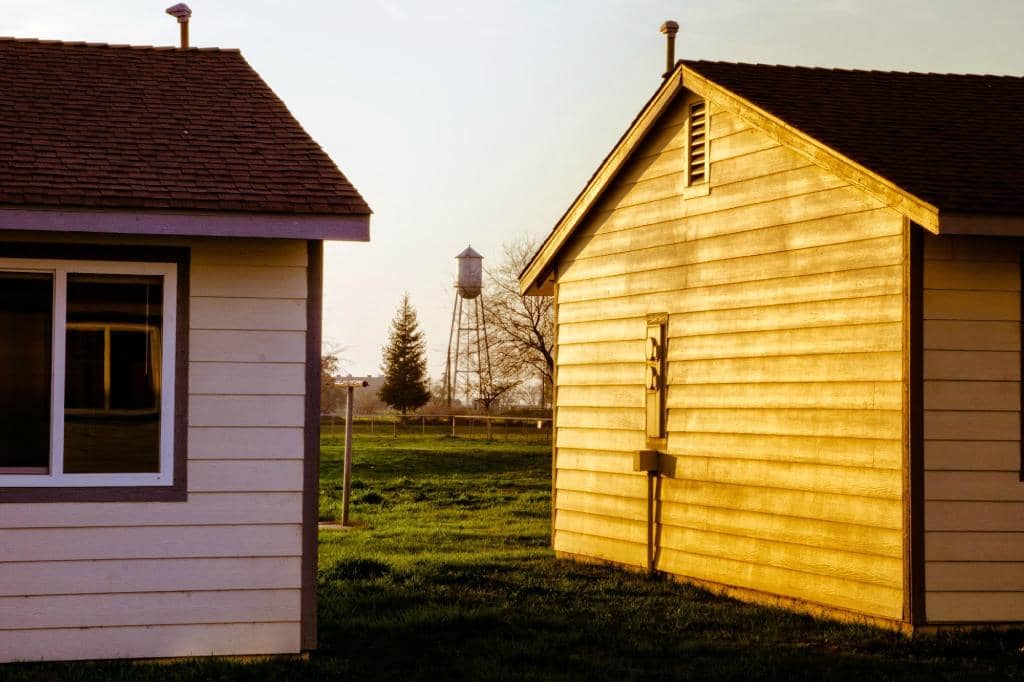
The Joad family is fictional, but the camp itself housed many real families during the Dust Bowl era. You might see houses like the one moved by Luther A Tate. :housewithgarden:
📸 📸 Photography
The 'Farmworkers' Wheat Patch Camp' sign and the general area of the historical dance floor are key spots. Be mindful of residents when taking photos. :iphone:
Photography is generally allowed in public areas, but always be respectful of private property and residents. :camera:
For Different Travelers
Tailored advice for your travel style
👨👩👧 Families with Kids
📚 History Buffs & Literature Enthusiasts
Deep Dives
In-depth insights and expert knowledge
The Legacy of Weedpatch Camp
During the Great Depression, thousands of families, like the fictional Joads, migrated to California seeking work. Weedpatch Camp became a symbol of hope and a testament to the resilience of these migrant laborers. The camp's facilities, though basic, were a vast improvement, and it fostered a sense of solidarity among its residents. The famous dance scene in the 1940 film adaptation of The Grapes of Wrath was filmed here, capturing a moment of joy amidst immense hardship.
Today, while the original structures may be gone or repurposed, the spirit of Weedpatch Camp endures. Visitors can still see the sign that once welcomed weary travelers and imagine the lives lived within its boundaries. It serves as a poignant reminder of the struggles and contributions of farmworkers to the American agricultural landscape. Some residents, like Luther A Tate, even moved houses from the camp to nearby streets, creating a living connection to its past.
Visiting 'The Grapes of Wrath' Filming Site
While the exact layout may have changed, the essence of the location remains. Visitors can seek out the area where the dance floor once stood, imagining the music and camaraderie that filled the air. The "Farmworkers' Wheat Patch Camp" sign, though perhaps a modern marker, serves as a powerful visual cue to the historical significance of the place. It's a spot that resonates with those who understand the enduring power of Steinbeck's narrative and Ford's cinematic vision.
It's important to note that the camp is now a residential area. Visitors are encouraged to be respectful of the current residents and their privacy while exploring. The experience is less about a formal tourist attraction and more about a personal connection to a pivotal moment in American cultural history. :film_projector:




Social
from TikTok, Instagram & Reddit