Bainbridge Island Japanese American Exclusion Memorial
A solemn outdoor memorial on Bainbridge Island, honoring Japanese Americans forcibly excluded and interned during WWII. It's a place for reflection an...
Highlights
Must-see attractions

Social
From TikTok & Reddit
Best Time
Fewer crowds, more peaceful
Bainbridge Island Japanese American Exclusion Memorial
Best Time
Fewer crowds, more peaceful
Highlights
Must-see attractions
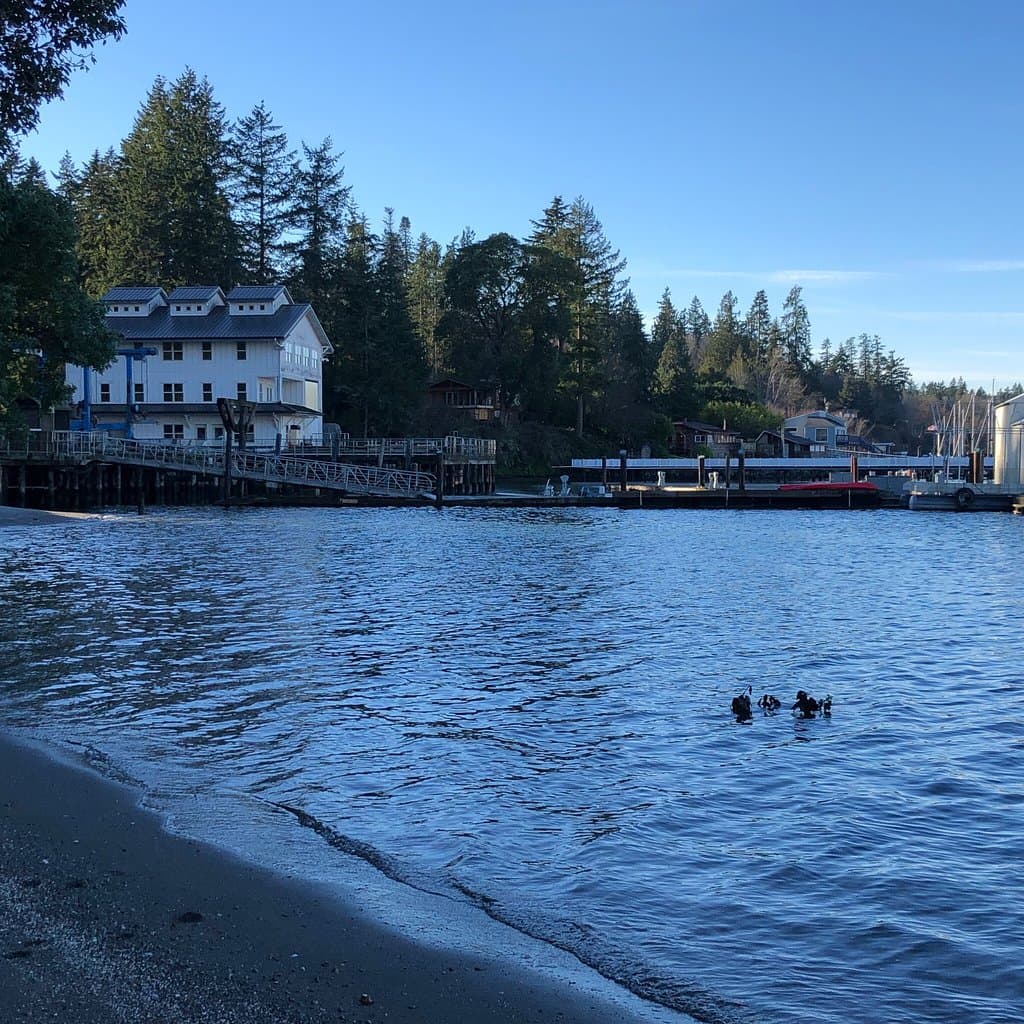
A solemn outdoor memorial on Bainbridge Island, honoring Japanese Americans forcibly excluded and interned during WWII. It's a place for reflection and remembrance.
"A profoundly moving and sacred space that honors the sacrifices and injustices endured by the Japanese American community."

Respectful Attire
Dress modestly and be mindful of the solemn nature of the site. :dress_clothing:
Allow Time for Reflection
This isn't a quick stop; give yourself time to absorb the history and emotions. :stopwatch:
Highlights
Discover the most iconic attractions and experiences
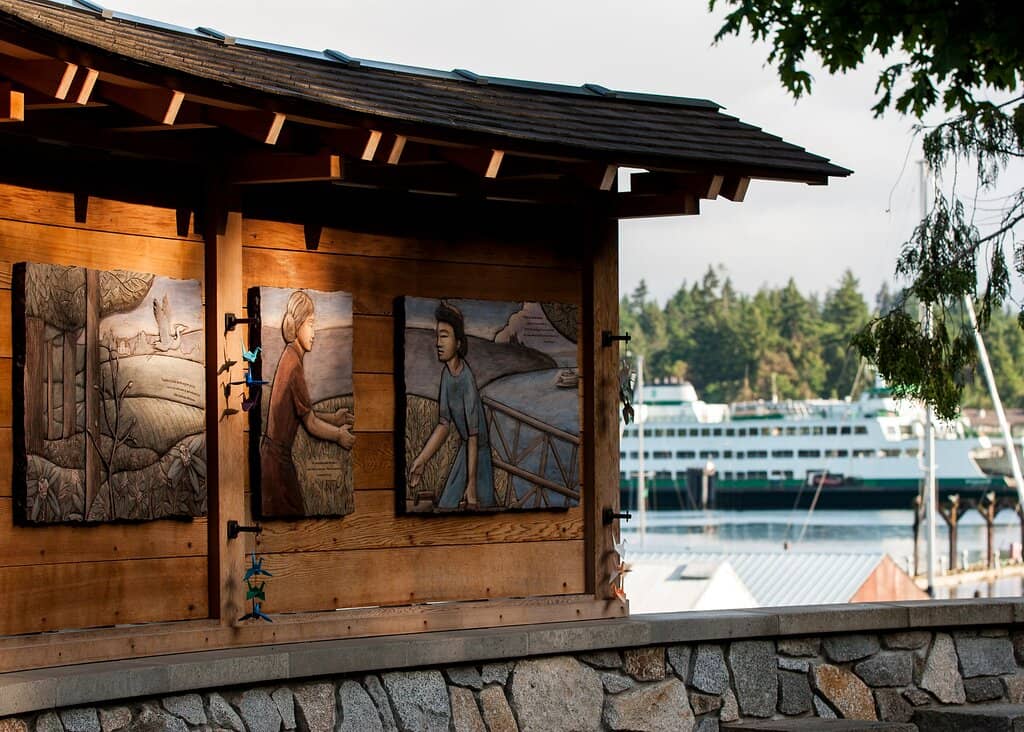
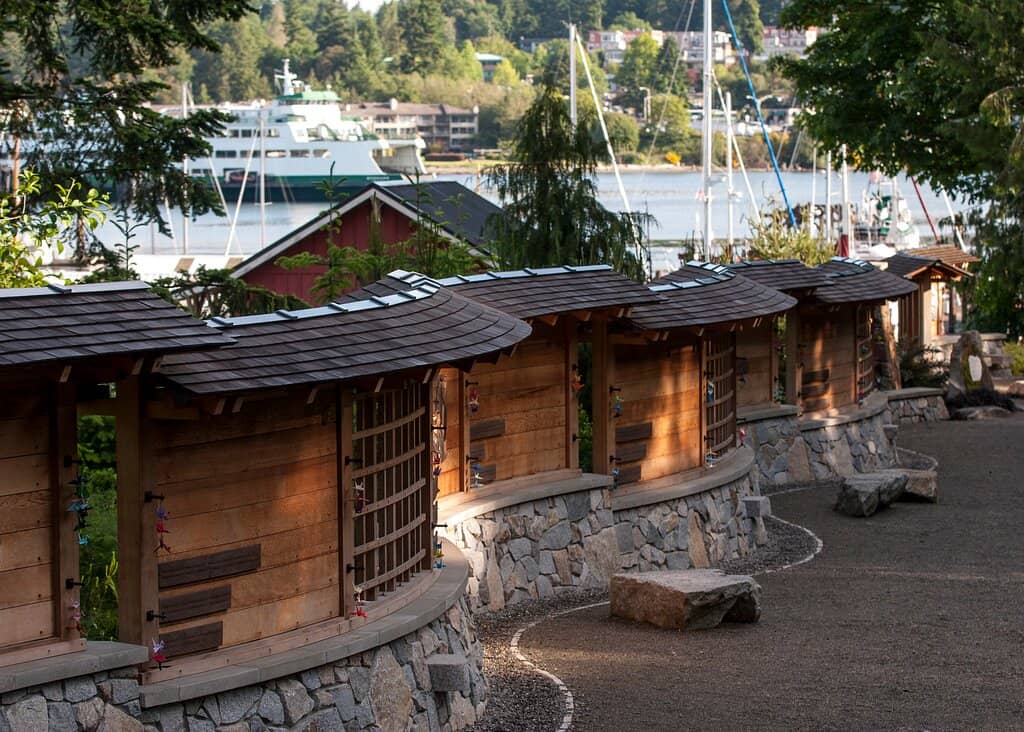
The Exclusion Memorial Wall
Along Eagle Harbor
A powerful wall etched with names and stories of those forcibly removed, serving as a stark reminder of injustice.

The Dock and Ferry Departure Point
Adjacent to the memorial wall
Stand where families once boarded ferries, a poignant spot for imagining their departure and uncertainty.
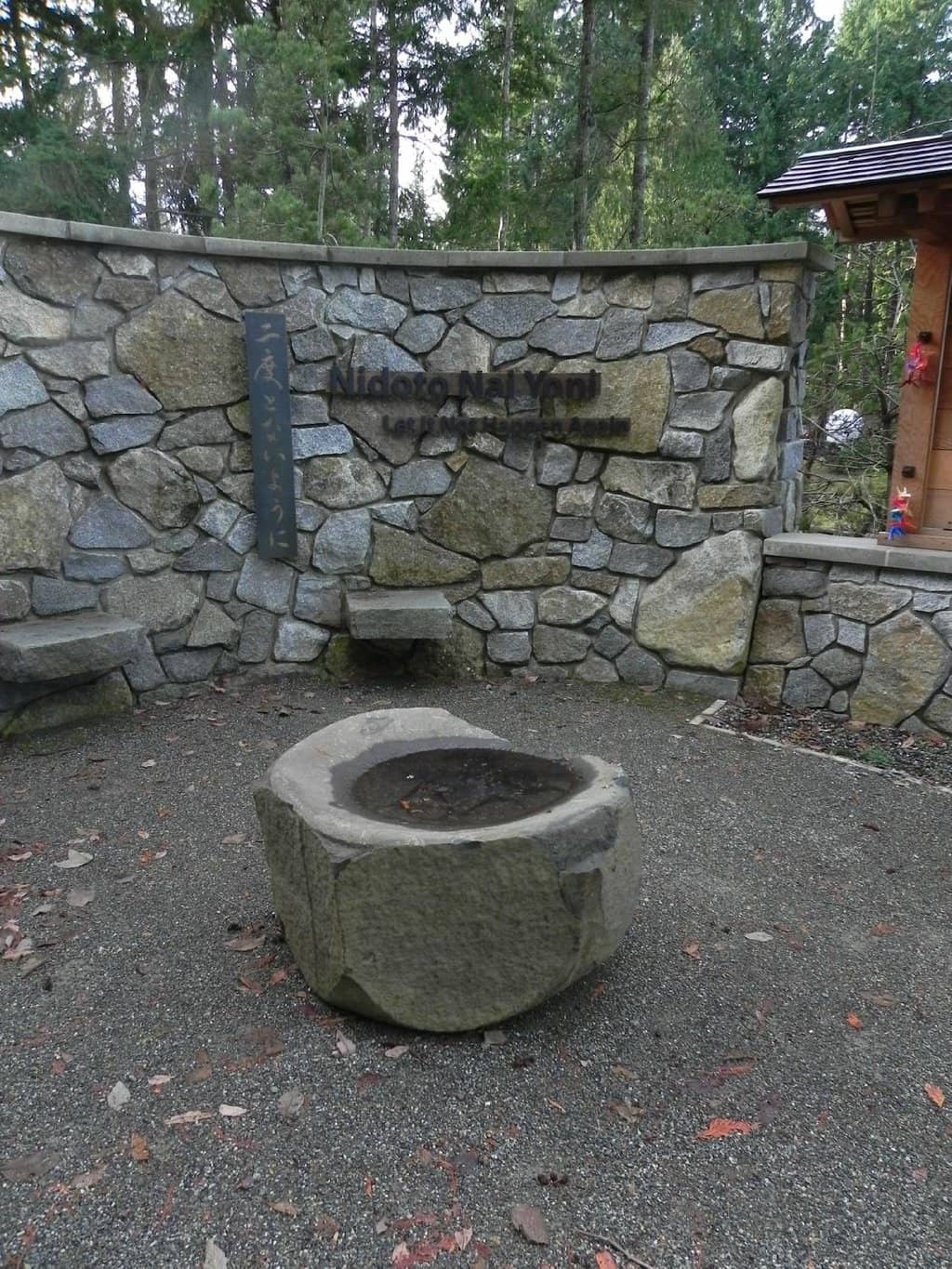
Nidoto Nai Yoni Mission
Throughout the memorial site
The guiding principle 'Let It Not Happen Again' is woven into the memorial's fabric, offering a message of hope and vigilance.
Plans like a pro.
Thinks like you
Planning Your Visit
A Place of Reflection
Plan Your Visit
Best Times
Insider Tips
from TikTok, Instagram & Reddit
Respectful Attire
Dress modestly and be mindful of the solemn nature of the site. :dress_clothing:
Allow Time for Reflection
This isn't a quick stop; give yourself time to absorb the history and emotions. :stopwatch:
Guided Tours Enhance Visit
Consider a guided tour for deeper historical context and personal stories. :microphone:
Free Admission
The memorial is free to visit, making it accessible for all. :moneywithwings:
Tips
from all over the internet
Respectful Attire
Dress modestly and be mindful of the solemn nature of the site. :dress_clothing:
Allow Time for Reflection
This isn't a quick stop; give yourself time to absorb the history and emotions. :stopwatch:
Guided Tours Enhance Visit
Consider a guided tour for deeper historical context and personal stories. :microphone:
Free Admission
The memorial is free to visit, making it accessible for all. :moneywithwings:
Bring a Notebook
Jot down thoughts or reflections inspired by the powerful stories. :memo:
What Travellers Say
Reviews Summary
Visitors consistently describe the Bainbridge Island Japanese American Exclusion Memorial as a profoundly moving, sacred, and thoughtfully designed space. It's praised for its quiet dignity, educational impact, and powerful reminder of historical injustices, serving as a solemn promise to prevent future discrimination. Some note it's still being developed but is deeply impactful.
"The Japanese American Exclusion Memorial on Bainbridge Island is a profoundly moving and sacred space that honors the sacrifices and injustices endured by the Japanese American community during World War II. This thoughtfully designed memorial serves as a powerful reminder of a dark chapter in American history when entire families were forcibly removed from their homes on Bainbridge Island and from West Coast states. The site's quiet dignity and educational displays create a contemplative atmosphere that encourages reflection and remembrance. Guided by the mission of Nidoto Nai Yoni (二度とないように) - it stands as an enduring testament to resilience and a solemn promise, "Let It Not Happen Again.""
Nancy Treder
"Wonderful memorial, beautifully and thoughtfully designed. I went with classmates from Olympic College for a field trip and we had the unique opportunity to meet with Lilly, a surviving Japanese American who was 7 years old at the time and one of the 276 forced to leave and imprisoned. Thank you Lilly for your stories and insight!"
Amber Mersino
"Very impressive, although not yet complete. A sobering reminder of the evil that the USA has done to its own citizens in the past (with lessons for today), but it was heartening to read about some of the community who stood by their friends and neighbors in various ways."
Trish Matson
What People Like
What People Dislike
Frequently Asked Questions
🚇 🗺️ Getting There
The memorial is located on the south shore of Eagle Harbor on Bainbridge Island, Washington. You can reach Bainbridge Island via a scenic ferry ride from Seattle. Once on the island, the memorial is accessible by car or public transport. Many visitors find driving or taking a taxi/rideshare from the ferry terminal convenient. Some tours also include transportation to the site. 
Yes, there is parking available near the Bainbridge Island Japanese American Exclusion Memorial, making it accessible for those arriving by car.
Absolutely! The ferry ride from Seattle to Bainbridge Island is a beautiful experience, and the memorial is a significant historical site that can easily be incorporated into a day trip.
Many visitors enjoy exploring Bainbridge Island by car to access various points of interest, including the memorial. Alternatively, local tours can provide a curated experience.
While public transportation options exist on Bainbridge Island, it's advisable to check current routes and schedules. Many visitors opt for driving or guided tours for ease of access to the memorial.
🎫 🎫 Tickets & Entry
No, admission to the Bainbridge Island Japanese American Exclusion Memorial is free. It is an outdoor exhibit designed for public reflection and education.
As an outdoor memorial, it is generally accessible during daylight hours. It's always a good idea to check for any specific event closures or seasonal adjustments, though it's primarily an open-air site.
No advance booking is required for general visits to the memorial as it is free and open to the public. However, if you are interested in a guided tour, booking in advance is recommended.
Yes, organizations like Tour Bainbridge offer guided tours that provide in-depth historical context and personal narratives. It's worth checking their schedules for available dates and times.
The memorial is a place of historical significance and can be emotionally impactful. While suitable for all ages, discussions about the content should be age-appropriate.
🎫 🤔 Onsite Experience
You'll find a powerful memorial wall with names and stories, a dock area representing the departure point, and interpretive displays that educate visitors about the forced exclusion and internment of Japanese Americans from Bainbridge Island.
To truly absorb the history and reflect, it's recommended to spend at least 1-2 hours at the memorial. This allows time to read the stories and contemplate the significance of the site.
While photography is permitted, visitors are encouraged to be respectful of the solemn nature of the site. The memorial's design is poignant and photogenic, capturing the essence of remembrance.
Basic facilities like restrooms may be available nearby, but it's best to confirm specific amenities. The focus is on the historical exhibit and the contemplative experience.
'Nidoto Nai Yoni' is a Japanese phrase meaning 'Let It Not Happen Again.' It is the guiding principle of the memorial, serving as a powerful reminder and a commitment to preventing future injustices.
🍽️ 🍽️ Food & Dining
While the memorial itself is a contemplative site, Bainbridge Island offers various dining options in nearby towns like Winslow. You can find cafes, restaurants, and local eateries.
It's generally advisable to consume food and drinks away from the immediate memorial area to maintain its respectful atmosphere. Pack out any trash.
Bainbridge Island features a range of culinary experiences, from fresh seafood to farm-to-table restaurants, reflecting the Pacific Northwest's bounty.
📸 📸 Photography
The memorial wall with its etched names and the dock area are particularly poignant for photography. Capturing the interplay of light and shadow on the wall can be very impactful.
While photography is generally allowed, visitors are asked to be respectful of the solemn nature of the memorial. Avoid intrusive or disrespectful photo-taking.
Any camera or smartphone can capture the essence of the memorial. Consider a camera with good low-light performance if visiting during dawn or dusk for atmospheric shots.
While not explicitly forbidden, selfies might detract from the solemn and reflective atmosphere. It's best to prioritize capturing the memorial's historical significance respectfully.
Experiment with different angles, including eye-level shots to read the names, and lower angles to emphasize the scale of the wall against the sky or water.
For Different Travelers
Tailored advice for your travel style
👨👩👧 Families with Kids
Consider preparing children beforehand by explaining the historical context in age-appropriate terms. Focus on the message of 'Let It Not Happen Again' as a positive takeaway about standing up for what's right. The physical space, with its wall and dock, can help make the history more tangible for younger visitors.
🤔 Thoughtful Travelers
Engage with the personal stories etched into the memorial wall and contemplate the significance of the 'Nidoto Nai Yoni' principle. Consider taking a guided tour to gain deeper insights and hear firsthand accounts or historical context that enrich the visit.
+1Deep Dives
In-depth insights and expert knowledge
The History of Exclusion and Internment
+1This memorial, guided by the principle of Nidoto Nai Yoni (Japanese for 'Let It Not Happen Again'), serves as a crucial educational tool. It aims to ensure that the injustices faced by Japanese Americans are remembered and understood, fostering a commitment to preventing such discrimination in the future. The memorial's design, featuring a wall of names and personal stories, brings the human impact of these policies to the forefront.
+1Visiting the memorial offers a chance to connect with this history on a personal level. The quiet dignity of the site encourages reflection on themes of resilience, community, and the importance of civil liberties. It’s a place where visitors can learn from the past and consider its relevance to contemporary issues of prejudice and human rights.
Experiencing the Memorial: What to Expect
+1A significant part of the experience is standing at the dock, the very spot where these families boarded ferries, leaving behind their homes and lives. This area is designed to be a contemplative space, allowing visitors to imagine the emotions and uncertainties of that departure. The memorial’s location on Eagle Harbor adds to its evocative atmosphere, connecting the past to the present landscape.
Many visitors describe the experience as profoundly moving and even tear-filled, particularly the walk along the dock. The memorial's mission, 'Let It Not Happen Again,' is a powerful takeaway, encouraging visitors to reflect on the importance of vigilance against prejudice and injustice.
+1

Social
from TikTok, Instagram & Reddit