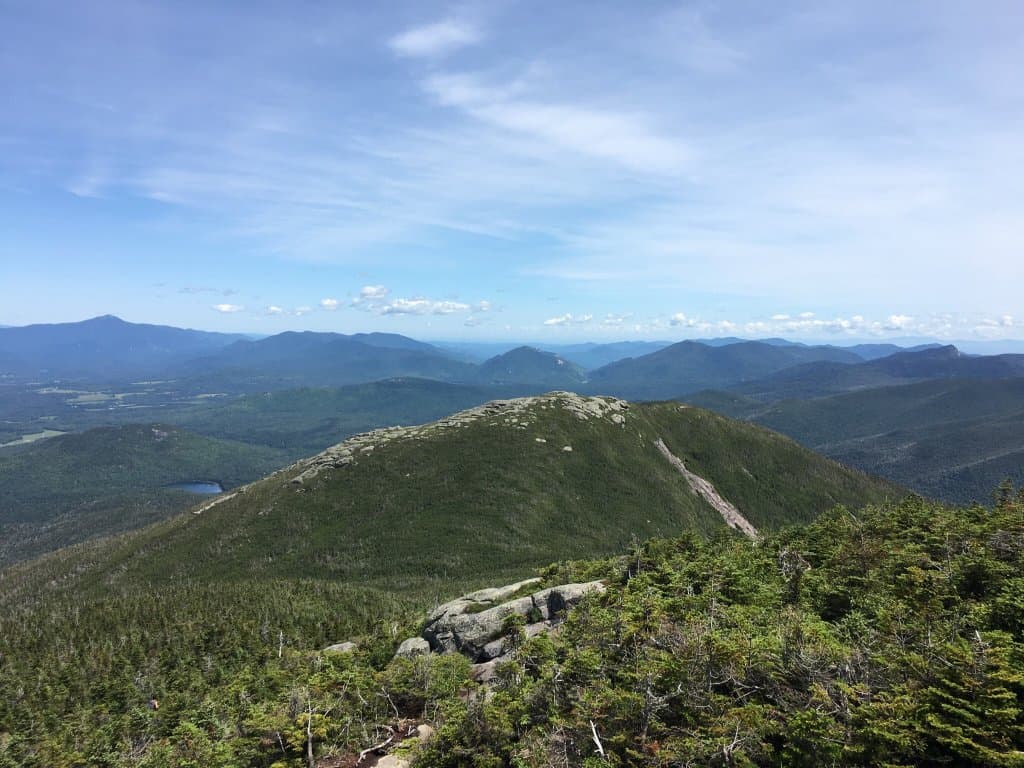
Algonquin Peak
Conquer Algonquin Peak, a challenging 5,115-foot Adirondack summit offering panoramic views and rugged alpine terrain.
Highlights
Must-see attractions

Social
From TikTok & Reddit
Best Time
Best chance for clear summit views
Algonquin Peak
Best Time
Best chance for clear summit views
Highlights
Must-see attractions
Conquer Algonquin Peak, a challenging 5,115-foot Adirondack summit offering panoramic views and rugged alpine terrain.
"Hands down, the best hike thus far. Challenging yet highly rewarding."
🥾 Bring Hiking Poles
Essential for the steep, rugged descent to save your knees.
💧 Pack Plenty of Water & Snacks
This is a long, strenuous hike; stay hydrated and fueled.
Highlights
Discover the most iconic attractions and experiences
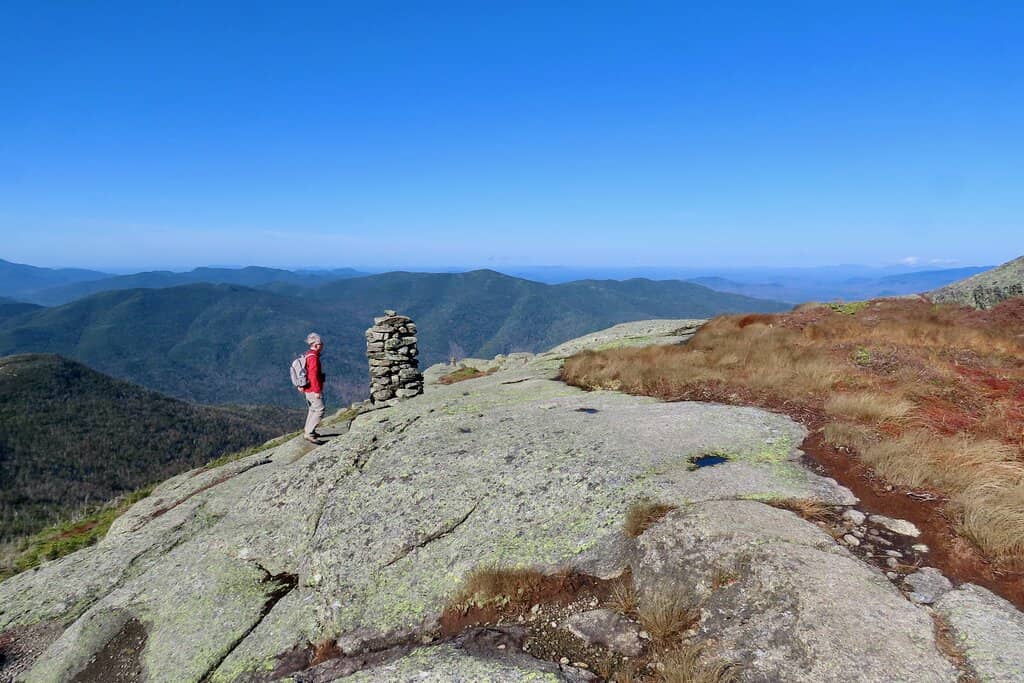
The Summit of Algonquin Peak
Summit
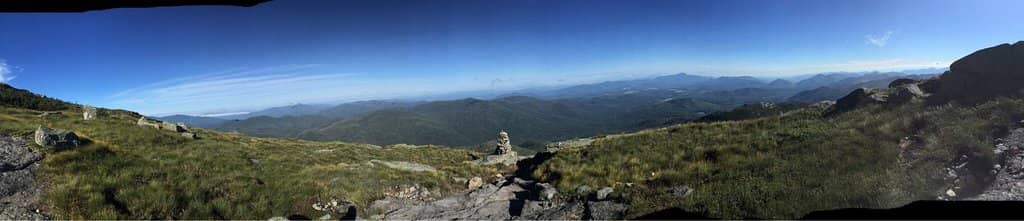
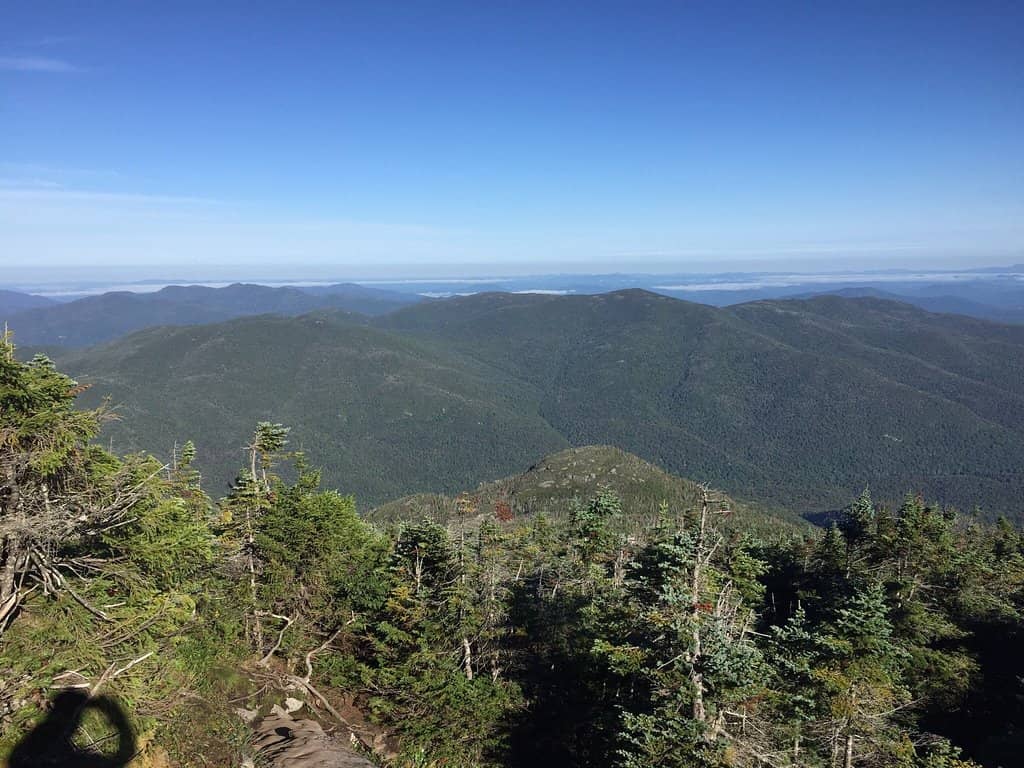
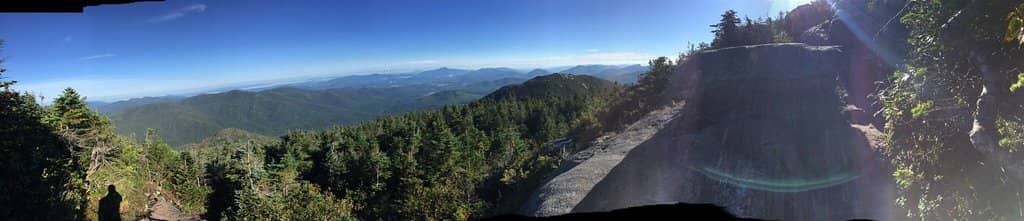
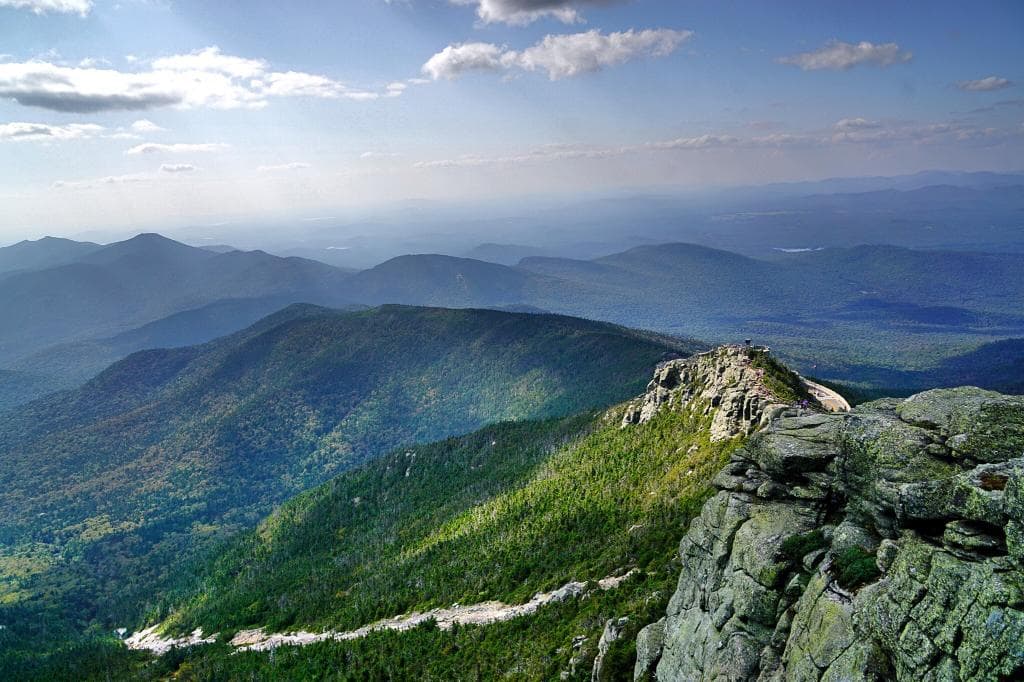
Reach the 5,115-foot summit for breathtaking panoramic views of the Adirondack Mountains.
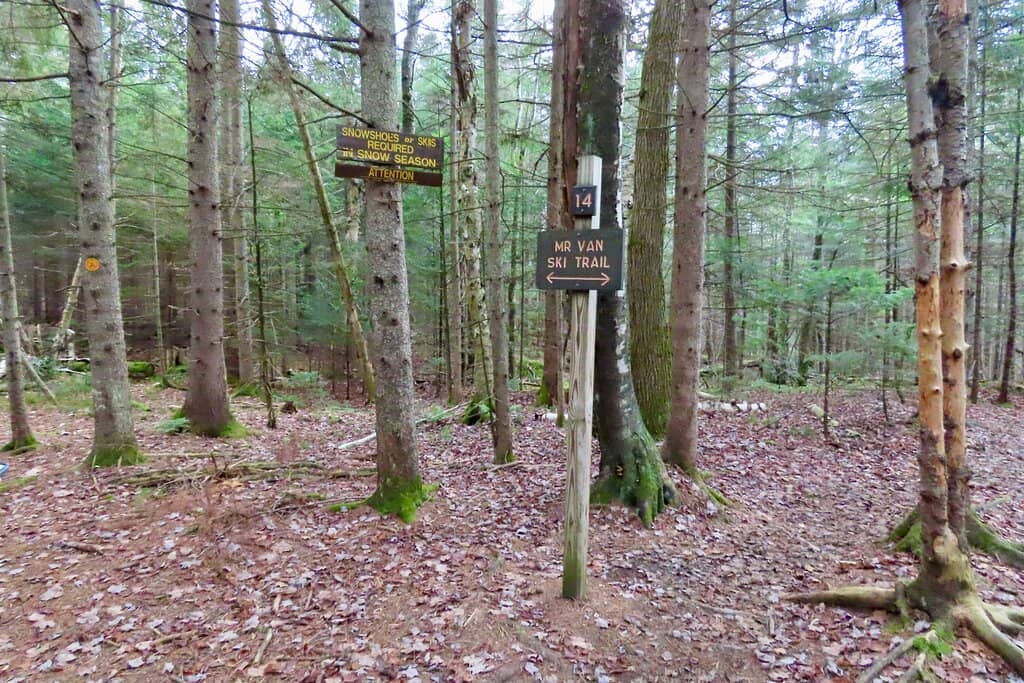
Alpine Zone Bouldering
Upper Trail
Navigate challenging, steep sections with exposed roots and rocks as you ascend into the alpine zone.
Avalanche Pass Scenery
Avalanche Pass Trail
Experience the unique beauty of Avalanche Pass, a scenic route with potential for stunning natural vistas.
Plans like a pro.
Thinks like you
Planning Your Visit
Prepare for a Challenging Ascent
Timing is Everything for Views
Best Times
Insider Tips
from TikTok, Instagram & Reddit
🥾 Bring Hiking Poles
Essential for the steep, rugged descent to save your knees.
💧 Pack Plenty of Water & Snacks
This is a long, strenuous hike; stay hydrated and fueled.
👟 Sturdy Footwear is Key
Traction and ankle support are vital for the rocky, root-filled trails.
☁️ Check Summit Conditions
Views can be obscured by clouds and wind; summer offers the best chance.
Tips
from all over the internet
🥾 Bring Hiking Poles
Essential for the steep, rugged descent to save your knees.
💧 Pack Plenty of Water & Snacks
This is a long, strenuous hike; stay hydrated and fueled.
👟 Sturdy Footwear is Key
Traction and ankle support are vital for the rocky, root-filled trails.
☁️ Check Summit Conditions
Views can be obscured by clouds and wind; summer offers the best chance.
⏰ Start Your Hike Early
Allow ample time for the 16.5km round trip to avoid hiking in the dark.
What Travellers Say
Reviews Summary
Hikers consistently praise Algonquin Peak for its challenging yet rewarding nature, offering stunning summit views. However, be prepared for steep, rugged terrain, potential for obscured views due to weather, and the need for proper gear. The hike is demanding but highly recommended for its scenic beauty and sense of accomplishment.
"Hands down, the best hike thus far. Challenging yet highly rewarding.
Getting ambushed by an array of flies the entire hike didn't bother me, my poor choice of footwear & backpack did. Don't be a city slicker and come prepared."
Shoshana Roza Landau
"Was a great experience! I went in early may for a challenge. The weather was rough, the trail was very rugged, as expected if you’re going to hike during a storm. But there was a lot of roots exposed, would definitely recommend hiking poles or else the decent will destroy your knees.
The peak was great (I didn’t see anything, it was reallllyyy cloudy and practically enough wind to blow my hat off my head) summer days would always be a better time to enjoy the summit! But I’d still recommend to the risk takers to try in winter or spring :D"
Sebastien Auger
"Gets quite steep in some segments, the climb become pleasant and less strenuous once you enter the arctic alpine zone. Could get quite windy on top"
Hassan Rezaee
What People Like
What People Dislike
Frequently Asked Questions
🚇 🗺️ Getting There
The most common trailhead for Algonquin Peak is the Adirondack Loj trailhead, accessible via a private road with a toll. Alternatively, you can park at the Adirondack Mountain Club (ADK) Visitor Center and hike in. Some also access it via Marcy Dam.
Parking at the Adirondack Loj is limited and often fills up, especially on weekends. Arrive very early or consider alternative parking and hiking in. There's a fee for parking.
Public transportation options to the immediate trailhead are very limited. Most visitors drive. You might be able to take a bus or train to nearby Lake Placid and then arrange local transport or a taxi to the trailhead.
The drive to the Adirondack Loj involves a private road with a toll. It's a scenic drive through the Adirondack Park, but be prepared for the fee.
While not a direct shuttle to the peak, the Adirondack Explorer shuttle can take you from Lake Placid to the Adirondack Loj trailhead, which is a common starting point for Algonquin Peak hikes.
🎫 🎫 Tickets & Entry
While a specific permit isn't required for day hiking Algonquin Peak itself, you will need to pay a parking fee at trailheads like the Adirondack Loj. If you plan to camp, backcountry permits are mandatory and should be booked well in advance.
Algonquin Peak is accessible year-round, 24 hours a day. However, hiking during daylight hours is strongly recommended for safety and enjoyment.
There is a toll fee for the private road leading to the Adirondack Loj trailhead. Parking fees also apply. Camping fees are separate if you plan to stay overnight.
You cannot 'buy tickets' for the hike itself, but if you plan to camp, backcountry permits must be reserved in advance. Parking at popular trailheads can also fill up, so arriving early is key.
Yes, there is a toll fee for the private road to the Adirondack Loj and a parking fee. These fees contribute to trail maintenance and conservation efforts in the High Peaks region.
🎫 🧭 Onsite Experience
Algonquin Peak is considered a strenuous and challenging hike. It involves steep ascents, significant bouldering, and rugged terrain, making it one of the more demanding High Peaks.
The round trip hike to Algonquin Peak, typically from the Adirondack Loj, is about 16.5 km (10.3 miles) and can take anywhere from 7 to 10 hours, depending on your pace and time spent at the summit.
Wear sturdy hiking boots with good traction, moisture-wicking clothing in layers, and be prepared for changing weather conditions. A waterproof and windproof outer layer is recommended.
There are no facilities at the summit of Algonquin Peak. It's a natural alpine environment. Be prepared to pack out everything you pack in.
You might encounter various wildlife such as deer, squirrels, chipmunks, and various bird species. Bears are also present in the Adirondacks, so proper food storage is essential.
📸 📸 Photography
The summit offers panoramic views, but be mindful of weather. The approach through Avalanche Pass and various viewpoints along the trail also provide excellent photo opportunities.
Yes, Algonquin Peak and the surrounding Adirondacks are spectacular for fall foliage. The vibrant colors create a stunning backdrop, especially along the Highway 60 corridor. 
Early morning or late afternoon light can be ideal for landscape photography, offering softer light and potential for dramatic shadows. However, summit conditions can change rapidly.
A good quality camera or smartphone with good low-light capabilities is recommended. Consider a wide-angle lens for landscapes and a telephoto lens for wildlife.
Drone usage is generally restricted in New York State Parks and protected wilderness areas like the High Peaks. Always check the latest regulations from the DEC before flying a drone.
For Different Travelers
Tailored advice for your travel style
👨👩👧 Families with Kids
If you do attempt Algonquin with older kids, start very early, pack plenty of snacks and water, and emphasize safety. Hiking poles can be particularly helpful for younger legs navigating the steep terrain. Be prepared for a long day and manage expectations regarding summit views, as weather can be a factor.
⛰️ Experienced Hikers & Peak Baggers
For those seeking an even greater challenge, exploring routes like the Avalanche Pass trail or attempting the peak in winter conditions offers a different level of adventure. Always prioritize safety, check trail conditions, and be prepared for the demanding nature of these high-altitude hikes.
📸 Nature Photographers
+2 The summit provides panoramic vistas, but be ready for rapidly changing weather that can add dramatic flair to your shots. Consider visiting during the golden hours of sunrise or sunset for the best light. The Avalanche Pass area also presents unique photographic subjects with its rugged beauty. Remember to pack your gear securely and be mindful of the challenging terrain while you're capturing the scenery.
Deep Dives
In-depth insights and expert knowledge
Navigating the Algonquin Peak Trail
The trail passes through varied terrain, including dense forest and eventually the alpine zone above the treeline. This transition offers a dramatic change in scenery and the start of more exposed, rocky sections. The final push to the summit involves considerable bouldering, requiring careful foot placement and a good sense of balance.
For those seeking a different perspective, the Avalanche Pass route offers a scenic alternative, though it can also be challenging. Regardless of the chosen path, proper preparation is key. Hikers consistently emphasize the importance of sturdy footwear, ample water, high-energy snacks, and checking trail conditions before setting out, especially during the shoulder seasons of spring and fall when weather can be unpredictable.
Best Times to Experience Algonquin Peak
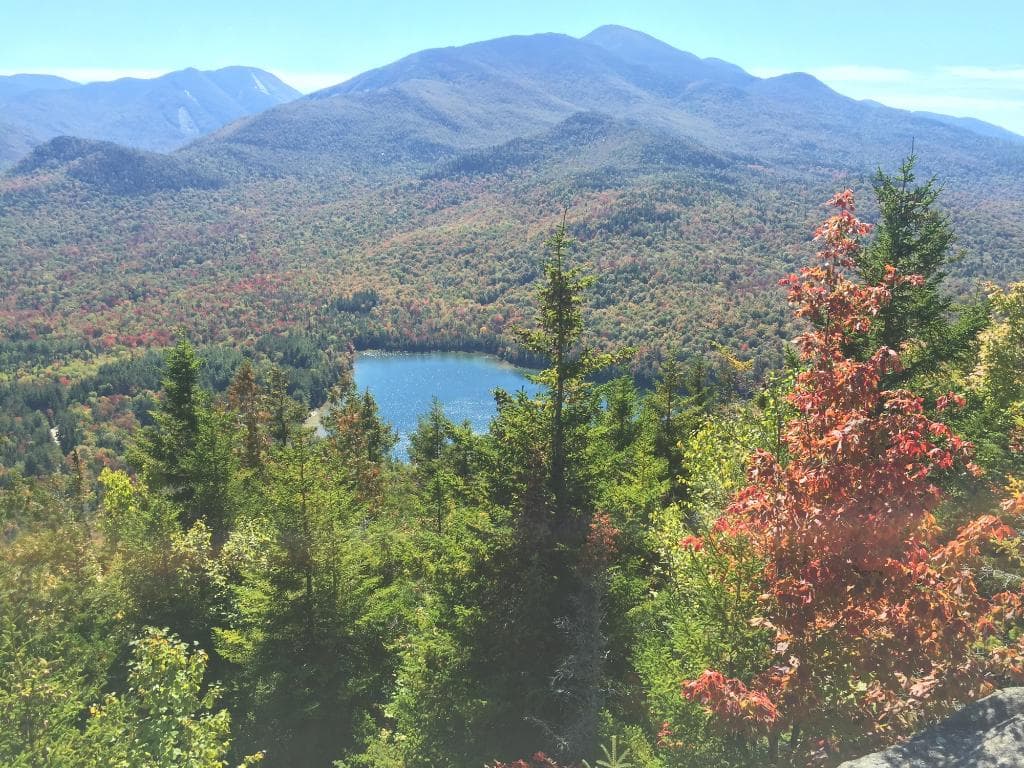
Fall foliage season, from late September to mid-October, offers a visually spectacular experience, transforming the Adirondack landscape into a vibrant tapestry of reds, oranges, and yellows. However, be prepared for cooler temperatures and potentially more unpredictable weather. This is also a very popular time, so expect higher visitor numbers.
+2Spring and winter hikes are for experienced and well-prepared adventurers. While offering a unique challenge and fewer crowds, these seasons present significant risks due to ice, snow, and extreme wind. Summit views can be completely obscured, and the trails can be treacherous. If attempting a winter or early spring hike, ensure you have the appropriate gear, including microspikes or crampons, and a thorough understanding of winter mountaineering.
Preparing for the Elements
Bugs, particularly black flies and mosquitoes, can be a significant nuisance in the Adirondacks, especially during late spring and early summer. Bringing effective insect repellent is a must. Some hikers also find head nets helpful.
For those hiking in shoulder seasons or winter, ice and snow are major considerations. Traction devices like microspikes or crampons are often necessary for safe passage on icy sections. Understanding avalanche risks and having appropriate gear for cold-weather survival is crucial for winter ascents.

Social
from TikTok, Instagram & Reddit