Wrabness Nature Reserve Stour Estuary
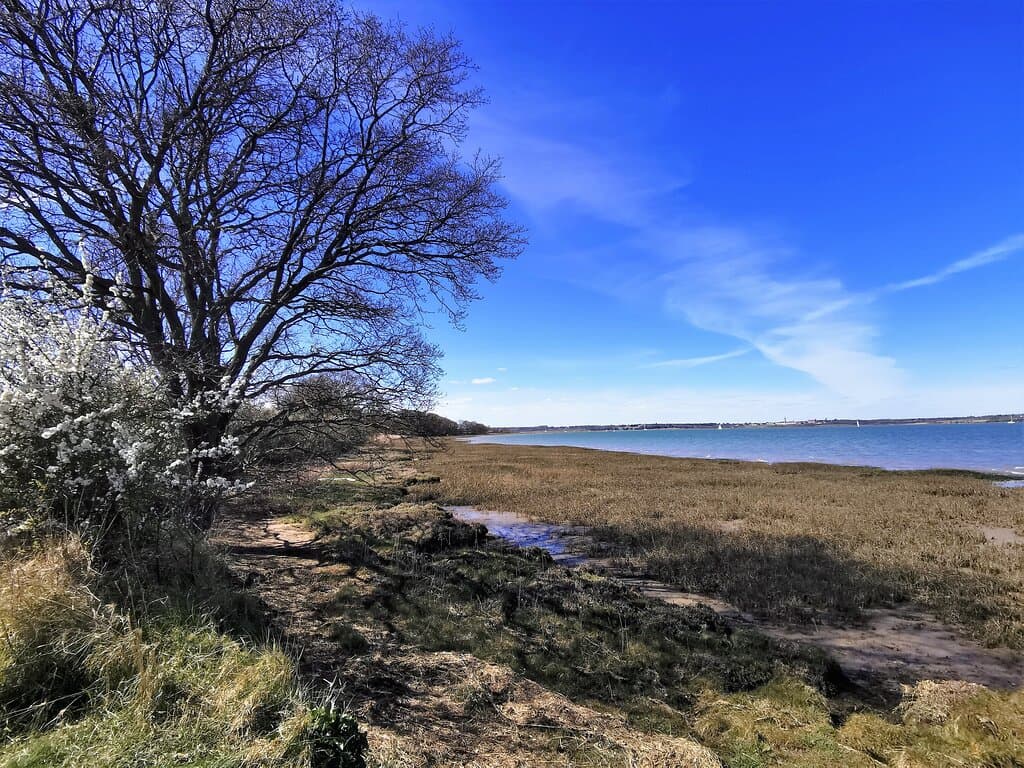
A tranquil nature reserve on the Stour Estuary, perfect for birdwatching, peaceful walks, and spotting local wildlife.

Highlights
Must-see attractions

Social
From TikTok & Reddit
Best Time
Peak bird migration
Wrabness Nature Reserve Stour Estuary
Best Time
Peak bird migration
Highlights
Must-see attractions
A tranquil nature reserve on the Stour Estuary, perfect for birdwatching, peaceful walks, and spotting local wildlife.
"A beautiful nature walk, it's a lovely walk and dog friendly."
Check Tide Times First! :ocean:
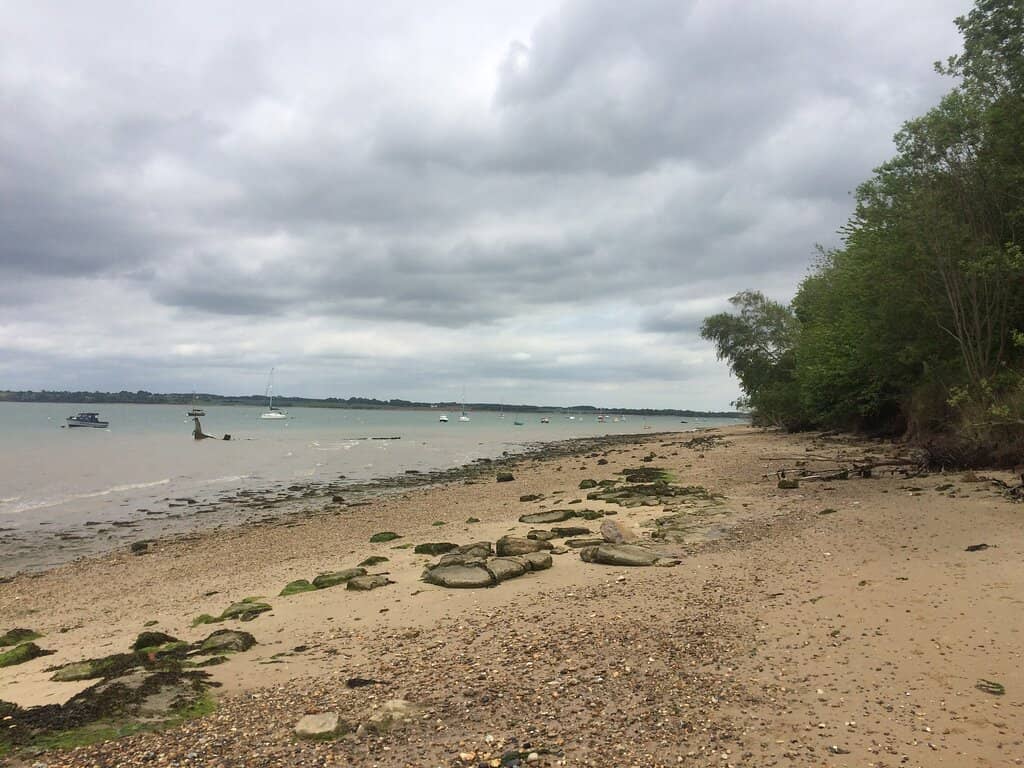
The estuary is tidal; know the times to avoid getting cut off on coastal walks.
Dog-Friendly Strolls :dog:
A lovely walk for you and your canine companion, though be mindful of other visitors.
Highlights
Discover the most iconic attractions and experiences
Estuary Bird Hides
Overlooking the Stour Estuary
Watch Oystercatchers, Redshank, Curlew, and Little Egret from comfortable, basic bird hides.
Wildlife Spotting
Throughout the reserve
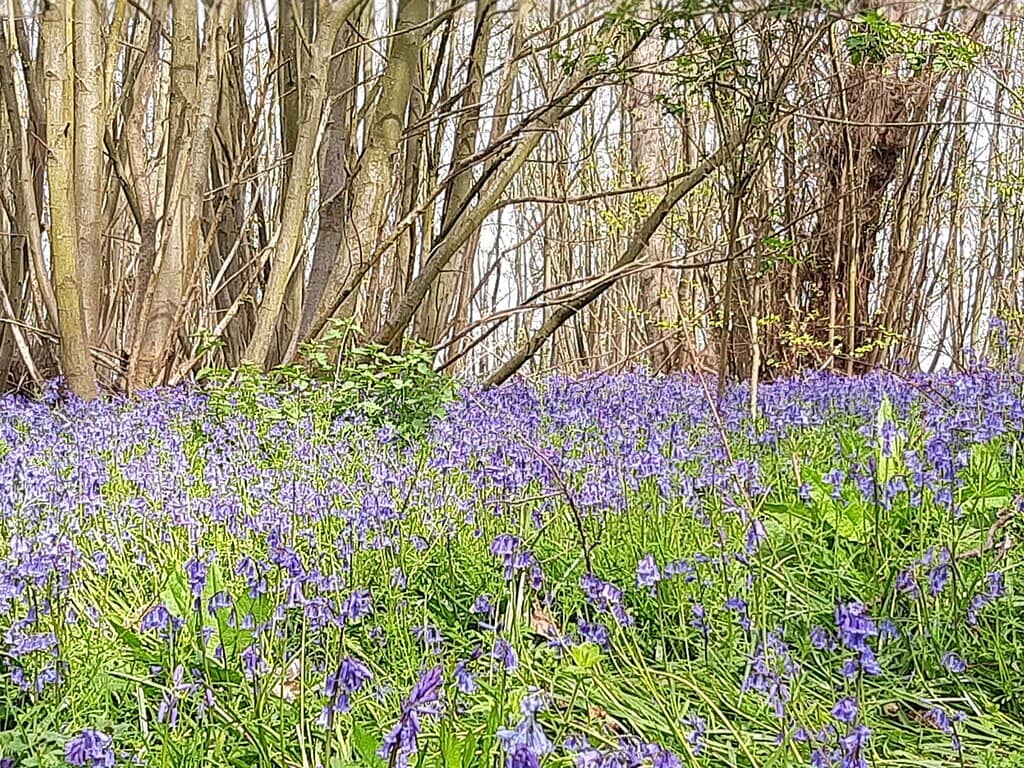
Keep an eye out for butterflies, stoats, and Muntjac deer amidst the trees and brambles.
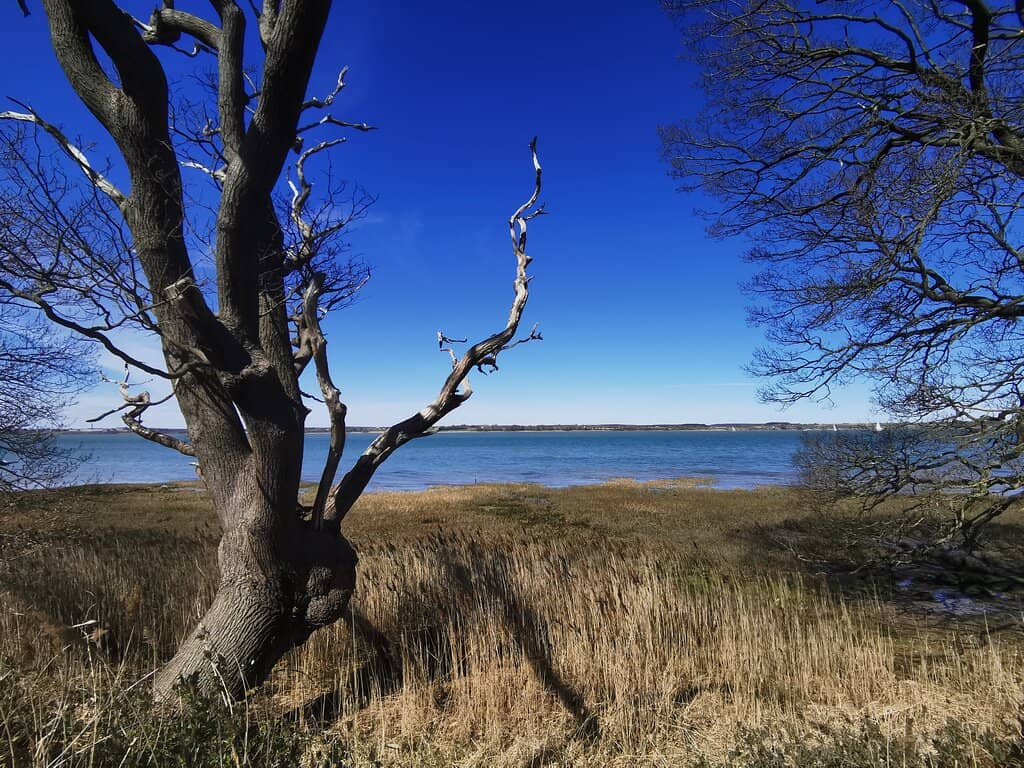
Coastal Path Walk
Along the Stour Estuary
Enjoy a beautiful, flat walk along the coast, perfect for dog walkers and nature enthusiasts.
Plans like a pro.
Thinks like you
Planning Your Visit
Tidal Awareness is Key
Best for Birdwatchers & Nature Lovers
Best Times
Insider Tips
from TikTok, Instagram & Reddit
Check Tide Times First! :ocean:
The estuary is tidal; know the times to avoid getting cut off on coastal walks.
Dog-Friendly Strolls :dog:
A lovely walk for you and your canine companion, though be mindful of other visitors.
Bird Hide Views :binoculoars:
Great for birdwatching, especially curlews on the foreshore.
Picnic Spot :sandwich:
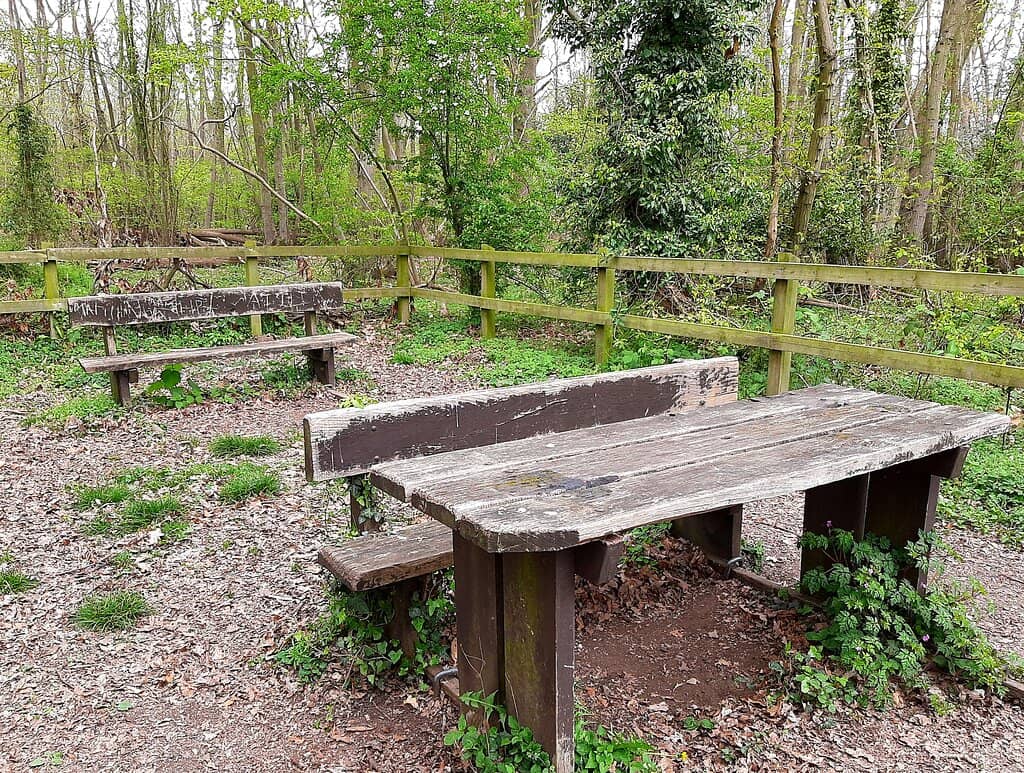
Benches are available, perfect for enjoying a picnic lunch amidst nature.
Tips
from all over the internet
Check Tide Times First! :ocean:
The estuary is tidal; know the times to avoid getting cut off on coastal walks.
Dog-Friendly Strolls :dog:
A lovely walk for you and your canine companion, though be mindful of other visitors.
Bird Hide Views :binoculoars:
Great for birdwatching, especially curlews on the foreshore.
Picnic Spot :sandwich:
Benches are available, perfect for enjoying a picnic lunch amidst nature.
Seasonal Blackberries :berry:
Can get busy with pickers when blackberries are in season.
What Travellers Say
Reviews Summary
Visitors praise Wrabness Nature Reserve for its tranquil atmosphere, abundant birdlife, and pleasant walking trails along the Stour Estuary. It's a dog-friendly spot with useful bird hides and picnic benches, though some note it can be small and busy during blackberry season. The tidal nature of the estuary requires careful planning for coastal walks.
"Wrabness Nature Reserve, located on the south bank of the River Stour in Essex, has a rich natural and cultural history.
Originally managed as grazing marsh and riverside meadow, the area gradually developed into a haven for wildlife due to its mix of grassland, scrub, and shoreline habitats. Its position along the estuary made it an important feeding and nesting site for wading birds, especially during migration seasons.
The reserve gained formal conservation status in the late 20th century, when the Essex Wildlife Trust took on management to protect its diverse habitats and species. Since then, Wrabness has become known for its birdlife—including nightingales, warblers, and wintering wildfowl—as well as for its rare plants and rich insect life.
Today, Wrabness Nature Reserve is celebrated for its peaceful landscapes, its thriving estuary wildlife, and its mix of open countryside and coastal charm, making it a popular spot for walking, birdwatching, and nature appreciation."
Integrated Manual Medicine
"Pleasant reserve with 2 hides, one overlooking estuary. In August saw Oystercatchers, Redshank, Curlew, Little Egret. Lots of butterflies, also saw a stoat and Muntjac deer. Benches were much appreciated, enabling us to sit & enjoy our picnic lunch. A lovely day!"
Jo-Ann Hemper
"A beautiful nature walk, I tend to walk to the beach and along the coast of the Stroud.
It is tidal so be careful not to get cut off if you walk a long way. it's a lovely walk and dog friendly"
Paul W Dungey
What People Like
What People Dislike
Frequently Asked Questions
🚇 🗺️ Getting There
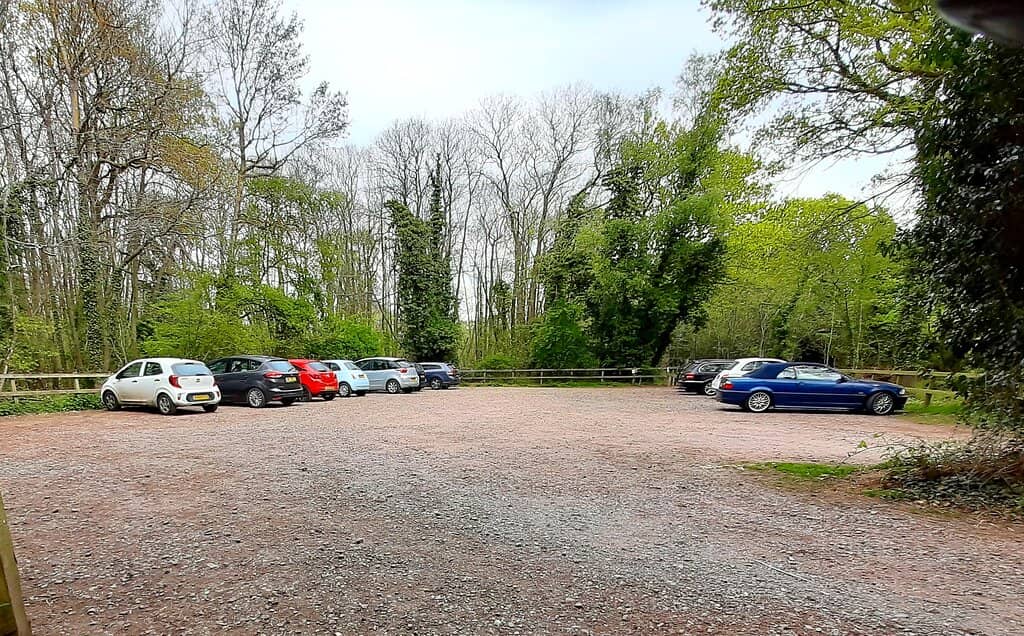
Wrabness Nature Reserve is located near St Osyth in Essex. While specific public transport details are scarce, driving is the most common method. Parking availability can vary, especially during peak seasons. Consider checking local transport links if relying on public transport.
Information on dedicated parking is limited, but visitors often find parking nearby or use local street parking. It's advisable to arrive early, especially on weekends or during peak seasons, to secure a spot.
Cycling is a great way to explore the area. The reserve is accessible via local cycle routes, offering a pleasant journey through the Essex countryside. Ensure your bike is secured if you plan to leave it unattended.
The reserve features flat walkways, making it generally accessible for wheelchairs and pushchairs if you stick to the main paths. However, some areas might be uneven, so caution is advised.
The reserve is situated near St Osyth and Wrabness village. These offer local amenities and are good starting points for exploring the surrounding Stour Estuary area.
🎫 🎫 Tickets & Entry
Wrabness Nature Reserve is typically free to enter, making it an accessible natural attraction. There are no admission fees, allowing visitors to enjoy the wildlife and walking trails without cost.
As an open nature reserve, Wrabness is generally accessible during daylight hours. There are no set opening or closing times, allowing for flexible visits. However, it's best to visit during daylight for safety and optimal wildlife viewing.
Yes, Wrabness Nature Reserve is dog-friendly. It's a popular spot for dog walkers to enjoy the coastal paths and open spaces. Remember to keep your dog under control and clean up after them.
The reserve offers basic bird hides and benches for visitors to rest and enjoy the scenery. There are no extensive facilities like visitor centers or cafes on-site, so come prepared with your own refreshments.
The best times for birdwatching are during spring and autumn for migration, and early mornings or late afternoons year-round. The foreshore is particularly good for spotting waders like curlews.
🎫 🧭 Onsite Experience
You can see a variety of wildlife, including numerous bird species like Oystercatchers, Redshank, Curlew, and Little Egret. Butterflies are abundant, and you might also spot mammals such as stoats and Muntjac deer.
Yes, there are multiple paths around and through the reserve, including trails along the river edge and the foreshore. The paths are generally flat and well-maintained, making for pleasant walks.
It's a good spot for nature photography, especially for birdlife and coastal landscapes. The bird hides offer excellent vantage points, and the surrounding estuary provides scenic backdrops.
Wear comfortable walking shoes or boots, as paths can be muddy after rain. Layers are recommended as the weather can change. Waterproofs are advisable, especially if visiting outside of summer.
A typical visit can last from 1 to 3 hours, depending on your interest in birdwatching and walking. You can explore the main paths and bird hides within this timeframe.
🍽️ 🍽️ Food & Dining
There are no cafes or restaurants directly within Wrabness Nature Reserve. Visitors are advised to bring their own food and drinks for a picnic, as benches are available.
The nearest villages, such as St Osyth and Wrabness, will have local pubs or small eateries. For a wider selection, you might need to travel to larger towns like Clacton-on-Sea or Colchester.
Absolutely! Benches are provided, making it an ideal spot for a picnic lunch while enjoying the natural surroundings and wildlife.
The nearby village of St Osyth has a few traditional pubs that offer food and drinks. It's worth checking local listings for the most up-to-date information on opening times and menus.
Packing a picnic is the most convenient option. Bring plenty of water, snacks, and a packed lunch to fully enjoy your time at the reserve without needing to leave for food.
📸 📸 Photography
The bird hides overlooking the Stour Estuary are prime locations for capturing birdlife. The coastal paths also offer scenic views of the estuary and surrounding marshland.
Wildlife photography, particularly bird photography, is excellent here. Landscape photography of the estuary and marsh scenes is also rewarding, especially during sunrise or sunset.
A telephoto lens is highly recommended for capturing detailed shots of birds, especially from the hides. A zoom lens can offer flexibility for both birds and wider landscape shots.
Mornings and late afternoons generally offer the best natural light for photography, with softer shadows. The estuary can be quite exposed, so be prepared for varying light conditions.
There are no specific restrictions on photography for personal use. However, always be respectful of other visitors and wildlife, and avoid disturbing the natural environment.
For Different Travelers
Tailored advice for your travel style
👨👩👧 Families with Kids
Encourage kids to look for different bird species from the hides or search for blackberries in season. It's a great place for a family picnic, with plenty of space to relax. Remember to bring snacks and drinks, as facilities are minimal. The tidal nature of the estuary means you can discuss the changing water levels, adding an educational element to the visit.
🚶♀️ Solo Walkers & Dog Owners
As a relatively quiet reserve, it's ideal for those seeking solitude or a chance to connect with nature. The bird hides offer a perfect spot for quiet contemplation, and the well-maintained paths make for an enjoyable and safe solo excursion. Remember to be mindful of other visitors and always clean up after your dog.
🐦 Dedicated Birdwatchers
Visiting during spring and autumn migration periods can significantly enhance your sightings. The reserve's location along the estuary makes it a key stopover point for many migratory species. Even outside of migration, the resident birds provide consistent interest. Bring your binoculars and a good field guide for the best experience.
Deep Dives
In-depth insights and expert knowledge
Exploring the Stour Estuary
Visitors can walk along the foreshore, but it's essential to be aware of the tidal nature of the estuary. High tides can inundate the lower paths, potentially cutting off access. Checking tide times before your visit is paramount to ensure a safe and enjoyable experience. The reserve itself is a smaller, contained area, but its proximity to the wider estuary means you're immersed in a much larger natural landscape. New signage has recently been added to help delineate the reserve's boundaries and guide visitors.
This area is not just important for birds; it also supports diverse plant life adapted to saline conditions. The interplay between land and sea creates a unique ecosystem that changes with the seasons. Whether you're a keen birdwatcher or simply seeking a peaceful walk, the Stour Estuary provides a rich natural spectacle.
Birdwatching Hotspots
During different seasons, you can expect to see species such as Oystercatchers, Redshank, Curlew, and Little Egret. The mudflats exposed at low tide are feeding grounds for many of these birds. Redditors often highlight the pleasure of watching curlews on the foreshore from the hide, a testament to the reserve's appeal for avian enthusiasts.
Beyond the hides, the walking trails around the reserve and along the estuary edge also provide chances to see other birdlife, including various passerines in the scrub and woodland areas. For dedicated birdwatchers, visiting during migration periods in spring and autumn can yield even more diverse sightings.
Wildlife Beyond Birds
More elusive are the mammals that inhabit the area. Reports include sightings of stoats darting through the undergrowth and the charming Muntjac deer grazing peacefully. These encounters, though not guaranteed, add an element of surprise and delight to a visit.
During late summer and early autumn, the reserve becomes a popular spot for blackberry picking. This seasonal activity not only attracts local visitors but also highlights the natural bounty of the area. Even outside of blackberry season, the dense brambles and trees offer shelter and food for various small mammals and insects, contributing to the reserve's biodiversity.



Social
from TikTok, Instagram & Reddit