Whipple Museum of the History of Science
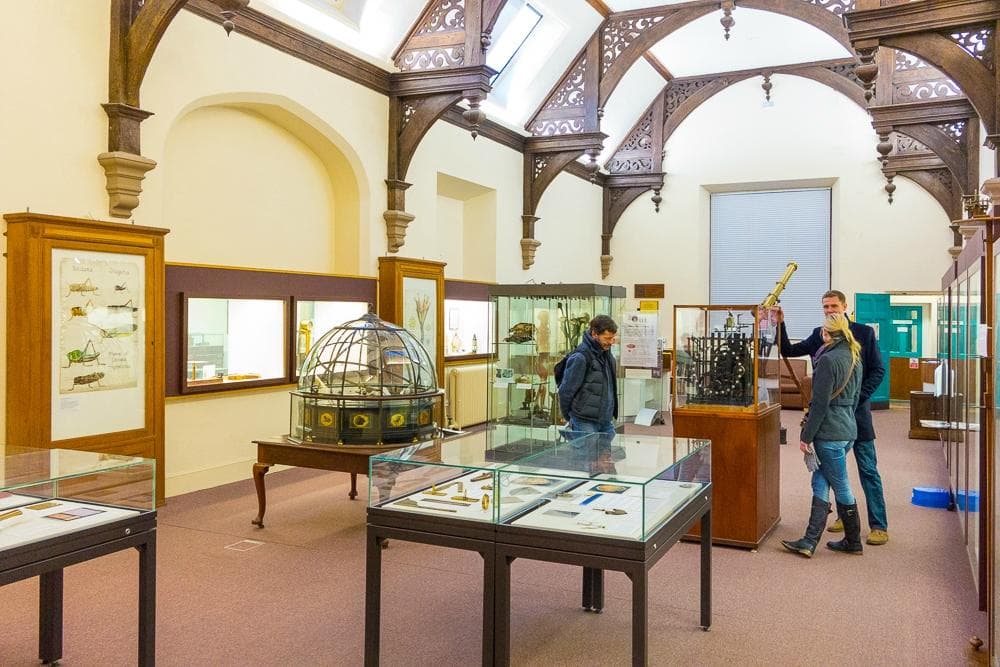
Explore centuries of scientific innovation through a unique collection of instruments, globes, and a recreated Victorian home.

Highlights
Must-see attractions

Social
From TikTok & Reddit
Best Time
Fewer crowds, more focus
Whipple Museum of the History of Science
Best Time
Fewer crowds, more focus
Highlights
Must-see attractions
Explore centuries of scientific innovation through a unique collection of instruments, globes, and a recreated Victorian home.
"A small but fascinating science museum with some really valuable pieces on display."
🎯 Free Admission & Donations
Entry is free! Consider a donation to support this amazing museum.
⏰ Allow an Hour or More
You might need two trips to see it all! Plan accordingly.
Highlights
Discover the most iconic attractions and experiences
Victorian Science at Home
First Floor
Step into a fully furnished Victorian living room, showcasing how science influenced everyday life.
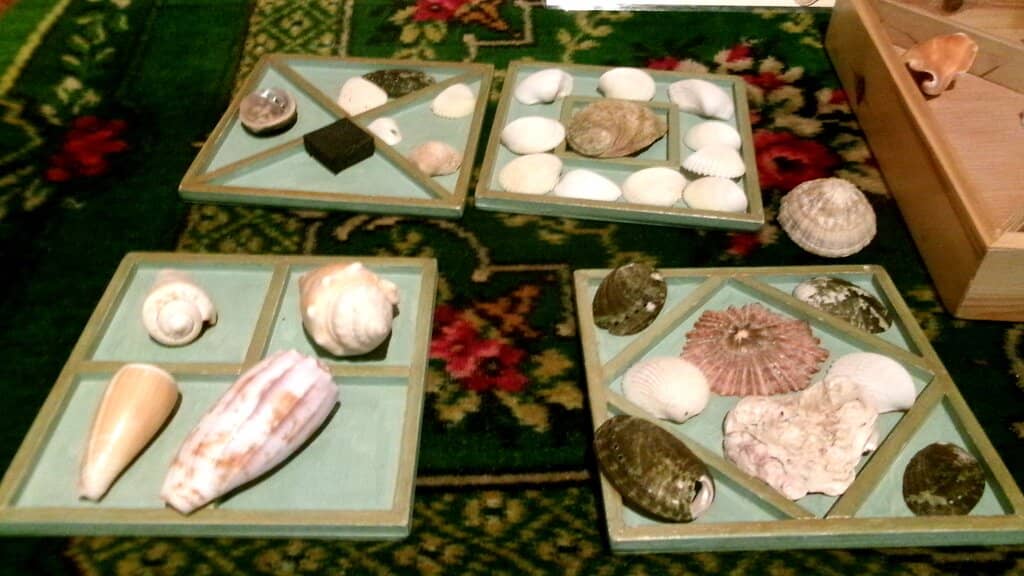
Globes Through Time
First Floor
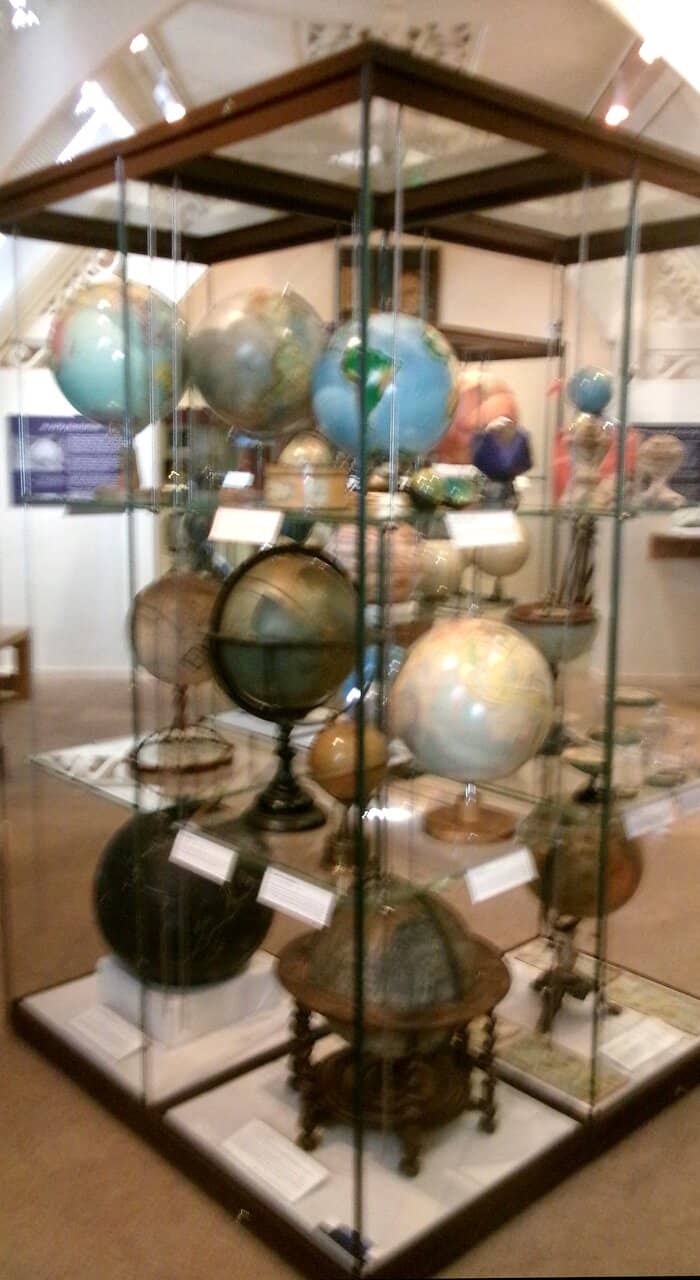
Explore a captivating collection of historical globes, charting the evolution of our understanding of the world.
Darwin's Microscope
Ground Floor
See Charles Darwin's actual microscope, a tangible link to groundbreaking scientific discovery.
Scientific Instruments Galore
Ground Floor
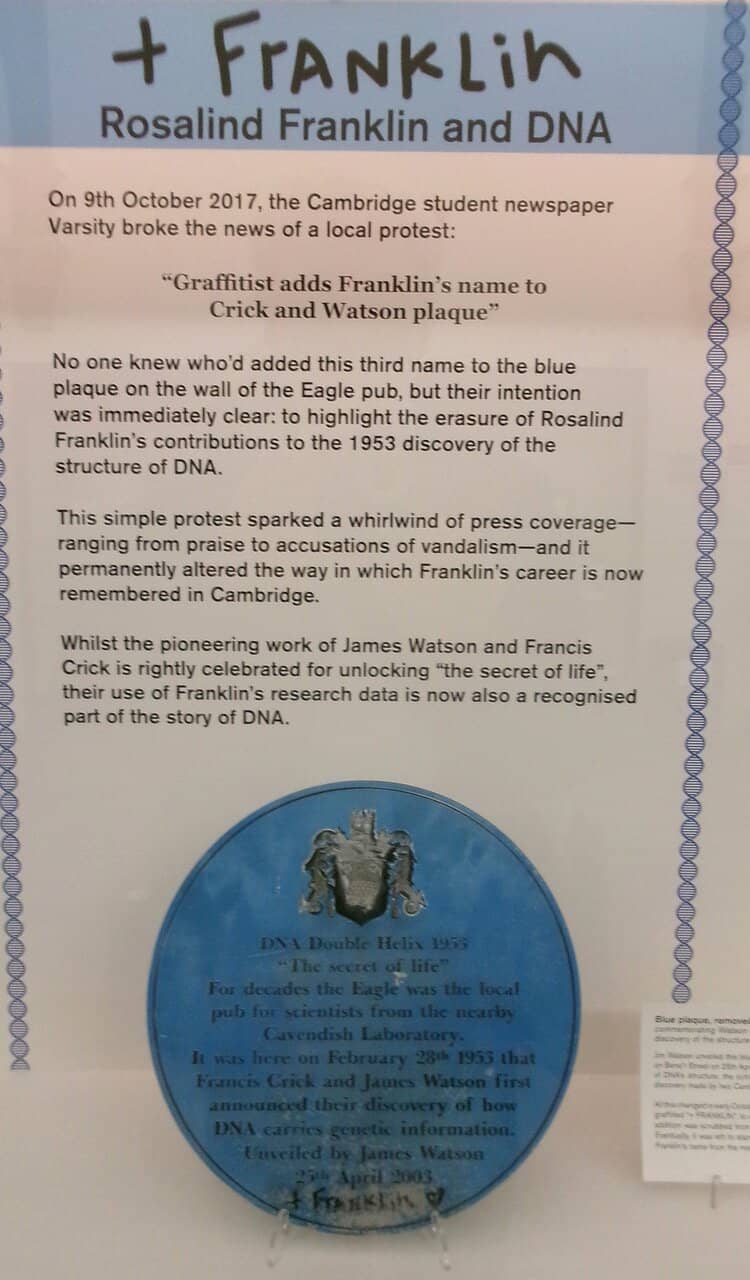
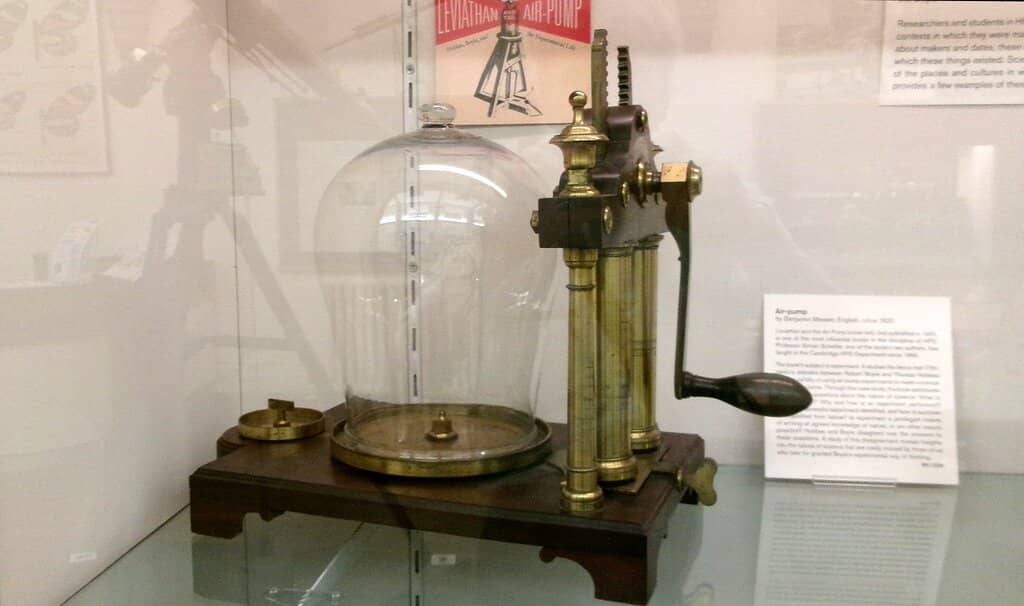
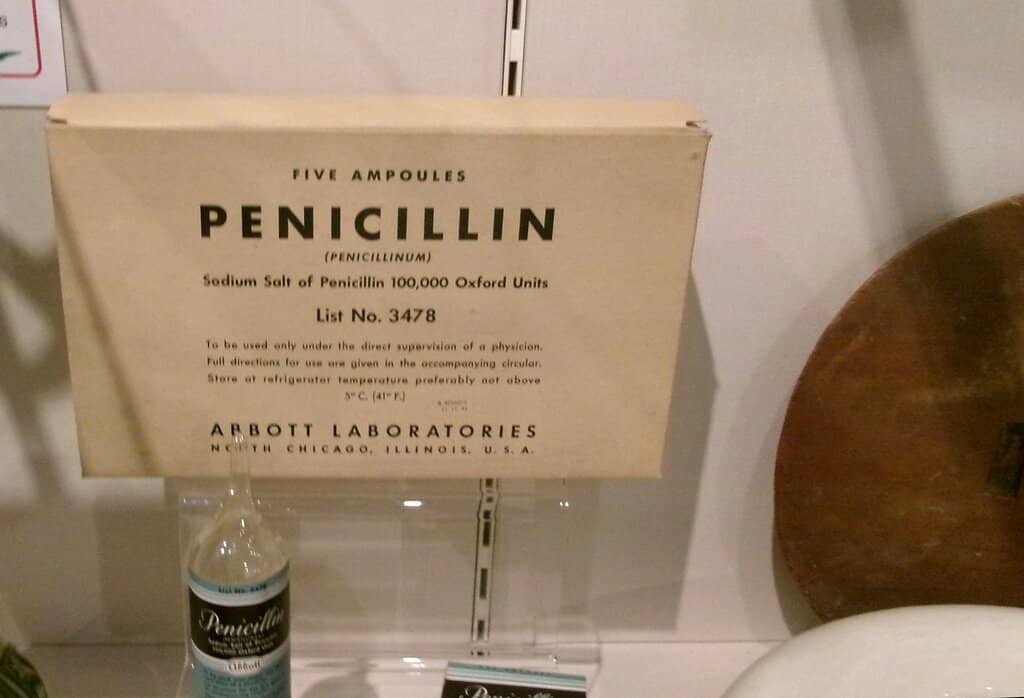
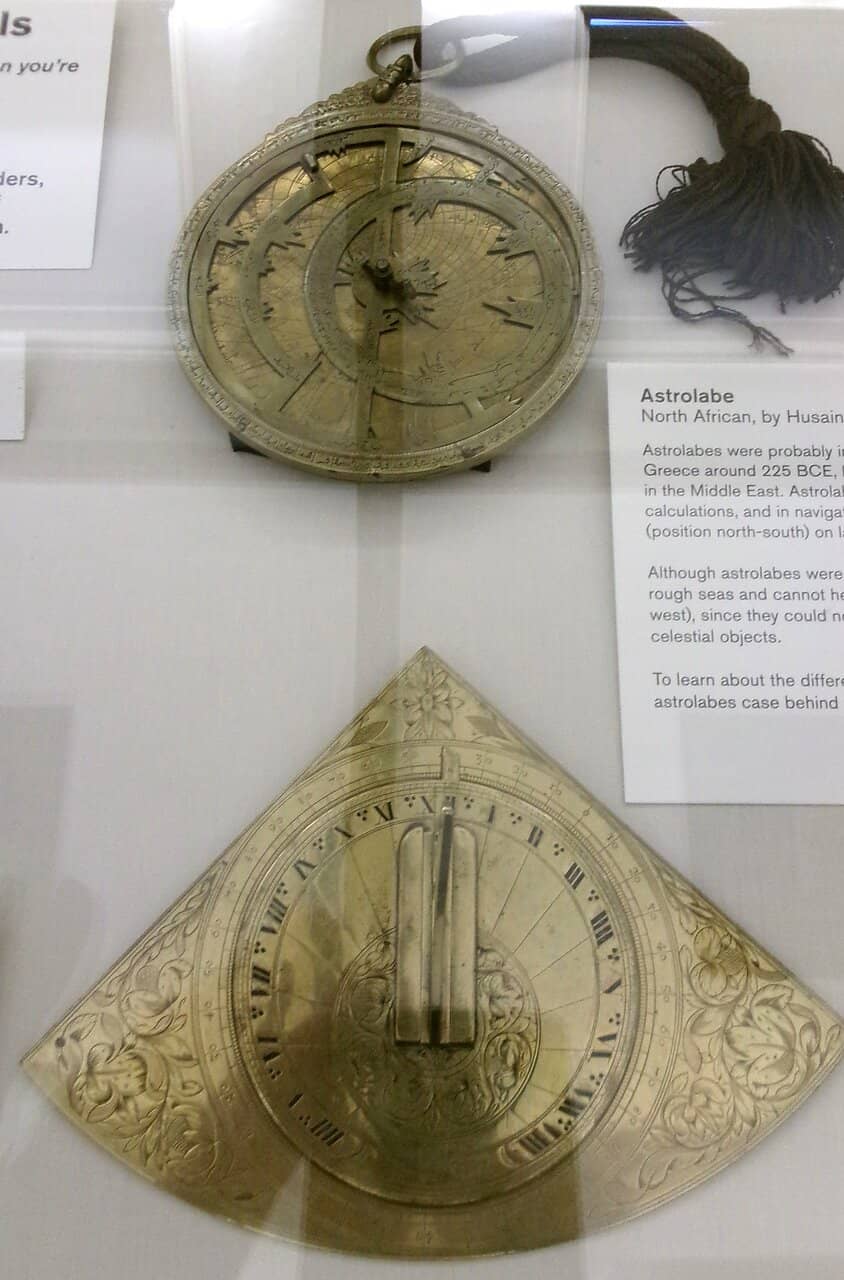
Marvel at an array of historical scientific instruments, from tiny brain saws to intricate orreries.
Plans like a pro.
Thinks like you
Planning Your Visit
Free Admission, Big Discoveries
Victorian Charm & Scientific Wonders
Best Times
Insider Tips
from TikTok, Instagram & Reddit
🎯 Free Admission & Donations
Entry is free! Consider a donation to support this amazing museum.
⏰ Allow an Hour or More
You might need two trips to see it all! Plan accordingly.
📚 Library Access Bonus
The Whipple Library is accessible from the museum, a nice perk for book lovers.
🔬 For Science Buffs
A must-visit for anyone interested in math, medicine, or natural sciences.
Tips
from all over the internet
🎯 Free Admission & Donations
Entry is free! Consider a donation to support this amazing museum.
⏰ Allow an Hour or More
You might need two trips to see it all! Plan accordingly.
📚 Library Access Bonus
The Whipple Library is accessible from the museum, a nice perk for book lovers.
🔬 For Science Buffs
A must-visit for anyone interested in math, medicine, or natural sciences.
🧸 Interactive Fun
Hands-on activities in the globe room are great for all ages.
What Travellers Say
Reviews Summary
Visitors consistently praise the Whipple Museum for its fascinating and eclectic collection of scientific artifacts, offering a unique glimpse into the history of science. The free admission and the immersive Victorian living room exhibit are frequently highlighted as major draws. While some find the globe section could be better organized, the overall experience is highly recommended for its educational value and engaging displays.
"If you're a science aficionado then you'll be right at home here as even with its modest size, the museum packs in a breadth of information concerning the marriage of history and science. The ground floor consists of a myriad of artifacts that have played a key role in shaping the history of science and how that was and continues to be applied to the technology we have today. The most fascinating part of the museum happens to be on the first floor, with a completely decked out Victorian living room that really gives you an idea of how science moulded the every day living space - despite the limitations back then. There's also a section about globes which I found to be rather interesting. The whole museum is free to visit so definitely visit here and take in all there is to see here - you won't be disappointed."
Sadek Miah
"A small but fascinating science museum with some really valuable pieces on display. In my opinion, the globe section upstairs could be a bit better organised. There was a super cheerful staff member. If you’re into math, medicine, or natural sciences and visit Cambridge, you should definitely stop by.
PS. You can also access the library directly from there. Nice bonus."
Duygu Uysal
"It houses an extensive collection of scientific artifacts from across the centuries, some of which hold particular historical significance like Darwin's Microscope and the Grand Orrery. Well worth a look.
Admission is free, but donations are kindly welcomed."
Jake Boscarino
What People Like
What People Dislike
Frequently Asked Questions
🚇 🗺️ Getting There
The Whipple Museum is conveniently located in Cambridge, close to King's Parade. It's easily accessible on foot if you're exploring the city center. Many visitors arrive by public transport to Cambridge and then walk to the museum. Check local bus routes for the most direct access within the city.
Parking in central Cambridge can be challenging and expensive. It's generally recommended to use public transport or park-and-ride facilities on the outskirts of the city and then travel into the center.
While the museum has a ground floor with many exhibits, the first floor with the Victorian room and globe collection may present accessibility challenges. It's advisable to contact the museum directly for the most up-to-date accessibility information.
Absolutely! The Whipple Museum is a perfect addition to a Cambridge day trip, especially if you have an interest in science or history. It's compact enough to fit into a 6-hour itinerary.
From Cambridge train station, you can take a taxi or a local bus service into the city center, which will bring you within walking distance of the museum. The journey is relatively short.
🎫 🎫 Tickets & Entry
The museum is typically open on weekdays. It's always best to check the official Whipple Museum website for the most current opening hours and any potential closures before your visit.
No, admission to the Whipple Museum of the History of Science is completely free! However, they kindly welcome donations to help maintain their collections and exhibits.
As admission is free and it's a relatively small museum, advance booking is generally not required. You can usually just walk in during opening hours.
The museum occasionally hosts special exhibitions and events, sometimes in collaboration with university departments or students. Keep an eye on their website or social media for announcements.
For larger groups, it's a good idea to contact the museum in advance to inform them of your visit. This helps them manage visitor flow and ensure everyone has a good experience.
🎫 🧭 Onsite Experience
Most visitors spend around an hour at the Whipple Museum, but you could easily spend more if you're deeply interested in the exhibits. Some find it takes two visits to see everything!
Highlights include Darwin's Microscope, the recreated Victorian living room, the extensive globe collection, and a fascinating array of historical scientific instruments and toys.
Yes, the Victorian globe room often features fun, hands-on interactive activities that are suitable for both children and adults.
Generally, photography for personal use is permitted, but it's always best to check for any specific signage or ask a staff member. Avoid using flash photography, especially near delicate artifacts.
The museum has a unique atmosphere, blending historical charm with scientific curiosity. The displays are often described as eclectic and eccentric, offering a truly distinctive experience.
🍽️ 🍽️ Food & Dining
The Whipple Museum itself does not have a cafe or dining facilities. However, being located in central Cambridge, there are numerous cafes, pubs, and restaurants nearby to choose from.
It's generally not recommended to consume food or drinks inside museums to protect the exhibits. There are usually designated areas outside or nearby where you can enjoy refreshments.
Cambridge city center offers a variety of street food options, particularly around areas like Market Square. You can find diverse cuisines to suit your taste.
Yes, many restaurants and cafes in Cambridge cater to families. Look for establishments offering children's menus or a relaxed atmosphere.
You'll find everything from traditional pubs to international cuisine within a short walk. Consider exploring the areas around King's Parade or Bridge Street for a wide selection.
📸 📸 Photography
The Victorian living room offers a unique, atmospheric backdrop. The diverse collection of scientific instruments and globes also provides visually interesting shots.
It's best to avoid using flash photography, especially when photographing delicate historical artifacts. Always check for signage or ask museum staff if you're unsure.
Personal photography is usually allowed, but always be respectful of the exhibits and other visitors. Capturing images of significant items like Darwin's Microscope can be a great memento.
Drone usage is typically restricted in urban areas and around historical buildings. It's highly unlikely you'll be able to fly a drone near the museum or within Cambridge city center.
A camera with good low-light performance is beneficial, as some areas might be dimly lit to preserve artifacts. A versatile lens that can capture both wide shots and details would be ideal.
For Different Travelers
Tailored advice for your travel style
👨👩👧 Families with Kids

Consider visiting on a weekday to avoid the busiest periods. Pack some snacks and drinks to enjoy outside the museum, as there are no dining facilities inside.
🤓 Science & History Enthusiasts
The inclusion of the recreated Victorian living room offers a unique perspective on how science impacted everyday life, which is a fascinating contrast to the more technical exhibits.
This combination of artifacts and literature makes it a rich destination for serious enthusiasts. 🚶 Day-Trippers to Cambridge
Plan for about an hour to explore the main exhibits, including the fascinating Victorian room and the collection of globes.
Deep Dives
In-depth insights and expert knowledge
A Journey Through Scientific Evolution
The ground floor is packed with an eclectic array of scientific instruments, including items related to mathematics, physics, and medicine. You might find yourself marveling at intricate orreries, early calculating devices, or even specialized tools like tiny brain saws.
One of the most captivating aspects of the Whipple Museum is its ability to bring history to life. The recreated Victorian living room on the first floor is a standout exhibit, demonstrating how scientific advancements permeated domestic spaces and daily routines.
Exploring the Whipple Library
This library is not just a repository of academic texts; it also houses a collection of rare books on the history of science, offering a deeper dive into the subject matter. Visitors to the museum might find some museum items interspersed among the bookshelves, creating a unique scholarly atmosphere. The library's collection is extensive, covering a wide range of topics within the history and philosophy of science. For researchers, students, or anyone with a keen interest in the subject, it provides access to primary and secondary sources that illuminate scientific discoveries and debates throughout history.
The proximity of the library to the museum allows for a comprehensive exploration of the field, bridging the gap between tangible artifacts and the written records that document their significance.Access to the library is a significant bonus for those visiting the Whipple Museum. It offers a quiet space for contemplation and further study, complementing the visual experience of the museum exhibits.
Social
from TikTok, Instagram & Reddit