
Antonine Wall Trail Cumbernauld Section
Walk the path of Roman legions at the Antonine Wall Trail Cumbernauld section, a tangible link to ancient Britain's northern frontier.
Highlights
Must-see attractions

Social
From TikTok & Reddit
Best Time
Wildflowers bloom beautifully
Antonine Wall Trail Cumbernauld Section
Best Time
Wildflowers bloom beautifully
Highlights
Must-see attractions
Walk the path of Roman legions at the Antonine Wall Trail Cumbernauld section, a tangible link to ancient Britain's northern frontier.
"Not much wall left to see, but pretty cool historical landmark and fantastic land."

🚶♀️ Sturdy Footwear is Key
The path can be uneven and grassy. Comfortable, supportive shoes are a must for exploring the historical site.
🗺️ Download Offline Maps
Mobile signal can be spotty. Having an offline map will help you navigate the trail sections easily.

Highlights
Discover the most iconic attractions and experiences
Remnants of the Vallum
Various points along the trail
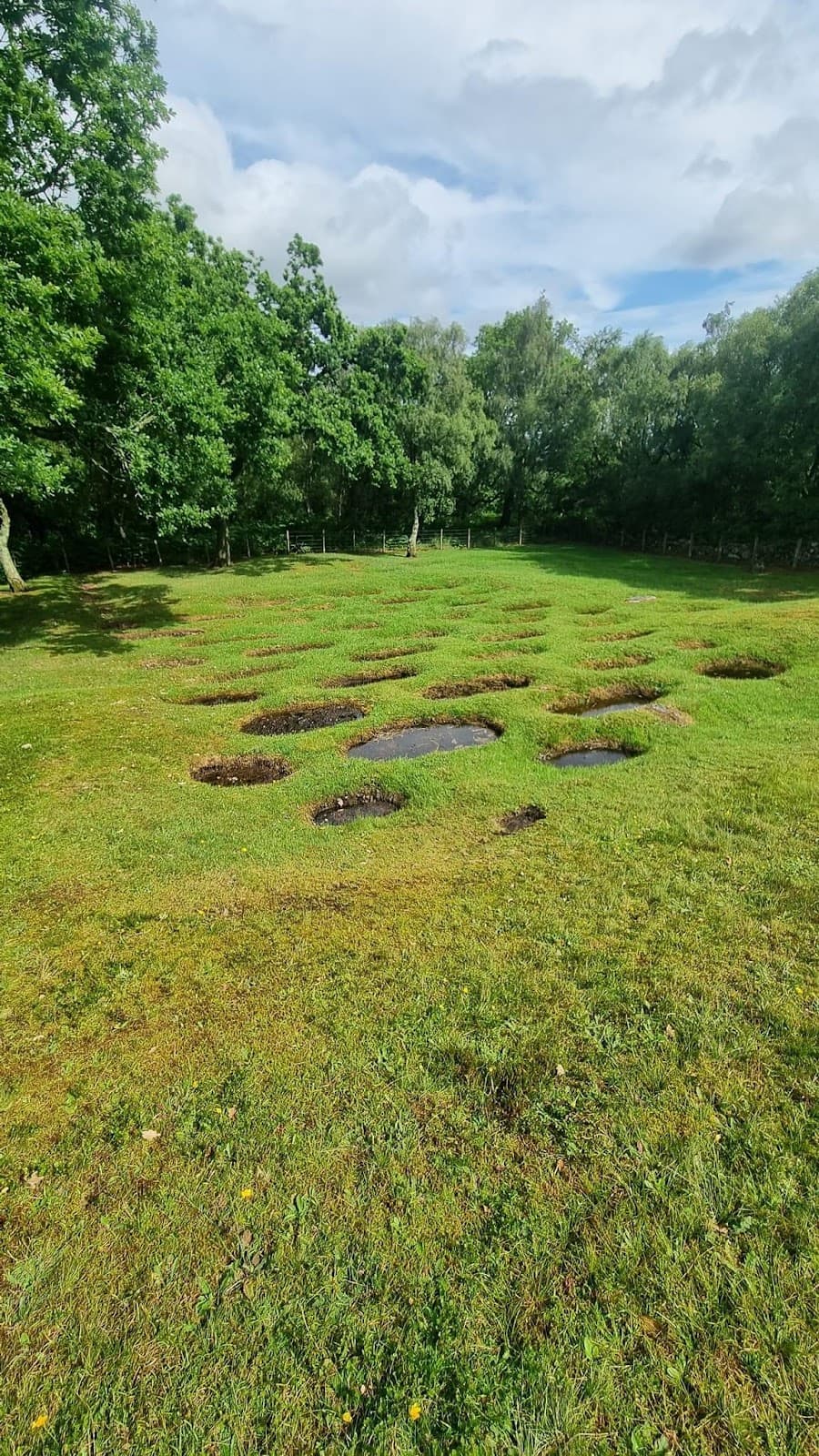
See the earthworks and ditches that once formed the formidable Roman barrier.
Historical Interpretation Boards
Along the trail
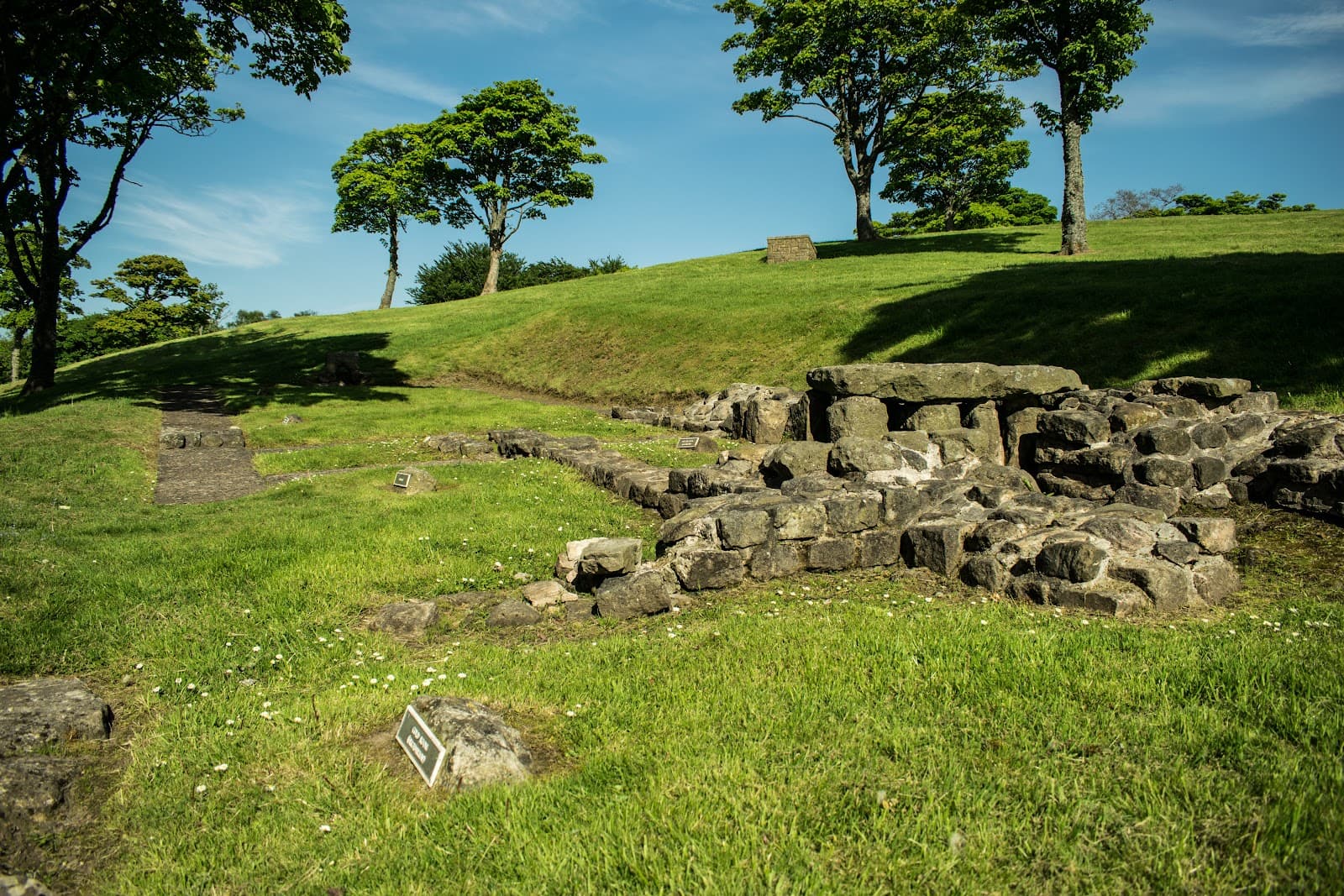
Gain insights into the wall's construction and significance through informative signage.

Scenic Walking Paths
Throughout the trail
Enjoy a pleasant walk through the Scottish landscape with historical context.
Plans like a pro.
Thinks like you
Planning Your Visit
Embrace the History
Wear Comfortable Shoes
Best Times
Insider Tips
from TikTok, Instagram & Reddit
🚶♀️ Sturdy Footwear is Key
The path can be uneven and grassy. Comfortable, supportive shoes are a must for exploring the historical site.
🗺️ Download Offline Maps
Mobile signal can be spotty. Having an offline map will help you navigate the trail sections easily.
📸 Capture the Landscape
While the wall is subtle, the surrounding scenery is lovely. Bring your camera for scenic shots.
Tips
from all over the internet
🚶♀️ Sturdy Footwear is Key
The path can be uneven and grassy. Comfortable, supportive shoes are a must for exploring the historical site.
🗺️ Download Offline Maps
Mobile signal can be spotty. Having an offline map will help you navigate the trail sections easily.
📸 Capture the Landscape
While the wall is subtle, the surrounding scenery is lovely. Bring your camera for scenic shots.
What Travellers Say
Reviews Summary
Visitors find the Antonine Wall Trail Cumbernauld section to be a fascinating historical landmark, appreciating the tangible connection to Roman Britain. While acknowledging that much of the wall is no longer standing, the remaining earthworks and informative signage offer a valuable glimpse into the past and a pleasant walking experience.
"Not much wall left to see. But pretty cool historical landmark"
Davie
"Fantastic land"
Lorraine Delaney
""
Alan Reardon
What People Like
What People Dislike
Frequently Asked Questions
🚇 🗺️ Getting There
The Cumbernauld section is accessible via local roads. Parking is available at various points, such as near the Cumbernauld Museum and Heritage Centre. Public transport options might require further local bus connections.
Yes, there are several parking areas available along the trail, particularly near key access points and historical markers. Check local signage for designated spots.
Parts of the trail are suitable for cycling, but some sections may be narrow or have rough terrain. It's best to check local cycling maps for the most appropriate routes.
🎫 🎫 Tickets & Entry
No, access to the Antonine Wall Trail and its remnants is free. It's an open-air historical site.
The trail is accessible at all times, as it's an outdoor public space. However, visiting during daylight hours is recommended for safety and visibility.
🎫 🧭 Onsite Experience
You can see the earthworks and ditches of the Roman wall, along with interpretation boards explaining its history. The surrounding landscape also offers pleasant walking.
The time needed depends on how much of the trail you wish to cover. A short walk to see key remnants might take an hour, while a longer exploration could take several hours.
Yes, children can enjoy exploring the historical site, especially if they are interested in Roman history. Ensure they wear appropriate footwear and are supervised.
Restroom facilities are limited directly on the trail. It's advisable to use facilities at nearby visitor centers or cafes before starting your walk.
The terrain varies, with some paved or well-maintained paths and other sections being grassy, uneven, or muddy, especially after rain.
📸 📸 Photography
Look for sections where the earthworks are most prominent and the landscape provides a good backdrop. Early morning or late afternoon light can enhance the visual appeal.
The remnants are subtle, so focus on capturing the scale of the earthworks against the landscape. Wide-angle lenses can be useful for showing the context.
For Different Travelers
Tailored advice for your travel style
👨👩👧 Families with Kids
Remember to pack snacks and drinks, as facilities are limited along the trail. Ensure everyone wears comfortable, sturdy shoes, as the terrain can be uneven. The open spaces also offer room for children to move around, making it a more enjoyable experience than a crowded museum. It's a great way to introduce them to local history in an active, outdoor setting.
🚶♀️ History Buffs & Walkers
Walkers will appreciate the peaceful and scenic nature of the trail. It's less about a strenuous hike and more about a contemplative stroll through the Scottish countryside. The trail can be adapted to your desired length, allowing for a short exploration or a more extended walk. Consider bringing a good guidebook or doing some research beforehand to enhance your understanding of the historical significance of each point you encounter.
Deep Dives
In-depth insights and expert knowledge
Understanding the Antonine Wall
While much of the wall has eroded over centuries, sections like the Cumbernauld section still offer a glimpse into its former glory. Visitors can see the distinct linear earthworks, including the rampart and the ditch, which are particularly well-preserved in certain areas. Interpretation boards placed along the trail provide valuable context, explaining the wall's purpose, construction methods, and the lives of the Roman soldiers stationed there. These boards help bring the history to life, allowing visitors to visualize the imposing barrier that once stood here.
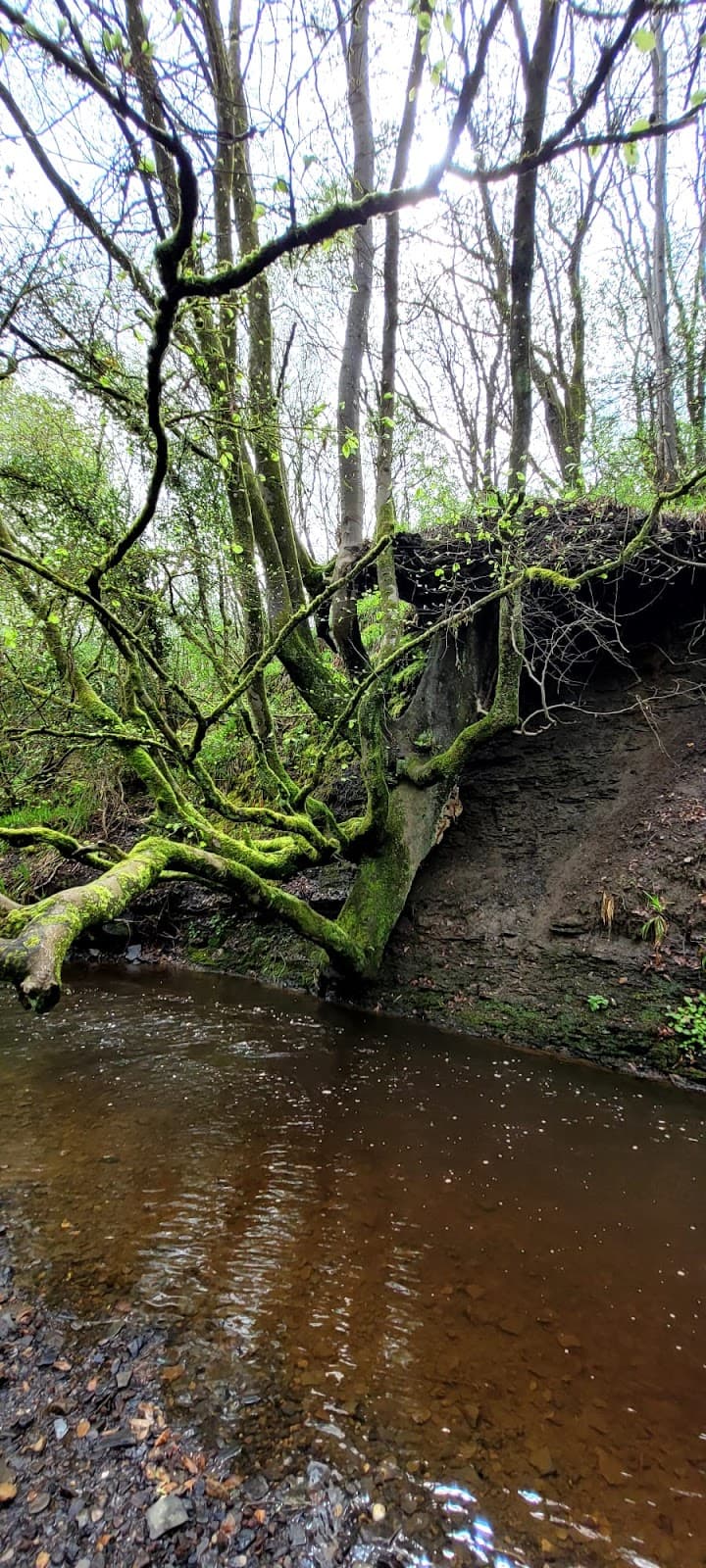
Exploring the Antonine Wall Trail is not just about seeing historical remnants; it's also about experiencing the surrounding Scottish landscape. The trail meanders through fields, woodlands, and open countryside, offering a peaceful and scenic walk. It's a chance to connect with history while enjoying nature, making it an appealing destination for both history enthusiasts and casual walkers.
Navigating the Cumbernauld Section
When visiting, comfortable footwear is paramount. The paths can be uneven, grassy, and sometimes muddy, especially after rain. Many visitors recommend wearing sturdy walking boots or trainers. The trail is suitable for a leisurely stroll, with opportunities to stop and read the informative panels that detail the history and archaeology of the site. These panels are crucial for understanding the scale and significance of what you are seeing, as the physical remains can be subtle.
For those interested in photography, the scenic beauty of the landscape surrounding the wall remnants can be a highlight. The rolling hills and open fields provide a picturesque backdrop. Visiting during the 'golden hours' of sunrise or sunset can offer beautiful light for capturing the earthworks and the wider environment. Remember to bring a camera or smartphone with good battery life, as you'll likely want to document your historical journey.



Social
from TikTok, Instagram & Reddit