Petrie Museum of Egyptian Archaeology
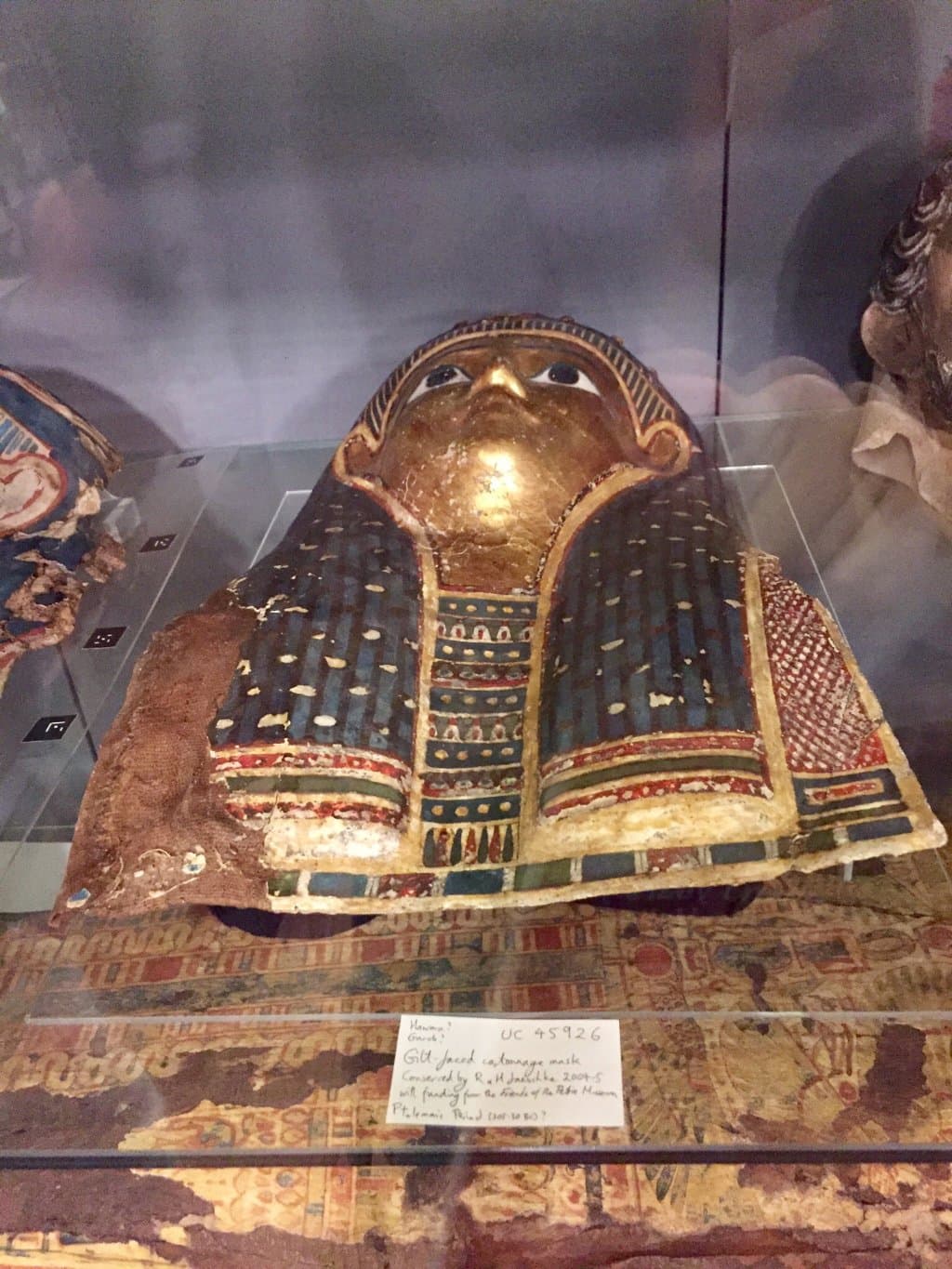
A treasure trove of 80,000+ Egyptian and Sudanese artifacts, including the world's oldest woven garment. A free, intimate glimpse into ancient life.
Highlights
Must-see attractions

Social
From TikTok & Reddit
Best Time
Fewer crowds, more space
Petrie Museum of Egyptian Archaeology
Best Time
Fewer crowds, more space
Highlights
Must-see attractions
A treasure trove of 80,000+ Egyptian and Sudanese artifacts, including the world's oldest woven garment. A free, intimate glimpse into ancient life.
"It was so much larger than I imagined, with an incredible collection of all things ancient Egypt."
🎯 Free Admission Gem
Enjoy this incredible collection without spending a penny! A true budget-friendly London experience.
📍 Hidden Entrance Alert
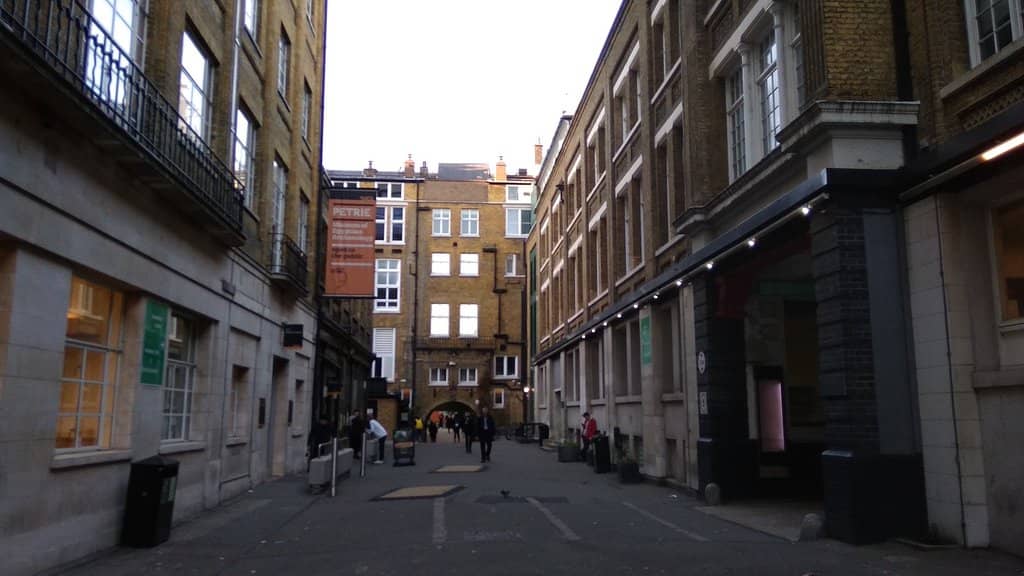
It's within UCL gates, so look carefully for signs to avoid missing this treasure.
Highlights
Discover the most iconic attractions and experiences
The Tarkhan Dress
Ancient Egyptian Clothing Display
Discover the world's oldest woven garment, a 5,000-year-old linen dress. A true marvel of ancient craftsmanship.
Everyday Ancient Life
Various Display Cases
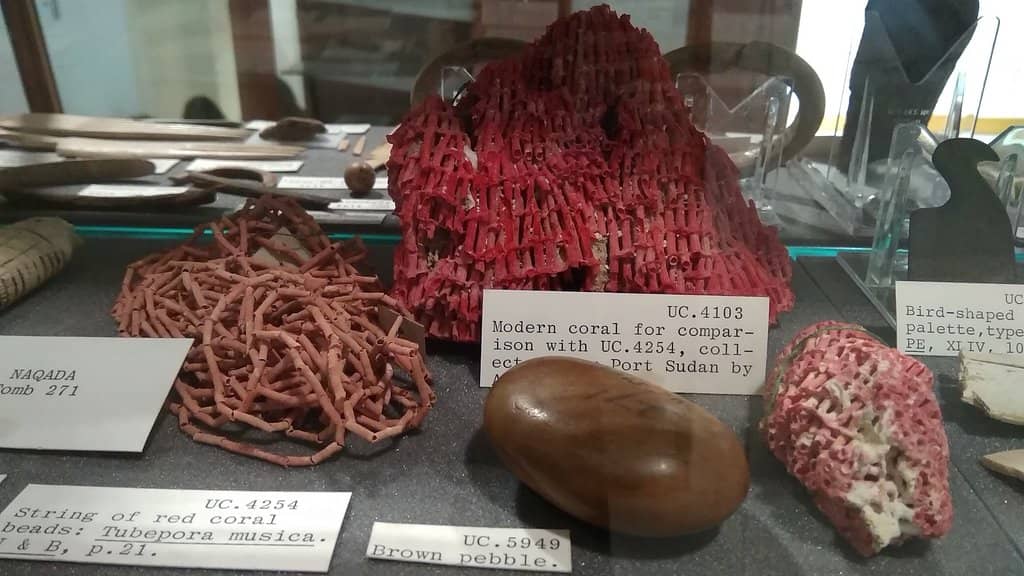
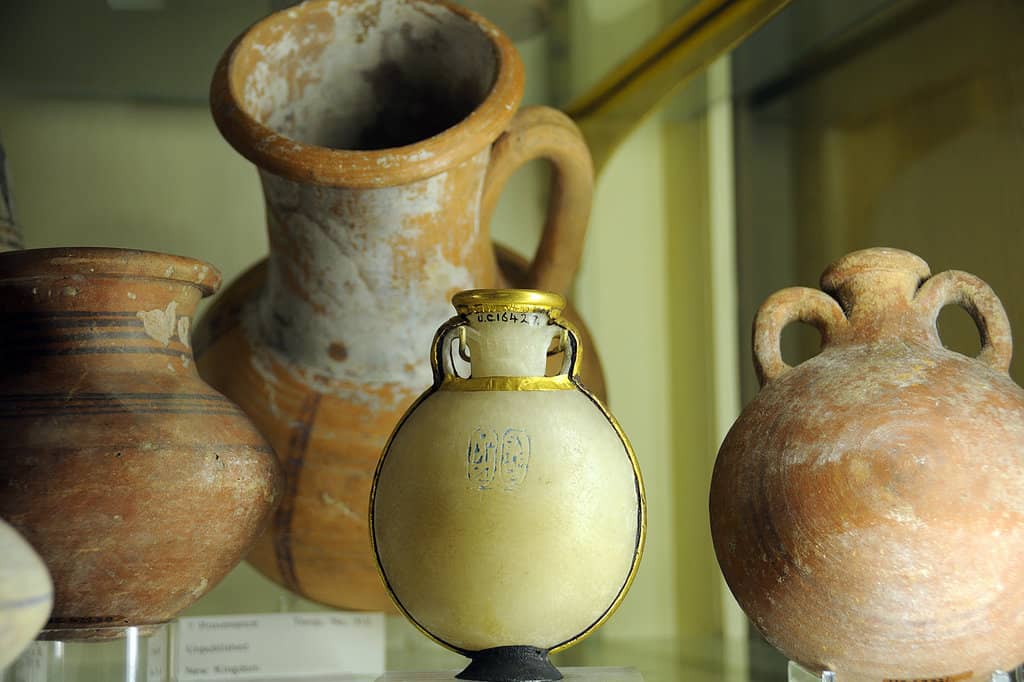
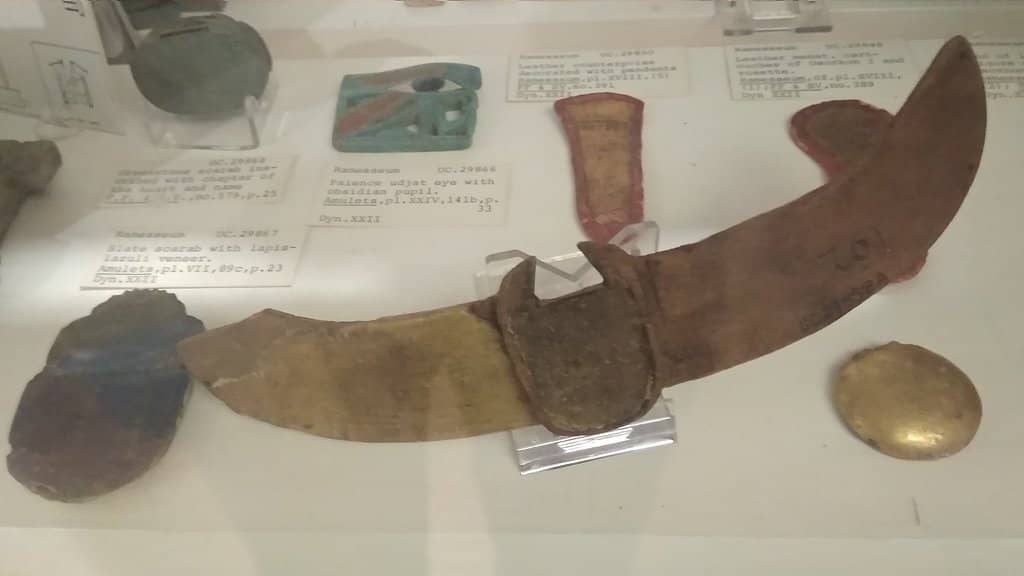
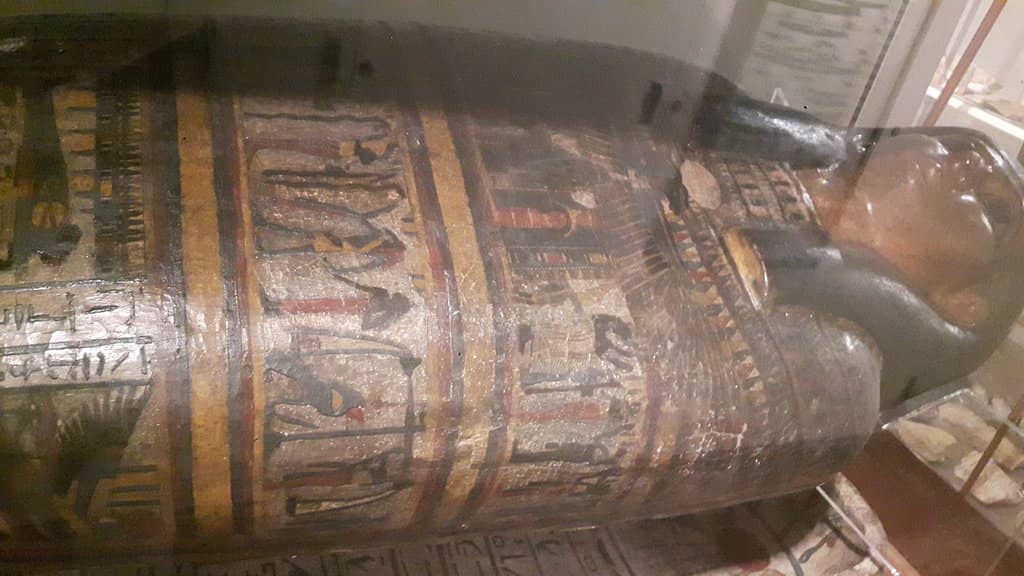
See amulets, jewelry, makeup pots, and children's games that reveal the daily lives of ordinary Egyptians.
Ancient Textiles
Ancient Egyptian Textiles Display
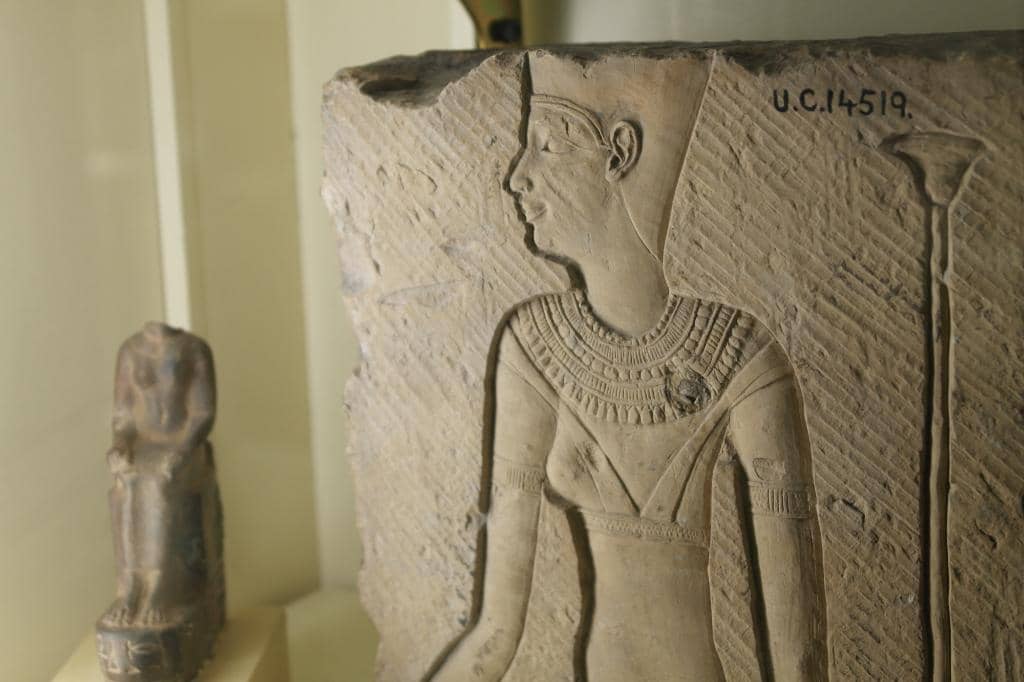
Marvel at the oldest found knitwear and ancient nalbinding techniques, predating modern knitting.
Wooden Combs & Cat Figures
Ancient Egyptian Personal Items
Explore intricate wooden combs, some featuring charming cat motifs from ancient Egypt.
Plans like a pro.
Thinks like you
Planning Your Visit
Free Entry, Big Impact
Plan Your Visit Wisely
Best Times
Insider Tips
from TikTok, Instagram & Reddit
🎯 Free Admission Gem
Enjoy this incredible collection without spending a penny! A true budget-friendly London experience. +1
📍 Hidden Entrance Alert
It's within UCL gates, so look carefully for signs to avoid missing this treasure.
⏳ Allow ample time
With 80,000 objects, you'll want at least 1-2 hours to explore its depth.
📸 Photography Friendly
Capture the ancient wonders! Most areas allow photography, but check for any restrictions.

Tips
from all over the internet
🎯 Free Admission Gem
Enjoy this incredible collection without spending a penny! A true budget-friendly London experience. +1
📍 Hidden Entrance Alert
It's within UCL gates, so look carefully for signs to avoid missing this treasure.
⏳ Allow ample time
With 80,000 objects, you'll want at least 1-2 hours to explore its depth.
📸 Photography Friendly
Capture the ancient wonders! Most areas allow photography, but check for any restrictions.
📚 Educational Insights
Perfect for history buffs and students; the displays offer deep dives into ancient Egyptian life.
What Travellers Say
Reviews Summary
Visitors consistently praise the Petrie Museum as a 'hidden gem' with an 'incredible collection' of Egyptian and Sudanese artifacts, offering a more intimate and less crowded experience than larger museums. The staff are noted as 'lovely, welcoming and helpful.' While some mention the trek to restrooms, this is often attributed to temporary renovations. Overall, it's highly recommended for anyone with an interest in ancient history.
"I liked this small museum, staff are lovely, welcoming and helpful. The collection is interesting and has some fantastic pieces such as the linen clothes and wide range of statues, necklaces and fragments. Only loses one star as toilets were trek but they were being painted due to summer, so this is not normally an issue. It's inside some gates so I missed it and had to go back. Well worth a look."
Evil Edna
"The Petrie Museum has become one of my personal favourites in London. It was so much larger than I imagined, with an incredible collection of all things ancient Egypt. I feel like you could visit a dozen times and still find new things. I will definitely be back and highly recommend visiting!"
Nicole Lalonde
"The Petrie Museum of Egyptian Archaeology truly is a hidden gem. It’s a small intimate space that contains a wealth of fascinating artefacts.
Many of these items paint a picture of the day to day lives of ordinary ancient Egyptians. I found it quite moving to see these items up close in such a quiet setting. These artefacts include amulets, beaded necklaces, clothing, sandals, make up pots and children’s games amongst many more curiosities. I have been to many ancient Egyptian exhibitions but saw items here that I’d never seen before and were truly unique and fascinating!
I’d encourage anyone with even a passing interest in ancient Egypt or archaeology to visit here.
A very belated thanks to Flinders Petrie and Amelia Edwards for making this collection available today!"
Louise Watson
What People Like
What People Dislike
Frequently Asked Questions
🚇 🗺️ Getting There
The Petrie Museum is located within University College London (UCL) in Bloomsbury. The nearest tube stations are Euston Square, Russell Square, and Warren Street. From these stations, it's a short walk to the UCL campus. +1
Yes, it's well-served by London Underground lines. Several bus routes also stop near UCL, making it convenient to reach via public transport.
Driving in central London can be challenging due to traffic and parking restrictions. Public transport is generally recommended for easier access.
Limited on-street parking may be available, but it's often expensive and difficult to find. UCL may have some visitor parking, but it's best to check their official website for details.
The closest tube stations are Euston Square (Circle, Hammersmith & City, Metropolitan lines), Russell Square (Piccadilly line), and Warren Street (Northern, Victoria lines).
🎫 🎫 Tickets & Entry
No, admission to the Petrie Museum of Egyptian Archaeology is completely free! This makes it a fantastic option for a budget-friendly day out in London. +1
The museum is typically open Monday to Friday, from 10 AM to 5 PM. It's always a good idea to check the official UCL Museums website for the most up-to-date opening hours before your visit, as these can sometimes change.
Generally, no booking is required for general admission as it's free. However, for special events or group visits, it's advisable to check the museum's website for any specific booking procedures.
Admission is free for all visitors. You can explore its extensive collection of Egyptian and Sudanese artifacts without any charge. +1
The Petrie Museum is typically open on weekdays only. It is usually closed on Saturdays and Sundays, so plan your visit accordingly.
🎫 🧭 Onsite Experience
The museum houses over 80,000 objects, including the Tarkhan Dress (world's oldest woven garment), ancient Egyptian and Sudanese artifacts, pottery, jewelry, tools, mummies, and everyday items. +3
While free, it's a 'hidden gem' and often less crowded than larger museums like the British Museum, especially on weekdays. Arriving early can help avoid any small queues.
Yes, photography is generally permitted for personal use, allowing you to capture the fascinating artifacts. However, always be mindful of other visitors and any specific signage.
Most visitors spend between 1 to 2 hours exploring the collection. Given the sheer number of artifacts, you could easily spend longer if you're deeply interested in ancient history.
While not always advertised, UCL sometimes offers special events or talks. It's best to check the official UCL Museums website for any scheduled tours or events.
🍽️ 🍽️ Food & Dining
The Petrie Museum itself does not have a cafe or restaurant. However, being part of UCL, there are likely several cafes and eateries within the university campus that you can access.
The Bloomsbury area surrounding UCL has numerous cafes, pubs, and restaurants offering a wide range of cuisines and price points. You'll find plenty of options within a short walking distance.
It's generally advisable to consume food and drinks outside of the exhibition areas to protect the artifacts. There might be designated areas within UCL for eating.
Yes, the Bloomsbury area offers many affordable options, including sandwich shops, bakeries, and casual eateries, catering to students and budget-conscious visitors.
You'll find a diverse culinary scene, from traditional British pubs to international cuisine like Italian, Indian, and Middle Eastern, as well as quick grab-and-go options.
📸 📸 Photography
Yes, photography for personal use is generally allowed inside the Petrie Museum. It's a great way to capture the unique artifacts.
While generally permitted, avoid using flash photography as it can damage delicate artifacts over time. Always be respectful of other visitors and any specific signage indicating restricted areas.
The Tarkhan Dress, ancient jewelry, intricate carvings, the oldest knitwear, and the detailed everyday objects like makeup pots and sandals are all highly photogenic. +2
Absolutely! Most smartphones have excellent cameras that can capture the details of the artifacts. Focus on good lighting and composition.
Check out Instagram and TikTok for inspiration from other visitors. Searching hashtags like #PetrieMuseum or #EgyptianArchaeology can give you great ideas. +1
For Different Travelers
Tailored advice for your travel style
👨👩👧 Families with Kids
While there aren't dedicated children's activities, the museum's intimate setting allows for close-up viewing of fascinating artifacts like the Tarkhan Dress and ancient sandals. Encourage kids to imagine who might have worn these items or played with the ancient toys. It's a great way to make history come alive without overwhelming them.
💰 Budget Travelers
Combine your visit with other free attractions in the Bloomsbury area, like the British Museum (though it can be much more crowded) or the Wellcome Collection. Pack a picnic to enjoy in a nearby park, further saving on costs. The museum's rich collection offers immense value for zero entry fee.
🏛️ History Enthusiasts
Pay special attention to the Predynastic artifacts, the Tarkhan Dress, and the oldest textiles, which are unparalleled in their historical significance. The museum's focus on everyday objects provides a unique perspective on ancient life, complementing the grander narratives often found elsewhere.
Deep Dives
In-depth insights and expert knowledge
The Legacy of Flinders Petrie
Petrie's dedication to preserving and studying these finds laid the groundwork for modern Egyptology. He believed that even seemingly mundane objects could tell a profound story about the people who created and used them. This philosophy is evident throughout the museum, where displays highlight not just grand statues and sarcophagi, but also personal items like jewelry, clothing, and tools, offering a more intimate glimpse into ancient lives.
The museum's collection is a testament to Petrie's vision, housing an unparalleled array of artifacts from Predynastic Egypt through to the Roman period. His contributions are celebrated through the sheer breadth and depth of the objects on display, making the Petrie Museum a crucial site for understanding ancient Egyptian civilization from an archaeological perspective.
Unveiling Ancient Textiles
Beyond the Tarkhan Dress, the museum also features examples of the earliest known nalbinding, a technique that predates both knitting and crochet. The oldest found knitwear, including socks with intricate patterns, demonstrates the advanced skills of ancient artisans. These textiles offer invaluable insights into the materials, craftsmanship, and fashion of ancient Egyptian and Nubian cultures.
These delicate fragments of fabric are not just historical curiosities; they are tangible links to the past, revealing details about daily life, social status, and technological advancements. The preservation of such fragile items is a testament to the museum's careful curation and the importance of textile history in understanding ancient civilizations.
Sudanese Heritage at the Petrie
The Sudanese collection includes a diverse range of objects, from pottery and tools to personal adornments, offering a comprehensive view of Nubian civilization. These items provide crucial context for understanding the broader Nile Valley's history, revealing distinct cultural practices and influences. The museum's commitment to displaying Sudanese heritage alongside Egyptian artifacts fosters a more complete and nuanced understanding of the region's past.
Recent exhibitions and events, such as 'The Land Carries: Explorations of Sudanese History, Culture, and Nationhood,' further underscore the museum's dedication to promoting Sudanese culture and history. These initiatives bring contemporary artistic and scholarly perspectives to the ancient artifacts, creating a dynamic dialogue between past and present.
Social
from TikTok, Instagram & Reddit