Hunterian Museum Glasgow
Scotland's oldest museum, housing vast collections of anatomy, medicine, Roman artifacts, and art within Glasgow University's Gothic charm.

Highlights
Must-see attractions

Social
From TikTok & Reddit
Best Time
Fewer crowds, more space to explore.
Hunterian Museum Glasgow
Best Time
Fewer crowds, more space to explore.
Highlights
Must-see attractions
Scotland's oldest museum, housing vast collections of anatomy, medicine, Roman artifacts, and art within Glasgow University's Gothic charm.
"A truly unique experience from a well-planned place; the galleries were both haunting and charming."

🎯 Free Entry, Book Slot!
Admission is free, but booking a timed entry is recommended to guarantee your visit.
👟 Comfortable Shoes Needed
You'll be doing a lot of walking around the university campus and museum.

Highlights
Discover the most iconic attractions and experiences
Anatomical Collections
Main Hunterian Museum
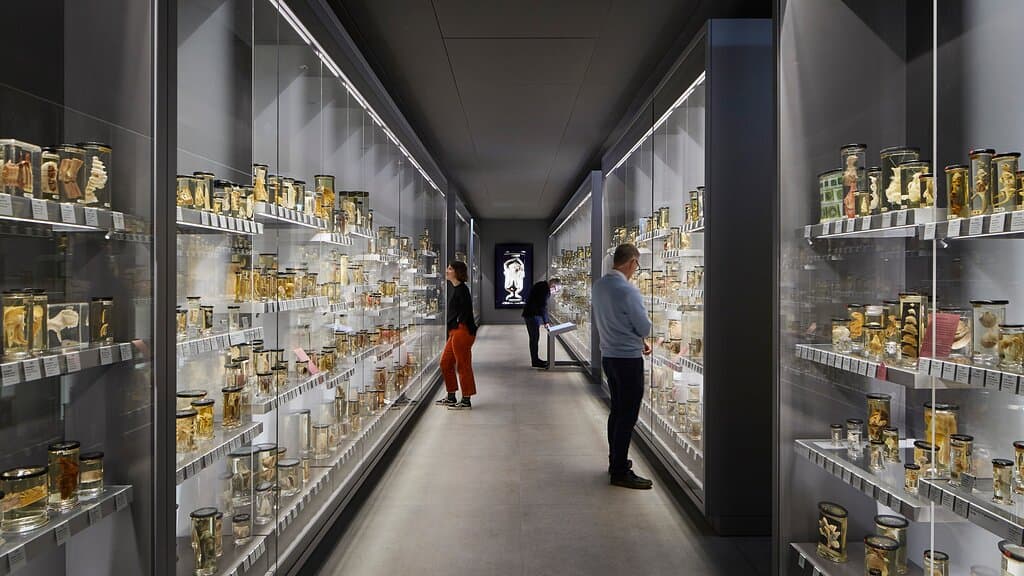
Explore centuries of medical history with detailed anatomical models and preserved specimens. A true glimpse into scientific discovery.
Roman Scotland Exhibits
Hunterian Museum
Discover artifacts from Roman Britain, offering a fascinating look at ancient life and history in Scotland.

Comparative Anatomy
Hunterian Museum
See an impressive collection showcasing the diversity of the animal kingdom and John Hunter's groundbreaking work.

Mackintosh Architecture
University of Glasgow Campus
While not strictly part of the museum, the surrounding University of Glasgow boasts stunning Gothic architecture with a 'Harry Potter' vibe.
Plans like a pro.
Thinks like you
Planning Your Visit
Free Entry, But Book Ahead!
Prepare for the Macabre & Marvelous
Best Times
Insider Tips
from TikTok, Instagram & Reddit
🎯 Free Entry, Book Slot!
Admission is free, but booking a timed entry is recommended to guarantee your visit. +1
👟 Comfortable Shoes Needed
You'll be doing a lot of walking around the university campus and museum.
📸 Photo Etiquette
Be mindful of signage regarding photography, especially with human remains.
⏳ Allow Ample Time
Give yourself at least 2-3 hours to fully appreciate the collections.
Tips
from all over the internet
🎯 Free Entry, Book Slot!
Admission is free, but booking a timed entry is recommended to guarantee your visit. +1
👟 Comfortable Shoes Needed
You'll be doing a lot of walking around the university campus and museum.
📸 Photo Etiquette
Be mindful of signage regarding photography, especially with human remains.
⏳ Allow Ample Time
Give yourself at least 2-3 hours to fully appreciate the collections.
🗺️ Explore the Campus
Don't miss the stunning architecture of the University of Glasgow itself. +1
What Travellers Say
Reviews Summary
Visitors consistently praise The Hunterian Museum for its fascinating and extensive collections, particularly in medical history and anatomy. The free entry and the stunning 'Harry Potter-esque' architecture of the University of Glasgow are significant draws. While some exhibits are graphic, most reviewers find the displays well-presented, informative, and thought-provoking, highlighting the staff's knowledge and welcoming nature.
"An absolutely fascinating museum and a must-visit for anyone interested in medical history or curious about the human body. The exhibits are incredibly detailed, well-presented, and thought-provoking, offering a rare glimpse into centuries of scientific discovery. The space is beautifully arranged, easy to navigate, and the staff are knowledgeable and welcoming. I left feeling both inspired and amazed. A brilliant experience from start to finish — highly recommended!"
Hari
"A huge thank you for this wonderful discovery! This museum, offered free to the public, is truly exceptional. The place is beautiful, the exhibits are fascinating, and the perspective it gives on the human body as well as different species is truly impressive.
I highly recommend visiting. Thank you also for the warm welcome and the kindness of the staff from the very beginning. It was a great experience!"
Léa M
"a truly unique experience from a well-planned place; the galleries were both haunting and charming, as the initial unfamiliarity with looking at dissections becomes a fascination with the natural world around us. many informative displays along with clear descriptions - and also a quaint little gift shop! staff were helpful and sweet, and there was no wait time to my visit.
additionally - there are clear notices for guests to be sensitive of the content they photograph and post online out of respect for those who might be affected by the human remains on display, and also information about how many of these items were procured predating modern laws of consent - something i find allows the viewer to fully understand the complexities of medical science while expressing respect and compassion to the losses who have led us to learn more about the world around us"
amanda l
What People Like
What People Dislike
Frequently Asked Questions
🚇 🗺️ Getting There
The Hunterian Museum is located within the University of Glasgow. You can reach it via public transport, with numerous bus routes stopping nearby. It's also a pleasant walk from Glasgow city center.
Limited parking is available on the University of Glasgow campus, but it can be expensive and fill up quickly. Public transport is generally the most convenient option.
Yes, it's a walkable distance from Glasgow city center, taking approximately 20-30 minutes. The walk itself is quite scenic, passing through the West End.
The museum is well-signposted within the University of Glasgow campus. Look for signs directing you to 'The Hunterian' or 'University Museums'.
The closest train station is Partick, which is a short bus ride or a longer walk from the University. Queen Street and Central stations are further away but accessible by bus or subway.
🎫 🎫 Tickets & Entry
The Hunterian Museum offers free admission to all its collections. However, booking a free timed entry slot online is highly recommended to secure your visit. +1
While entry is free, booking a timed ticket online in advance is strongly advised to guarantee entry, especially during busy periods. +1
The Hunterian Museum is typically open Tuesday to Sunday from 10 am to 5 pm. It's always best to check their official website for the most up-to-date opening hours.
Yes, The Hunterian comprises multiple sites including the Museum, Art Gallery, Zoology Museum, and Mackintosh House. Your booking or visit generally covers access to these, though specific exhibitions might have separate requirements. +1
Last entry is usually around 30-45 minutes before closing time. It's advisable to arrive with enough time to explore before the museum closes.
🎫 🧭 Onsite Experience
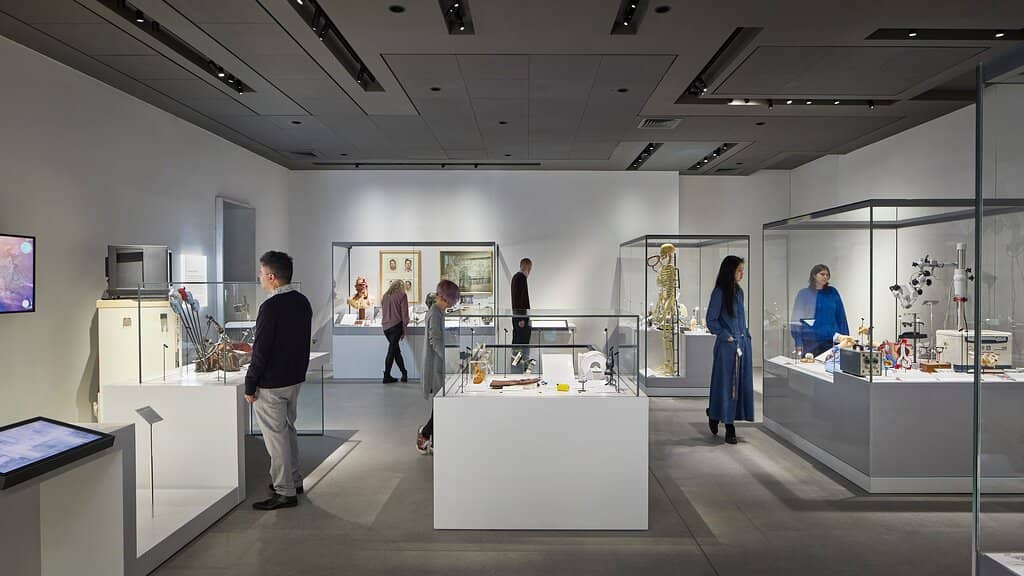
Expect a diverse range of exhibits including anatomical specimens, medical instruments, Roman artifacts, ethnographic items, and scientific instruments. It's a deep dive into science, medicine, and history. +1
The museum has fascinating exhibits for all ages, but some anatomical displays can be graphic. Parents should use their discretion. The University campus itself offers a 'Harry Potter' feel that children often enjoy. +1
Guided tours are sometimes offered and can provide deeper insights into the collections. Check the museum's schedule or inquire upon arrival.
Photography is generally allowed for personal use, but there are specific restrictions on certain exhibits, particularly human remains. Always check signage.
This refers to a historical exhibit of anatomical specimens. While some visitors inquire about it, its current display status can vary, and the museum focuses on broader historical and scientific context.
📸 📸 Photography
Photography for personal use is generally permitted, but flash photography is usually prohibited. Be particularly mindful of displays involving human remains and check for specific signage.
Yes, areas with sensitive exhibits, such as human remains, may have restrictions on photography to ensure respect and privacy. Always adhere to posted signs.
Tripods and selfie sticks are typically not allowed inside the museum to avoid obstructing other visitors and damaging exhibits. It's best to confirm with staff if unsure.
The museum's architecture, Roman artifacts, and well-preserved specimens offer many photographic opportunities. The surrounding University of Glasgow campus, with its Gothic style, is also very photogenic. +1
While not explicitly stated, the museum encourages respectful photography. Be mindful of the sensitive nature of some exhibits when sharing online, as noted by visitors.
For Different Travelers
Tailored advice for your travel style
👨👩👧 Families with Kids
Consider focusing on the broader historical and scientific aspects. The museum's free entry is a major plus for family outings. Remember to check for any specific family-friendly events or tours that might be running during your visit. The interactive elements mentioned by visitors can also engage younger minds.
📚 Students & Academics
Take advantage of the free entry and the wealth of information presented. The museum's historical context, particularly regarding Dr. William Hunter's contributions, offers a fascinating perspective on the development of scientific thought. Don't hesitate to engage with the knowledgeable staff for deeper insights.
🏛️ History Buffs
The museum's establishment as Scotland's oldest public museum adds another layer of historical significance. Exploring the collections provides a comprehensive overview of scientific discovery and societal evolution through the ages.
Deep Dives
In-depth insights and expert knowledge
The Legacy of Dr. William Hunter
Hunter's vision was to create a space for learning and public benefit, a testament to his dedication to science and education. The museum, established in 1807, continues to uphold this legacy, offering a unique window into the scientific and medical understanding of the 18th century and beyond. The breadth of his collection is astounding, covering everything from human anatomy to ancient history.
Visitors can explore the fruits of Hunter's lifelong passion, from intricate anatomical models to rare archaeological finds. The museum's commitment to preserving and displaying these items ensures that Dr. Hunter's contribution to medicine and natural history remains accessible to generations of visitors.
Navigating Sensitive Exhibits
It's important for visitors to be aware that some displays may be graphic. The museum is considerate of this, often providing clear signage and information about the historical context and ethical considerations surrounding these items. As noted by visitors, there are notices encouraging sensitivity when photographing or sharing content online, acknowledging the complex history of how some items were acquired.
This approach allows for an educational experience that is both informative and respectful. By providing context about consent and the historical period, the museum encourages a nuanced understanding of medical advancements and the ethical considerations that have evolved alongside them.
The 'Harry Potter' Vibe of Glasgow University
This atmospheric setting enhances the overall visit, adding a layer of wonder and discovery. Exploring the university grounds before or after your museum visit can feel like stepping into a magical world. The iconic cloisters, in particular, are a popular spot for photos and soaking in the ambiance.
Beyond the visual appeal, the university's historic campus provides a fitting backdrop for a museum dedicated to history and science. It’s a reminder of the enduring legacy of academic institutions and the treasures they hold within their walls.
Social
from TikTok, Instagram & Reddit