Fosse Way
A historic Roman road stretching across England, offering a journey through ancient engineering and scenic landscapes.
Highlights
Must-see attractions

Social
From TikTok & Reddit
Best Time
Pleasant temperatures for walking
Fosse Way
Best Time
Pleasant temperatures for walking
Highlights
Must-see attractions
A historic Roman road stretching across England, offering a journey through ancient engineering and scenic landscapes.

🚶♀️ Wear Comfortable Shoes
Essential for walking the Fosse Way. Uneven terrain is common, so sturdy footwear is a must!
🗺️ Download Offline Maps
Signal can be spotty. Ensure you have your route planned and downloaded for navigation.

Quick Facts
Type
Intersection
Highlights
Discover the most iconic attractions and experiences
Ancient Roman Engineering
Various sections across England
Marvel at the enduring legacy of Roman road construction, a testament to their engineering prowess.
Scenic Countryside Walks
Rural stretches of the Fosse Way
Enjoy picturesque landscapes and tranquil villages as you traverse this historic route on foot.
Historical Markers and Sites
Along the Fosse Way
Discover remnants of Roman settlements and historical markers that tell the story of this ancient thoroughfare.
Plans like a pro.
Thinks like you
Planning Your Visit
Embrace the Ancient Path
Respect the Heritage
 Be mindful of private property and local communities as you explore this ancient route.
Best Times
Insider Tips
from TikTok, Instagram & Reddit
🚶♀️ Wear Comfortable Shoes
Essential for walking the Fosse Way. Uneven terrain is common, so sturdy footwear is a must!
🗺️ Download Offline Maps
Signal can be spotty. Ensure you have your route planned and downloaded for navigation.
💧 Carry Plenty of Water
Especially for longer walks. Hydration is key when exploring the Fosse Way.
☀️ Check the Weather
Conditions can change quickly. Be prepared for sun, rain, or wind.
Tips
from all over the internet
🚶♀️ Wear Comfortable Shoes
Essential for walking the Fosse Way. Uneven terrain is common, so sturdy footwear is a must!
🗺️ Download Offline Maps
Signal can be spotty. Ensure you have your route planned and downloaded for navigation.
💧 Carry Plenty of Water
Especially for longer walks. Hydration is key when exploring the Fosse Way.
☀️ Check the Weather
Conditions can change quickly. Be prepared for sun, rain, or wind.
🚗 Plan Driving Sections
If driving the Fosse Way, research which sections are accessible and suitable for vehicles.
What Travellers Say
Reviews Summary
Visitors praise the Fosse Way for its historical significance and the opportunity to connect with ancient Roman engineering. The scenic countryside and the immersive experience of walking the ancient path are frequently highlighted. However, some find certain sections challenging due to terrain or lack of facilities, and the fragmented nature of the road can be a minor drawback for those expecting a continuous route.
What People Like
What People Dislike
Frequently Asked Questions
🚇 🗺️ Getting There
The Fosse Way is accessible from numerous points across its length. Popular starting points for walking the Fosse Way include areas near Bath, Cirencester, and Leicester. Research specific trailheads or villages along the route for convenient access.
Yes, parts of the Fosse Way are still public roads and can be driven. However, it's not a continuous driving route, and some sections are unpaved or have been built over. A 'driving the Fosse Way' route often involves navigating modern roads that parallel the ancient path.
Many walkers choose to start from towns like Bath, which has Roman heritage, or villages like High Cross, which is near a significant junction of the ancient road. Consider your desired walking distance and accessibility when choosing a starting point.
Public transport can be used to reach certain points along the Fosse Way, particularly larger towns and cities. However, for more remote sections, a car or pre-arranged transport might be necessary. Check local bus and train schedules for towns near your intended walking route.
Parking availability varies greatly. Larger towns and villages will have more options, while rural sections may have limited or no designated parking. It's advisable to research parking in advance for your chosen access point.
🎫 🎫 Tickets & Entry
No, the Fosse Way is a public right of way, and there are no tickets or entry fees required to walk or explore its accessible sections.
While the road itself is free to access, there may be Roman ruins or museums located near the Fosse Way that have their own admission fees. Research specific points of interest along your route.
As a public road and footpath, the Fosse Way is generally accessible at all times. However, it's always best to be mindful of daylight hours for safety, especially when walking.
While general OS maps will show the route, specialized 'Fosse Way Roman road map' resources or walking guides can provide more detail on historical significance and accessibility.
Most sections are open, but be aware of private land and any temporary closures for maintenance or events. There are also ongoing discussions about protecting heritage sites from development along the route.
🎫 🚶♀️ Onsite Experience
Many people enjoy 'walking the Fosse Way' for its historical immersion and scenic beauty. Others opt for 'driving the Fosse Way' to cover more ground, though this requires careful route planning.
Walking the entire Fosse Way (around 200 miles) can take 10-14 days, depending on your pace and daily mileage. Many people walk shorter, more manageable sections.
The terrain varies. Some sections are paved or well-maintained paths, while others can be rough, uneven, or even muddy, especially after rain.
Facilities are scarce in rural sections. It's best to stock up in towns and villages before heading out. Public restrooms are more common in larger settlements.
Certain sections are suitable for cycling, particularly those that are paved or well-maintained. However, the uneven and sometimes rough terrain on other parts may make it challenging for road bikes.
📸 📸 Photography
Look for well-preserved Roman road sections, scenic countryside views, charming villages, and historical markers. Sunrise and sunset can offer beautiful light.
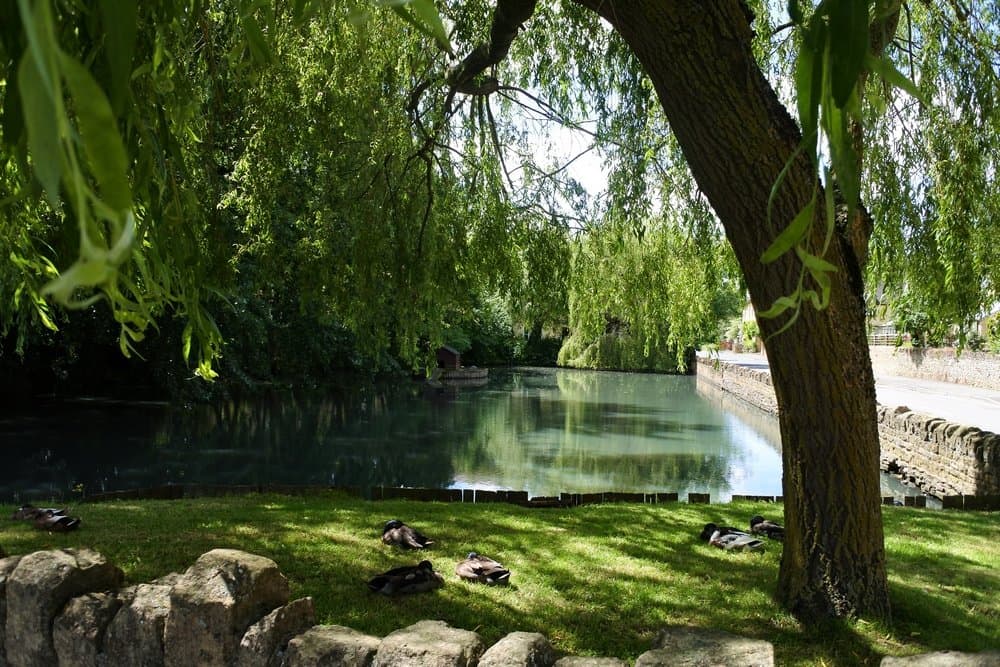
While the road itself is the main attraction, keep an eye out for ancient milestones, remnants of Roman settlements, and picturesque rural landscapes. Villages like Hampnett offer tranquil scenes.
Early mornings and late afternoons (golden hours) provide the best light for landscape photography, minimizing harsh shadows and creating a warm glow.
Drone usage is subject to local regulations and privacy considerations. Always check and adhere to aviation authority rules and respect private property.
A versatile camera with a good zoom lens is useful for capturing both landscapes and details. A wide-angle lens can be great for expansive countryside shots.



Social
from TikTok, Instagram & Reddit