
Centre for Computing History Cambridge
Step back in time at Cambridge's interactive museum, where you can play with vintage computers and retro arcade games!
Highlights
Must-see attractions

Social
From TikTok & Reddit
Best Time
Quieter, more personal experience
Centre for Computing History Cambridge
Best Time
Quieter, more personal experience
Highlights
Must-see attractions
Step back in time at Cambridge's interactive museum, where you can play with vintage computers and retro arcade games!
"A Mecca for enthusiasts, offering a wonderful and balanced history with fantastic interactive elements."
🎯 Get Hands-On!
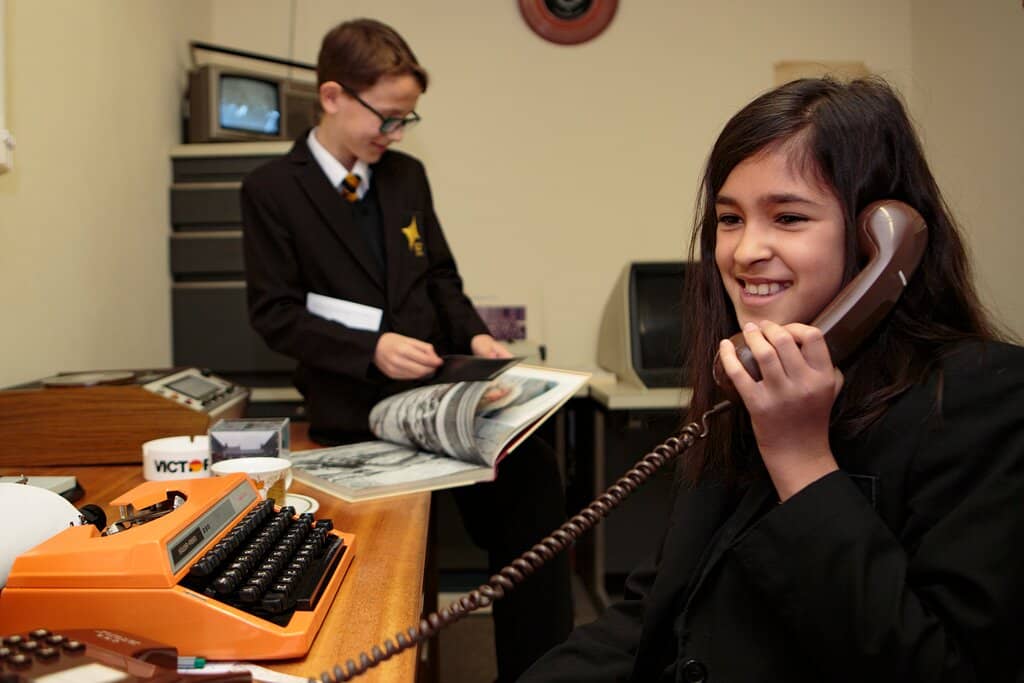
Don't be shy! Most exhibits are interactive. Play games, boot up old systems, and explore computing history firsthand.
🕰️ Time Travel Back
Born in the 70s, 80s, or 90s? Prepare for a wave of nostalgia as you encounter familiar machines.
Highlights
Discover the most iconic attractions and experiences

Playable Retro Consoles & Arcades
Gaming Zone
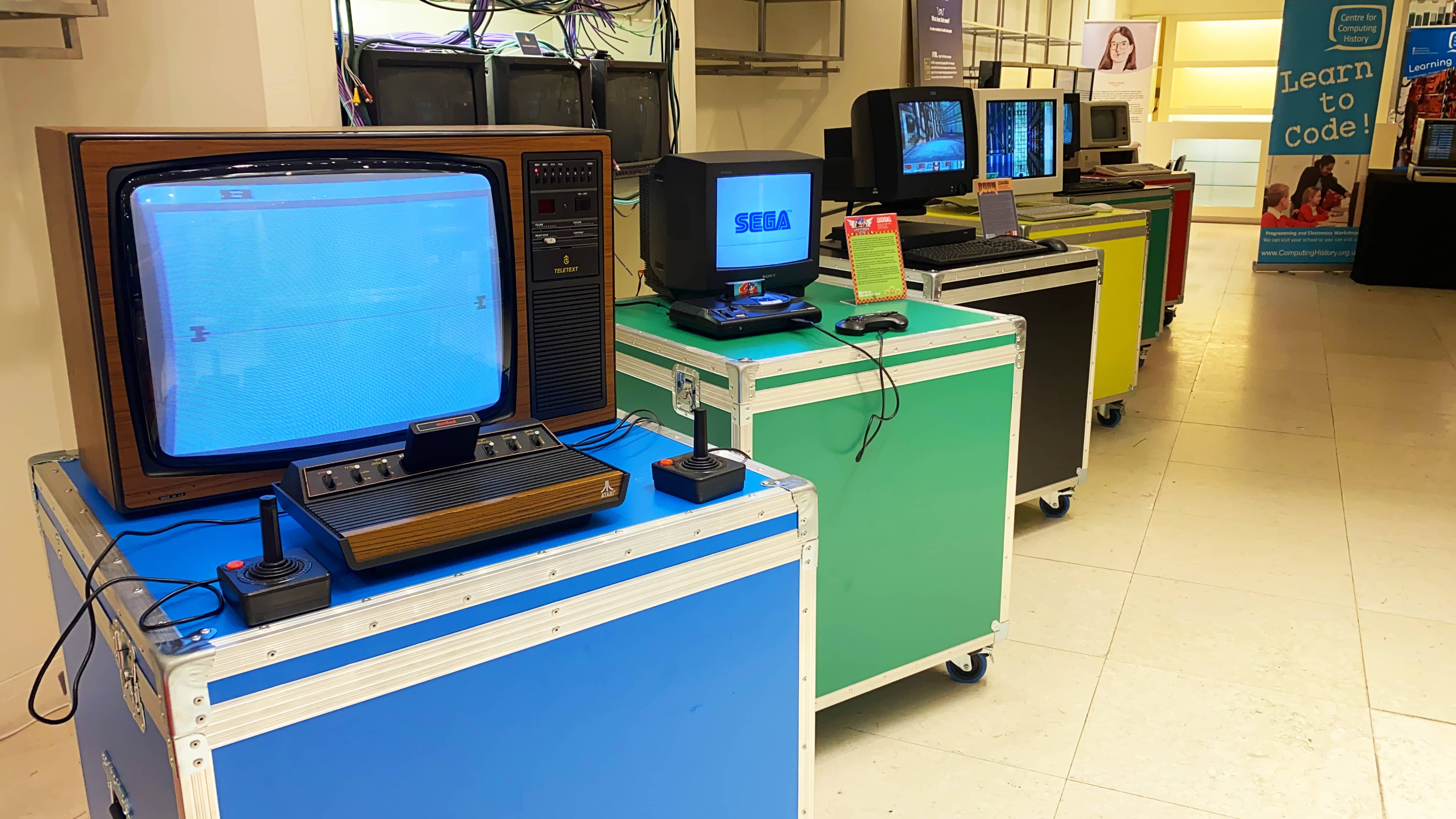
Relive your youth with fully working vintage game consoles and arcade cabinets. Button bash your way through gaming history!
Iconic Vintage Computers
Main Exhibition Hall
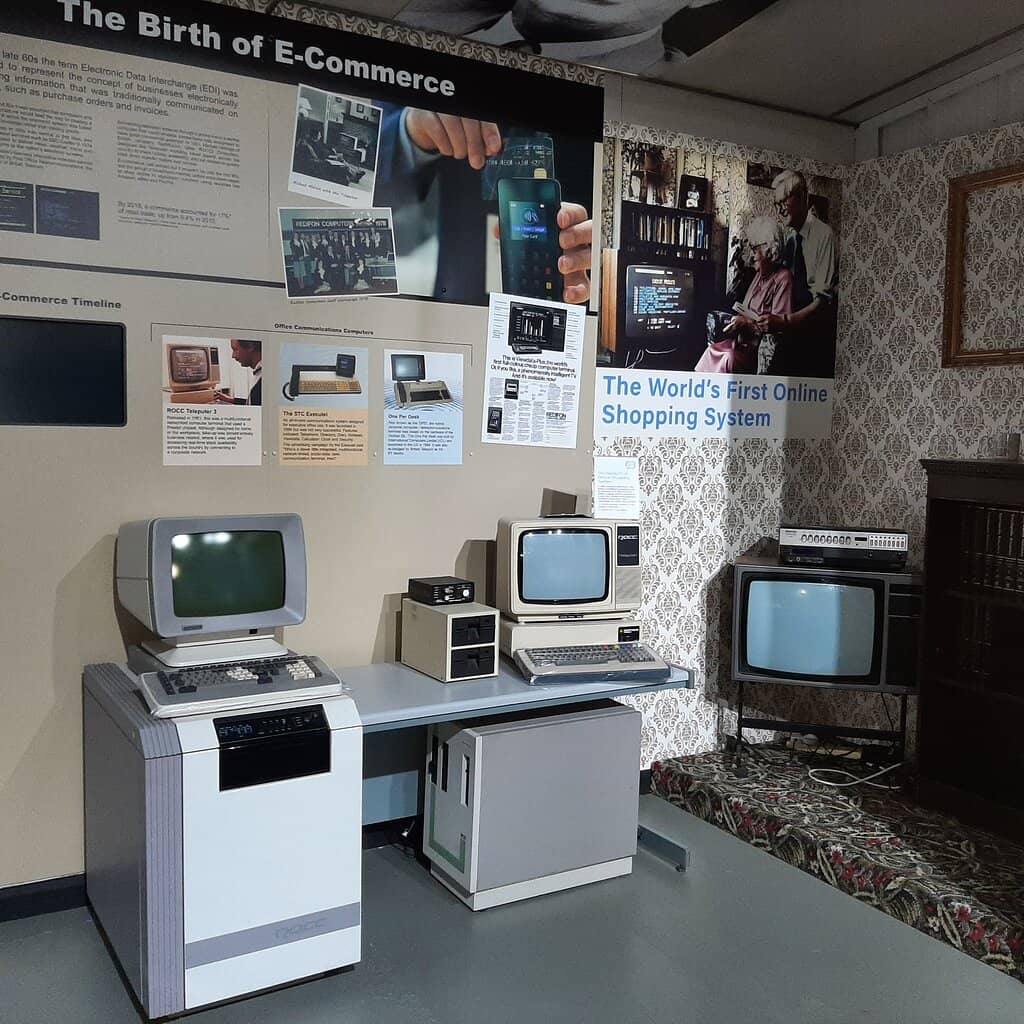
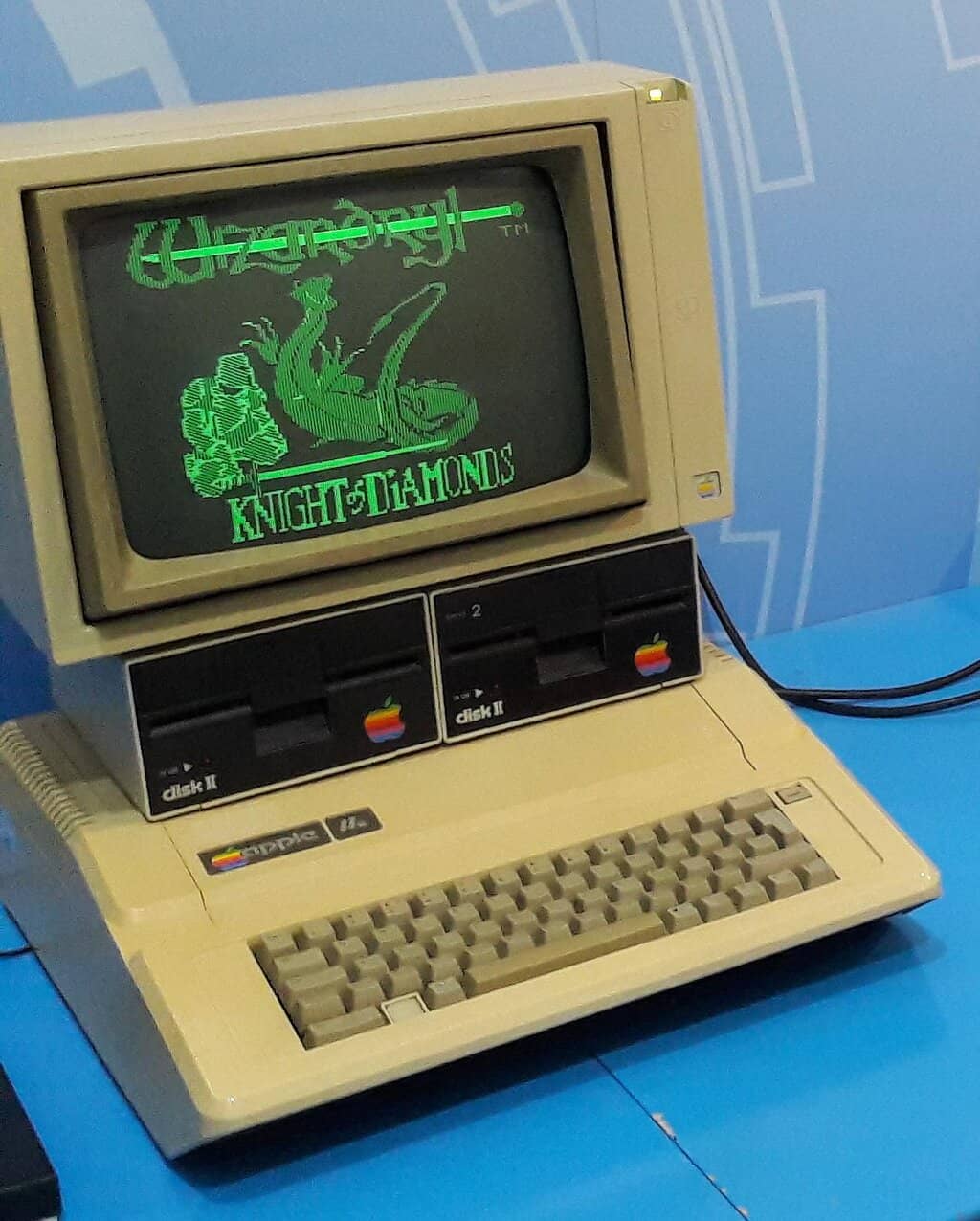
See and interact with computers that shaped the digital age, from early pioneers to 80s and 90s classics.
The Dawn of the Internet
Internet History Section
Explore the fascinating evolution of the internet and early web technologies. Learn about the webcam's humble beginnings!
Plans like a pro.
Thinks like you
Planning Your Visit
Embrace the Interactive Exhibits
Timing is Key for a Quieter Visit
Best Times
Insider Tips
from TikTok, Instagram & Reddit
🎯 Get Hands-On!
Don't be shy! Most exhibits are interactive. Play games, boot up old systems, and explore computing history firsthand.
🕰️ Time Travel Back
Born in the 70s, 80s, or 90s? Prepare for a wave of nostalgia as you encounter familiar machines.
♿ Wheelchair Accessible
The museum is fully wheelchair accessible, ensuring everyone can enjoy the exhibits.
💡 Educational for All
It's not just for IT pros! Discover how computers evolved and changed the world.
Tips
from all over the internet
🎯 Get Hands-On!
Don't be shy! Most exhibits are interactive. Play games, boot up old systems, and explore computing history firsthand.
🕰️ Time Travel Back
Born in the 70s, 80s, or 90s? Prepare for a wave of nostalgia as you encounter familiar machines.
♿ Wheelchair Accessible
The museum is fully wheelchair accessible, ensuring everyone can enjoy the exhibits.
💡 Educational for All
It's not just for IT pros! Discover how computers evolved and changed the world.
📸 Capture the Memories
Bring your phone or camera to document your journey through tech history.
What Travellers Say
Reviews Summary
Visitors overwhelmingly praise the Centre for Computing History for its extensive, interactive collection of vintage computers and playable retro games. It's lauded as a nostalgic trip for those who grew up with these machines and an educational experience for all ages, highlighting the evolution of technology. The friendly staff and accessibility are also frequently mentioned positives.
"There is absolutely nothing here that is not to like, on so many levels. Not only did it provide a wonderful and balanced history on the development of the computer over the centuries, they've preserved some wonderful artefacts as well as some fantastic interactive elements. All of the hands-on PCs and consoles were fully working and loaded up with excellent representative milestone games.
This is a wonderfully curated collection and truly a Mecca for any enthusiast."
Simon Knight
"Fantastic museum/centre, very educational for those wanting to know more about technology/computers not just for us IT nerds. A real insight into the history of computers and how they evolved to change our world. Even an IT professional such as myself would recommend it to others in the field. Very hands on exhibits, pretty cool to sample the gaming consoles of old.. brings back memories as a kid. Definitely worth a visit."
Dave Martin
"Friendly staff. Fully Wheelchair Accessible. 👍
Born early 70's, I grew up with a lot of those computers and games, so it was really going back in time for me, and I felt like a kid again!
I would have loved to see more C64/C128, and maybe a Vic 20, and to have more playable games on Amiga 500 (or just showing something like the Settlers Intro on the A500).
I didn't see any mention of the Thomson series of computers like the TO7 and TO70 (with its Optic Pen), around the same time as the C64, I think, or the MO5 and MO9 in the early/mid 80's, IIRC.
Nevertheless, it was great, with a fair amount of people there on an early sunny Sunday Afternoon, from young children to some elderly people, and everyone appears to have a great time!"
Jerry Goulet
What People Like
What People Dislike
Frequently Asked Questions
🚇 🗺️ Getting There
The Centre for Computing History is located in Cambridge. Visitors can reach it by car, with parking available nearby. Public transport options include local bus routes. It's also a popular destination for day trips from London, often combined with other Cambridge attractions.
While specific on-site parking details can vary, there are typically parking facilities available in the vicinity of the museum in Cambridge. It's advisable to check their official website or local parking apps for the most up-to-date information.
Absolutely! Many visitors make the Centre for Computing History a day trip from London. The journey is manageable, and the interactive exhibits make for a rewarding experience.
The museum is accessible via local bus services within Cambridge. For those arriving from further afield, the main Cambridge train station provides connections to London and other major cities.
The Centre for Computing History is well-signposted within Cambridge. Using a GPS or navigation app on your phone will also help guide you directly to its location.
🎫 🎫 Tickets & Entry
Admission prices can vary, but the Centre for Computing History generally offers affordable entry fees. It's recommended to check their official website for the most current ticket prices and any potential discounts.
While advance booking might not always be mandatory, it's often a good idea, especially for weekend visits or during peak seasons, to guarantee your entry and potentially save time. Check their website for booking options.
Opening hours can differ, so it's best to consult the Centre for Computing History's official website for the most accurate and up-to-date information on their operating times.
The Centre for Computing History occasionally hosts special events, workshops, or themed evenings. Following their social media or website will keep you informed about any upcoming events. 
Information on memberships or annual passes is usually available on the museum's official website. These can be a great option for frequent visitors or enthusiasts.
🎫 🧭 Onsite Experience
You can explore a vast collection of vintage computers and consoles, many of which are interactive and playable. It's a hands-on journey through computing and gaming history. +1
Yes, a key feature is the interactivity! Most computers and game consoles are fully functional and available for visitors to use, offering a truly immersive experience. +1
Absolutely! Children often love the hands-on retro gaming and the chance to see and play with older technology. It's a fun and educational outing for families. +1
Most visitors spend around 1-2 hours exploring the exhibits. However, if you're a dedicated enthusiast, you could easily spend longer getting hands-on with the machines.
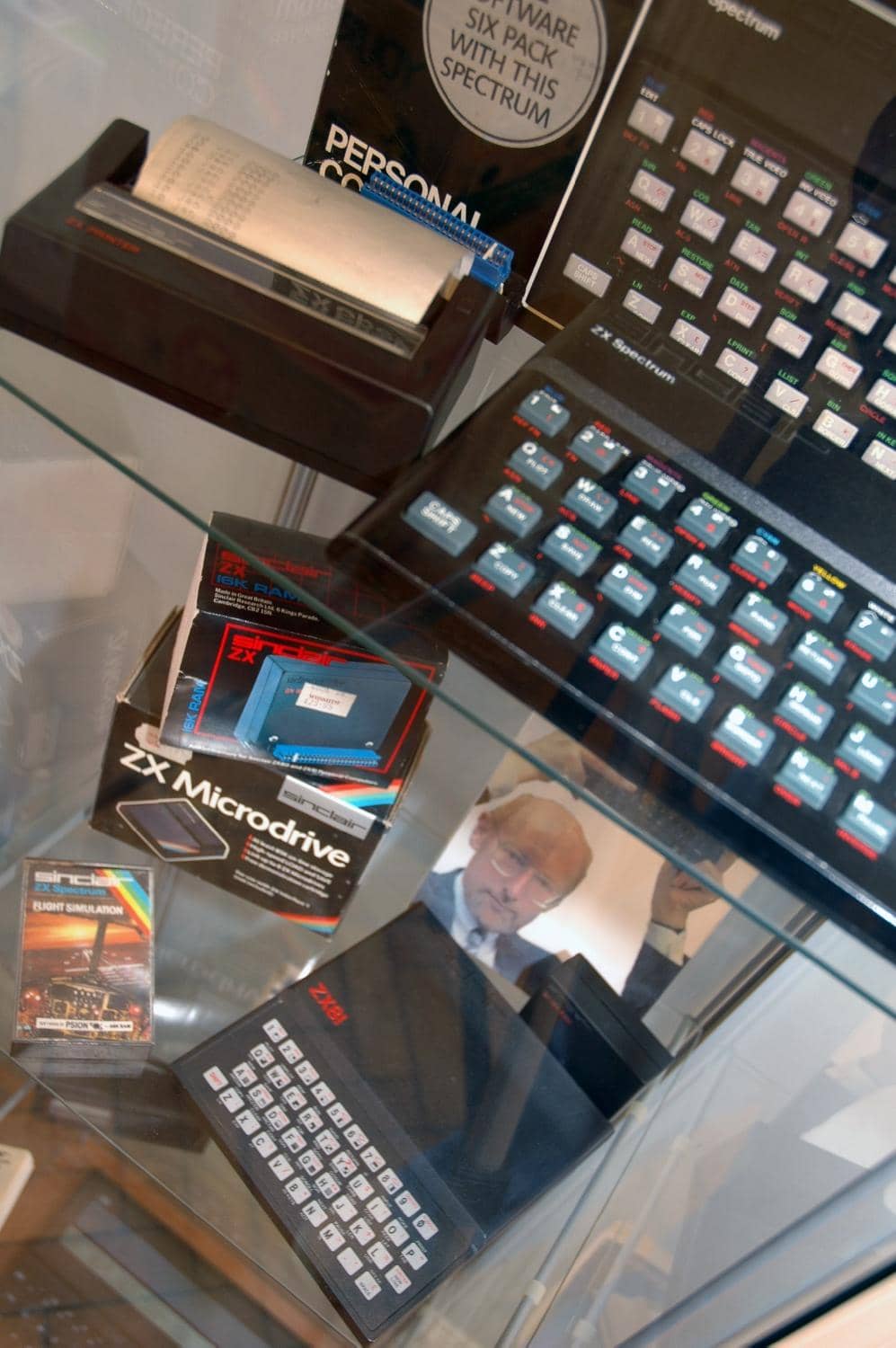
The collection spans decades, featuring iconic machines like the BBC Micro, Acorn Archimedes, Apple II, Sinclair ZX Spectrum, and many more from the 80s and 90s.
🍽️ 🍽️ Food & Dining
The Centre for Computing History typically does not have an on-site cafe or extensive food facilities. Visitors are usually advised to bring their own snacks or plan to eat at nearby cafes and restaurants in Cambridge.
While it's always best to check the museum's specific policy, generally, consuming outside food and drinks is discouraged inside exhibition areas to protect the artifacts. There might be designated areas for picnics.
Yes, Cambridge city centre offers a wide array of dining options, from casual cafes to more formal restaurants, located a short distance from the museum.
Cambridge boasts diverse culinary choices, including traditional British pubs, international cuisine, and modern eateries, catering to various tastes and budgets.
Definitely. Many visitors choose to have lunch or dinner in Cambridge before or after their visit to the Centre for Computing History, making it part of a full day out.
📸 📸 Photography
Generally, photography for personal use is allowed inside the Centre for Computing History, but it's always wise to check for any specific restrictions, especially regarding flash photography or filming.
While personal photos are usually fine, professional photography or filming for commercial purposes typically requires prior permission. Always look for signage or ask staff if unsure.
The vibrant displays of retro consoles, iconic vintage computers, and the interactive gaming areas offer fantastic photo opportunities. Capture the nostalgia!
Similar to photography, personal video recording is usually permitted. However, avoid disruptive filming and be mindful of other visitors.
Selfies are generally welcome, especially with the interactive displays. Just ensure you're not obstructing other visitors or damaging any exhibits.
For Different Travelers
Tailored advice for your travel style
👨👩👧 Families with Kids
+1Tips for families: Plan for at least an hour or two to let kids fully engage with the playable consoles. While there's no on-site cafe, bringing snacks is a good idea. The interactive nature means kids can easily spend time here without getting bored, making it a great outing for a rainy day or a family day trip.
+1🤓 Tech Enthusiasts & Nostalgia Seekers
Expect to see a wide array of iconic vintage computers and playable retro consoles. The ability to actually boot up and use these machines is a major draw, offering a tangible connection to the past. It's a place to reminisce, discover new historical tidbits, and appreciate the evolution of technology firsthand.
🧑🏫 Educators & Students
It's an excellent place for school trips or educational visits, allowing students to learn by doing. Understanding the history of computing can provide valuable context for modern technological advancements and inspire future innovators.
Deep Dives
In-depth insights and expert knowledge
A Journey Through Computing Eras
Visitors often express delight at seeing machines they grew up with, like the BBC Micro or Sinclair ZX Spectrum, brought back to life. The museum doesn't just display these artifacts; it allows you to experience them. This hands-on approach is crucial for understanding the user experience of different eras and appreciating the leaps in design and functionality.
Beyond the familiar, the centre also highlights lesser-known but significant machines, providing a more comprehensive picture of computing history. The evolution of storage, input devices, and graphical interfaces are all explored, offering a rich educational experience for enthusiasts and newcomers alike.
The Golden Age of Gaming
The interactive nature of these exhibits is a major draw. You can sit down and play on a Sega Master System, an Atari, or even early home computers that hosted groundbreaking games. This direct interaction allows visitors to appreciate the gameplay mechanics and graphical limitations of the past, offering a stark contrast to modern gaming.
While the collection is extensive, some visitors have noted specific consoles or games they'd love to see more of, such as the Commodore 64 or Amiga 500. However, the existing selection provides a robust and nostalgic experience, making it a highlight for anyone with a passion for video game history.
The Birth of the Internet
A particularly fun fact highlighted is the invention of the webcam, which originated from a simple need at the University of Cambridge to monitor the coffee pot! This anecdote perfectly illustrates how everyday problems spurred technological innovation. The museum provides context for these seemingly small inventions that have had a massive global impact.
Exploring this section offers a valuable perspective on how far we've come. It's a reminder that the complex digital landscape we navigate today has roots in ingenious, often humble, beginnings.

Social
from TikTok, Instagram & Reddit