National Museum of Computing
Explore the evolution of computing, from WWII code-breaking machines to retro gaming and personal computers.
Highlights
Must-see attractions

Social
From TikTok & Reddit
Best Time
Fewer crowds, more interaction
National Museum of Computing
Best Time
Fewer crowds, more interaction
Highlights
Must-see attractions
Explore the evolution of computing, from WWII code-breaking machines to retro gaming and personal computers.
"A living timeline of technology, this museum brings computing history to life with functional exhibits and passionate volunteers."
🎯 Book Guided Tours
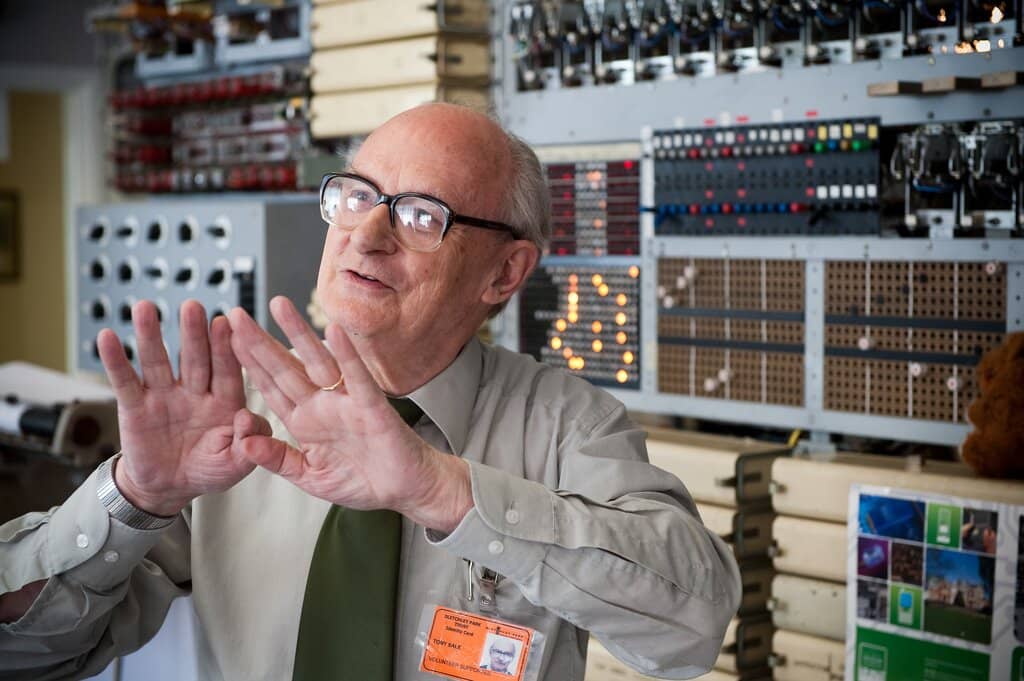
Volunteers are incredibly knowledgeable and make exhibits come alive! :star:
👟 Wear Comfortable Shoes
You'll be on your feet exploring a lot of history! :athletic_shoe:

Highlights
Discover the most iconic attractions and experiences
Colossus Rebuild
Main Exhibition Hall
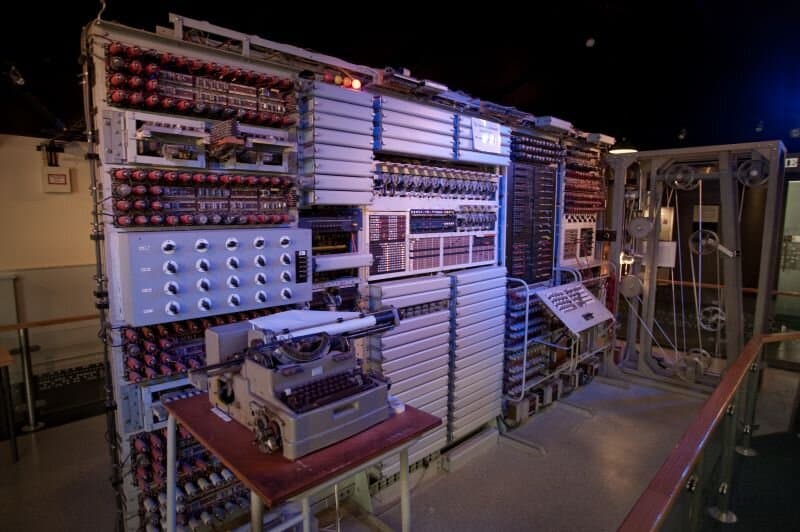
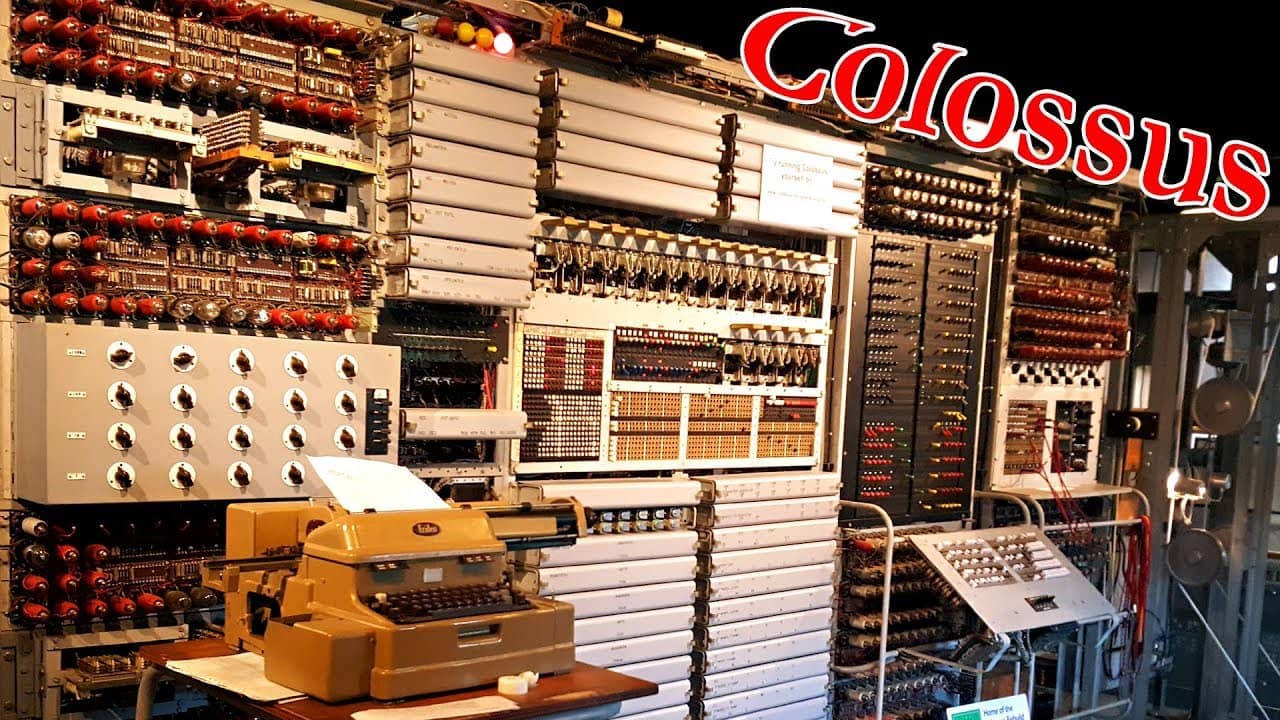
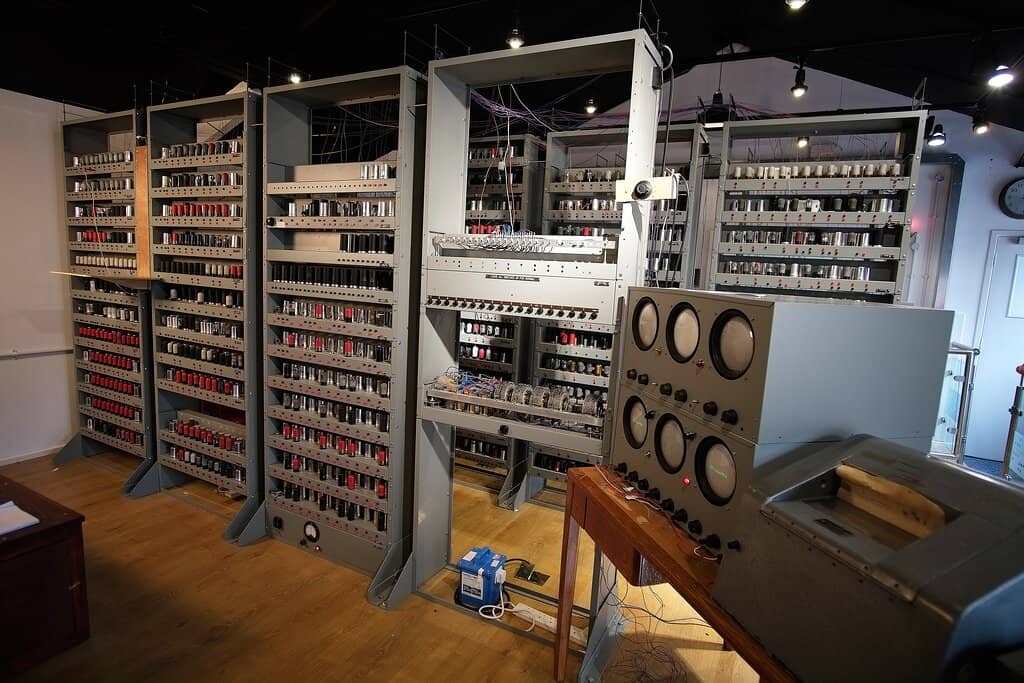
See the world's first electronic, programmable computer, crucial to WWII code-breaking.

Bombe Machine Replica
Bombe Exhibit
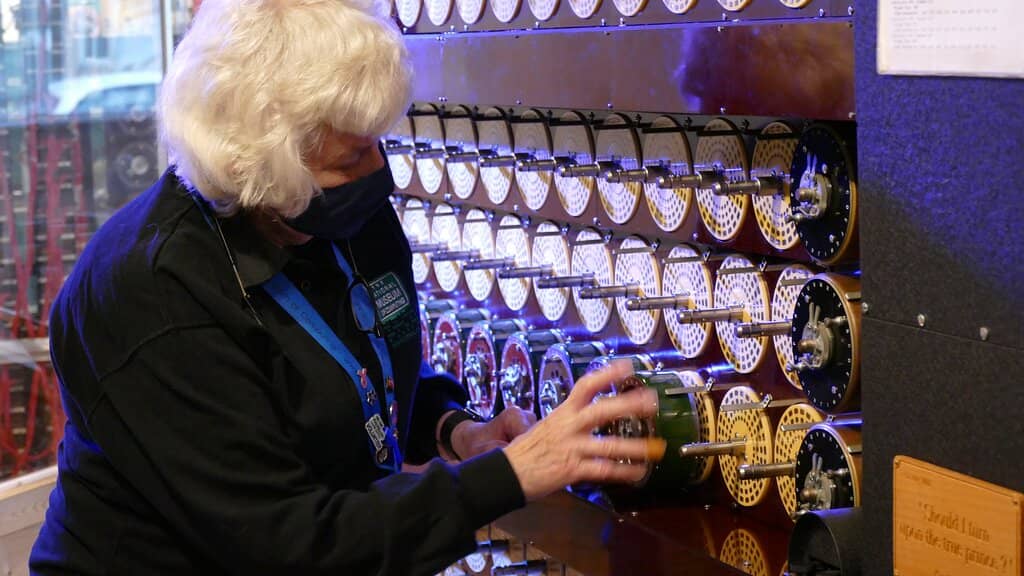
Witness Alan Turing's iconic Enigma-breaking machine, a testament to wartime ingenuity.
Retro Arcade Games
Interactive Zone
Relive the golden age of gaming with playable classics like Crazy Taxi and pinball.

National Radio Centre
Adjacent Exhibition
Explore the world of amateur radio and its historical significance.
Plans like a pro.
Thinks like you
Planning Your Visit
Check Opening Days
Allocate Ample Time
Best Times
Insider Tips
from TikTok, Instagram & Reddit
🎯 Book Guided Tours
Volunteers are incredibly knowledgeable and make exhibits come alive! :star:
👟 Wear Comfortable Shoes
You'll be on your feet exploring a lot of history! :athletic_shoe:
⏳ Allow Plenty of Time
Many visitors stay all day, so plan accordingly. :clock:
📱 Check for Special Events
Look out for family-friendly STEAM Bytes and other tech events. :iphone:
Tips
from all over the internet
🎯 Book Guided Tours
Volunteers are incredibly knowledgeable and make exhibits come alive! :star:
👟 Wear Comfortable Shoes
You'll be on your feet exploring a lot of history! :athletic_shoe:
⏳ Allow Plenty of Time
Many visitors stay all day, so plan accordingly. :clock:
📱 Check for Special Events
Look out for family-friendly STEAM Bytes and other tech events. :iphone:
☕ Limited Cafe Options
The cafe is small with limited food; consider packing snacks. :coffee:
What Travellers Say
Reviews Summary
Visitors consistently praise the National Museum of Computing for its impressive collection of functional vintage computers and its deep dive into computing history, particularly its WWII code-breaking machines. The knowledgeable and enthusiastic volunteers are frequently highlighted as a major asset, making the exhibits come alive. While the cafe is noted as small with limited options, the overall experience is highly recommended for its educational value and engaging displays.
"I have never seen such an impressive and well-maintained collection of vintage—but fully functional—computers. From iconic components and memory disks to a replica of the legendary Turing Machine, every exhibit here is a piece of computing history brought to life. It's not just a museum; it's a living timeline of technology.
Whether you're a tech enthusiast, history buff, or just curious, there's something to spark joy for everyone. Highly recommended!"
Vadym Pinchuk
"A place that must be visited if you are interested in World War II history, Intelligence Services, and the early days of computer science and cryptography. The museum features numerous interactive panels that make the visit enjoyable.
I really liked the area dedicated to the National Radio Centre, which is an exhibition focused on the world of amateur radio.
In the museum shop, I was struck by some envelopes containing replicas of period documents and books that delve deeper into characters or activities related to Bletchley Park.
Finally, a special mention to the staff and volunteers, who conveyed enthusiasm and warmth during my first visit."
David Gámez
"I went as a free carer/ companion. Although it wasn't really my thing, it was interesting. The volunteers have an incredible wealth of knowledge and were only too happy to share it when questions arose. Each of them filled with facts and enthusiasm made it very enjoyable. We had a laugh on the pinball and Crazy taxi arcade game and tried some of the early game systems.
Highlights for me were the collection of old Nokia phones, the 70's style BT telephone and Trimphone each purring when the receivers were lifted (I miss that) and the early computers with card input. I remember my Pops bringing lots of the discarded cards home after he had been inputting the data onto new computers with disc memory. It was cool seeing what he would have had to do. Those big 'machines' looked familiar from visits to his offices at Massey Feguson CPO.
Toilets were gleaming and there was a small coffee shop. Everyone that works in the museum has great pride in what they do and it shows."
Nearly Becky
What People Like
What People Dislike
Frequently Asked Questions
🚇 🗺️ Getting There
The museum is located at Bletchley Park. You can reach Bletchley Park by train from London Euston to Bletchley station, followed by a short bus ride or a 20-minute walk. Driving is also an option with parking available at Bletchley Park.
Yes, parking is available at Bletchley Park, where the museum is situated. There may be a charge for parking, so it's advisable to check Bletchley Park's website for current rates.
While the museum is located within the Bletchley Park site, it operates as a separate entity with its own admission. You can purchase tickets specifically for the National Museum of Computing.
Trains run regularly from London Euston to Bletchley. From Bletchley station, local buses can take you to Bletchley Park, or it's a manageable walk.
The museum strives to be accessible. It's recommended to contact them directly or check their website for specific details on accessibility for all exhibits and facilities.
🎫 🎫 Tickets & Entry
The museum's opening hours can vary, and it's crucial to check their official website before your visit. Notably, it is not open every day, with some visitors mentioning it being closed on Thursdays.
Admission prices can change, so it's best to consult the museum's official website for the most up-to-date ticket information. They may offer concessions or family tickets.
Yes, purchasing tickets online in advance is often recommended to secure your spot and potentially save time on arrival. Check the museum's website for booking options.
The museum may offer discounts for students, seniors, or carers. It's advisable to check their website or contact them directly to inquire about available concessions.
While not always mandatory, booking a time slot online can be beneficial, especially during peak seasons or for popular exhibits like the Colossus rebuild.
🎫 🧭 Onsite Experience
Don't miss the rebuilt Colossus computer, a replica of the Bombe machine, and the interactive retro arcade games. The National Radio Centre is also a fascinating area.
Yes, guided tours are highly recommended! The volunteers are incredibly knowledgeable and enthusiastic, offering deep insights into the history of computing.
Absolutely! The museum features interactive panels and playable retro arcade games, making it engaging for all ages.
Give yourself plenty of time, consider joining a guided tour, and don't hesitate to ask the volunteers questions. They are a wealth of information!
Yes, the museum often hosts family-friendly events like STEAM Bytes, focusing on robotics and retro games, making it a fun and educational experience for kids.
🍽️ 🍽️ Food & Dining
There is a small coffee shop and cafe area, but it has a limited food offering. Many visitors suggest packing snacks or planning to eat elsewhere.
While not explicitly stated, it's generally best to consume outside food and drinks in designated areas or before entering the main exhibition spaces. Check with the museum for their policy.
Being located at Bletchley Park, there are likely cafes and restaurants in the surrounding Bletchley area if you prefer more extensive dining choices.
📸 📸 Photography
Photography for personal use is generally allowed, but it's always a good idea to check for any specific restrictions on certain exhibits or areas.
Flash photography can sometimes damage delicate artifacts, so it's often prohibited. Look for signage indicating where flash is not permitted.
The Colossus rebuild, the Bombe machine replica, and the vintage computer displays offer fantastic photo opportunities. The retro arcade games also make for fun shots.
Short videos for personal social media are usually fine, but commercial filming may require prior permission. Check the museum's guidelines.
For Different Travelers
Tailored advice for your travel style
👨👩👧 Families with Kids
 The interactive exhibits, especially the playable retro arcade games, are a huge hit with kids, allowing them to experience gaming history firsthand.
 Don't miss the chance to see the Colossus rebuild and the Bombe machine replica, which can spark curiosity about wartime innovation. The knowledgeable volunteers are great at explaining complex topics in an understandable way for younger audiences. Remember to check the museum's schedule as they are not open every day, and consider packing snacks as the cafe is small.
🧑🎓 Students and Educators
Seeing iconic machines like Colossus, the Bombe, and early personal computers offers a tangible connection to theoretical concepts. Educators can leverage the museum's exhibits to illustrate the evolution of technology, the impact of computing on historical events like WWII, and the foundations of modern cybersecurity. The enthusiastic volunteers are a great asset for educational visits, providing expert insights that can enrich classroom learning.
🤓 Tech Enthusiasts and History Buffs
The National Radio Centre adds another layer of historical interest. The depth of knowledge shared by the volunteers is exceptional, providing detailed context and fascinating anecdotes. It's a place where you can truly appreciate the ingenuity and dedication that shaped the digital world we live in today.
Deep Dives
In-depth insights and expert knowledge
The Dawn of Computing: Colossus and Bombe
Complementing Colossus is a replica of the Bombe machine, designed by Alan Turing and Gordon Welchman. This electromechanical device was crucial for deciphering the Enigma code. The museum's exhibit provides a tangible connection to the brilliant minds and intense efforts that went into code-breaking. The interactive nature of some displays allows visitors to grasp the complexity and ingenuity involved in these early computing feats.
These exhibits are not just static displays; they represent a pivotal moment in human history. The volunteers often provide detailed explanations, bringing the stories of these machines and their creators to life, making the experience both educational and deeply engaging.
A Journey Through Personal Computing and Gaming
The museum also boasts a vibrant collection of retro arcade games. Visitors can step back in time and play classics like Crazy Taxi and various pinball machines. This interactive element is a huge hit, offering a fun and engaging way to experience the history of digital entertainment. It's a chance to see how far gaming has come and appreciate the foundations laid by these early pioneers.
From the massive mainframes to the early mobile phones, the museum showcases the rapid pace of technological advancement. The volunteers' passion and knowledge further enhance this journey, making it an enjoyable experience for tech enthusiasts and casual visitors alike.
The Role of Volunteers and Interactive Learning
The museum emphasizes interactive learning, moving beyond passive observation. With hands-on sessions involving programming, VR experiences, and playable arcade games, visitors are encouraged to engage directly with the technology. This approach makes complex historical concepts more accessible and memorable, particularly for younger visitors and students.
This blend of historical significance, technological evolution, and passionate human guidance creates a unique and highly recommended destination for anyone interested in the story of computing.





Social
from TikTok, Instagram & Reddit