Banqueting House London
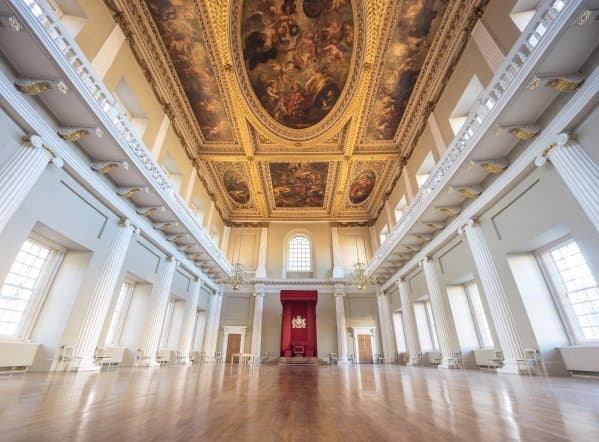
The sole surviving part of Whitehall Palace, famed for its magnificent Rubens ceiling and the site of King Charles I's execution.
Highlights
Must-see attractions

Social
From TikTok & Reddit
Best Time
Fewer crowds, more peaceful
Banqueting House London
Best Time
Fewer crowds, more peaceful
Highlights
Must-see attractions
The sole surviving part of Whitehall Palace, famed for its magnificent Rubens ceiling and the site of King Charles I's execution.
"The ceiling is really beautiful and this should be the reason for your visit."
Book Tickets Online 🎟️
Secure your entry in advance to guarantee a visit and avoid disappointment.
Engage with Staff 🗣️
The team is incredibly knowledgeable and passionate about sharing the history.
Highlights
Discover the most iconic attractions and experiences
The Rubens Ceiling
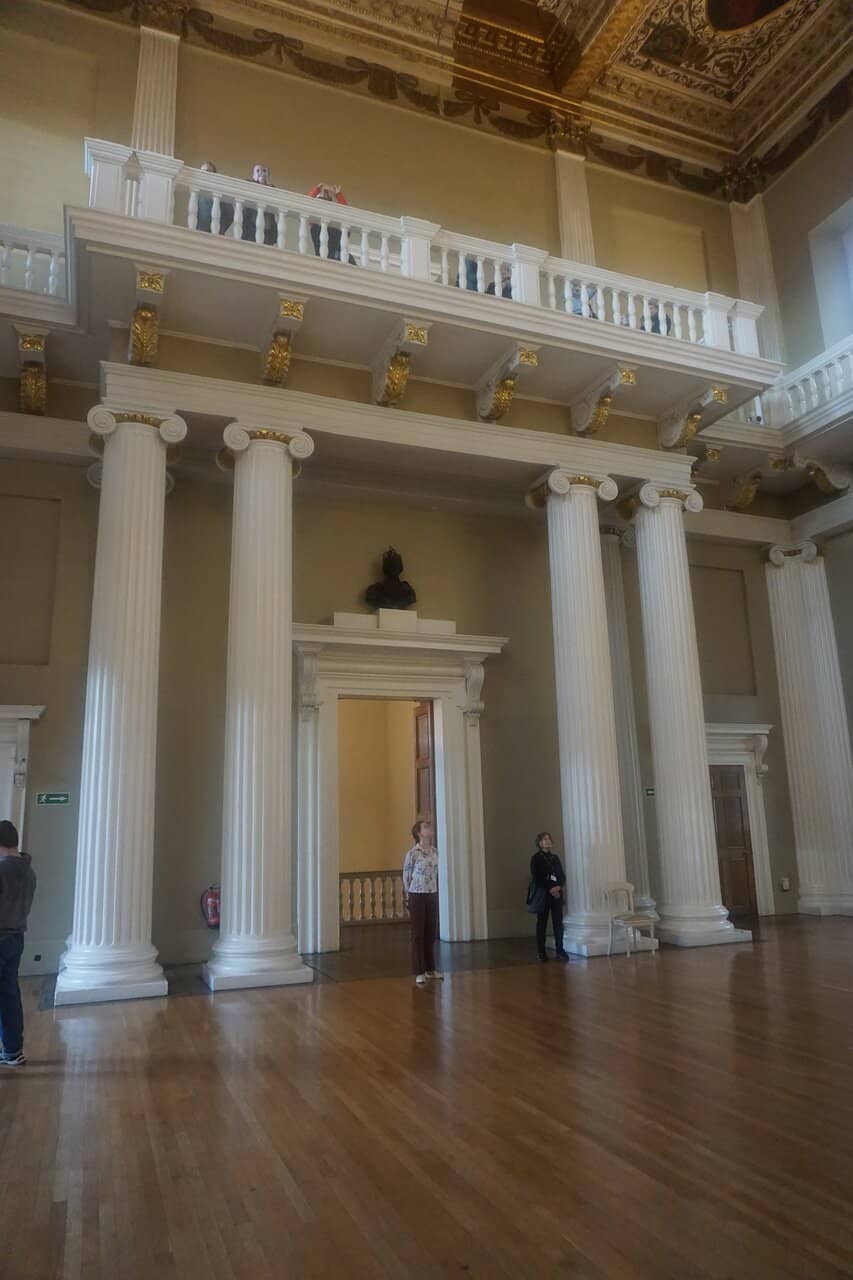
Main Hall
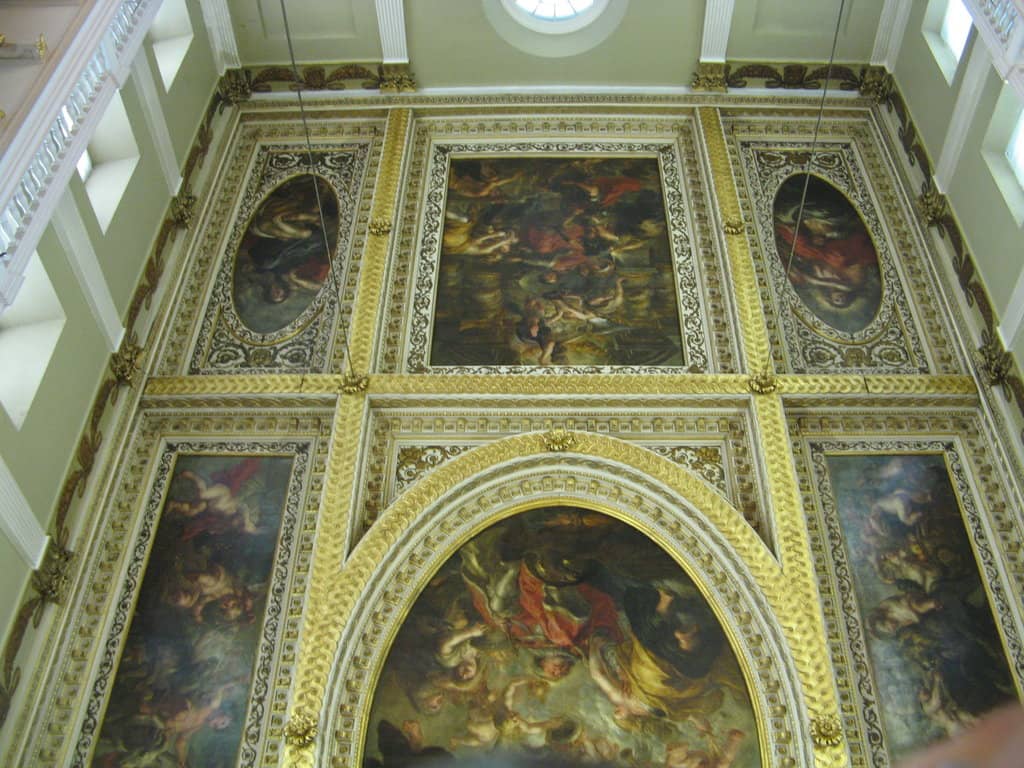
A breathtaking masterpiece by Peter Paul Rubens, commissioned by King Charles I, depicting scenes of royal triumph and divine right.
The Undercroft
Basement level
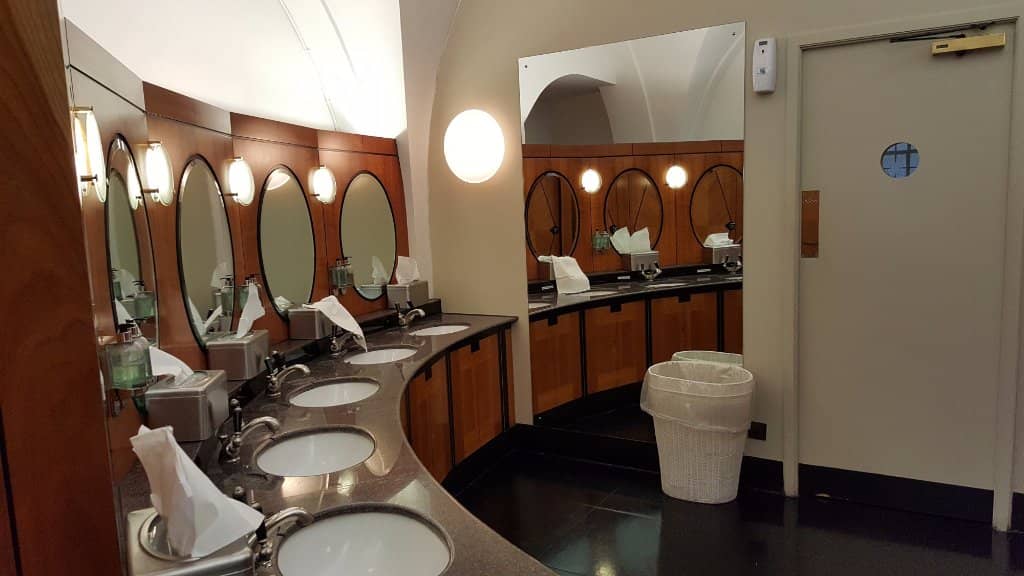
Explore the foundations of the original palace and learn about its history, though some visitors find it less impactful than the main hall.
Site of Royal Execution
Outside the Banqueting House
Stand where King Charles I met his end, a somber and historically significant spot that still resonates today.
Plans like a pro.
Thinks like you
Planning Your Visit
Book Ahead for a Royal Experience
Understand the Historical Significance
Best Times
Insider Tips
from TikTok, Instagram & Reddit
Book Tickets Online 🎟️
Secure your entry in advance to guarantee a visit and avoid disappointment.
Engage with Staff 🗣️
The team is incredibly knowledgeable and passionate about sharing the history.
Look for the Plaque 📜
A small plaque marks the execution site; it's easily missed but holds immense historical weight.
Check Opening Dates 🗓️
The house has limited opening days, so verify their schedule before your visit.
Tips
from all over the internet
Book Tickets Online 🎟️
Secure your entry in advance to guarantee a visit and avoid disappointment.
Engage with Staff 🗣️
The team is incredibly knowledgeable and passionate about sharing the history.
Look for the Plaque 📜
A small plaque marks the execution site; it's easily missed but holds immense historical weight.
Check Opening Dates 🗓️
The house has limited opening days, so verify their schedule before your visit.
Appreciate the Architecture 🏛️
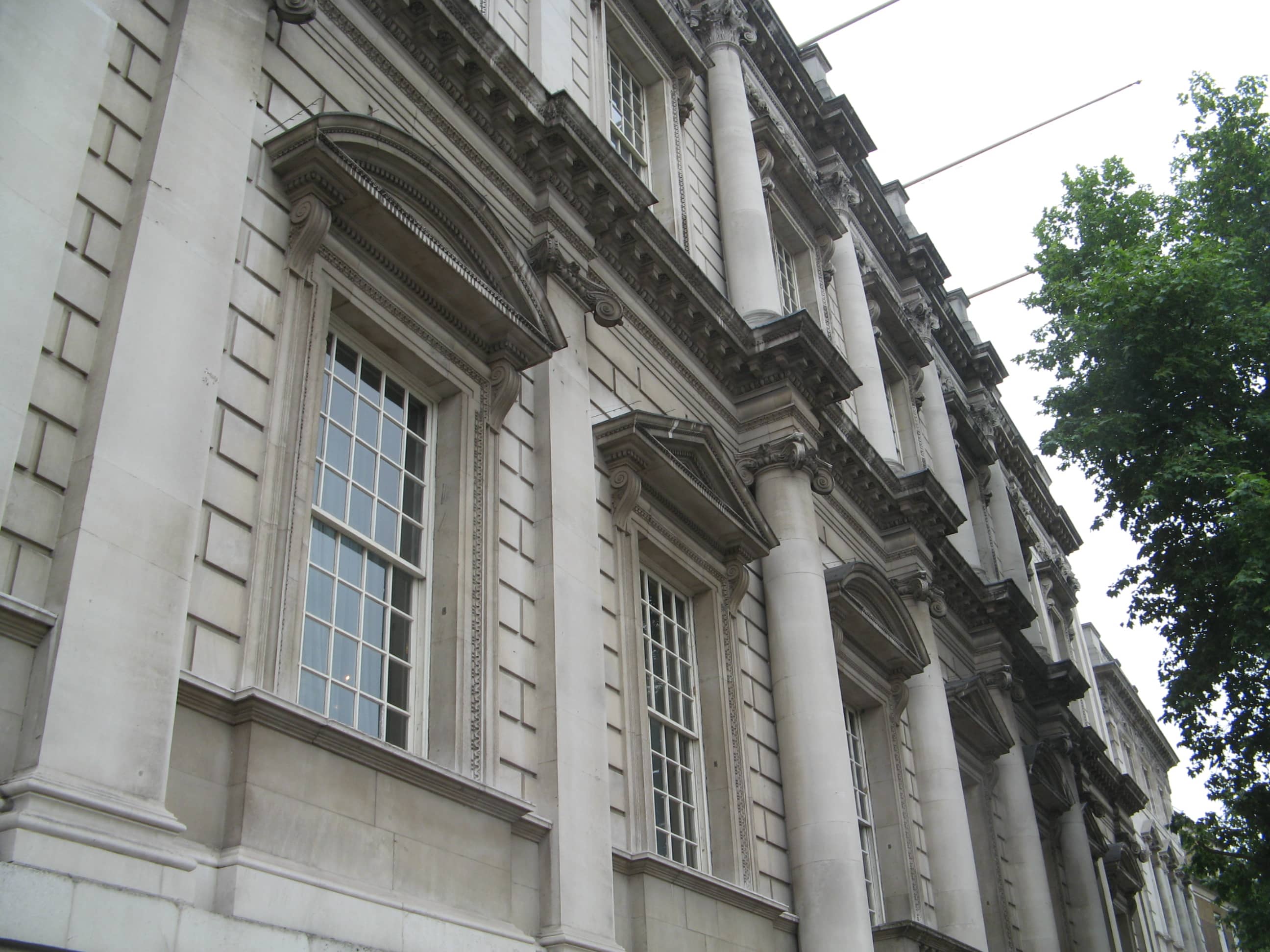
It's the first building in England built in the Palladian style, a significant architectural feat.
What Travellers Say
Reviews Summary
Visitors consistently praise the breathtaking Rubens ceiling and the exceptionally knowledgeable and polite staff. While some find the building itself less substantial beyond the ceiling, the profound historical significance, particularly the site of King Charles I's execution, leaves a lasting impression. The limited opening days and potential for restoration closures mean checking ahead is crucial.
"The ceiling is really beautiful and this should be the reason for your visit. The staff are super knowledgeable and wonderfully polite. No queue when I visited but I would recommend booking in advance."
Richard Sharp
"King Charles I was executed here in 1649. From the outside it doesn't seem like much, but a scaffold was raised, and in front of the public, he was beheaded for treason. The weight of that event still hangs in the air to this day. Despite the enormity of our country executing its own king, Charles is given a small, easily missed plaque. Such an important piece of history, almost hidden away.
I came when the building itself was closed, so I'll have to come again o view the inside"
Kiandra de Bruin
"Banqueting House in Whitehall is a jaw-dropping 1622 building by Inigo Jones with an incredible Rubens ceiling. It’s closed for refurb until October 2025, but I’m stoked to check it out once it reopens!"
J N
What People Like
What People Dislike
Frequently Asked Questions
🚇 🗺️ Getting There
The Banqueting House is conveniently located on Whitehall in Westminster, central London. It's easily accessible via the London Underground, with Westminster station (Jubilee, District, and Circle lines) being the closest. Several bus routes also stop nearby.
Yes, it's situated in the heart of Westminster, a stone's throw from Downing Street, Horse Guards Parade, and a short walk to Buckingham Palace and Trafalgar Square. +1
For tourists, the Tube to Westminster station is often the most efficient. Walking is also a great option to soak in the surrounding historical landmarks.
On-street parking is very limited and expensive in this central London area. It's best to rely on public transport rather than driving.
Yes, cycling is an option, and there are cycle racks available in the vicinity, though securing a spot can be competitive.
🎫 🎫 Tickets & Entry
Ticket prices can vary, and it's advisable to check the official Historic Royal Palaces website for the most current pricing. Booking in advance is recommended.
Yes, booking your tickets online in advance is highly recommended to ensure entry, as the venue has limited capacity and opening days.
The Banqueting House has specific opening days and hours, which can change. Always check the official website for the most up-to-date information before planning your visit.
The Banqueting House may have periods of closure for restoration or special events. For example, it was closed for restoration until October 2025.
Discounts may be available for children, seniors, or group bookings. Check the official website for details on concessions and family tickets.
🎫 🏛️ Onsite Experience
The main attraction is the magnificent ceiling painted by Peter Paul Rubens. You can also explore the Undercroft and learn about the building's history and its role in royal events, including the execution of King Charles I. +1
Most visitors spend around 1 to 1.5 hours exploring the Banqueting House, allowing time to admire the ceiling and absorb the historical context.
While the historical significance might be more appreciated by older children and adults, the visual splendor of the Rubens ceiling can captivate younger visitors.
The staff are very knowledgeable and often available to share insights and stories, acting as informal guides. Check for any scheduled talks or tours.
Most notably, King Charles I was executed outside the Banqueting House in 1649. It was also the grandest part of the former Whitehall Palace, used for elaborate royal entertaining. +3
📸 📸 Photography
Photography is generally permitted inside the Banqueting House, but it's always best to check for any specific restrictions, especially regarding flash photography, which is usually prohibited.
The ceiling by Rubens is the star for photography. Try to capture it from different angles to showcase its grandeur. The exterior architecture is also photogenic. +1
Yes, with good lighting and by avoiding flash, you can capture stunning images of the intricate details and vibrant colors of the Rubens ceiling. +1
Mornings tend to be less crowded, allowing for more unobstructed shots. The natural light can also be quite beautiful during these times.
Drone usage is strictly prohibited in central London airspace, especially around royal palaces and government buildings.
For Different Travelers
Tailored advice for your travel style
👨👩👧 Families with Kids
Consider framing the visit as a journey into a royal palace where important events happened. The Undercroft offers a glimpse into the building's foundations, which can be interesting for curious minds. It's a relatively quick visit, making it manageable for families with shorter attention spans.
🏛️ History Buffs
Delve into the building's architectural significance as the first Palladian-style building in England, designed by Inigo Jones. The Rubens ceiling is a masterpiece of Baroque art and a key piece of royal propaganda from the Stuart era. The knowledgeable staff are a fantastic resource for deeper historical insights.
🎨 Art & Architecture Enthusiasts
The highlight for art lovers is undoubtedly the Rubens ceiling. These nine magnificent canvases are a testament to the artist's mastery of Baroque style, filled with dynamic figures and rich symbolism. Appreciating the scale and detail of these paintings up close is an unforgettable experience.
Deep Dives
In-depth insights and expert knowledge
The Architectural Marvel of Inigo Jones
Jones's design for the Banqueting House was revolutionary, featuring a clean, elegant facade that stood in stark contrast to the sprawling, more ornate Whitehall Palace it was part of. Its construction was a deliberate statement, intended to showcase royal power and sophistication. The building's influence was profound, paving the way for future architectural developments in Britain and establishing the Palladian style as a dominant force for centuries.
Visitors can appreciate the building's harmonious proportions and the sophisticated detailing that define Jones's work. It's a key example of how architecture can reflect and project cultural and political ideals, making the Banqueting House a crucial site for understanding the evolution of British architecture.
The Dramatic History: From Royal Splendor to Execution
Before this tragic end, the Banqueting House was the most magnificent surviving part of the vast Whitehall Palace, the principal residence of English monarchs for centuries. Designed for elaborate entertaining, it hosted lavish feasts, balls, and masques, reflecting the grandeur of the Stuart court. The spectacular ceiling paintings by Peter Paul Rubens, installed in 1636, were commissioned by Charles I himself and were among the last things he saw before his execution.
Despite a devastating fire in 1698 that destroyed most of Whitehall Palace, the Banqueting House miraculously survived, standing as a solitary monument to its former glory. Today, it offers a poignant juxtaposition of royal splendor and historical tragedy, allowing visitors to connect with a crucial turning point in the nation's past.
The Artistic Brilliance of Peter Paul Rubens
Rubens, a renowned painter, diplomat, and scholar, brought his signature dynamic style to the project. The paintings are characterized by their dramatic compositions, vibrant colors, and energetic figures, creating a sense of movement and grandeur that fills the entire space. The central panel, 'The Apotheosis of James I,' is particularly striking, portraying the king ascending to heaven, surrounded by allegorical figures.
These ceiling paintings are not merely decorative; they served as a powerful piece of propaganda, reinforcing the divine right of kings and the legitimacy of the Stuart monarchy. Their survival and continued preservation make the Banqueting House a vital destination for art lovers and history enthusiasts alike, offering a direct connection to the artistic and political climate of 17th-century England.
Social
from TikTok, Instagram & Reddit