Aberlemno Sculptured Stones
Ancient Pictish carved stones dating from 500-800 AD, offering a glimpse into early Scottish history, art, and symbolism.
Highlights
Must-see attractions

Social
From TikTok & Reddit
Best Time
Access to visitor center
Aberlemno Sculptured Stones
Best Time
Access to visitor center
Highlights
Must-see attractions
Ancient Pictish carved stones dating from 500-800 AD, offering a glimpse into early Scottish history, art, and symbolism.
"An absolute must for history and culture lovers, these ancient stones are easily accessible and deeply fascinating."
🚗 Easy Parking
Park at the village hall for convenient access to most stones. :car:
🚶♀️ Short Detour
Worth a quick stop on your journey; doesn't take much time out of your day. :walking:
Highlights
Discover the most iconic attractions and experiences
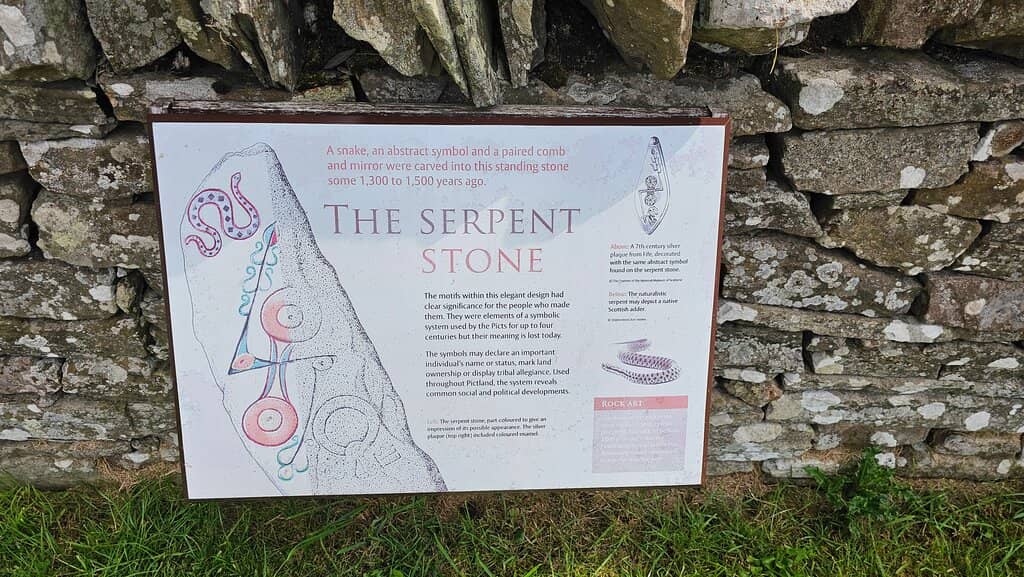
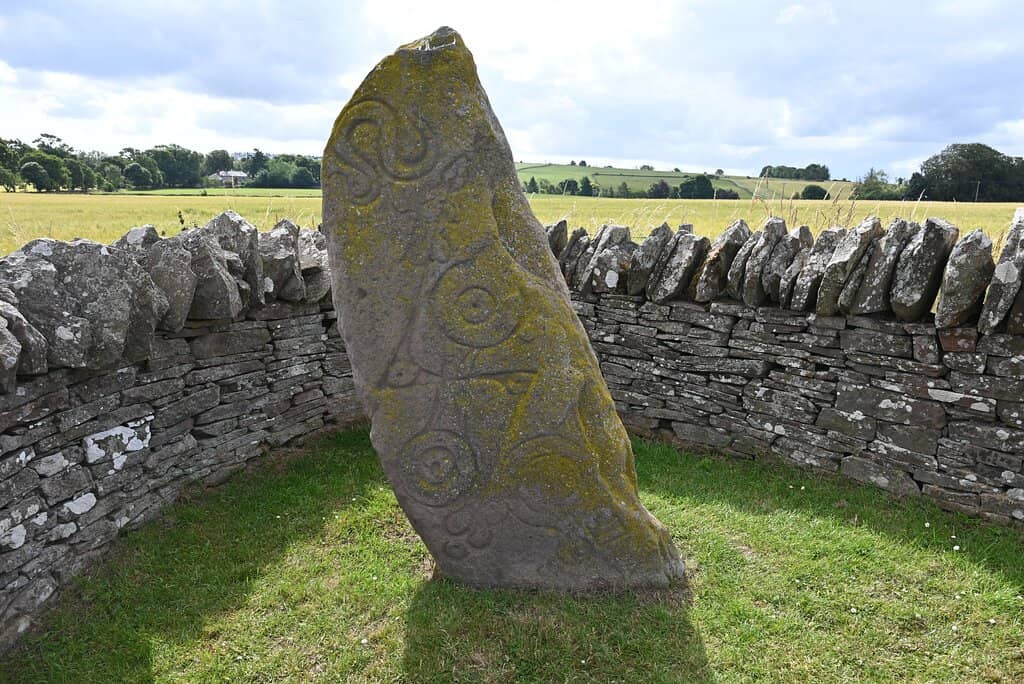
The Serpent Stone
Roadside
Intricate Pictish symbols, including a distinctive snake motif, adorn this ancient stone.
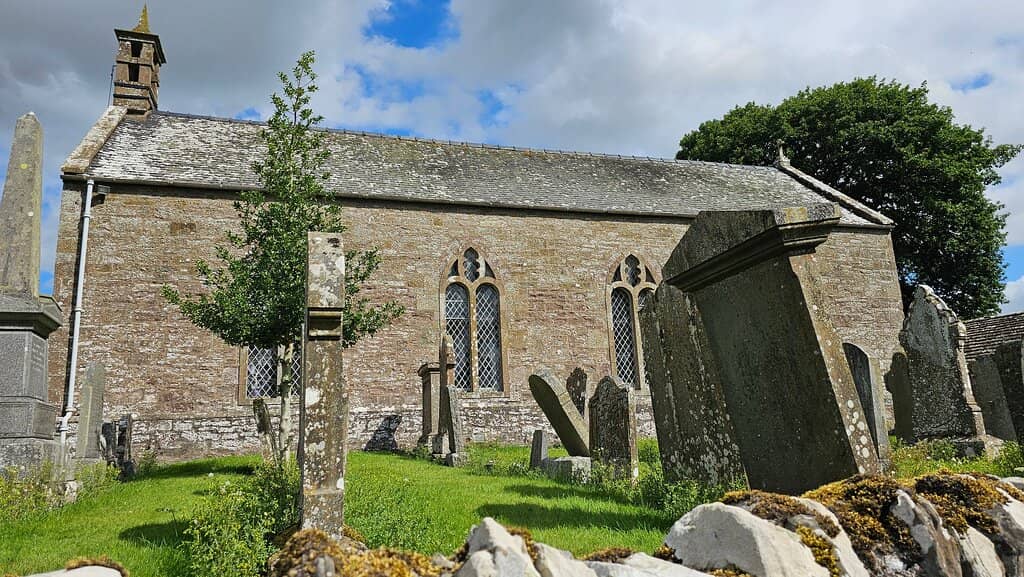
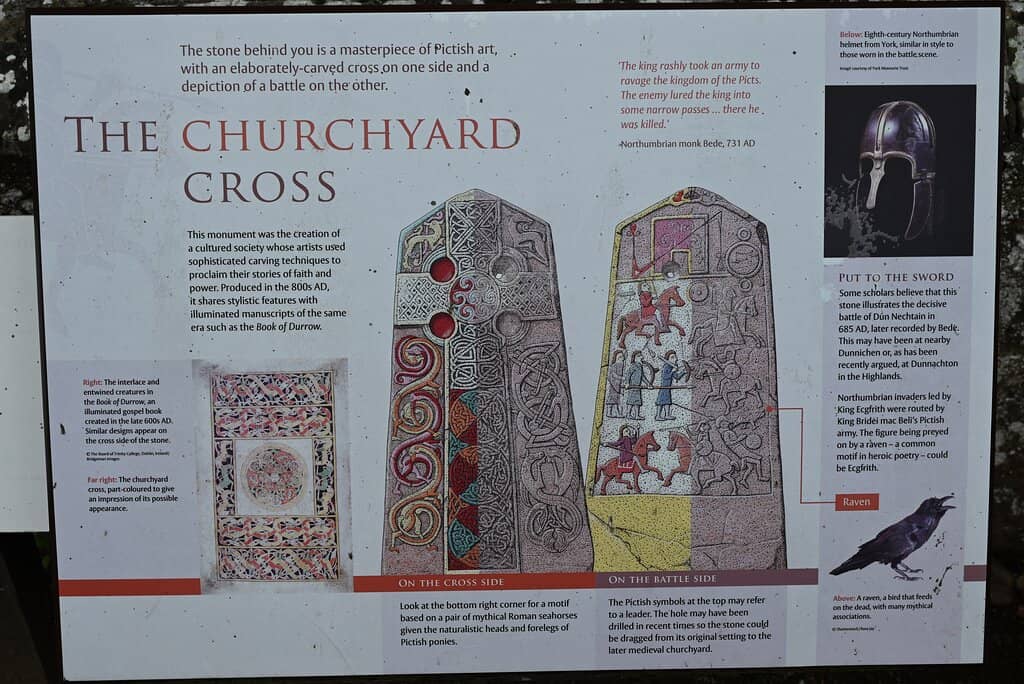
The Churchyard Cross
Village Churchyard
Considered by many to be the most spectacular, this cross-slab features Christian iconography and possible battle scenes.
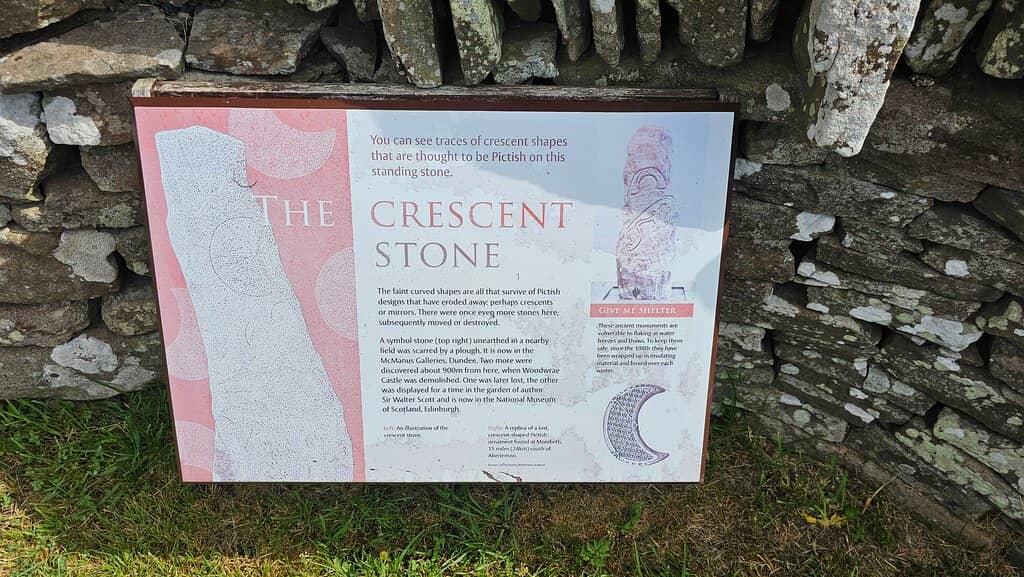
The Crescent Stone
Roadside
Features classic Pictish symbols like the double disc and z-rod, offering a glimpse into early medieval art.
Battle Scene Stone
Roadside
This stone may depict a significant battle, possibly between the Picts and Vikings, sparking historical debate.
Plans like a pro.
Thinks like you
Planning Your Visit
Quick Stop, Big History
Visitor Center & Facilities
Best Times
Insider Tips
from TikTok, Instagram & Reddit
🚗 Easy Parking
Park at the village hall for convenient access to most stones. :car:
🚶♀️ Short Detour
Worth a quick stop on your journey; doesn't take much time out of your day. :walking:
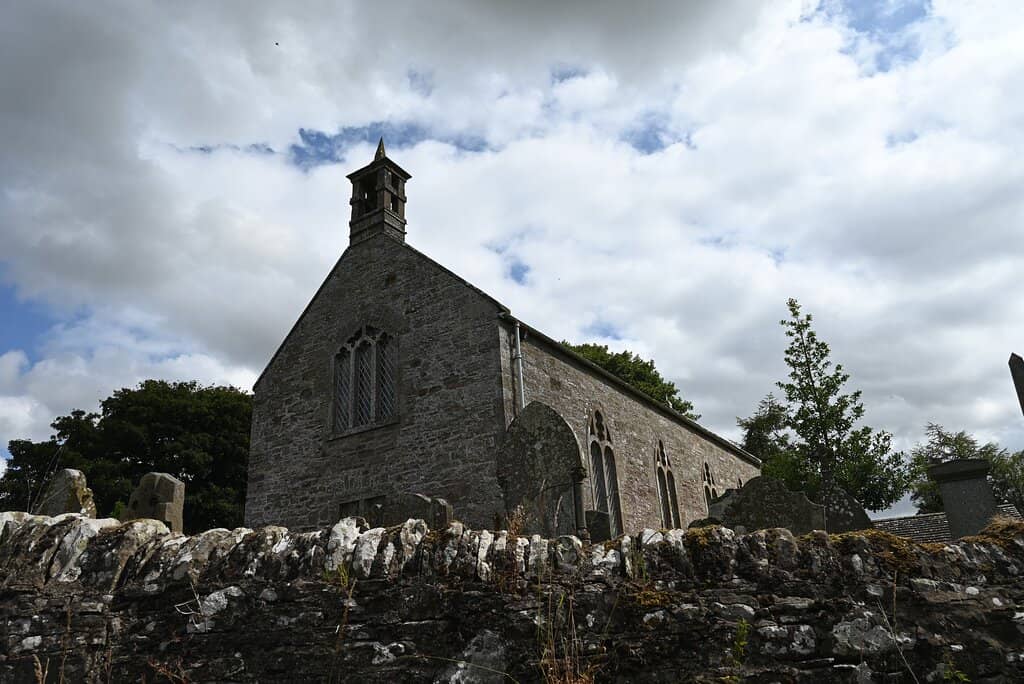
⛪ Churchyard Gem
Don't miss the stone in the churchyard – it's a highlight for many visitors! :church:
🧐 Pictish Symbols
Look for classic Pictish symbols like the double disc and z-rod. :magnifyingglasstilted_right:
Tips
from all over the internet
🚗 Easy Parking
Park at the village hall for convenient access to most stones. :car:
🚶♀️ Short Detour
Worth a quick stop on your journey; doesn't take much time out of your day. :walking:
⛪ Churchyard Gem
Don't miss the stone in the churchyard – it's a highlight for many visitors! :church:
🧐 Pictish Symbols
Look for classic Pictish symbols like the double disc and z-rod. :magnifyingglasstilted_right:
🗺️ Visitor Info
Check if the village hall visitor center is open for extra historical context. :information_desk:
What Travellers Say
Reviews Summary
Visitors praise the Aberlemno Sculptured Stones as a historically significant and easily accessible site, perfect for a quick yet insightful stop. Many highlight the intricate carvings and the convenience of roadside parking. While some find them 'underwhelming' compared to larger attractions, most agree they are a worthwhile detour for anyone interested in ancient Scottish history and culture.
"For history and culture lovers an absolut must!!! Park at the town hall (there are only a few houses, you won't miss it). There is a little visitor center explaining the history of the picts and there is a toilet in the hall. The stones are only a few meters from the car park. Another stone is 300meters away on the graveyard at the little church."
Helm Menz
"these were wonderful to see basicly sitting on the side of the road but a safe parking area nearby ...doesnt take long to get around them all so doesn't long out of your day... There are four stones with Pictish carvings in the village of Aberlemno, variously dating between about AD 500 and 800. Three stand on a roadside, while one stands in the village churchyard. They comprise:
a leaning, reused prehistoric standing stone
an unshaped boulder bearing traces of two symbols
a magnificent cross-slab
a sandstone cross-slab in the churchyard
The stones show a range of carvings, from characteristic Pictish symbols to overtly Christian iconography."
Warren Baird
"Amazing stones - not closed as they are outside! Two remain by road outside village hall another is at the churchyard. On occasional Sundays a small museum is open at the village hall - it is fantastic!!!
One Aberlemno stone can be seen at Dundee Museum another was broken after failed attempt by HS to protect it - hopefully it will return!!!"
Jo Gib
What People Like
What People Dislike
Frequently Asked Questions
🚇 🗺️ Getting There
The Aberlemno Sculptured Stones are located in the small village of Aberlemno, between Forfar and Brechin in Angus, Scotland. They are easily accessible by car, with parking available near the village hall. Some stones are right by the roadside, making them a convenient stop.
Yes, there is safe parking available near the village hall, which is a short walk from most of the stones.
Public transport options to Aberlemno are limited. It's best visited by car. If relying on public transport, you would likely need to take a bus to a nearby larger town like Forfar or Brechin and then arrange local transport or a significant walk.
Absolutely! Aberlemno is a perfect stop for a day trip in Angus. You can combine it with visits to nearby historical sites or enjoy the scenic Scottish countryside.
The stones are spread out within the village. Start at the roadside stones near the village hall, then take a short walk to the churchyard to see the Cross Stone.
🎫 🎫 Tickets & Entry
No, the Aberlemno Sculptured Stones are outdoors and freely accessible. There is no admission fee to view them.
As the stones are outdoors, they are accessible at any time. However, the small visitor center at the village hall may have limited opening hours, often on occasional Sundays.
There is no entrance fee. The stones are a public heritage site.
Yes, the stones are accessible year-round. However, be mindful of weather conditions, especially during winter months, which can affect travel and visibility.
Please be respectful of the ancient monuments. Avoid touching the carvings excessively and stay within designated paths where applicable.
🎫 🧭 Onsite Experience
Most visitors spend around 10-30 minutes exploring the stones, as they are relatively close to each other and easily viewed.
Key Pictish symbols include the double disc and z-rod, the mirror, and the comb. The Serpent Stone is named after its prominent snake carving. 
Yes, there is a small visitor center located at the village hall, which sometimes opens on Sundays and provides historical context about the Picts.
Toilets are available at the village hall.
One stone is believed to depict a battle, possibly the Battle of Dunnichen in 685 AD where Picts defeated Northumbrians, or a conflict with Vikings. The exact event remains a subject of historical debate.
📸 📸 Photography
Early morning or late afternoon light can create dramatic shadows and highlight the carvings. Overcast days can also provide even lighting.
Yes, photography is permitted. Many visitors share their stunning photos online, showcasing the intricate details of the stones.
Focus on close-ups of the Pictish symbols and carvings. Wide shots can capture the stones in their landscape setting.
Generally, no specific restrictions beyond respecting the site. Be mindful of other visitors and avoid using flash photography if it might disturb others or damage delicate surfaces (though unlikely for these stones).
A standard DSLR or mirrorless camera with a versatile lens (e.g., 24-70mm) is ideal. A smartphone camera can also capture great shots, especially with good lighting.
For Different Travelers
Tailored advice for your travel style
👨👩👧 Families with Kids
+1Parking at the village hall is convenient, and the availability of toilets is a plus. If the visitor center is open, it can provide engaging stories about the Picts that will capture young imaginations. It's a great way to break up a longer car journey and introduce children to Scotland's ancient heritage in a memorable way.
🏛️ History Buffs & Culture Seekers
Take time to study the intricate carvings, particularly the Serpent Stone and the Churchyard Cross. Consider researching the potential historical events depicted, such as the Battle of Dunnichen, to deepen your appreciation. The stones serve as tangible links to a mysterious and influential civilization.
📸 Photographers & Art Enthusiasts
+1Consider capturing the stones within their landscape context to showcase their ancient presence in the Scottish countryside. The abstract nature of Pictish symbols also offers creative possibilities for artistic interpretation. Sharing your images can contribute to the online appreciation of these remarkable historical artifacts.
Deep Dives
In-depth insights and expert knowledge
The Picts: Masters of Symbolism
Key Pictish symbols like the double disc and z-rod, the mirror, and the comb are prominently displayed on these stones. Their exact meaning remains a subject of scholarly debate, adding to the mystique of the Picts. The presence of these symbols on standing stones suggests they held significant cultural or religious importance, possibly marking territory, commemorating events, or serving as spiritual markers.
+1The Aberlemno Stones are particularly significant because they show the evolution of Pictish art. Some stones, like the Serpent Stone, are purely symbolic, while others, like the Churchyard Cross, incorporate Christian crosses and narrative scenes, indicating the growing influence of Christianity in the region. This transition is a fascinating aspect of early Scottish history.
+1Unraveling the Battle Scenes
Historians have long debated which specific battle this carving might represent. A leading theory suggests it depicts the Battle of Dunnichen in 685 AD, where the Picts, under King Bridei III, decisively defeated the invading Northumbrian army led by King Ecgfrith. This victory was a pivotal moment in Scottish history, helping to secure Pictish independence.
+1Another possibility is that the scene illustrates a conflict between the Picts and Viking raiders, who began their incursions into Scotland around the same period. Regardless of the exact event, the battle scene provides a dramatic glimpse into the turbulent history of early Scotland and the resilience of the Pictish people.
Visiting Aberlemno: A Traveler's Perspective
Visitors frequently highlight the Churchyard Cross as the most impressive stone, praising its detailed carvings and historical significance. The presence of a small visitor center at the village hall, though sometimes with limited hours, is noted as a valuable resource for gaining deeper insights into the Pictish culture.
While some might find the stones 'underwhelming' if expecting a large museum, most agree that for a short detour, the Aberlemno Stones offer a unique and enriching experience, connecting visitors directly with Scotland's ancient past. The friendly locals and the peaceful village setting also add to the charm of the visit.
Social
from TikTok, Instagram & Reddit