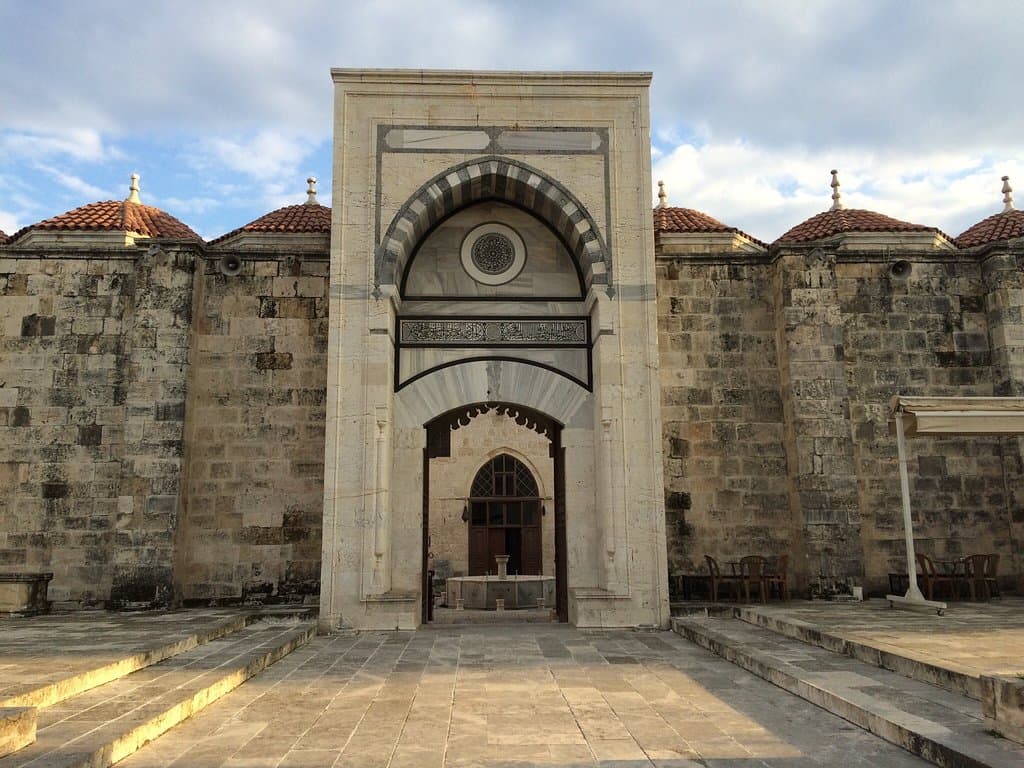
Tarsus Ulu Mosque
A magnificent Ottoman-era mosque in Tarsus, built on ancient foundations, showcasing rich history and stunning architecture.
Highlights
Must-see attractions

Social
From TikTok & Reddit
Best Time
Fewer crowds, soft light
Tarsus Ulu Mosque
Best Time
Fewer crowds, soft light
Highlights
Must-see attractions
A magnificent Ottoman-era mosque in Tarsus, built on ancient foundations, showcasing rich history and stunning architecture.
"An impressive historical mosque in the heart of Tarsus. The architecture is stunning, with a serene courtyard and a spiritual atmosphere."
📸 Photography Opportunities
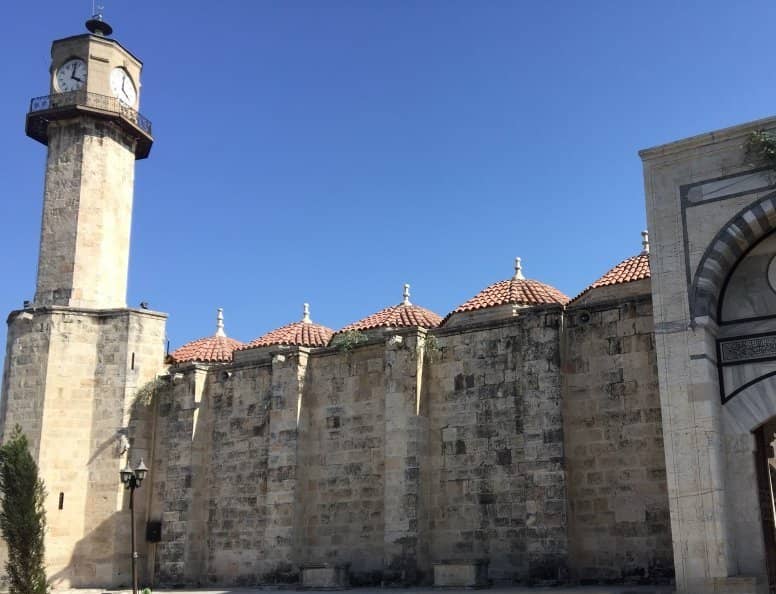
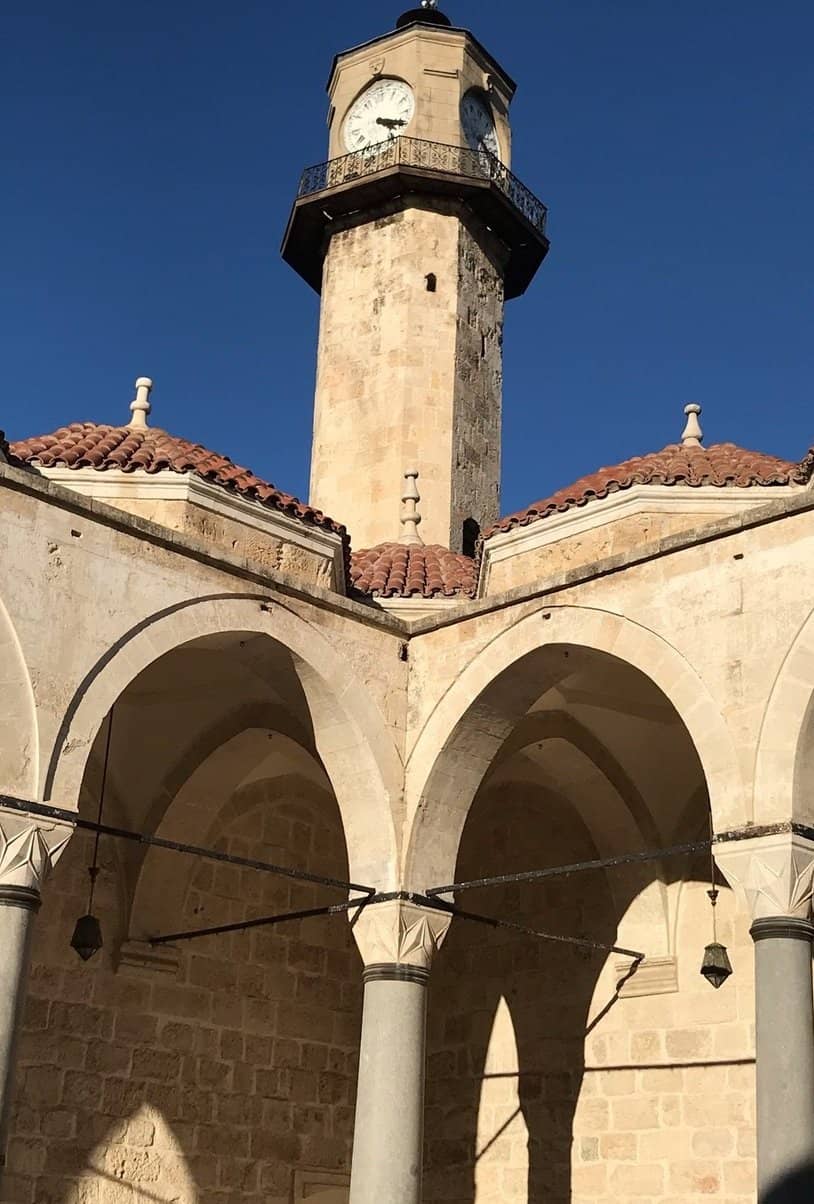
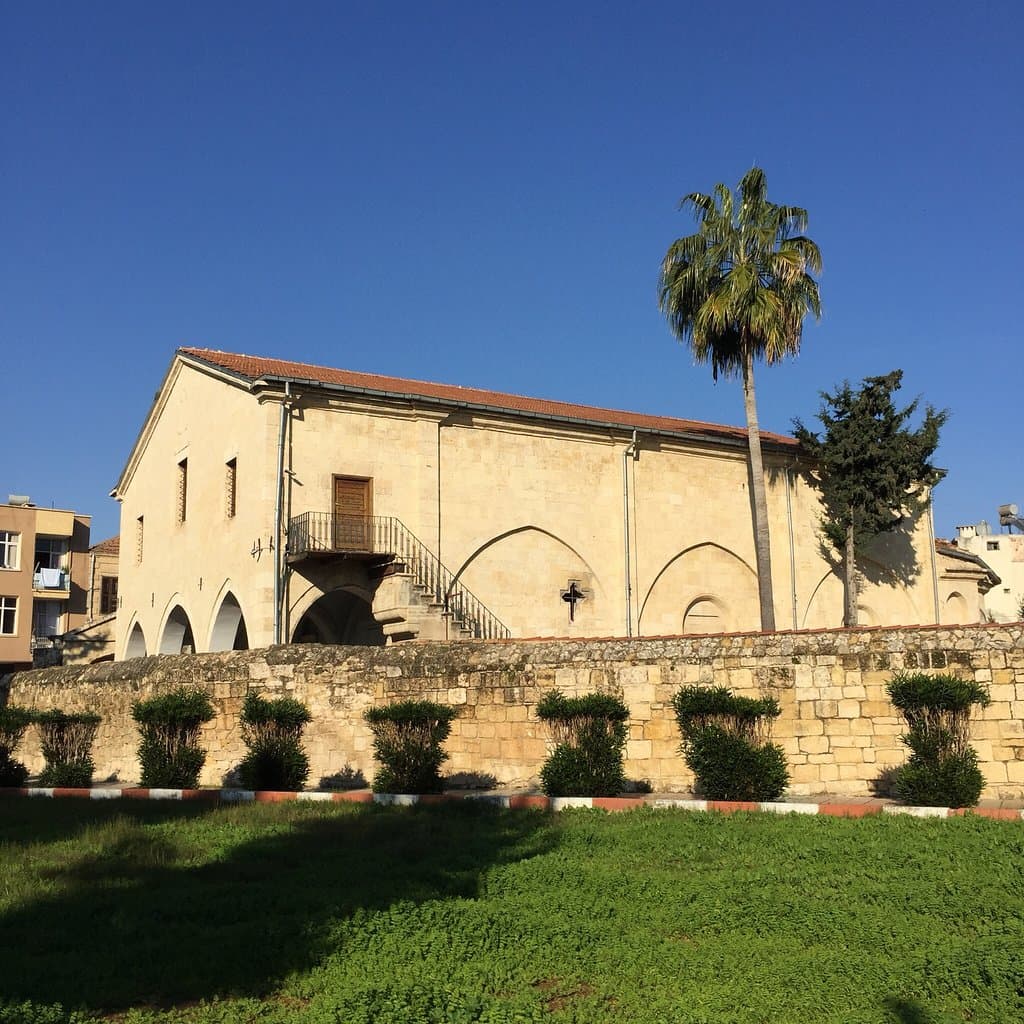
The exterior is particularly impressive for photos. Capture the details of this historical gem.
🚶♂️ Explore Nearby
Combine your visit with the nearby Kırkaşık Bedesten and St. Paul's Church for a fuller experience.
Highlights
Discover the most iconic attractions and experiences
Architectural Grandeur
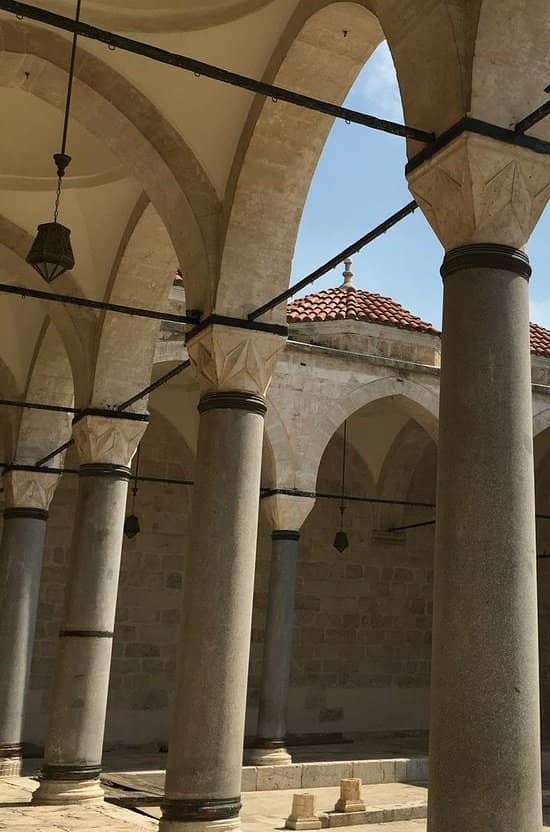
Admire the stunning Ottoman-era architecture, a testament to centuries of history and faith.

Serene Courtyard
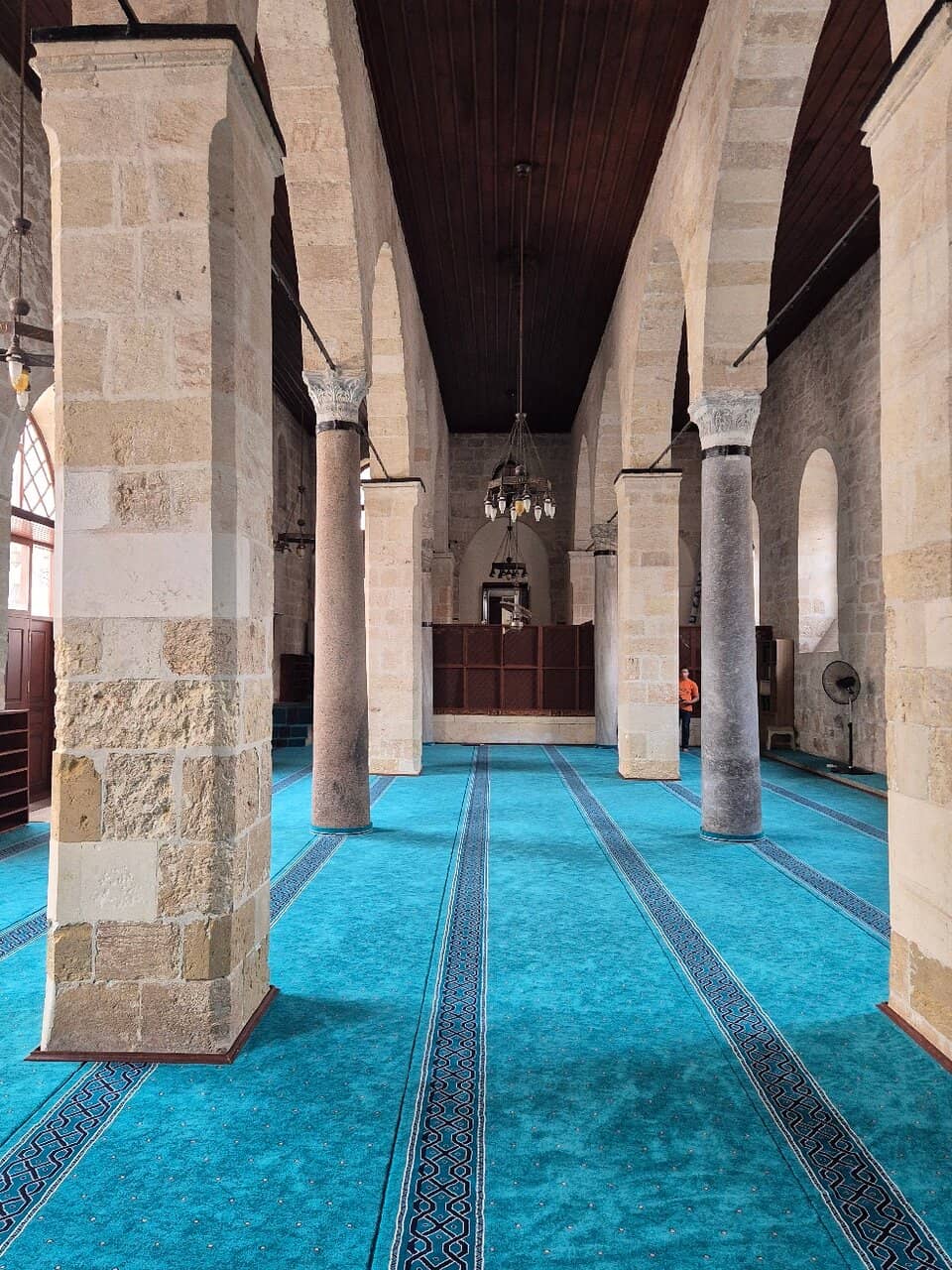
Find a moment of peace in the tranquil courtyard, surrounded by historical beauty.
Historical Significance
Explore a site with a rich past, built on the foundations of earlier religious structures.
Tombs of Revered Figures
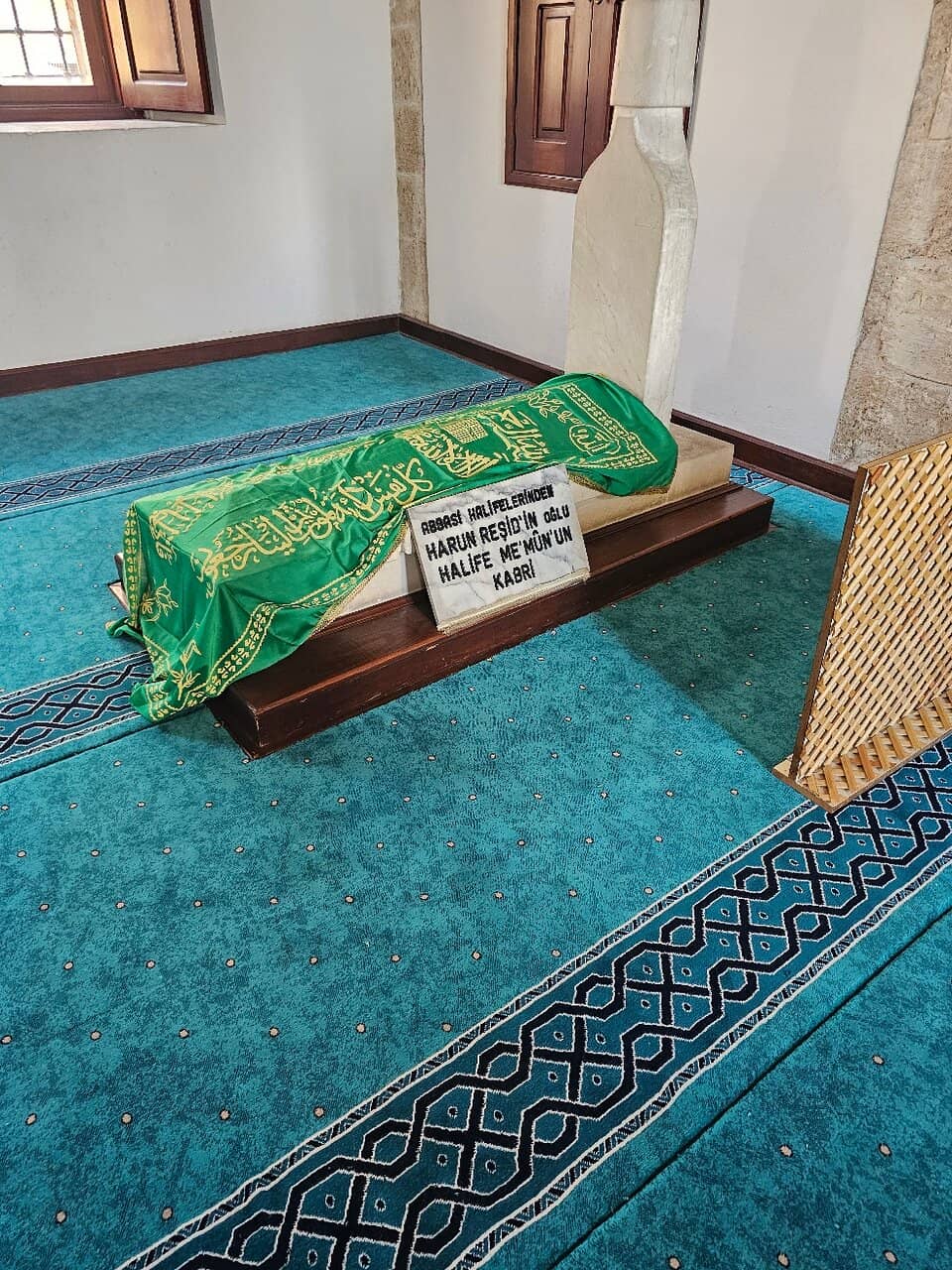
Visit the tombs of Al-Ma'mun, Luqman, and Seth, believed to be the son of Adam.
Plans like a pro.
Thinks like you
Planning Your Visit
Timing Your Visit
Respectful Attire
Best Times
Insider Tips
from TikTok, Instagram & Reddit
📸 Photography Opportunities
The exterior is particularly impressive for photos. Capture the details of this historical gem.
🚶♂️ Explore Nearby
Combine your visit with the nearby Kırkaşık Bedesten and St. Paul's Church for a fuller experience.
🕌 Respectful Visit
Dress modestly and be mindful of prayer times to ensure a respectful experience for all.
🌳 Relaxing Atmosphere
Enjoy the restful area around the mosque, perfect for a moment of quiet reflection.
Tips
from all over the internet
📸 Photography Opportunities
The exterior is particularly impressive for photos. Capture the details of this historical gem.
🚶♂️ Explore Nearby
Combine your visit with the nearby Kırkaşık Bedesten and St. Paul's Church for a fuller experience.
🕌 Respectful Visit
Dress modestly and be mindful of prayer times to ensure a respectful experience for all.
🌳 Relaxing Atmosphere
Enjoy the restful area around the mosque, perfect for a moment of quiet reflection.
What Travellers Say
Reviews Summary
Visitors praise the Tarsus Ulu Mosque for its impressive historical architecture and serene atmosphere, noting its significant place in the city's heritage. While the exterior is a highlight for photography, some find the interior less captivating. Its central location and proximity to other attractions make it a convenient and worthwhile stop.
"Today, I went to Ulu masque. An impressive historical mosque in the heart of Tarsus. The architecture is stunning, with a serene courtyard and a spiritual atmosphere. Definitely worth visiting to feel the history of the city."
Samira Saraeian
"The Grand Mosque was built in 1579, in the times when Tarsus was already a part of the Ottoman Empire. Previously, this region had been under the control of Radamanid dynasty. The Radamanids were one of numerous frontier beyliks established by Oghuz Turkish clans after the decline of Seljuk Sultanate of Rum. In 1516, they lost their independence and became the vassals of the Ottomans. In the name of this dynasty, Ramadanid beys still administered Tarsus. İbrahim Bey, the son of Piri Pasha of the Ramadanids, ordered the erection of the Grand Mosque in Tarsus.
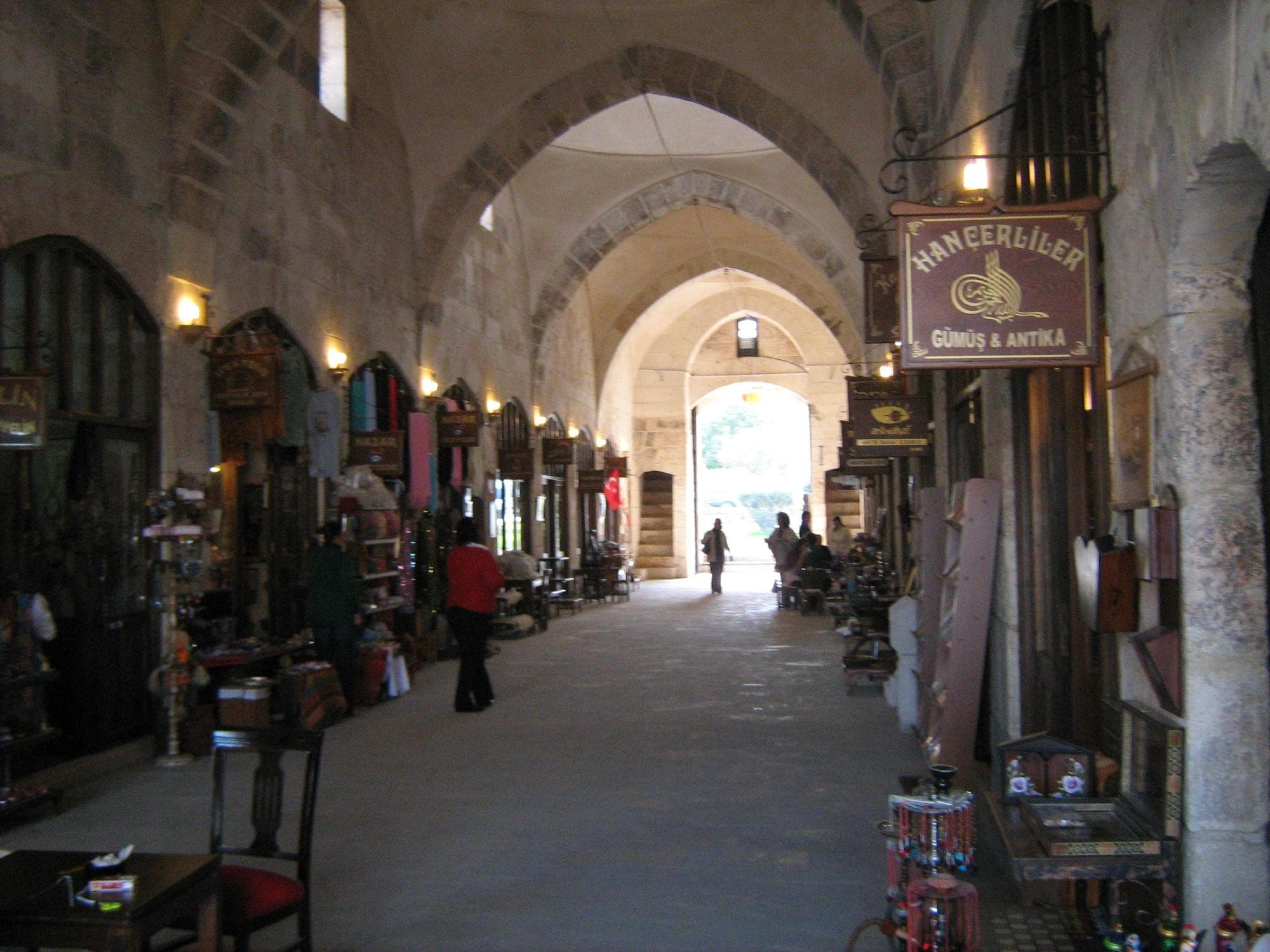
The mosque was built in a place that had served the religious worship purposes for a long time. The inscription on the Grand Mosque provides information that an earlier mosque had stood there before. It was built in the 9th century when Tarsus was ruled by the Abbasid dynasty. When Tarsus was reconquered by the Byzantine army, that mosque was transformed into a church, presumably dedicated to St. Peter. The fate of this church remains a mystery; possibly it was intentionally demolished. On the other hand, some parts of this church could have been incorporated into the building now known as the Grand Mosque. The Bazaar of Forty Spoons (tr. Kırkkaşık Bedesten) was build simultaneously to the erection of the Grand Mosque in the late 16th century. It was managed by a religious foundation that supported the mosque with the funds obtained from the bedesten."
Ramil Khasanov
"Mesquita em Tarsus.
The mosque is at the center of Tarsus in Camii Nur neighbourhood. It is the biggest mosque of Tarsus. It is very close to St Paul's Church, only about 180 metres (590 ft) bird's flight away.
The mosque had been built in 1579 during Ottoman rule. The commissioner of the mosque is İbrahim Bey of Ramadanid dynasty, a Turkmen dynasty which was the ruler of the region before 1517 and continued as the vassal of the Ottoman Empire during the rest of the 16th century. But according to information plate of the mosque, there was an older mosque in the place of Grand Mosque which was built during the Abbasid (Arab) rule in the 9th century . After Tarsus was captured by the Byzantine Empire, the old mosque was transformed into a church. But in the 14th century Ramazanoğlu captured Tarsus and in 1579 the mosque was rebuilt. Kırkkaşık Bedesten a bedesten to support the mosque was also built in 1579.
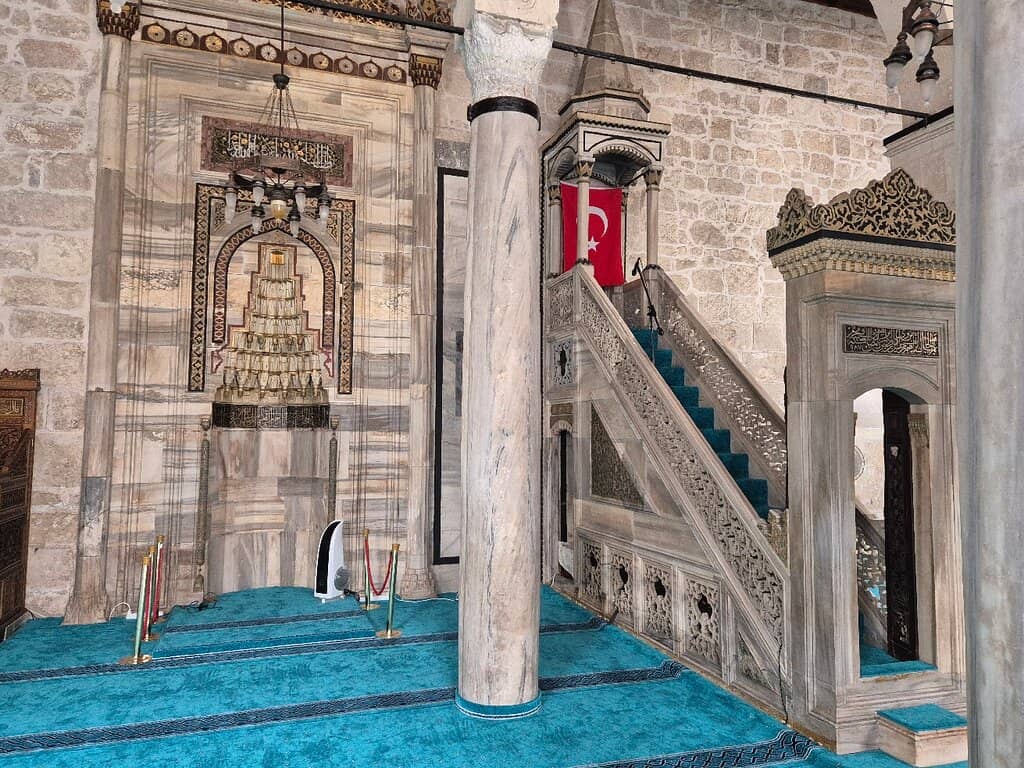
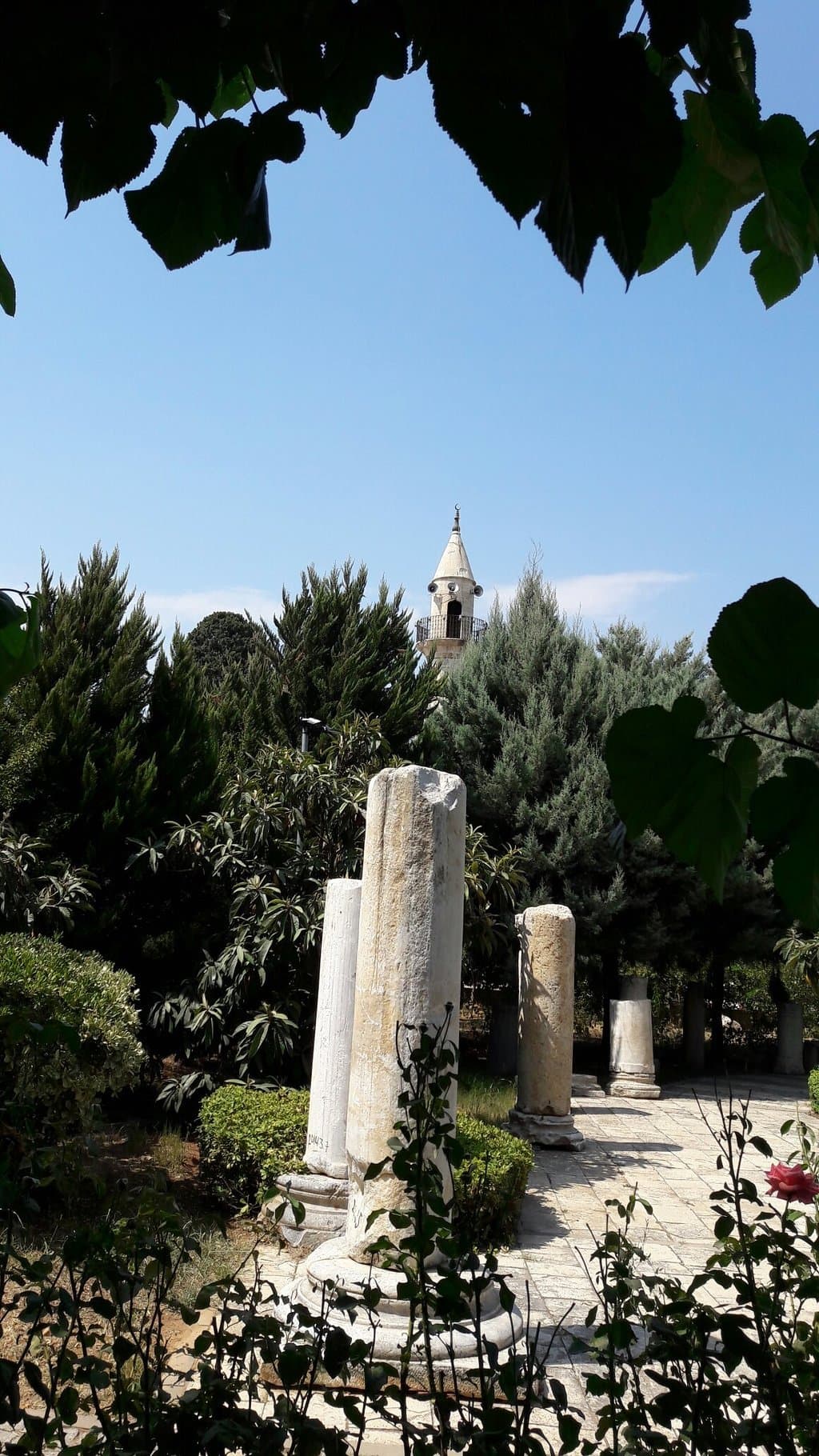
The entrance to mosque courtyard is via a monumental marble gate at the north . The nartex with 14 columns to bear 16 domes has been decorarated with tiles. The building material of the main building is carved stone. The columns in the main building have been connected with half pointed arch so called Iranian Arch. The pulpit and the niche (directed to Mecca) is made of marble.
At the east of the mosque there are tombs of Al-Ma'mun (the Abbasid caliph), Luqman and Seth who is believed to be the son of Adam."
João Jaques
What People Like
What People Dislike
Frequently Asked Questions
🚇 🗺️ Getting There
The Tarsus Ulu Mosque is centrally located in the Camii Nur neighborhood of Tarsus. It's easily accessible by local transport or a short walk from other city attractions.
Yes, it's very close to St. Paul's Church, approximately 180 meters away, making it convenient to visit both.
Tarsus is well-connected by road. You can reach it by bus from major cities like Mersin and Adana.
While specific parking details can vary, the central location means street parking or nearby public lots are usually available. It's best to check local signage upon arrival.
Yes, ride-sharing services are generally available in Tarsus and can be a convenient way to reach the mosque.
🎫 🎫 Tickets & Entry
Entry to the Tarsus Ulu Mosque is typically free, as it is a functioning place of worship. Donations are often appreciated.
The mosque is generally open to visitors outside of prayer times. It's advisable to check local schedules or visit during daylight hours for the best experience.
No, there is no admission fee to enter the Tarsus Ulu Mosque.
Visitors are usually asked to wait until prayer times are concluded to enter the main prayer hall to maintain a peaceful atmosphere.
While photography is generally allowed in the courtyard and exterior, it's respectful to avoid taking photos inside the prayer hall during services or of worshippers.
🎫 🕌 Onsite Experience
Modest attire is required. Women should cover their heads, and both men and women should wear clothing that covers their shoulders and knees.
Inside, you'll find impressive marble pulpit and niche, and the main building features unique arches. The courtyard offers a serene atmosphere.
Information on specific accessibility features can be limited. The courtyard may offer easier access, but the main prayer hall might have stairs.
Official guided tours are not widely advertised, but local guides might be available in the area. You can also explore independently.
The mosque was built in 1579 on the site of an earlier 9th-century mosque, which was later converted into a church. It showcases Ottoman Turkish-Islamic art.
📸 📸 Photography
The exterior architecture and the serene courtyard offer excellent photographic opportunities. The monumental marble gate is also a great subject.
Drone usage regulations can vary. It's best to check local laws and obtain any necessary permissions before flying a drone.
Early mornings and late afternoons provide the best natural light for capturing the mosque's beauty, especially during the golden hour.
While exterior and courtyard photography is generally permitted, it's respectful to avoid photographing inside the prayer hall during services or of worshippers.
A wide-angle lens is useful for capturing the mosque's grandeur, while a standard lens works well for details. A smartphone camera is also sufficient for most visitors.
For Different Travelers
Tailored advice for your travel style
👨👩👧 Families with Kids
+1Pairing the visit with nearby attractions like St. Paul's Church can create a well-rounded family outing. Pack water and snacks, as amenities directly within the mosque complex might be limited. The visual grandeur of the mosque can also capture children's attention, making it a memorable stop.
🏛️ History Buffs
+1 Delve into the inscriptions and architectural details that speak to its multi-faceted past. The proximity to other historical sites like the Kırkaşık Bedesten and St. Paul's Church allows for a comprehensive exploration of Tarsus's rich heritage. 📸 Photographers
Deep Dives
In-depth insights and expert knowledge
A Tapestry of History: The Mosque's Origins
+1The current Grand Mosque, as it stands today, was erected in 1579 by İbrahim Bey of the Ramazanoğlu Beylik, during the Ottoman period. This construction signifies a shift back to Islamic worship at the site. The mosque showcases the distinct features of Turkish-Islamic art, reflecting the architectural styles and influences of its era.
Adjacent to the mosque, the Kırkaşık Bedesten was also built around the same time, functioning as a market to support the mosque's upkeep through its revenue. This integration of religious and economic structures highlights the societal organization of the time.
Architectural Marvels and Spiritual Ambiance
The interior boasts a marble pulpit and mihrab (niche), adding to the mosque's elegance. Visitors often remark on the serene atmosphere within the courtyard, making it a peaceful retreat. The blend of historical architectural elements and the spiritual ambiance creates a memorable experience for those who visit.
For photography enthusiasts, the exterior of the mosque offers numerous compelling angles and details to capture. The play of light and shadow on the stone facade, especially during sunrise or sunset, can be particularly dramatic.
Social
from TikTok, Instagram & Reddit