Pamukkale
Pamukkale's 'Cotton Castle' features surreal white terraces and ancient ruins, offering a unique blend of natural wonder and history.
Highlights
Must-see attractions

Social
From TikTok & Reddit
Best Time
Fewer crowds, better photos
Pamukkale
Best Time
Fewer crowds, better photos
Highlights
Must-see attractions
Pamukkale's 'Cotton Castle' features surreal white terraces and ancient ruins, offering a unique blend of natural wonder and history.
"It's a place where nature's artistry meets ancient civilization, creating an unforgettable landscape."
🌅 Go Early to Avoid Crowds
Sunrise is the best time to see Pamukkale with minimal people.
👣 Barefoot on the Terraces
You must remove your shoes to protect the delicate travertine formations.
Highlights
Discover the most iconic attractions and experiences
Travertines of Pamukkale
Pamukkale Natural Park
Cascading white terraces formed by mineral-rich thermal waters. A truly unique natural wonder.
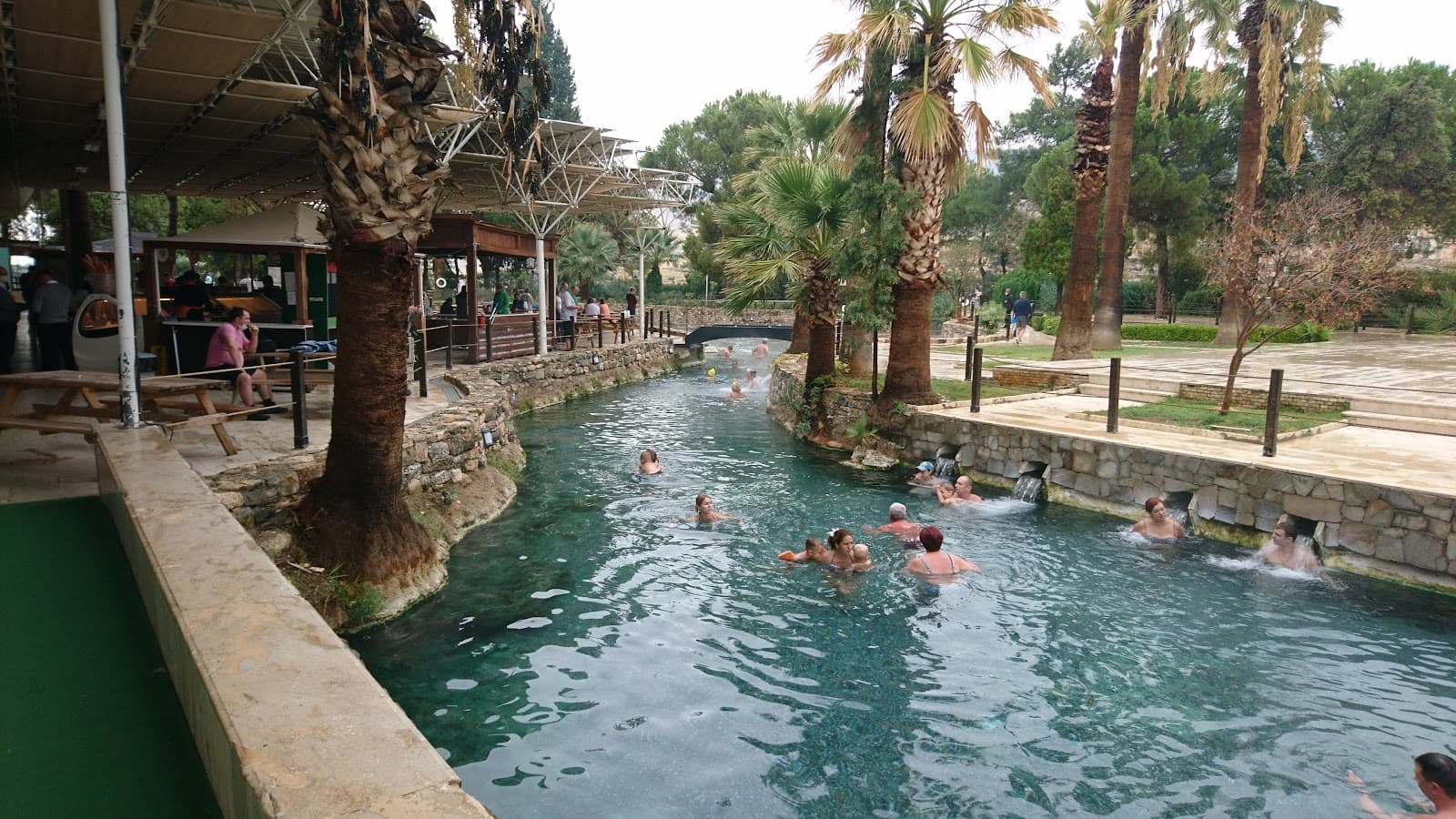
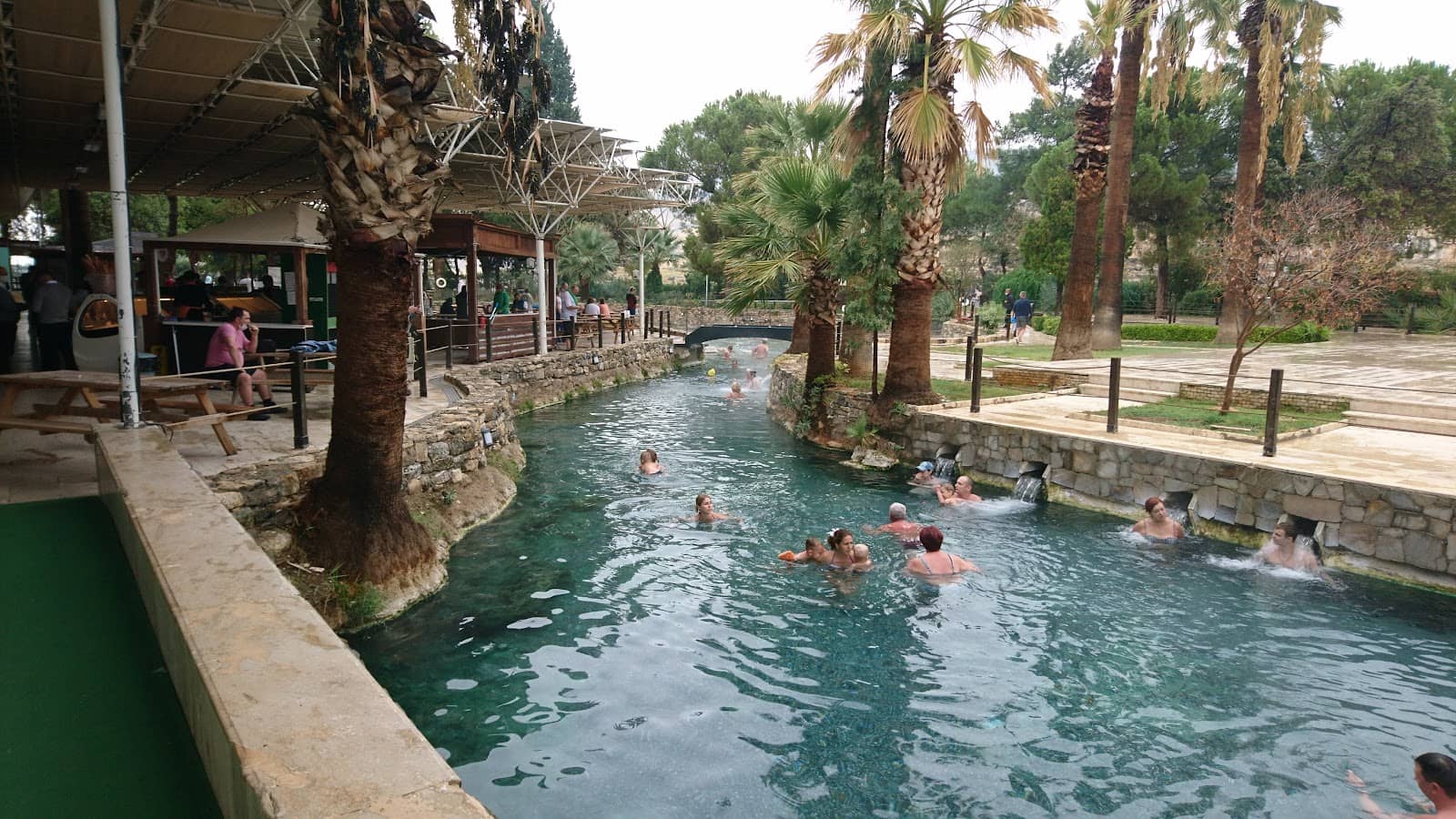
Cleopatra Antique Pool
Hierapolis Ancient City
Swim among ancient Roman columns in warm, therapeutic waters. A surreal historical experience.
Hierapolis Ancient City
Above the Travertines
Explore well-preserved ruins of a Greco-Roman city, including a vast amphitheater and necropolis.
Plans like a pro.
Thinks like you
Planning Your Visit
Beat the Crowds for the Best Views
Footwear and Access
Best Times
Insider Tips
from TikTok, Instagram & Reddit
🌅 Go Early to Avoid Crowds
Sunrise is the best time to see Pamukkale with minimal people.
👣 Barefoot on the Terraces
You must remove your shoes to protect the delicate travertine formations.
🏊♀️ Swim in Cleopatra's Pool
A unique experience to swim in warm, mineral-rich waters surrounded by ancient ruins.
💧 Bring Water & Sun Protection
It can get hot, especially in summer. Stay hydrated and protected from the sun.
Tips
from all over the internet
🌅 Go Early to Avoid Crowds
Sunrise is the best time to see Pamukkale with minimal people.
👣 Barefoot on the Terraces
You must remove your shoes to protect the delicate travertine formations.
🏊♀️ Swim in Cleopatra's Pool
A unique experience to swim in warm, mineral-rich waters surrounded by ancient ruins.
💧 Bring Water & Sun Protection
It can get hot, especially in summer. Stay hydrated and protected from the sun.
📸 Capture the 'Social Media vs Reality'
Be prepared for crowds, especially during peak times.
What Travellers Say
Reviews Summary
Pamukkale is widely praised for its breathtaking natural beauty, with the white travertines and the historical Cleopatra Pool being major highlights. Visitors often find the ancient city of Hierapolis fascinating. However, some find the experience can be crowded, and the 'social media vs. reality' aspect is noted, especially regarding the number of people on the terraces.
What People Like
What People Dislike
Frequently Asked Questions
🚇 🗺️ Getting There
The most common way is to fly from Istanbul to Denizli Çardak Airport (DNZ), then take a shuttle bus or taxi to Pamukkale town (about 1 hour). Alternatively, overnight buses are available but take longer.
Yes, Pamukkale is accessible by car. There are parking areas available near the entrance. The drive from major cities like Antalya or Izmir is scenic.
Buses are a popular option, taking around 3-4 hours. You can also rent a car for more flexibility.
Many tour operators offer day trips or multi-day tours from popular tourist hubs like Antalya, Fethiye, and Istanbul. These can be convenient if you prefer not to arrange transport yourself.
Denizli Çardak Airport (DNZ) is the closest airport, approximately 65 km away. From there, you can take a shuttle or taxi to Pamukkale.
🎫 🎫 Tickets & Entry
Entrance fees can vary, but typically include access to the travertines and Hierapolis. It's advisable to check the official website or local tourist information for the most current pricing.
Pamukkale is generally open year-round, with extended hours during the summer months. The travertines are accessible for longer periods than the Hierapolis museum.
While not always mandatory, buying tickets in advance can save time, especially during peak season. You can often purchase them online or at the entrance.
The Cleopatra Antique Pool usually requires a separate entrance fee in addition to the main Pamukkale ticket.
While the main site may close at a certain time, the illuminated terraces can sometimes be viewed from designated viewpoints after dark, offering a different perspective.
🎫 🏞️ Onsite Experience
Wear comfortable clothing and shoes that are easy to remove, as you'll be walking barefoot on the terraces. Swimwear is essential for the Cleopatra Pool.
Swimming is not allowed in the natural travertine pools to preserve them. However, you can swim in the designated Cleopatra Antique Pool.
Hierapolis boasts an impressive ancient city, including a well-preserved theater, a vast necropolis, and the Martyrium of St. Philip.
Allocate at least 3-4 hours to explore the travertines and Hierapolis. If you plan to swim in the Cleopatra Pool, add extra time.
Yes, there are restrooms and changing facilities available, particularly near the entrance and the Cleopatra Pool.
🍽️ 🍽️ Food & Dining
Yes, the town of Pamukkale offers various restaurants and cafes serving local Turkish cuisine.
You can find traditional Turkish dishes, including kebabs, mezes, and fresh seafood. Don't miss trying local specialties.
There are limited food and drink options directly within the archaeological site, so it's advisable to bring snacks or plan to eat in the town.
Prices are generally reasonable, especially if you venture slightly away from the main tourist strip.
Bringing your own water and snacks is generally permitted, which can be a cost-effective option.
📸 📸 Photography
Early morning, especially around sunrise, offers the best light and fewest crowds for stunning photographs. Late afternoon also provides beautiful golden hour light.
Drone usage is typically restricted in protected natural and archaeological sites. It's best to check local regulations before flying.
The cascading travertines, the ancient amphitheater of Hierapolis, and the Cleopatra Pool with its submerged columns are all highly photogenic.
Yes, you can take photos in the Cleopatra Pool, but be mindful of other swimmers and the historical surroundings.
A wide-angle lens is great for capturing the expansive landscapes. A polarizing filter can help reduce glare on the water and enhance colors.
For Different Travelers
Tailored advice for your travel style
👨👩👧 Families with Kids
Practical tips for families: Bring plenty of water and snacks, as options within the site can be limited and pricier. Comfortable, easy-to-remove shoes are a must for navigating the terraces. Consider visiting during the cooler parts of the day or off-season to avoid extreme heat and large crowds, making the experience more enjoyable for everyone.
💰 Budget Travelers
While the Cleopatra Pool has an additional fee, exploring the main travertines and Hierapolis offers immense value for the entrance ticket. Visiting during the shoulder seasons (spring or autumn) can also lead to lower accommodation and transport costs compared to the peak summer months.
📸 Photography Enthusiasts
Don't miss the Cleopatra Antique Pool for unique shots of ancient columns submerged in warm, inviting water.
Deep Dives
In-depth insights and expert knowledge
The Geology and History of Pamukkale
The ancient city of Hierapolis was founded as a thermal spa town in the 2nd century BC by the Attalid dynasty of Pergamon. It flourished under Roman rule, becoming a significant center for health and religious activities. The city's strategic location and abundant hot springs contributed to its prosperity. Today, visitors can explore the remarkably well-preserved ruins, including a vast amphitheater capable of seating thousands, a sprawling necropolis with sarcophagi, and the remnants of temples and public baths.
The Cleopatra Antique Pool, also known as the Hierapolis Antique Pool, is a highlight for many visitors. Legend has it that Cleopatra herself bathed in these warm, mineral-rich waters. While the historical accuracy is debated, the pool offers a unique opportunity to swim amongst submerged Roman columns and artifacts, providing a surreal blend of history and relaxation. The water temperature remains constant year-round, making it an appealing spot regardless of the season.
Experiencing the Travertines: What to Expect
While the visual spectacle is undeniable, it's important to manage expectations. As seen in some social media content, the reality can involve more crowds than initially anticipated, especially during peak hours and seasons.
Beyond the main terraces, exploring the ancient city of Hierapolis offers a deeper dive into the region's history. The archaeological site includes a magnificent Roman theater, a vast necropolis, and various other structures that speak to the city's past grandeur. Combining a visit to the travertines with an exploration of Hierapolis provides a comprehensive and enriching experience of Pamukkale.
Social
from TikTok, Instagram & Reddit