Lausanne Monument and Museum
A powerful monument and museum in Edirne commemorating the Lausanne Treaty, which defined Turkey's modern borders and symbolized peace.

Highlights
Must-see attractions

Social
From TikTok & Reddit
Best Time
Pleasant weather for exploring
Lausanne Monument and Museum
Best Time
Pleasant weather for exploring
Highlights
Must-see attractions
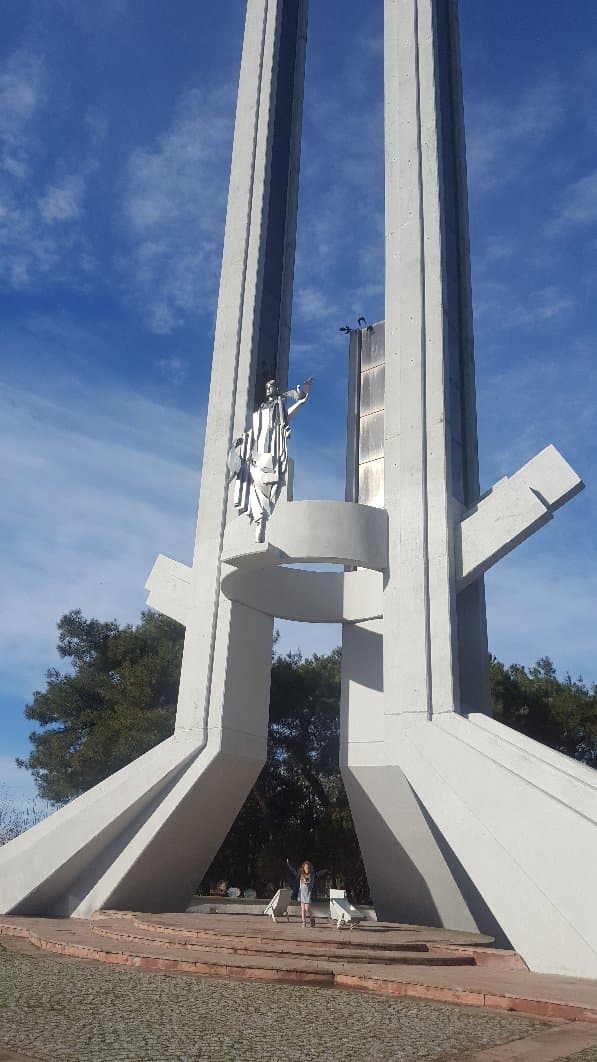
A powerful monument and museum in Edirne commemorating the Lausanne Treaty, which defined Turkey's modern borders and symbolized peace.
"A great, well designed and executed monument to celebrate the treaty of Lausanne which defines Turkey's borders today."
🚗 Explore Karaağaç
Wander through Karaağaç neighborhood, part of Turkey due to the treaty.
🏛️ Visit the Museum
Don't miss the museum for treaty documents and İnönü's belongings.
Highlights
Discover the most iconic attractions and experiences
Lausanne Peace Treaty Monument
Karaağaç, Edirne
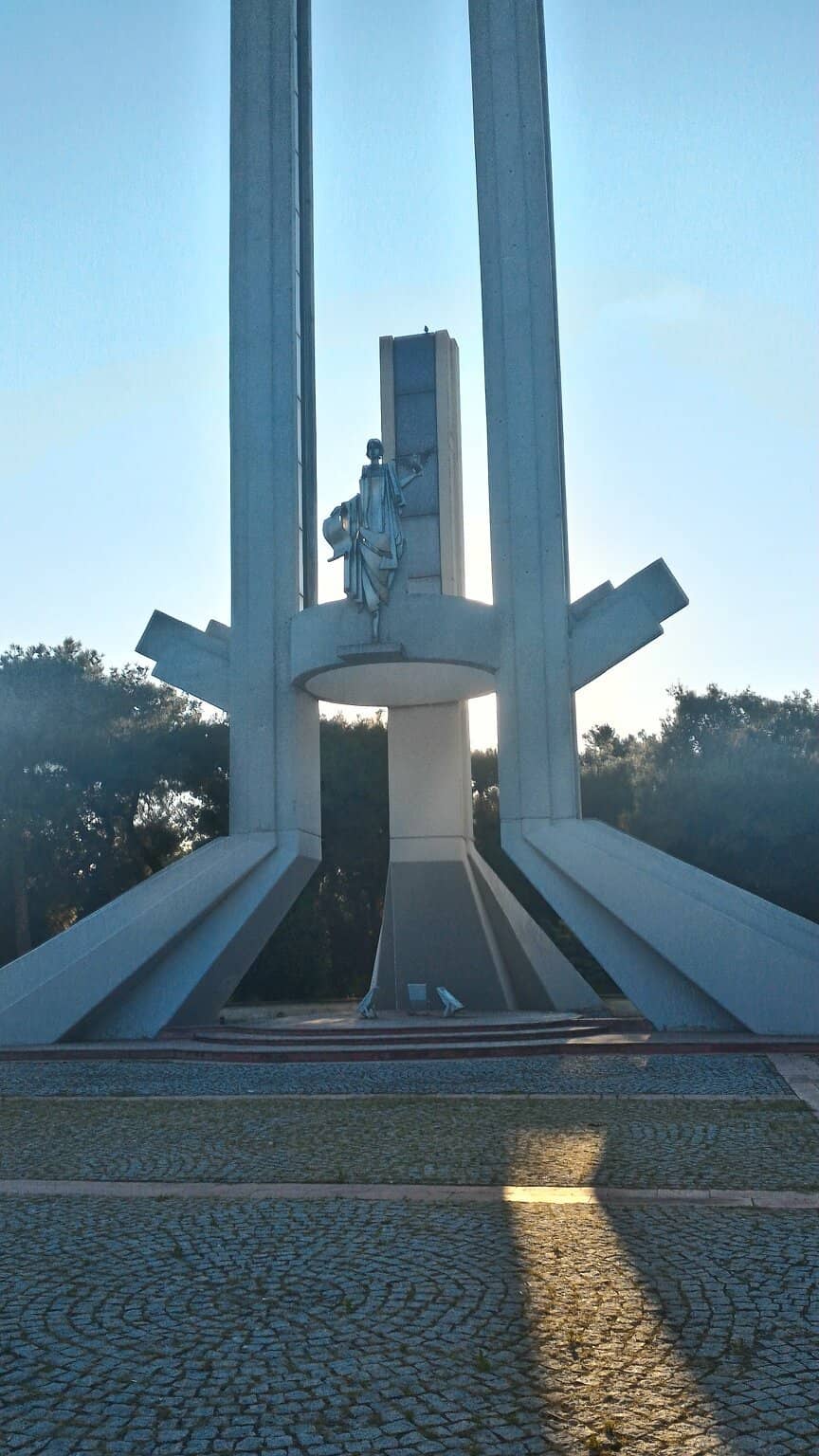
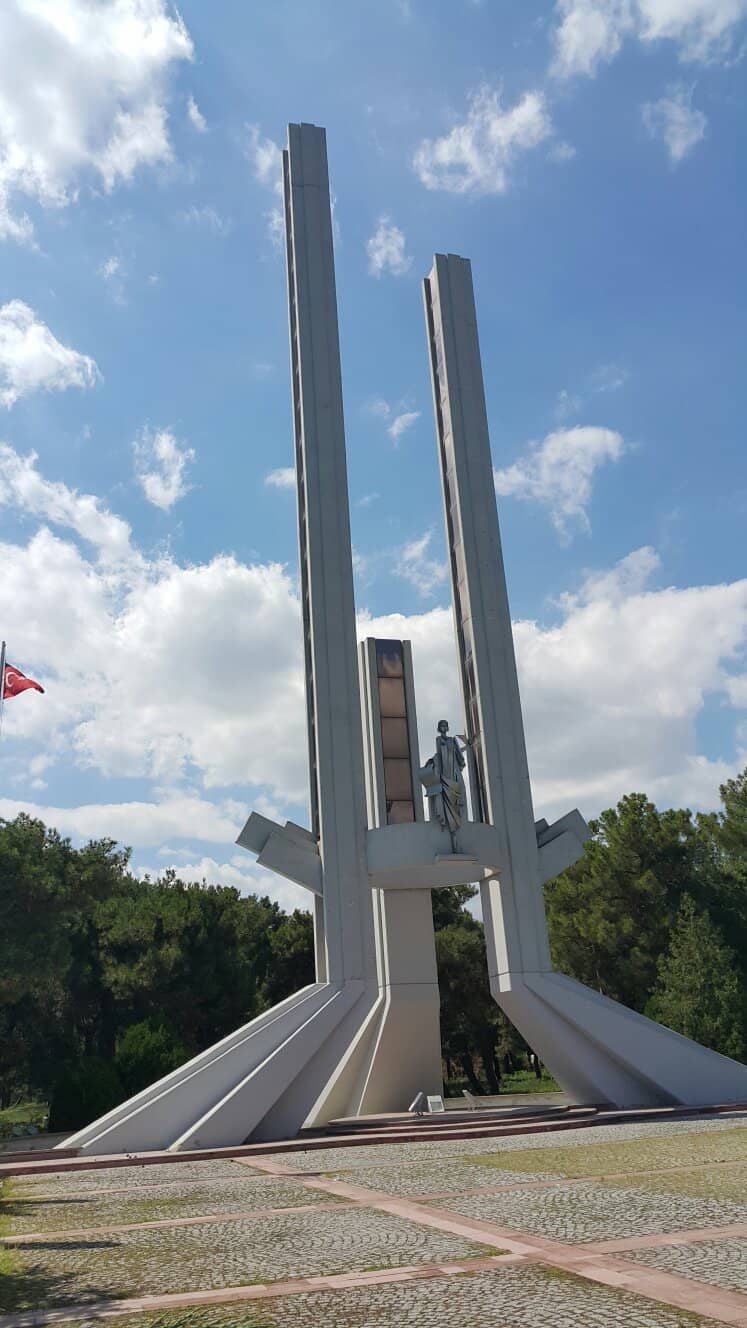
Three concrete columns symbolizing Anatolia, Thrace, and Karaağaç, connected by a ring of unity.

Statue of Peace and Democracy
On top of the monument's ring
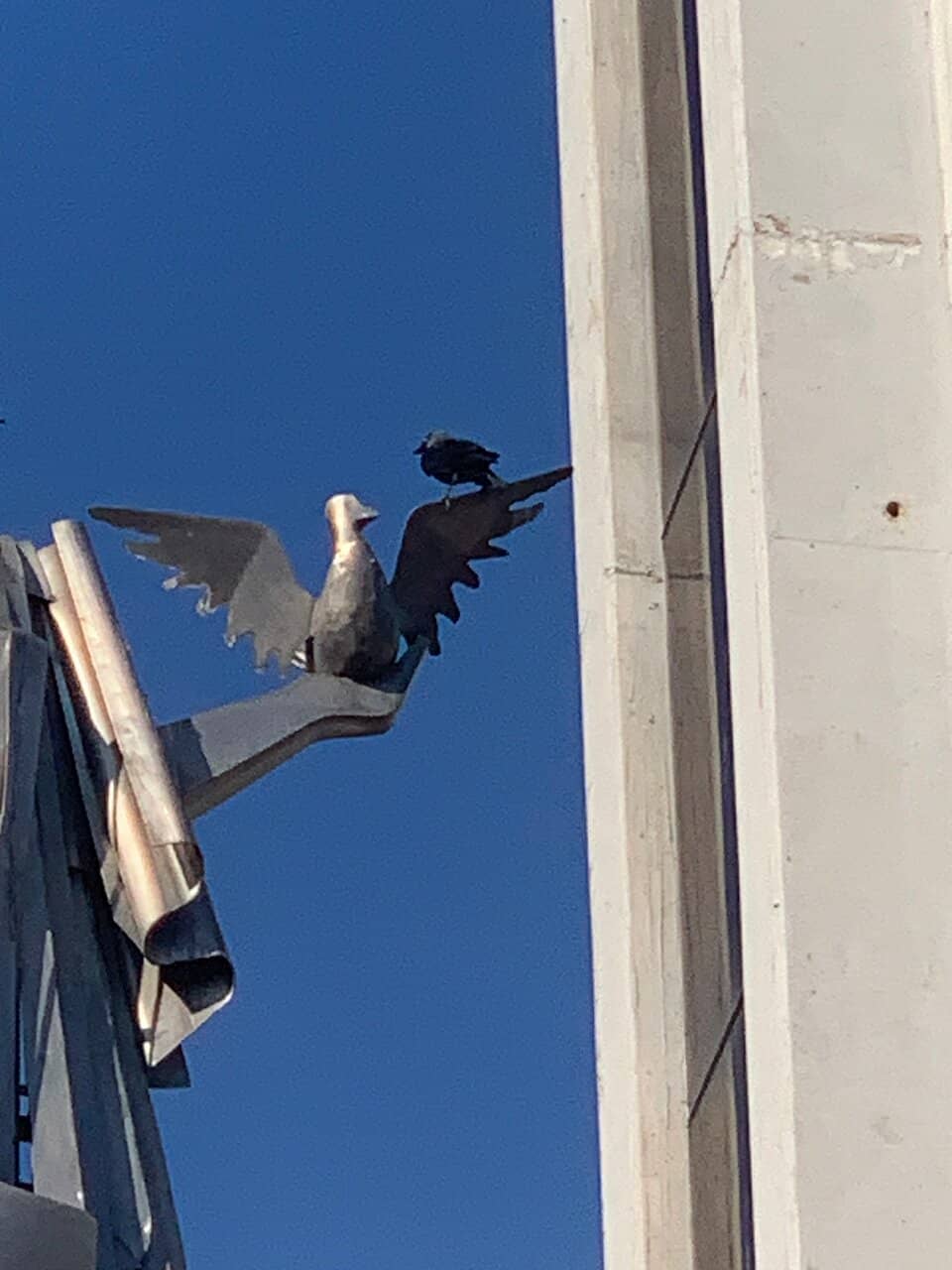
A young woman holding a dove for peace and documents representing the treaty.
Lausanne Treaty Museum
Adjacent to the monument
Exhibits documents, photographs, and personal items related to the treaty and İsmet İnönü.
Plans like a pro.
Thinks like you
Planning Your Visit
Understand the Treaty's Significance
Location and Accessibility
Best Times
Insider Tips
from TikTok, Instagram & Reddit
🚗 Explore Karaağaç
Wander through Karaağaç neighborhood, part of Turkey due to the treaty.
🏛️ Visit the Museum
Don't miss the museum for treaty documents and İnönü's belongings.
🕊️ Reflect on Peace
The monument symbolizes peace and democracy, a powerful message.
📸 Capture the Symbolism
The concrete columns and ring represent unity and Turkey's geography.
Tips
from all over the internet
🚗 Explore Karaağaç
Wander through Karaağaç neighborhood, part of Turkey due to the treaty.
🏛️ Visit the Museum
Don't miss the museum for treaty documents and İnönü's belongings.
🕊️ Reflect on Peace
The monument symbolizes peace and democracy, a powerful message.
📸 Capture the Symbolism
The concrete columns and ring represent unity and Turkey's geography.
What Travellers Say
Reviews Summary
Visitors find the Lausanne Peace Treaty Monument a well-designed and significant landmark commemorating a crucial moment in Turkish history. The adjacent museum provides valuable context with documents and artifacts. While some may find the treaty's implications debated, its role in defining Turkey's borders is undeniable.
"A great, well designed and executed monument to celebrate the treaty of Lausanne which defines Turkey's borders today. Situated right next to the historical train and station, it's a great visit."
Lucian Rajah
"The concrete circle symbolizes unity, the young girl figure symbolizes aesthetics, elegance and law, the dove in the girl's hand symbolizes peace and democracy, and the document in her other hand symbolizes the Treaty of Lausanne. The Lausanne Treaty next to the monument"
baran avci
"A symbol of long lasting war and its end. The treaty means peace for me though many in the country criticizes it. Its on the Karaagac town, the only piece of land west of the River Meric which constitutes the border between Greece and Turkey."
Mustafa Y.
What People Like
What People Dislike
Frequently Asked Questions
🚇 🗺️ Getting There
The monument is located in Karaağaç, west of the Meriç River. You can take a local bus or a taxi from Edirne city center to reach the Karaağaç neighborhood and the former train station area where the monument and museum are situated.
Yes, local buses frequently run from Edirne to Karaağaç, making it accessible via public transport. It's a short ride from the city center.
Karaağaç is best reached by local dolmuş (minibus) or taxi from Edirne. The journey is short and offers views of the Meriç River.
There is usually parking available near the former train station and around the monument area, especially during off-peak hours.
While possible, it's a considerable walk across the Meriç River. Taking a bus or taxi is more convenient and recommended.
🎫 🎫 Tickets & Entry
The monument itself is an outdoor public space and generally free to visit. The adjacent museum may have an admission fee.
Museum hours can vary, but it's typically open during daytime hours. It's advisable to check locally or online for the most current schedule before your visit.
There is usually a small entrance fee for the museum. It's a worthwhile expense to see the historical artifacts.
Yes, both the monument and the museum are generally accessible on weekends, though museum hours might differ.
It's always a good idea to check for any national holidays or local events that might affect opening hours or cause temporary closures.
🎫 🏛️ Onsite Experience
The monument's three columns represent Anatolia, Thrace, and Karaağaç, connected by a ring symbolizing unity. The statue of a woman with a dove and documents signifies peace, democracy, and the treaty itself.
The museum displays documents, photographs, and personal belongings of İsmet İnönü, offering a detailed look at the historical context and significance of the Lausanne Treaty.
Allow at least 1-2 hours to fully appreciate the monument's symbolism and explore the museum's exhibits.
Basic amenities might be available near the former train station area, but it's advisable to use facilities before arriving or be prepared for limited options.
Yes, the monument's unique design and the surrounding historical context offer excellent photographic opportunities, especially during golden hour.
🎫 🌳 Surroundings & Nearby
Karaağaç itself is a historically significant neighborhood, being the only Turkish territory west of the Meriç River. Exploring its streets offers a glimpse into its unique status.
The Lausanne Monument is a short drive or bus ride from the city center where Selimiye Mosque is located. It's easily combinable with other Edirne sightseeing. +1
Yes, the monument is situated near the Meriç River, which forms part of the border between Turkey and Greece.
While Karaağaç is more residential, you can find local eateries or return to Edirne city center for a wider selection of restaurants.
Karaağaç became part of Turkey through the Lausanne Treaty, making it a unique geographical and historical area.
For Different Travelers
Tailored advice for your travel style
👨👩👧 Families with Kids
It's a good opportunity to introduce children to important historical events in a visual and accessible way. The open area allows for some freedom of movement, but supervision is always recommended. The nearby Meriç River could also be a point of interest, though access and safety should be considered.
🏛️ History Buffs
Take your time to absorb the symbolism of the monument and delve into the exhibits within the museum. The historical context of Karaağaç as a unique territorial acquisition further enriches the experience. This destination offers a profound connection to the past and a deeper understanding of Turkey's geopolitical formation.
📸 Photographers
Consider visiting during the golden hours of sunrise or sunset for dramatic lighting that enhances the monument's texture and form. The surrounding park and the proximity to the Meriç River also offer additional scenic opportunities. The historical context of the site adds a layer of narrative to your photographic work.
Deep Dives
In-depth insights and expert knowledge
The Lausanne Peace Treaty: A Cornerstone of Modern Turkey
The treaty's implications were far-reaching. It settled disputes over territories, population exchanges, and the status of the Straits. For Turkey, it marked the culmination of its War of Independence and the birth of a modern, secular nation-state. The monument’s design, with its symbolic elements, aims to convey the spirit of unity, peace, and the hard-won sovereignty that the treaty represents.
Visiting the Lausanne Treaty Museum provides a deeper understanding of the negotiations and the individuals involved, most notably İsmet İnönü, the chief Turkish negotiator. The museum's collection of documents, photographs, and personal artifacts offers a tangible connection to this significant historical period, making the visit both educational and emotionally resonant.
Symbolism in Stone: Decoding the Monument's Design
These columns are unified by a circular concrete ring, representing the unity and solidarity of the Turkish Republic. Perched atop this ring is a 4.20-meter-tall statue of a young woman. In one hand, she holds a dove, a universal symbol of peace and democracy, while in the other, she clutches documents, embodying the Lausanne Treaty itself. This central figure encapsulates the aspirations and achievements secured by the treaty.
Surrounding the monument's base is a semi-circular pool, 15 meters in diameter, which represents the seas that embrace Turkey on three sides. This design choice further emphasizes the nation's geography and its connection to the maritime world. The entire structure is a carefully crafted narrative in concrete, inviting visitors to reflect on the historical significance and the enduring values it represents.
Karaağaç: A Unique Historical Enclave
Before the treaty, Karaağaç was part of Greece. Its transfer to Turkey was a significant outcome of the negotiations, solidifying the border along the Meriç River. The presence of the former Edirne train station in Karaağaç also highlights its historical importance as a former transportation hub connecting regions. Visiting Karaağaç offers a tangible connection to the territorial adjustments made by the treaty.
Today, Karaağaç is a quiet neighborhood that retains a sense of its historical significance. Exploring its streets, including the area around the monument and the old station, provides a deeper appreciation for the historical context of the Lausanne Treaty and its lasting impact on the region's borders and identity.


Social
from TikTok, Instagram & Reddit