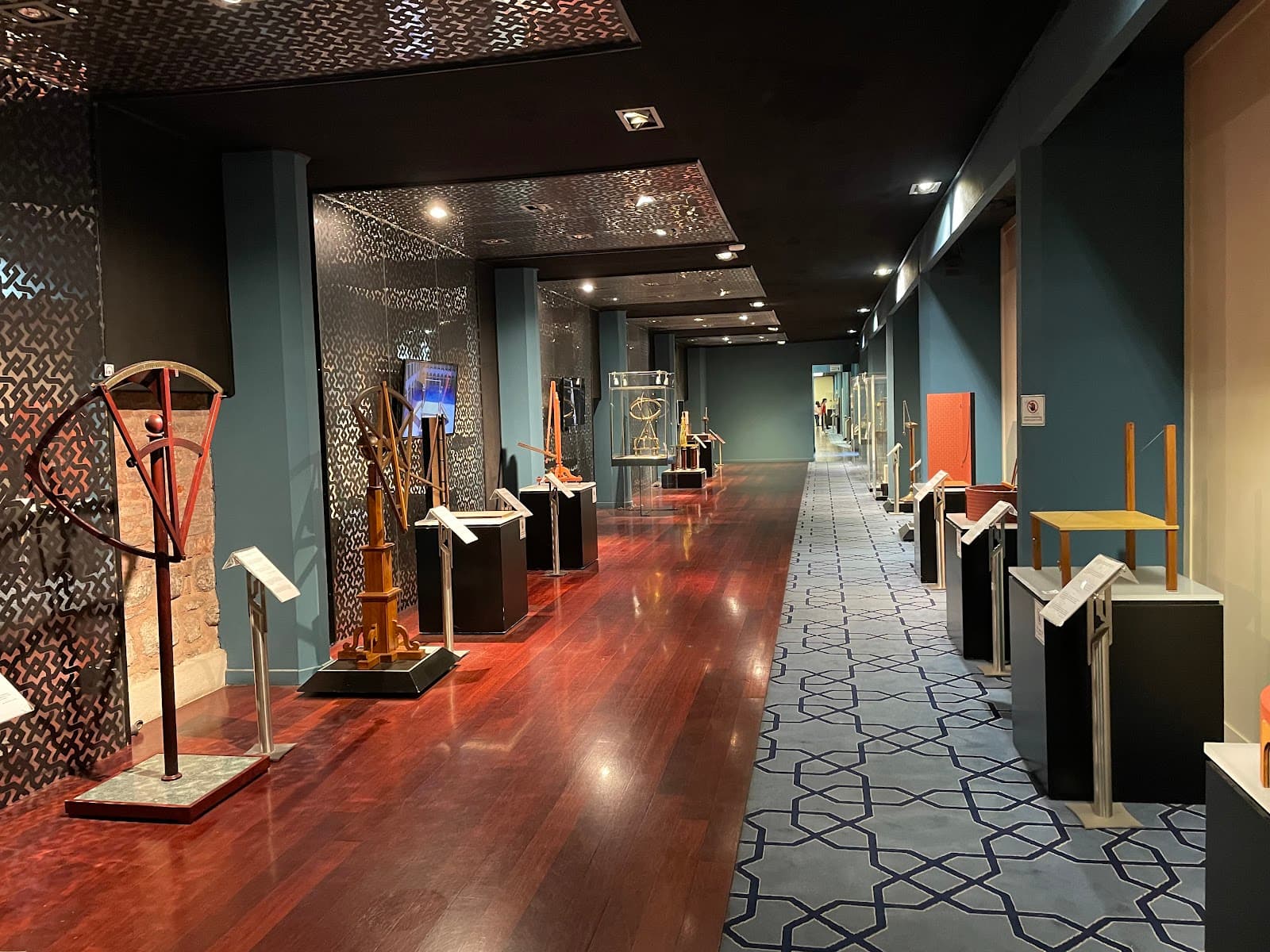
Istanbul Museum of the History of Science and Technology in Islam
Explore centuries of Islamic scientific and technological innovation through detailed replicas in a historic Istanbul park setting.
Highlights
Must-see attractions

Social
From TikTok & Reddit
Best Time
Fewer crowds, more focus
Istanbul Museum of the History of Science and Technology in Islam
Best Time
Fewer crowds, more focus
Highlights
Must-see attractions
Explore centuries of Islamic scientific and technological innovation through detailed replicas in a historic Istanbul park setting. +1
"Inspiring exhibits on Islamic science and technology, though some find it lacks interactive engagement. +1"
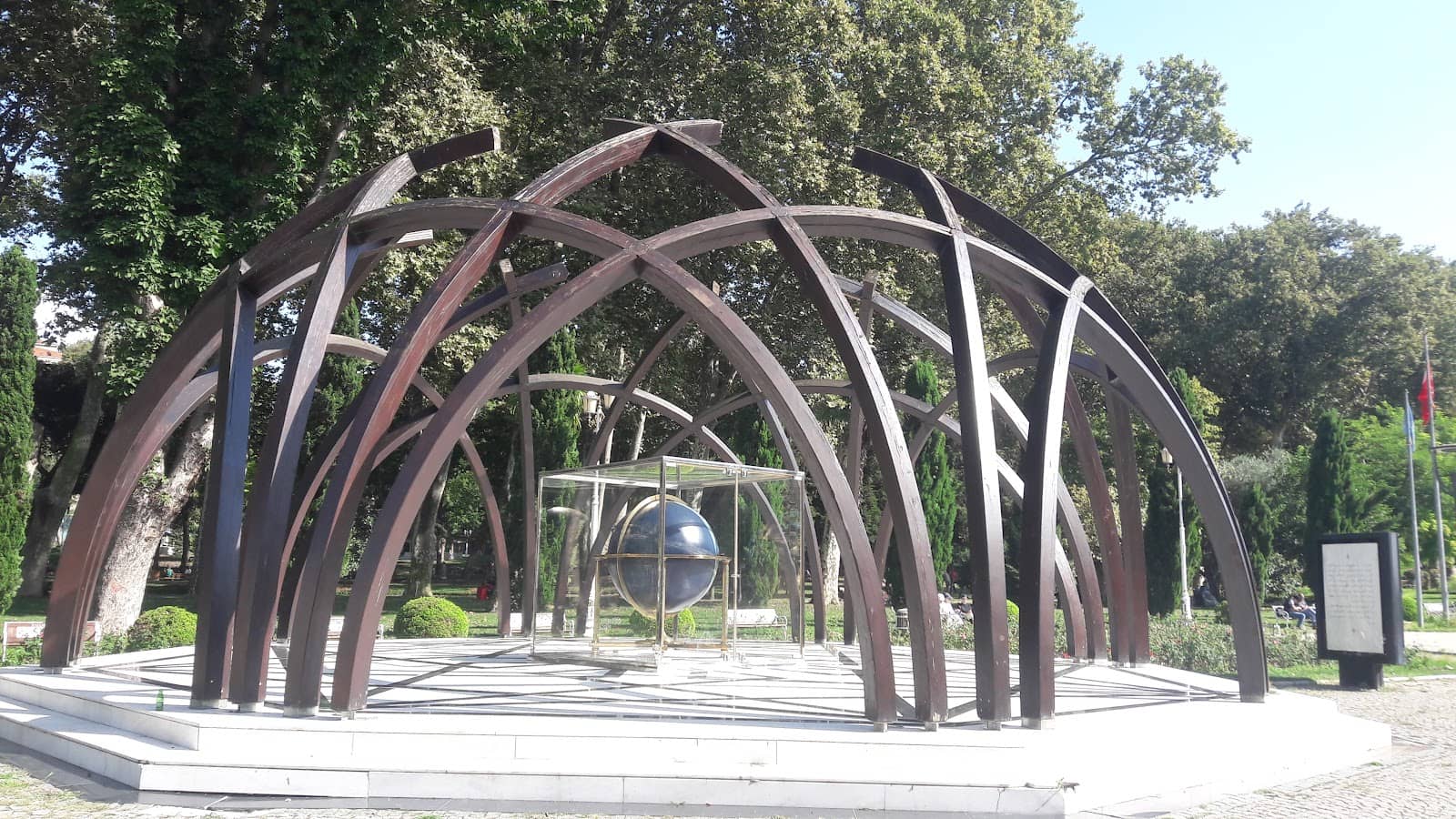
⏳ Allow ample time
The museum is large with much to read; plan for up to 2 hours to fully explore. :clock:
🎧 Consider an audio guide
Enhance understanding of exhibits with an audio guide for deeper context. :microphone:
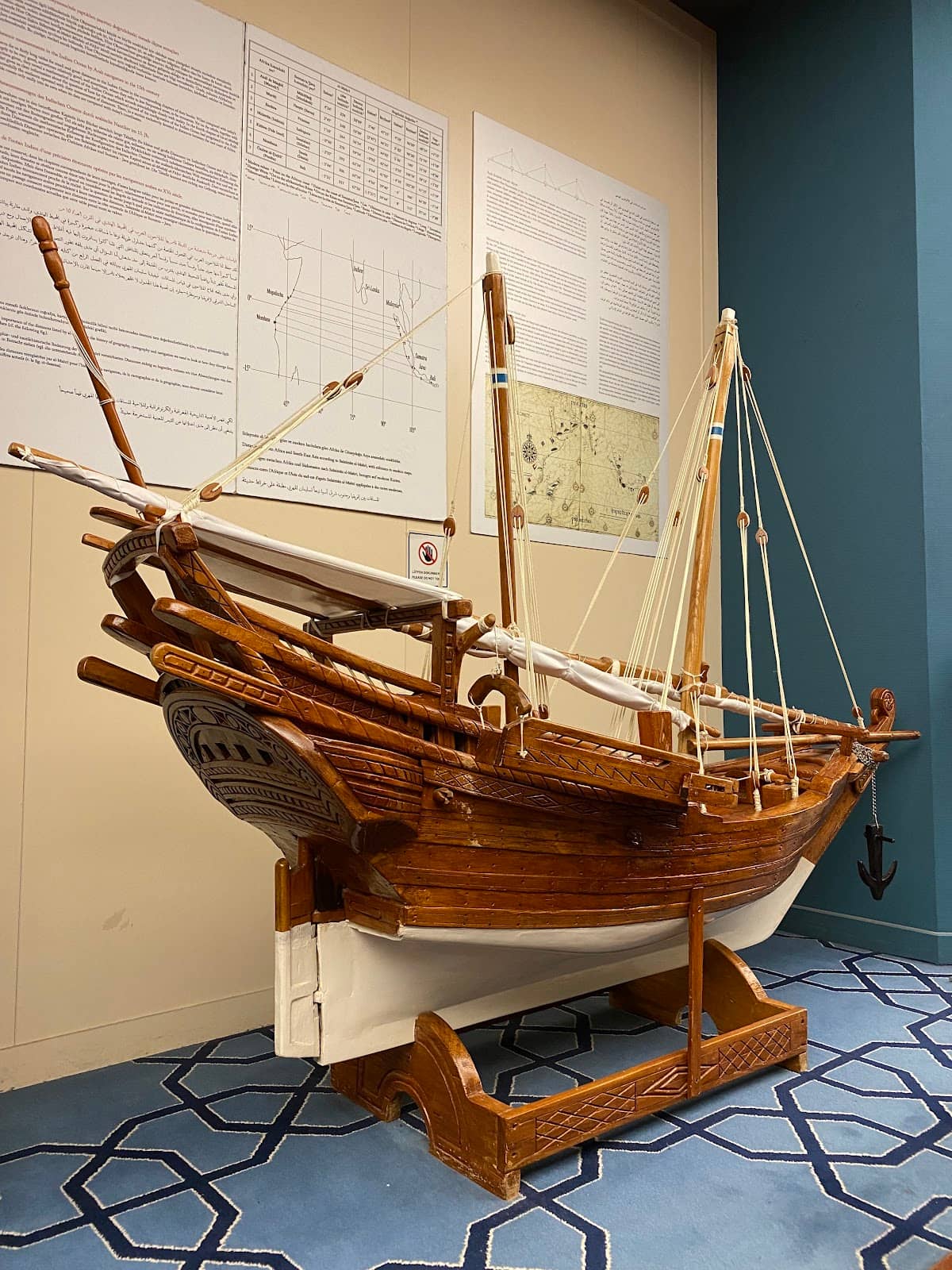
Highlights
Discover the most iconic attractions and experiences
Islamic Scientific Instruments
Throughout the museum
Explore intricate replicas of astrolabes, water clocks, and medical tools from the 9th to 16th centuries.
Models of Famous Mosques
Architecture section
Marvel at detailed models of major mosques, showcasing architectural similarities and historical depth.
War Technology Replicas
War technology section
Discover impressive models of historical siege engines, including trebuchets, offering a glimpse into medieval warfare.
Plans like a pro.
Thinks like you
Planning Your Visit
Timing is Key for a Deeper Dive
Enhance Your Visit with Context
Best Times
Insider Tips
from TikTok, Instagram & Reddit
⏳ Allow ample time
The museum is large with much to read; plan for up to 2 hours to fully explore. :clock:
🎧 Consider an audio guide
Enhance understanding of exhibits with an audio guide for deeper context. :microphone:
🧐 Look for the trebuchet
Don't miss the detailed trebuchet miniature, a highlight for many visitors. :rocket:
📸 Capture historical details
Take your time to photograph the intricate models and scientific instruments. :camerawithflash:
Tips
from all over the internet
⏳ Allow ample time
The museum is large with much to read; plan for up to 2 hours to fully explore. :clock:
🎧 Consider an audio guide
Enhance understanding of exhibits with an audio guide for deeper context. :microphone:
🧐 Look for the trebuchet
Don't miss the detailed trebuchet miniature, a highlight for many visitors. :rocket:
📸 Capture historical details
Take your time to photograph the intricate models and scientific instruments. :camerawithflash:
💡 Research beforehand
Understanding Islamic contributions to science enriches the museum experience. :bulb:
What Travellers Say
Reviews Summary
This museum showcases impressive replicas of Islamic scientific and technological achievements, offering an inspiring look at historical innovation. However, many visitors find it lacks interactive elements and engaging curation, leading to a less dynamic experience than anticipated. +1
"I really wanted to give it 5 stars but couldn’t. I like these kind of museums, but this was one was boring! No interactive experience, just walking around with labels difficult to read, even the employees seem very bored working here! The concept is great, the location is also good, but definitely needs more innovation."
Ali AlMusawi
"I usually enjoy these types of museums, but unfortunately this museum wasn’t that great, in fact it’s a spoiled opportunity. I usually enjoy the history of science, engineering and science, and have a blind spot for the history of science during the ottoman era. I thought this would be an enlightening and interesting experience. The objects itself are replicas and I don’t mind that, what I mind is the lack of curation and interactive elements. It’s a listing of different objects in different fields of the sciences, but what did the objects solve, what are the actual contributions and how did they work? We went through the exhibition using the provided audio guide.
It’s such a pity, this could be really really interesting, but unfortunately it does not feed into the curious and learning mind."
Ola Løvholm
"The Museum of the History of Science and Technology in Islam displays various scientific and technological instruments invented by Muslim scholars between the 9th and 16th centuries. The museum consists of 12 sections: astronomy, navigation, war technology, medicine, mining, physics, mathematics and geometry, architecture, chemistry and optics, and geography."
Ahmed Al-Akki
What People Like
What People Dislike
Frequently Asked Questions
🚇 🗺️ Getting There
The museum is located within Gülhane Park in Istanbul. You can reach it by public transport, including trams and buses, which frequently serve the Sultanahmet area. It's a pleasant walk from major historical sites like Hagia Sophia and the Blue Mosque.
Yes, the museum is well-connected by Istanbul's public transport network. The nearest tram stop is Gülhane, making it very convenient to access.
From Taksim Square, you can take the F1 Funicular to Kabataş, then transfer to the T1 tram line towards Bağcılar and alight at the Gülhane stop.
While there isn't dedicated parking directly at the museum, there are several public parking lots in the Sultanahmet area. However, using public transport is generally recommended due to traffic and parking availability.
Absolutely! The museum is situated in a prime location within Gülhane Park, making it a walkable distance from Topkapi Palace, Hagia Sophia, and the Blue Mosque.
🎫 🎫 Tickets & Entry
The museum is typically open from Tuesday to Sunday, from 9:00 AM to 6:00 PM. It is closed on Mondays. Always check the official website for the most up-to-date hours.
The entry fee is generally around 50 Turkish Lira (TL), which is approximately 2.48 GBP. Museum Pass Istanbul may also be accepted.
While specific discounts aren't always advertised, students, seniors, and children might be eligible for reduced rates. It's advisable to inquire at the ticket counter or check the museum's official website.
Yes, the Museum Pass Istanbul is generally accepted at the Museum of the History of Science and Technology in Islam, offering convenient access.
While online ticket purchasing options may vary, it's often recommended to buy tickets at the museum to avoid potential issues. However, checking the official website for current booking procedures is advised.
🎫 🧭 Onsite Experience
The museum displays replicas of scientific and technological instruments from Muslim scholars between the 9th and 16th centuries, covering astronomy, medicine, war technology, and more.
Unfortunately, many visitors find the museum lacks interactive elements, focusing more on static displays and labels that can be difficult to read. +1
A visit can take anywhere from 1 to 2 hours, depending on your interest level and how much time you spend reading the descriptions and taking photos.
Exhibits typically have labels in Turkish and English, but some visitors have noted that the English labels can be difficult to read.
Yes, an audio guide is available and can enhance your understanding of the historical context and scientific contributions.
📸 📸 Photography
Photography is generally allowed inside the museum, but it's always a good idea to check for any specific restrictions on flash photography or certain exhibits.
The detailed models of mosques and the intricate scientific instruments, like astrolabes and water clocks, are particularly photogenic.
The miniature trebuchet and the mosque models are often highlighted as must-photograph items for their detail and historical significance. +1
If you're interested in the historical details and craftsmanship, taking photos can help you remember the exhibits. However, some find the lack of interactivity makes extensive photography less compelling.
The museum generally has adequate lighting for photography, but it's advisable to use a camera with good low-light performance or to avoid flash if it's not permitted.
For Different Travelers
Tailored advice for your travel style
👨👩👧 Families with Kids
Bringing an audio guide or preparing some simple facts about Islamic inventions beforehand can help make the visit more dynamic for kids. The Gülhane Park setting also offers a great space for children to play and burn off energy before or after the museum visit.
🤓 History & Science Enthusiasts
Pay close attention to the architectural models and the war technology displays, which are often highlighted as particularly impressive.
🚶♀️ Solo Travelers & Couples
Consider using an audio guide to enrich your understanding and spark conversation about the scientific advancements.
Deep Dives
In-depth insights and expert knowledge
The Legacy of Professor Dr. Fuat Sezgin
Sezgin initially established a similar museum in Germany. However, due to governmental restrictions, many of his collected works could not be displayed there. This led to the establishment of the current museum in Istanbul, bringing these invaluable historical pieces to a wider audience and preserving a crucial part of scientific heritage.
His work aimed to correct historical narratives and highlight the scientific advancements made during the Islamic Golden Age, challenging the notion of a conflict between science and religion. The museum serves as a powerful educational tool, illustrating the depth and breadth of Islamic scholarship across various disciplines.
Exploring the Scientific Disciplines
Visitors can explore exhibits featuring replicas of instruments like astrolabes, sextants, and water clocks, which were crucial for navigation and timekeeping. The medical section showcases historical surgical tools and anatomical models, while the war technology displays feature miniatures of siege engines like trebuchets.
Each section provides a glimpse into the ingenuity and intellectual curiosity of scholars from the 9th to the 16th centuries. While the exhibits are primarily replicas, they offer a tangible connection to the past and highlight the foundational role of Islamic civilization in the development of modern science.
Location and Atmosphere
The museum is housed in former royal horse stables, adding a layer of historical charm to the experience. This unique architectural setting complements the historical nature of the exhibits, creating an immersive environment that transports visitors back in time.
While the concept and location are praised, some visitors note that the museum's atmosphere could be more engaging. The lack of interactive elements and the sometimes difficult-to-read labels can detract from the overall experience for some, despite the inspiring nature of the displayed scientific achievements.
Social
from TikTok, Instagram & Reddit