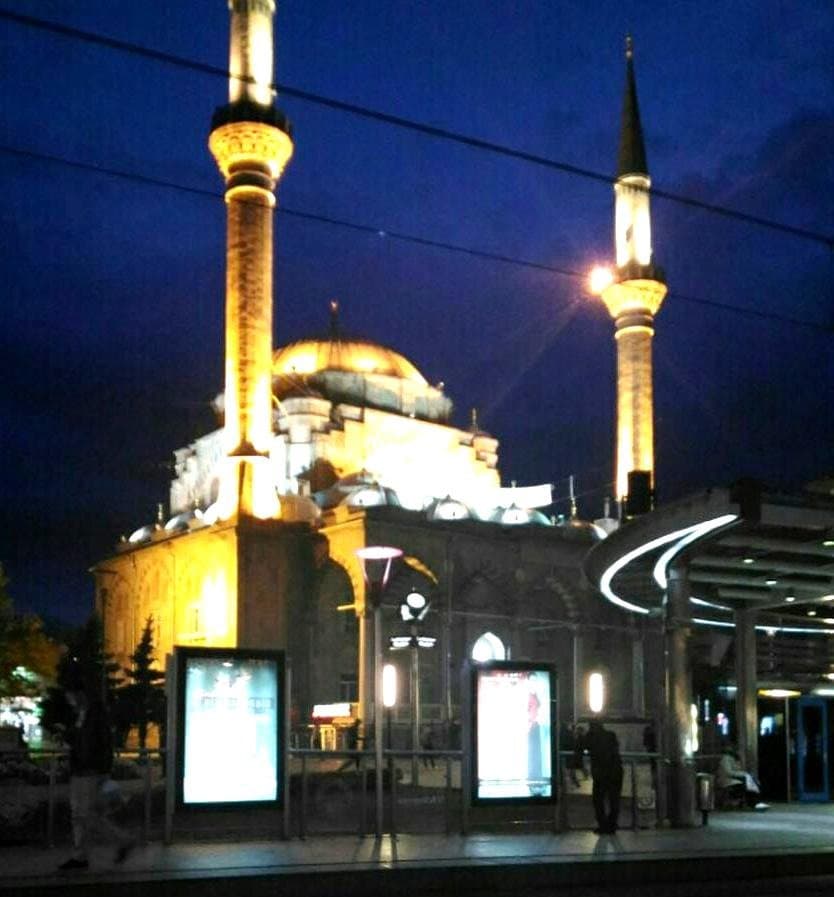
Hacı Kılıç Mosque and Medrese
A rare 13th-century Seljuk mosque and medrese complex, showcasing unique architectural integration and historical significance.
Highlights
Must-see attractions

Social
From TikTok & Reddit
Best Time
Access to interior
Hacı Kılıç Mosque and Medrese
Best Time
Access to interior
Highlights
Must-see attractions
A rare 13th-century Seljuk mosque and medrese complex, showcasing unique architectural integration and historical significance.
"A nice piece of Seljuk of Rum architecture, a historical mosque to perform peacefully prayers."
Check Prayer Times
The mosque is mainly accessible during prayer times. Confirm local schedules before your visit. :clock1:
Appreciate Seljuk Design
Note the unique integration of mosque and medrese, a rare architectural style. :building_construction:
Highlights
Discover the most iconic attractions and experiences
Seljuk Mosque Architecture
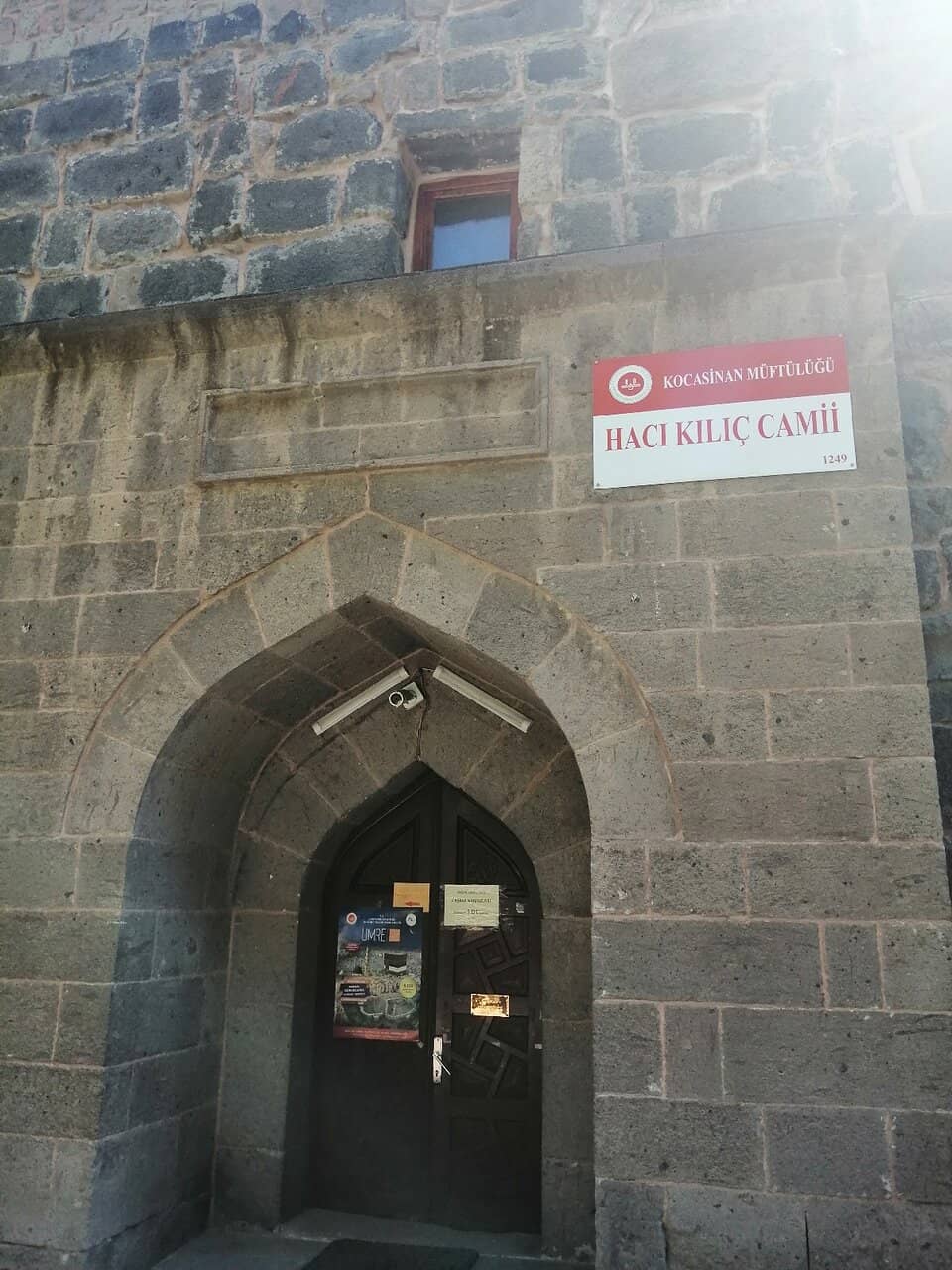
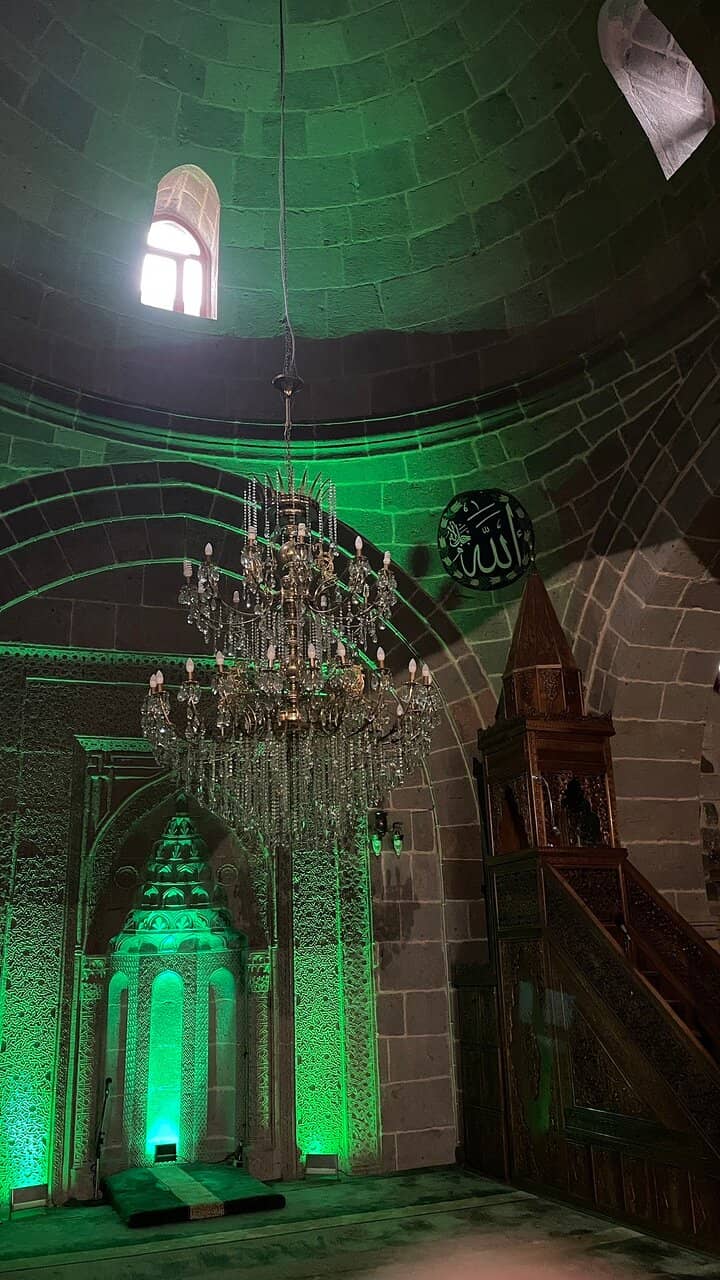
Admire the rare Seljuk mosque integrated with a medrese, showcasing a unique longitudinal plan.
Medrese Courtyard
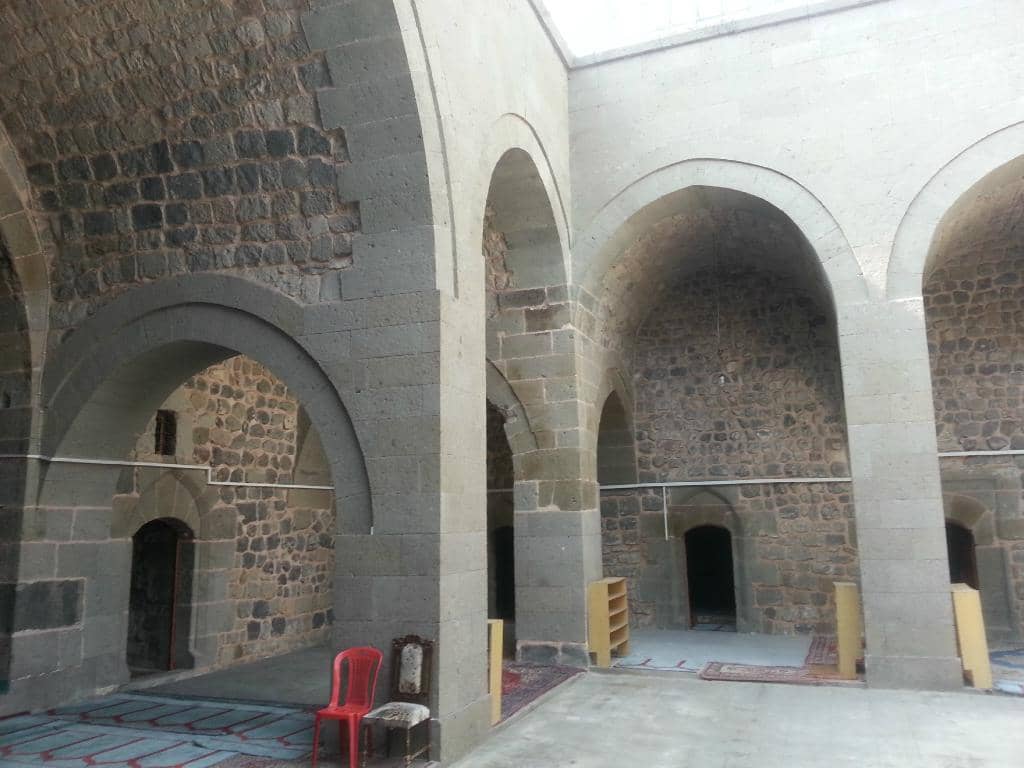
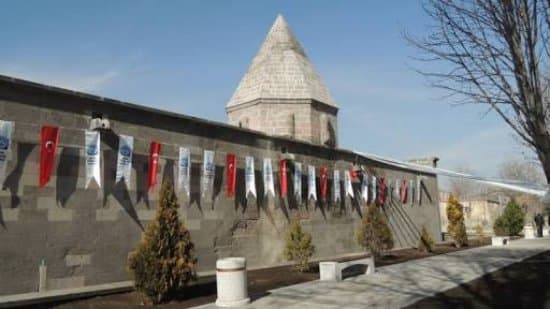
Explore the porticoed courtyard of the medrese, a key part of this historical complex.
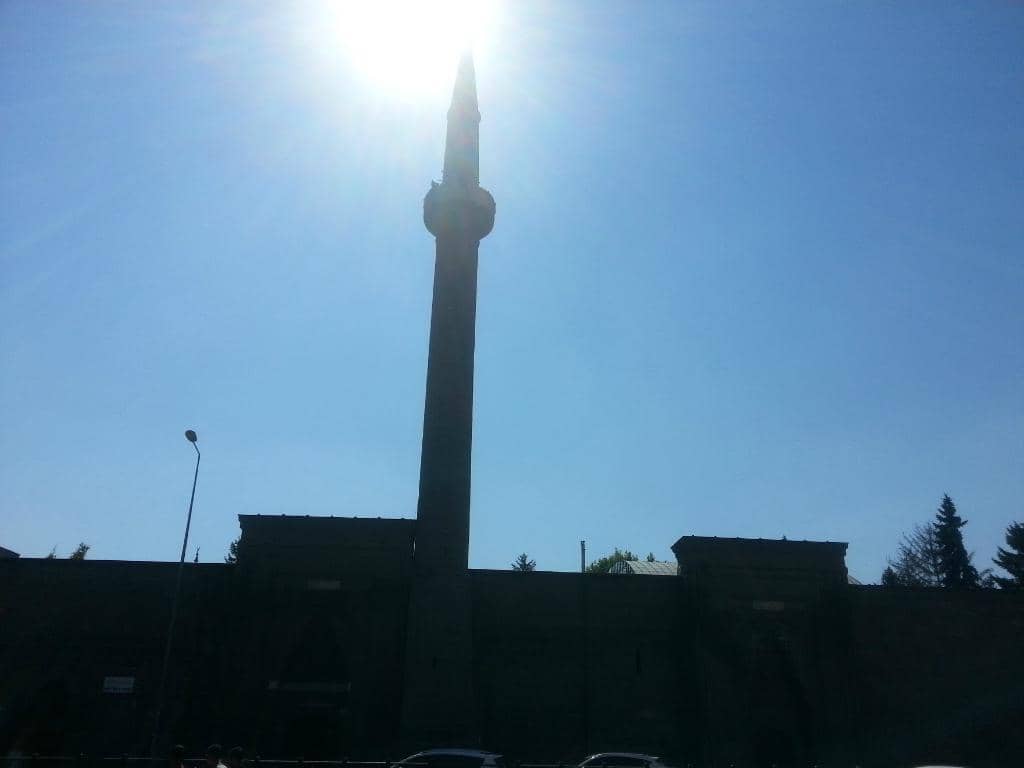
1901 Minaret
Observe the distinctive minaret added to the mosque in 1901, a later architectural addition.
Plans like a pro.
Thinks like you
Planning Your Visit
Timing Your Visit
Understanding the Architecture
Best Times
Insider Tips
from TikTok, Instagram & Reddit
Check Prayer Times
The mosque is mainly accessible during prayer times. Confirm local schedules before your visit. :clock1:
Appreciate Seljuk Design
Note the unique integration of mosque and medrese, a rare architectural style. :building_construction:
Entrance Clarity
The entrance can be a bit confusing; look for the distinct mosque and medrese access points. :arrow_forward:
Tips
from all over the internet
Check Prayer Times
The mosque is mainly accessible during prayer times. Confirm local schedules before your visit. :clock1:
Appreciate Seljuk Design
Note the unique integration of mosque and medrese, a rare architectural style. :building_construction:
Entrance Clarity
The entrance can be a bit confusing; look for the distinct mosque and medrese access points. :arrow_forward:
What Travellers Say
Reviews Summary
Visitors appreciate the Hacı Kılıç Mosque and Medrese for its significant Seljuk architecture and the unique integration of mosque and medrese. The historical depth and peaceful atmosphere are often highlighted. However, some find the entrance a bit confusing, and access is primarily limited to prayer times.
"The mosque was built in 1249, during the period of izzettin Keykavus II. It was restored in 1547, during the period of Kanuni Sultan Süleyman. The complex of the mosquet also has a madrasa. The minaret was added to the building in 1901."
Ahmed Al-Akki
"Nice piece of Seljuk of Rum architecture."
BARTOSZ Radojewski
"Pretty mosque, but the entrance is a bit confusing.
Only open near praying time"
Prisa Ramadhianti
What People Like
What People Dislike
Frequently Asked Questions
🚇 🗺️ Getting There
Information on public transport or driving directions to Hacı Kılıç Mosque and Medrese is limited in available sources. It's recommended to use local maps or inquire upon arrival in the area for the best route.
Accessibility details are not widely available. Given its historical nature, some areas might have limitations.
🎫 🎫 Tickets & Entry
The mosque is primarily open near prayer times. It's advisable to check local prayer schedules as specific visiting hours are not consistently published.
As a functioning mosque, there is typically no entrance fee. Donations for upkeep are usually appreciated.
The medrese is integrated with the mosque. While entrances are separate, there's an internal connection, allowing access to the courtyard.
The mosque was originally built in 1249 during the reign of Izzettin Keykavus II, with the medrese complex also dating from this Seljuk period.
Yes, the complex underwent restoration in 1547 during the period of Kanuni Sultan Süleyman and has been recently restored by the General Directorate of Foundations.
🎫 🏛️ Onsite Experience
It's a significant example of Seljuk of Rum architecture, featuring a mosque integrated with a medrese around a courtyard, with a longitudinal plan perpendicular to the mihrab wall.
The mosque is built on a deep-sloping plan type, a common development during the Anatolian Seljuk period, and is a rare example of a mosque style integrated with a medrese.
The current minaret was added to the building in 1901.
Hüseyin Bey's tomb was originally near the mosque but was moved to the side of the minaret.
Hüseyin Bey, son of Sinan Bey, was the Mirliva (Sanjak Bey) of Aksaray, and his epitaph confirms his connection to the city.
🍽️ 🍽️ Food & Dining
Specific dining recommendations near Hacı Kılıç Mosque and Medrese are not provided in the available information. Exploring the surrounding area for local eateries is advised.
📸 📸 Photography
Capture the unique Seljuk architecture, the porticoed medrese courtyard, and the 1901 minaret. The interplay of the mosque and medrese offers interesting photographic perspectives.
Photography rules inside active mosques can vary. It's respectful to be discreet and avoid photographing worshippers during prayer.
For Different Travelers
Tailored advice for your travel style
History Enthusiasts
Pay close attention to the details of the porticoed courtyard and the later addition of the minaret in 1901. Understanding the restoration history, particularly the work done during the Ottoman period and more recently, provides insight into the site's enduring significance and the efforts to maintain its heritage.
Spiritual Seekers
Remember that it is a place of worship, so respectful attire and behavior are expected. The historical ambiance of the mosque can enhance the spiritual experience, connecting visitors to centuries of devotion.
Deep Dives
In-depth insights and expert knowledge
Architectural Significance
The complex features separate entrances for the mosque and the medrese, but a significant internal opening connects the prayer hall with the medrese courtyard. This design fosters a sense of unity within the historical complex. The medrese section includes a porticoed courtyard, adding to the architectural appeal and providing a tranquil space for contemplation.
Later additions, such as the minaret added in 1901, showcase the evolving architectural history of the site. The tomb of Hüseyin Bey, originally located nearby, was also moved to the side of the minaret, adding another layer of historical narrative to the location.
Historical Context and Restorations
The mosque and medrese complex has undergone significant restoration efforts to preserve its historical integrity. A notable restoration occurred in 1547, during the reign of Kanuni Sultan Süleyman, overseen by Hüseyin Bey, the Sanjak Bey of Aksaray. More recently, the General Directorate of Foundations has undertaken further restoration work, ensuring its continued existence for future generations.
The historical records also shed light on Hüseyin Bey's role. His epitaph identifies him as "Hüseyin Bey, son of Sinan Bey, Mirliva of Aksaray." This clarifies that while he left works in Kayseri, his primary duty station was Aksaray, underscoring his connection to this specific region and its historical monuments.
Social
from TikTok, Instagram & Reddit