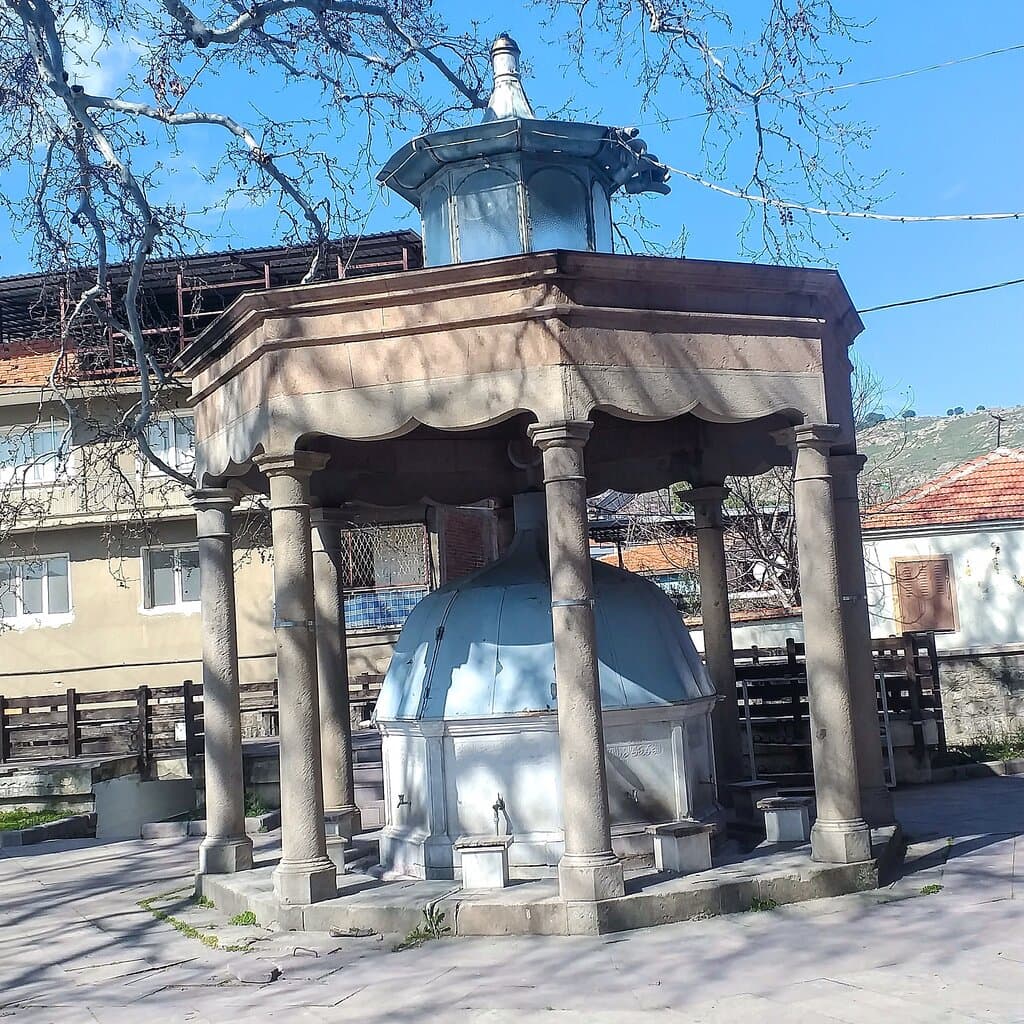
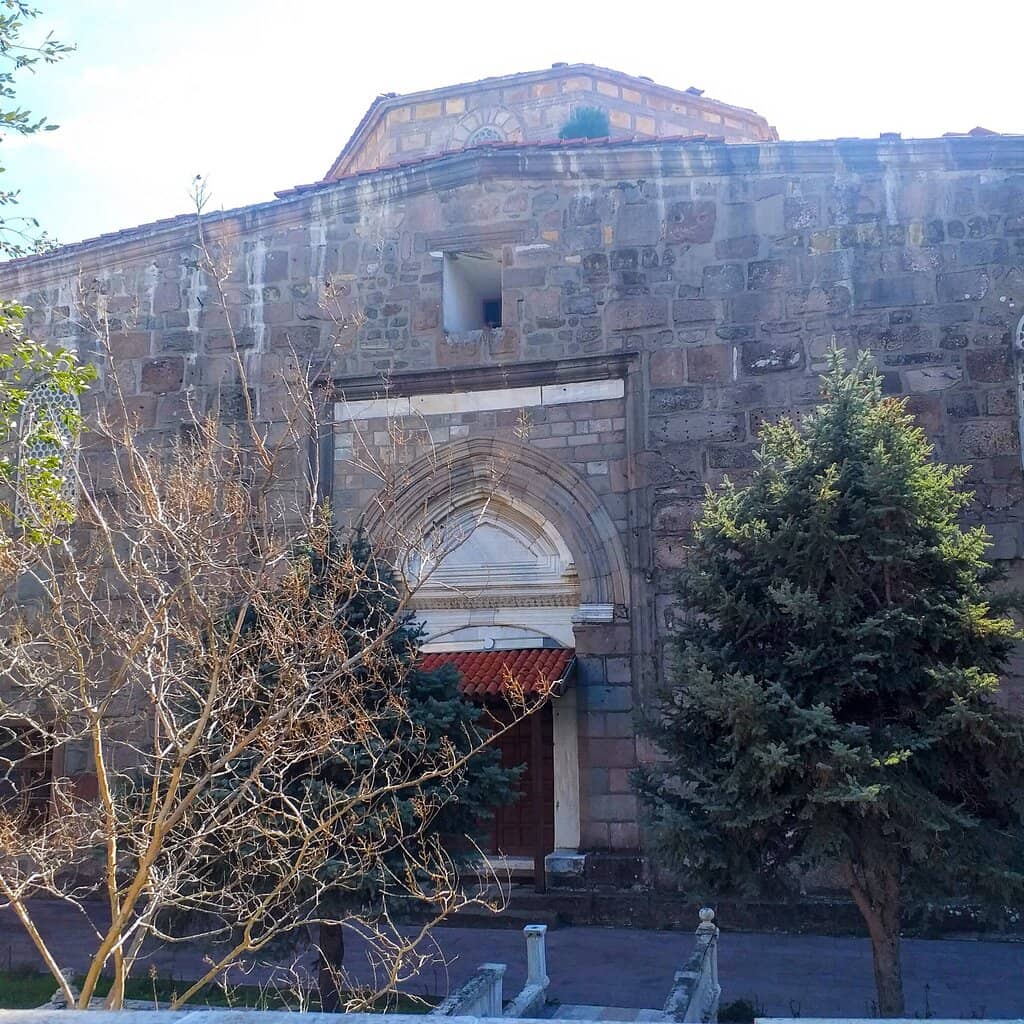
Great Mosque of Bergama
An ancient Ottoman mosque predating Istanbul's conquest, featuring Seljuk art and a unique balance column.
Highlights
Must-see attractions

Social
From TikTok & Reddit
Best Time
To ensure respectful visits
Great Mosque of Bergama
Best Time
To ensure respectful visits
Highlights
Must-see attractions
An ancient Ottoman mosque predating Istanbul's conquest, featuring Seljuk art and a unique balance column.
"A historical gem with intricate Seljuk art, though facilities could use an update."
Modest Attire Required
Cover shoulders and knees. Women may need a headscarf. :womaninturban:
Check Prayer Schedules
Avoid visiting during active prayer times to show respect. :clock1:
Highlights
Discover the most iconic attractions and experiences
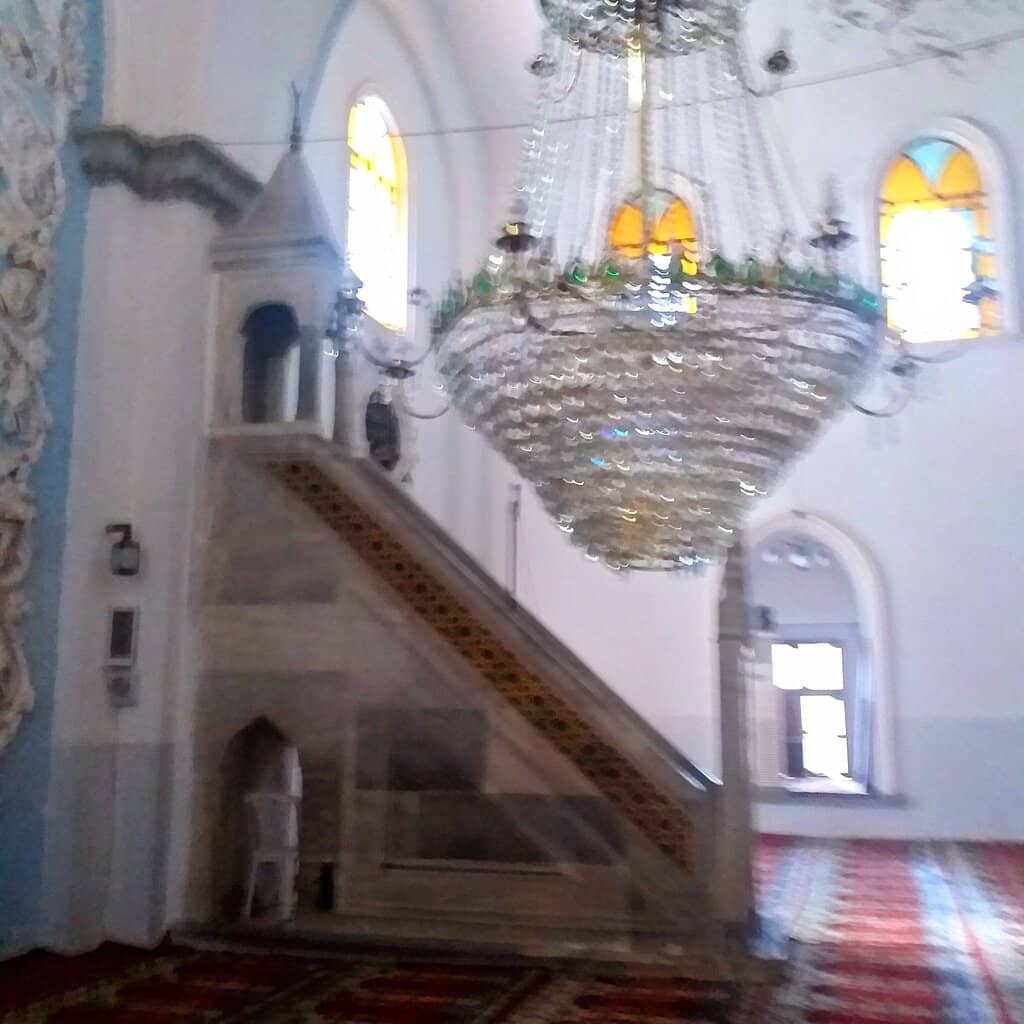
Seljuk-Influenced Mihrab
Interior
Intricate marble decoration showcasing early Seljuk artistic influences.

Portal Gate Inscription
Entrance
Historical inscription detailing the mosque's construction during Sultan Bayezid's reign.
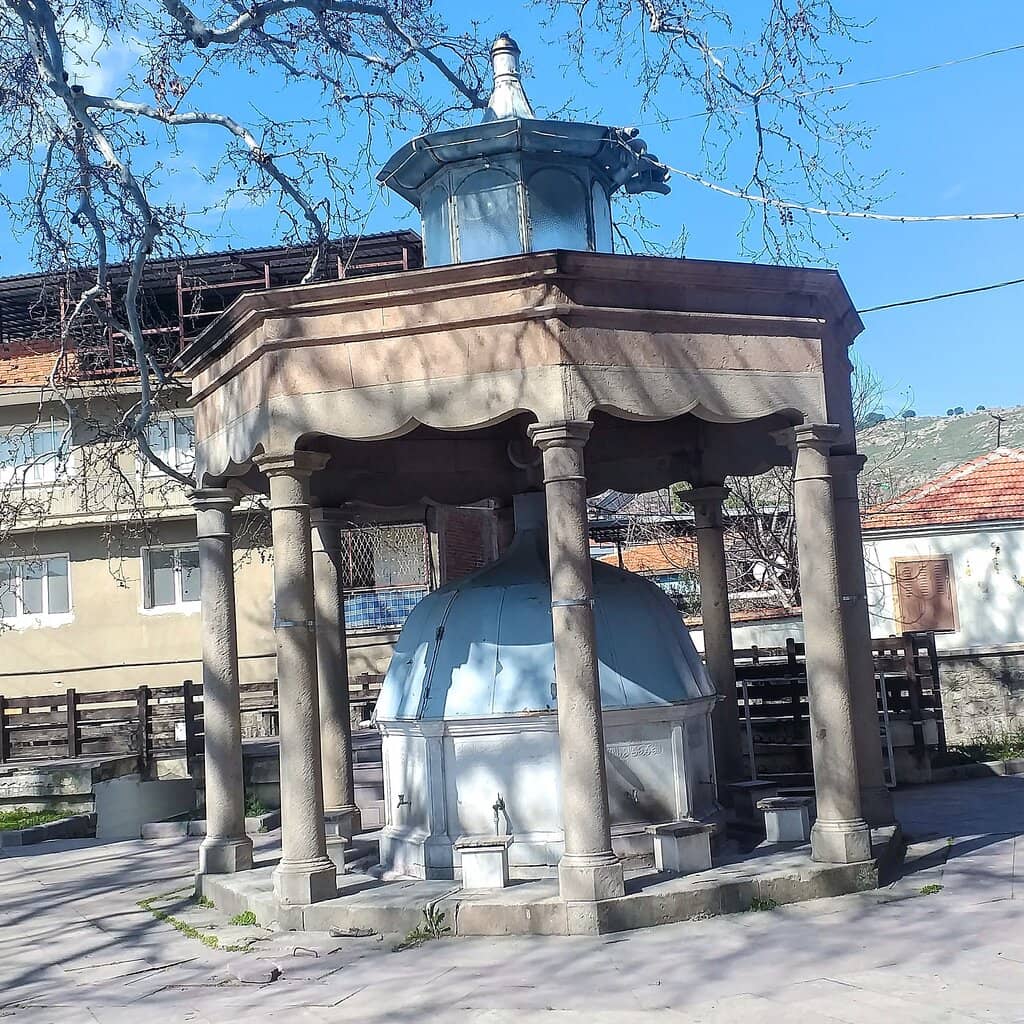
Balance Column
Entrance
A unique architectural feature that visitors can interact with.
Plans like a pro.
Thinks like you
Planning Your Visit
Respectful Visits
Historical Context
Best Times
Insider Tips
from TikTok, Instagram & Reddit
Modest Attire Required
Cover shoulders and knees. Women may need a headscarf. :womaninturban:
Check Prayer Schedules
Avoid visiting during active prayer times to show respect. :clock1:
Observe the Mihrab
Admire the detailed Seljuk-influenced marble work inside. :sparkles:
Note the Balance Column
A curious feature at the entrance; try to turn it! :muscle:
Tips
from all over the internet
Modest Attire Required
Cover shoulders and knees. Women may need a headscarf. :womaninturban:
Check Prayer Schedules
Avoid visiting during active prayer times to show respect. :clock1:
Observe the Mihrab
Admire the detailed Seljuk-influenced marble work inside. :sparkles:
Note the Balance Column
A curious feature at the entrance; try to turn it! :muscle:
What Travellers Say
Reviews Summary
Visitors appreciate the historical significance and unique architectural features of the Great Mosque of Bergama, particularly its Seljuk-influenced mihrab and the intriguing balance column. However, some reviews note that the facilities, such as the toilets, are in poor condition and that the surrounding area can appear unkempt with visible wires and litter.
"Perfect place for praying but the toilets are unfortunately in an awful situation. Wish they could be refurbished immediately"
Halo Maldanian
"The Great Mosque is the largest and most ancient mosque among the Ottoman structures reaching to the present day in Bergama. The mihrab (a semi-circular niche in the Wall of a mosque that indicates the kiblah) bearing the influence of the Seljuk art, has great and rich marble decoration. The construction inscription on the portal gate says that the mosque was built during the reign of Sultan Bayezid in 1398 to 1399. The handwriting on the stone şadırvan in its courtyard belongs to poet Aşkı Efendi of Bergama."
Yusuf Sahin Tetik
"Could be nice but not well presented. Garbage and eletric wires everywhere."
Steve M
What People Like
What People Dislike
Frequently Asked Questions
🚇 🗺️ Getting There
The Great Mosque is located in the center of Bergama. It's easily accessible by foot if you are already in the town center. If arriving from further afield, local buses or taxis can take you to the central area.
Street parking is available in the vicinity, but it can be limited, especially during peak hours. Consider using public transport or walking if possible.
🎫 🎫 Tickets & Entry
No, entry to the Great Mosque is generally free as it is an active place of worship. Donations are always appreciated.
The mosque is open to visitors outside of prayer times. It's best to check local schedules or visit during daylight hours.
Photography is usually permitted, but it's essential to be discreet and respectful, especially during prayer times. Avoid flash photography.
🎫 🏛️ Onsite Experience
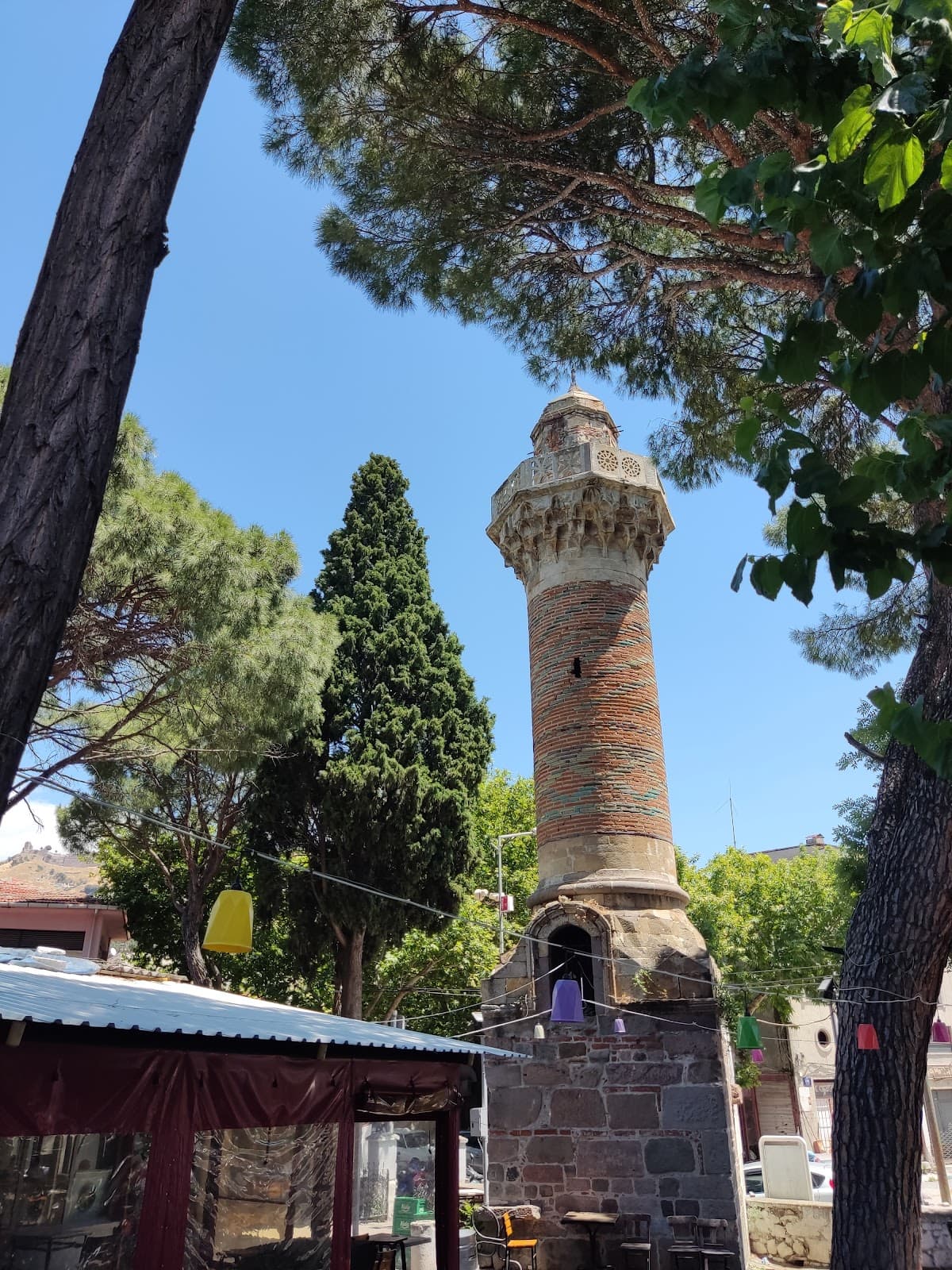
Built between 1398-1399, it's one of the oldest Ottoman mosques in Bergama, predating the conquest of Istanbul. It features Seljuk art influences, particularly in its mihrab.
Visitors should dress modestly, covering shoulders and knees. Women may need to wear a headscarf. This is a place of worship, so respectful attire is crucial.
While restrooms are available, some reviews mention they are not well-maintained. It's advisable to use facilities elsewhere if possible before your visit.
The balance column is a unique architectural feature at the entrance of the mosque. Visitors are often encouraged to try and turn it.
For Different Travelers
Tailored advice for your travel style
History Enthusiasts
Consider researching the historical context of Bergama during the late 14th century to fully appreciate the mosque's significance. The unique balance column also adds an element of historical curiosity, hinting at older traditions or beliefs that may have influenced its design. It's a site that rewards those who come with a desire to learn and explore.
Culture and Architecture Buffs
While the mosque is an active place of worship, its architectural merits are undeniable. The balance column at the entrance is a unique detail that sparks conversation and intrigue. For those who appreciate the nuances of historical building styles and decorative arts, the mosque offers a rich visual and historical experience.
Deep Dives
In-depth insights and expert knowledge
Architectural Marvels and History
Beyond its religious function, the mosque holds a unique place in local lore. Historical accounts suggest it faced periods of neglect due to the surrounding Christian population, yet it has endured. The presence of a handwritten inscription on the stone şadırvan (ablution fountain) by the poet Aşkı Efendi of Bergama adds a layer of cultural significance. Visitors often remark on the intriguing balance column at the entrance, a curious feature that adds an interactive element to the visit.
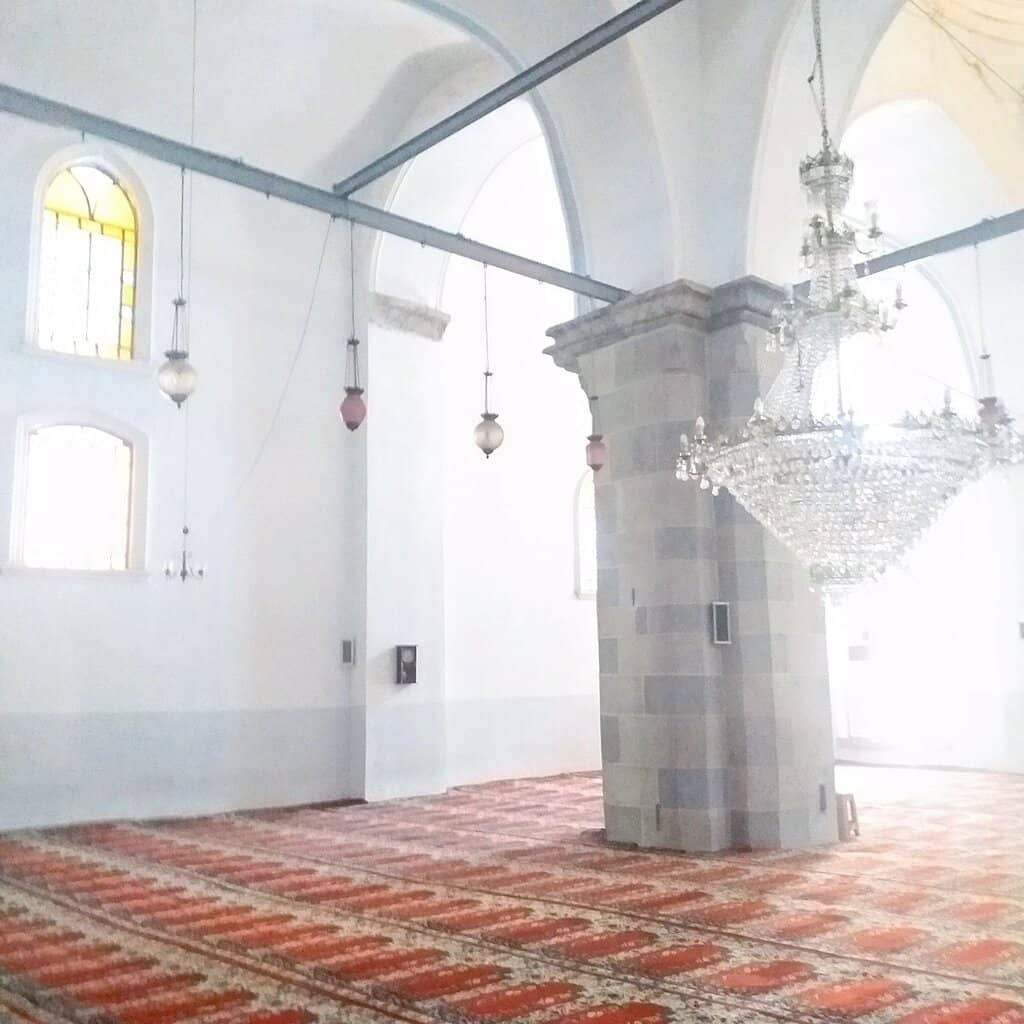
While the mosque's exterior and architectural details are captivating, some visitors find the interior less visually striking for tourist purposes. However, its historical weight and the artistry of its decorative elements, especially the mihrab, make it a worthwhile stop for those interested in early Ottoman history and architecture. It's a place where history whispers through stone and marble.



Social
from TikTok, Instagram & Reddit