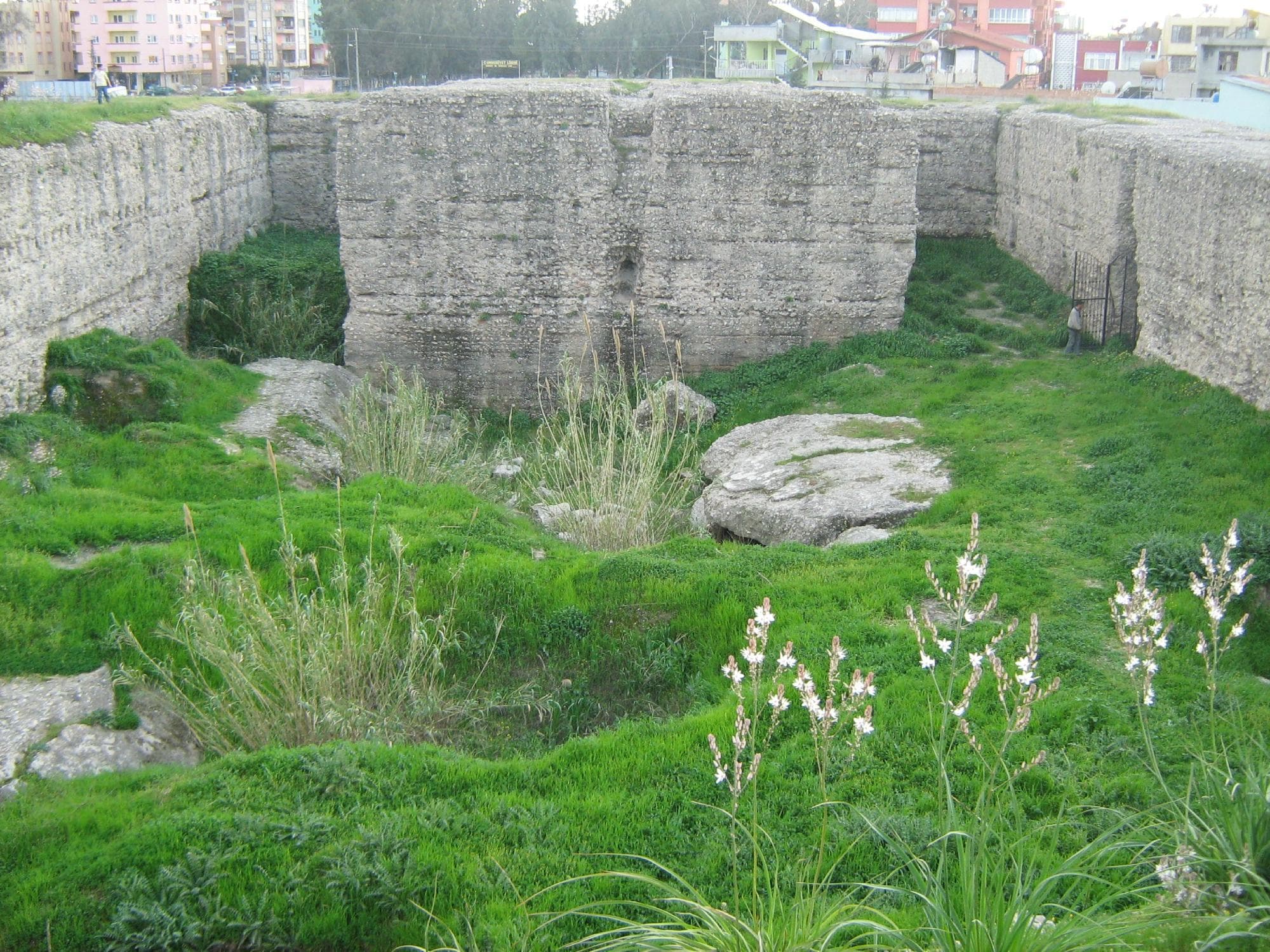
Donuktaş Temple Tarsus
A colossal, unfinished Roman temple in Tarsus, known for its massive concrete walls and enigmatic history.
Highlights
Must-see attractions

Social
From TikTok & Reddit
Best Time
Best light for viewing
Donuktaş Temple Tarsus
Best Time
Best light for viewing
Highlights
Must-see attractions
A colossal, unfinished Roman temple in Tarsus, known for its massive concrete walls and enigmatic history.
"A mysterious, unfinished Roman temple with immense walls, often requiring local help to explore. "
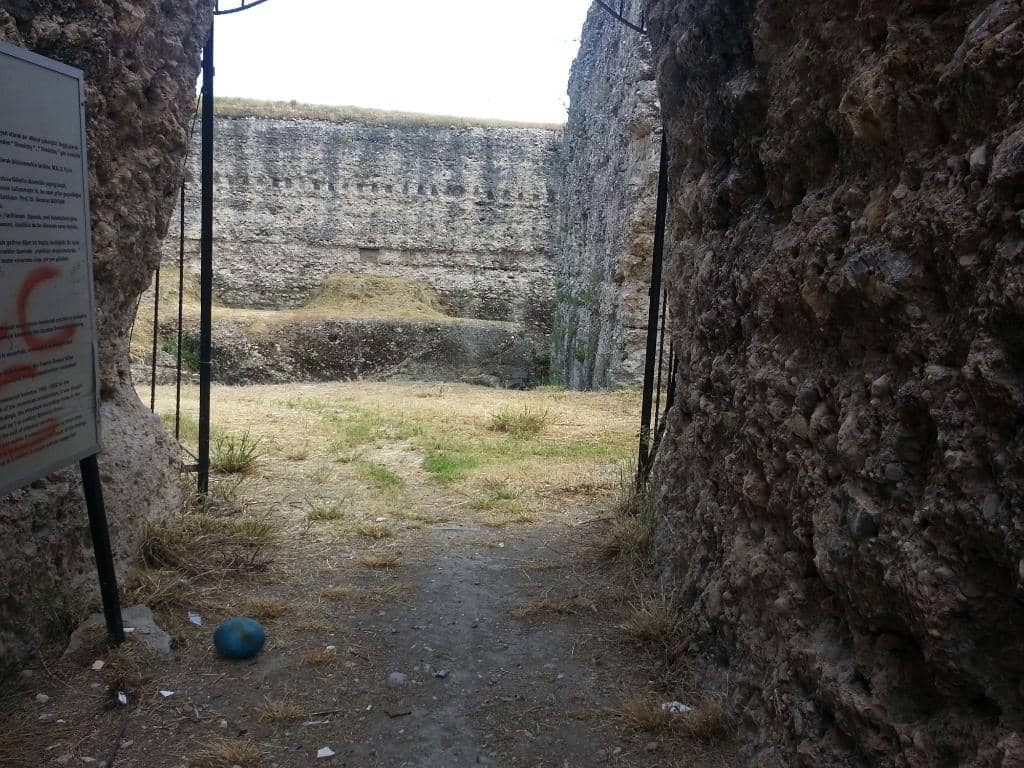
Ask Locals for Entry
The main door is often locked. Inquire with neighborhood residents; someone usually has a key. :key:
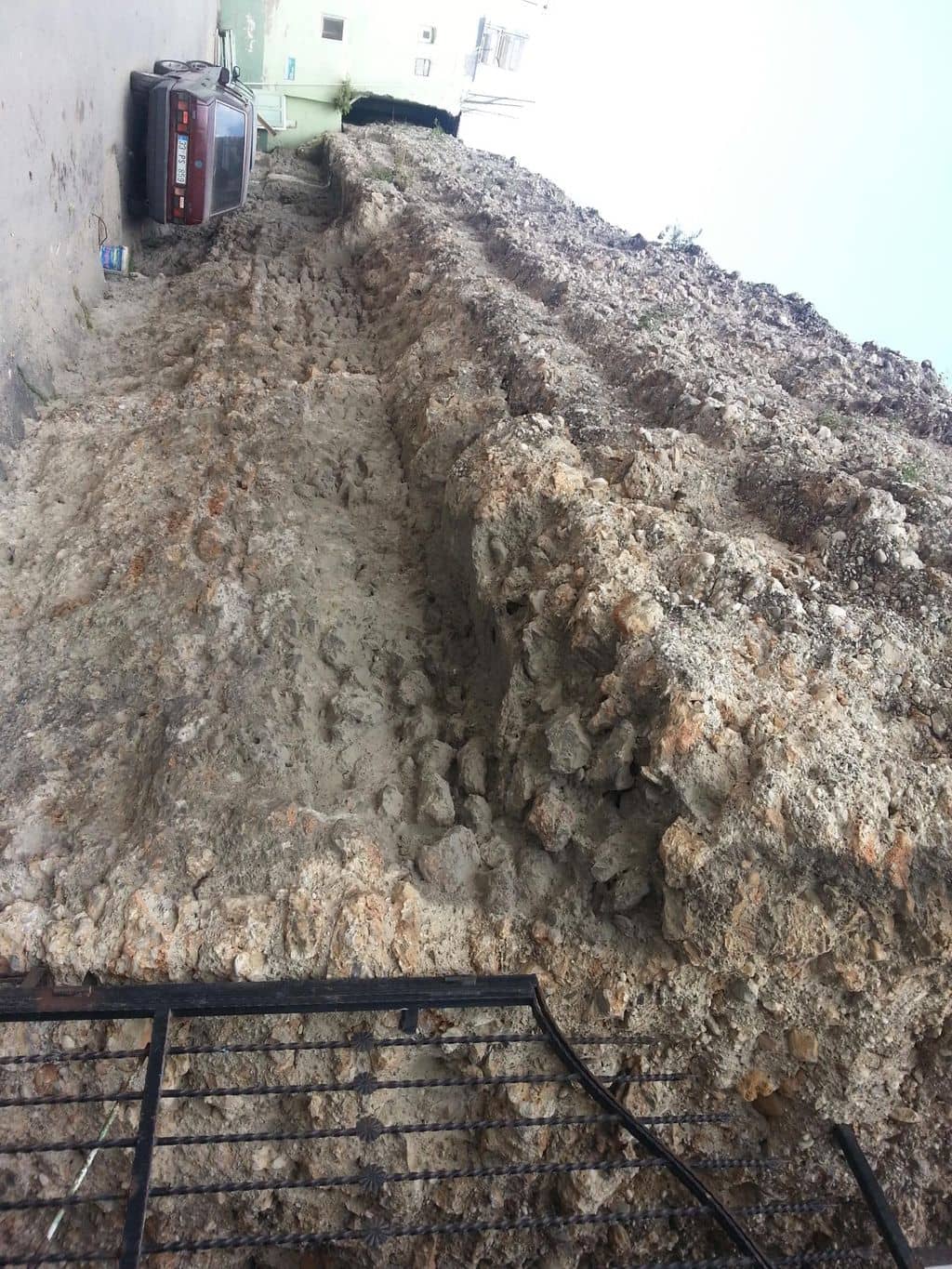
Navigate Urban Maze
Access is via narrow, disorganized streets. Be patient and use local guidance. :round_pushpin:
Highlights
Discover the most iconic attractions and experiences
Massive Roman Concrete Walls
Exterior
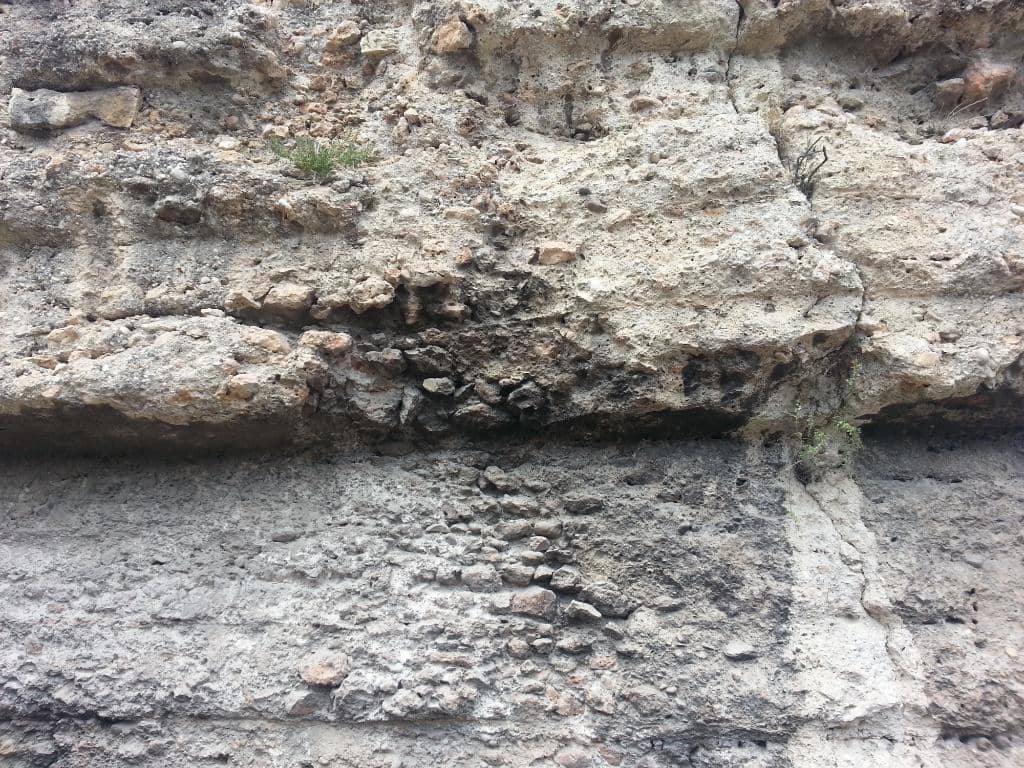
Marvel at the colossal 6.5m-thick walls, originally covered in marble, showcasing Roman engineering prowess.
Unfinished Grandeur
Interior (if accessible)
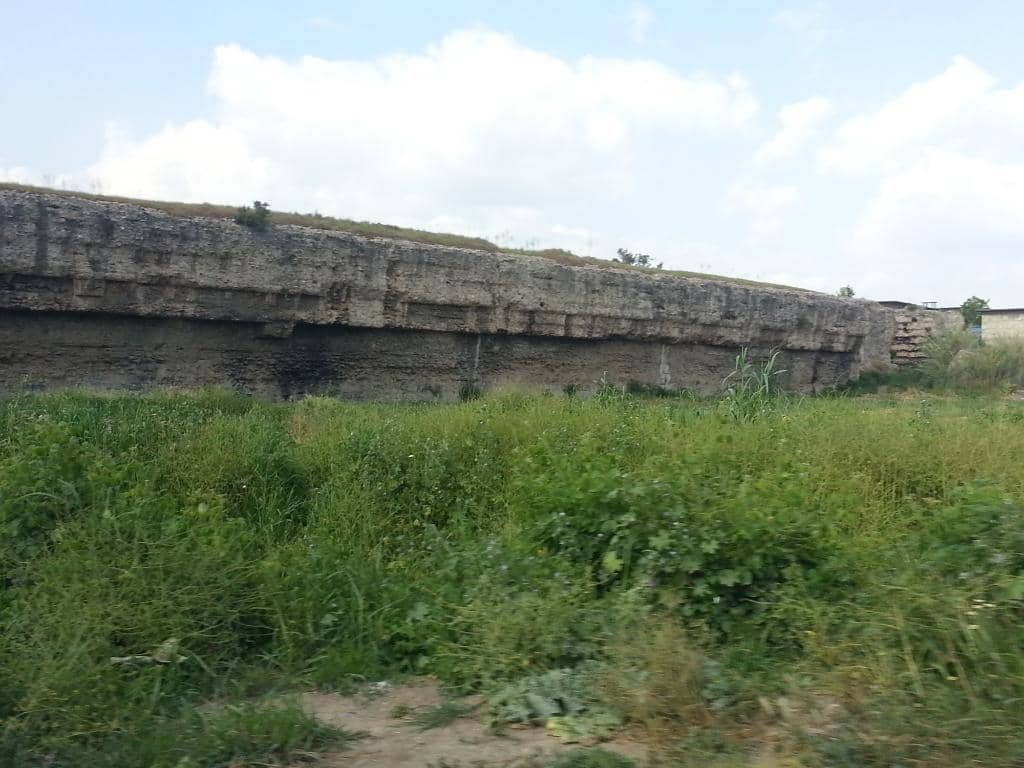
Experience the scale of this 98m-long, 43m-wide temple, a testament to ambitious construction never fully realized.
The Mystery of Sandon
Temple's historical context
Learn about its possible origins as a temple to Sandon, later identified with Jupiter, adding layers to its enigmatic past.
Plans like a pro.
Thinks like you
Planning Your Visit
Accessing the Temple
Understanding Its History
Best Times
Insider Tips
from TikTok, Instagram & Reddit
Ask Locals for Entry
The main door is often locked. Inquire with neighborhood residents; someone usually has a key. :key:
Navigate Urban Maze
Access is via narrow, disorganized streets. Be patient and use local guidance. :round_pushpin:
Respect the Site
This is a historical site with ongoing research. Treat it with care and avoid damage. :pray:
Tips
from all over the internet
Ask Locals for Entry
The main door is often locked. Inquire with neighborhood residents; someone usually has a key. :key:
Navigate Urban Maze
Access is via narrow, disorganized streets. Be patient and use local guidance. :round_pushpin:
Respect the Site
This is a historical site with ongoing research. Treat it with care and avoid damage. :pray:
What Travellers Say
Reviews Summary
Visitors are impressed by the sheer scale and unique Roman concrete construction of Donuktaş Temple, a massive, unfinished structure with a debated history. While access to the interior can be challenging due to locked doors, local residents often hold keys, offering a glimpse into its mysterious past. The temple's integration into the urban landscape adds to its enigmatic charm.
"The first written document about Donuktaş dates back to 1545. According to a member of the Venetian Barbaro family, who was the Bailo of Constantinople, Donuktaş was a palace. But according to later accounts in the 19th century, it is a mausoleum. The French historian Victor Langlois (1829–1869) in his book Voyage Dans la Cilicie et Dans la Montagnes du Taurus 1852-1853 described Donuktaş as the mausoleum of Sardanapalus (612-605 BC), the last Assyrian king. The German archaeologist Robert Koldewey (1855–1925) supported this assertion. British orientalist William Burckhardt Barker (1810?–1856) on the other hand, believed that Donuktaş is a mausoleum of another king. However, during the systematic exploration between 1982 and 1992 by Turkish archaeologist Nezahat Baydur, Donuktaş was defined as a temple built in the 2nd century, during the Roman Empire, much later than the Neo-Assyrian Empire (911–609 BC).Originally, It was a temple of Sandon, an ancient Hittite deity. Later, Sandon was identified with the Roman god Jupiter, and the temple became a Temple of Jupiter.The exploration continued after 2007 by the German archaeologist Winfried Held.The building is huge construction without a roof. It has a rectangular form oriented in northeast to southwest direction. Its length is 98 m (322 ft) and the width is 43 m (141 ft). It is surrounded by 6.5 m (21 ft)-thick walls. The walls are about 8 m (26 ft) high. The building material is Roman cement. Although the wall is presently naked, it was originally covered by marble."
Rob C
"Various interpretations were made about the time of construction and purpose of use, and it was eventually revealed that it was a temple. It is located in a very large rock mass.
There is an entrance door, but since it was mostly closed, I had to return without seeing the inside."
Süleyman Alkan
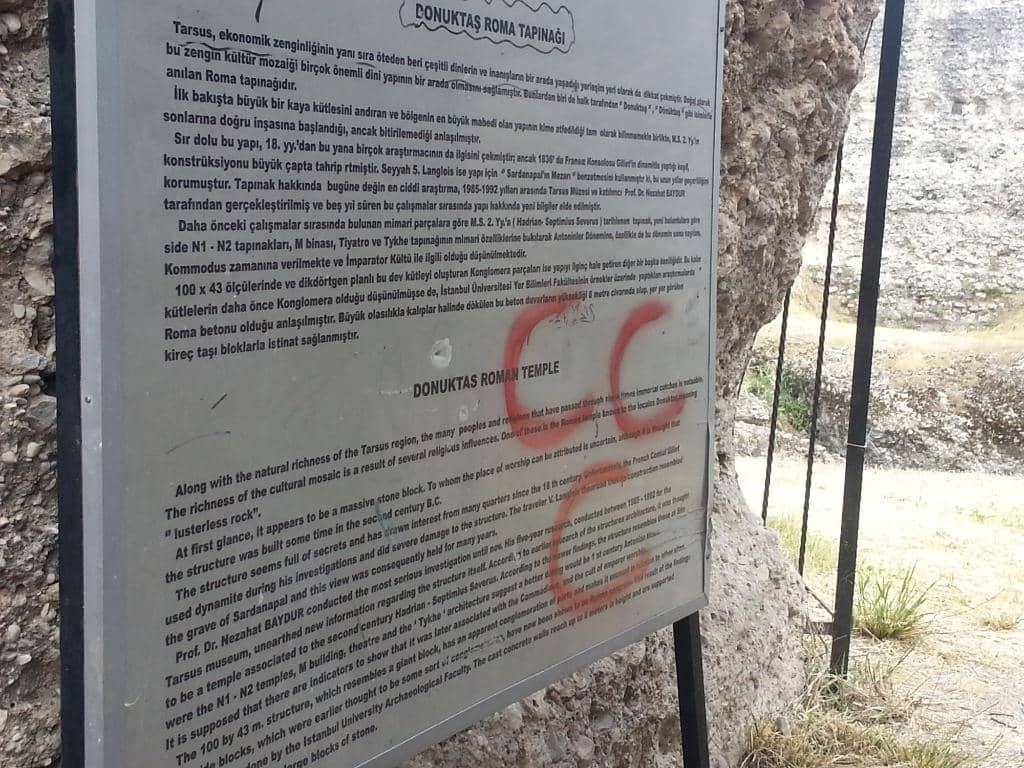
"In addition to its economic wealth, Tarsus has long attracted attention as a settlement where various religions and beliefs coexisted. Naturally, this rich cultural mosaic has led to the coexistence of many important religious structures. One of these is the Roman temple, known locally as "Donuktaş" (Donuktaş) and "Dönüktaş."
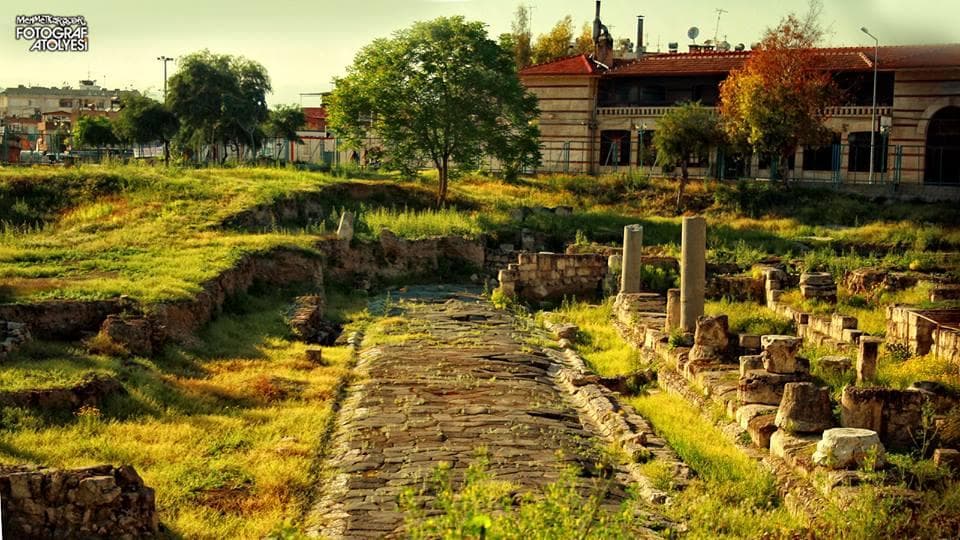
The temple, accessed via narrow streets created by disorganized urbanization, is virtually invisible today due to shantytowns. It has been enclosed, particularly by buildings abutting its northern and eastern walls. While the exact attribution of this structure, which at first glance resembles a massive rock mass and was the largest temple in the region, is unknown, it has been understood that construction began toward the end of the 2nd century AD but was never completed.
This mysterious structure has attracted the attention of many researchers since the 18th century; however, an exploration by French consul Gillet with dynamite in 1836 resulted in extensive destruction of the structure. Traveler V. Langlois used the metaphor "Sardanapal's Tomb" for the structure, a metaphor that remained valid for many years.
The most serious research on the temple to date was conducted between 1985 and 1992 by the Tarsus Museum and its contributor, Prof. Dr. Nezahat Baydur. During these five-year studies, new information was obtained about the structure. Based on architectural fragments found during previous excavations, the temple is dated to the 2nd century AD (Hadrian-Septimius Severus). Based on new findings, the architectural features of the Side N1 and N2 temples, Building M, the theater, and the Tyche temple are dated to the Antonine period, specifically the reign of Commodus, considered the end of this period, and are thought to be related to the imperial cult.
The conglomerate fragments that make up this massive, rectangular structure, measuring 100m x 43m, are another feature that makes the structure intriguing. Although these thick masses were previously thought to be conglomerate, research conducted by the Istanbul University Faculty of Earth Sciences revealed that they were Roman concrete. These concrete walls, likely cast in molds, are approximately 8 meters high and are supported by limestone blocks visible here and there."
Abdurrahim Vural
What People Like
What People Dislike
Frequently Asked Questions
🚇 🗺️ Getting There
Donuktaş Temple is located within the city of Tarsus. Access is often through narrow streets due to urban development. It's best to ask locals for directions as it can be hard to find.
Parking can be challenging in the densely populated area surrounding the temple. Street parking might be available, but it's advisable to check with locals upon arrival. :car:
While Tarsus has public transport, reaching the temple directly might require a short walk or a local taxi from a main bus stop. Check local transport routes for the most up-to-date information. :bus:
🎫 🎫 Tickets & Entry
There is no mention of official ticketing for Donuktaş Temple. Entry is often dependent on local access, and sometimes a key held by a resident is required to see the interior. :ticket:
Official opening hours are not clearly defined. The temple's interior access is often managed by local residents, so visiting times can be flexible but may require asking around. :clock1:
Yes, it is often possible to enter the interior by asking residents in the neighborhood, as one of them typically holds the key. Be polite and respectful when asking. :key:
No admission fee is typically charged. However, some visitors may offer a small token of appreciation to locals who grant access. :moneybag:
🎫 🏛️ Onsite Experience
Donuktaş Temple is known for its immense size, massive Roman concrete walls, and its historical mystery as an unfinished 2nd-century AD temple.
It features enormous, 6.5m-thick walls made of Roman concrete, originally intended to be covered in marble. The structure is rectangular and roofless.
Systematic explorations have occurred over decades, with significant research between 1982-1992 and further work after 2007. It's a site of ongoing archaeological interest. :magnifying_glass:
It's significant as a large Roman temple, possibly dedicated to Sandon or Jupiter, and its unfinished state offers insights into Roman construction methods.
Comfortable walking shoes are recommended as you might be walking on uneven ground. Dress modestly out of respect for the historical and local context. :athletic_shoe:
📸 📸 Photography
Focus on the scale of the massive walls and the unique texture of the Roman concrete. The surrounding urban environment can also add an interesting contrast. :camerawithflash:
Photography is generally allowed, but always be mindful of your surroundings and any local customs or restrictions. :iphone:
Morning or late afternoon light can provide dramatic shadows and highlight the texture of the walls. Avoid harsh midday sun for softer images. :sunriseovermountains:
For Different Travelers
Tailored advice for your travel style
👨👩👧 Families with Kids
Practical Tip: Since access can be tricky, consider it a 'treasure hunt' to find someone with the key. This can add an element of adventure for kids. Ensure children wear comfortable shoes as the ground might be uneven.
🏛️ History Buffs & Archaeologists
Key Focus: Pay close attention to the massive walls and the materials used. Research the different theories about its dedication and construction timeline to fully appreciate its significance. The ongoing archaeological interest in the site adds to its allure.
Deep Dives
In-depth insights and expert knowledge
The Enigmatic History of Donuktaş
These studies suggest Donuktaş was actually a temple built during the Roman Empire in the 2nd century AD. It's believed to have originally been a temple dedicated to Sandon, an ancient Hittite deity, who was later identified with the Roman god Jupiter. This makes it a Temple of Jupiter. The construction began towards the end of the 2nd century AD but was never completed, adding to its mystique.
The structure itself is a colossal, roofless rectangle measuring approximately 98 meters by 43 meters, with incredibly thick walls (6.5 meters) made of Roman cement, not conglomerate as initially thought. These walls, standing about 8 meters high, were likely originally covered in marble. Its location within a large rock mass and its unfinished state make it a unique archaeological site.
Navigating Access and Local Insights
However, community wisdom suggests a practical solution: ask the local residents. Travelers have reported that a middle-aged man or an 'uncle' living in the neighborhood often holds the key to the temple's entrance. Being polite and respectful when inquiring is key to gaining access and experiencing the interior of this massive structure.
Be prepared for narrow streets leading to the temple, a common characteristic of older urban areas. While the exterior is impressive, the chance to see the interior, even if unfinished, offers a more complete understanding of its scale and construction.


Social
from TikTok, Instagram & Reddit