
Cindi Hamamı
An ancient bathhouse in Antakya, Cindi Hamamı boasts beautiful exterior architecture and a rich historical narrative.
Highlights
Must-see attractions

Social
From TikTok & Reddit
Best Time
Ideal for night photography
Cindi Hamamı
Best Time
Ideal for night photography
Highlights
Must-see attractions
An ancient bathhouse in Antakya, Cindi Hamamı boasts beautiful exterior architecture and a rich historical narrative.
"Its exterior architecture is very beautiful, it has a very elegant appearance, especially for night photography."
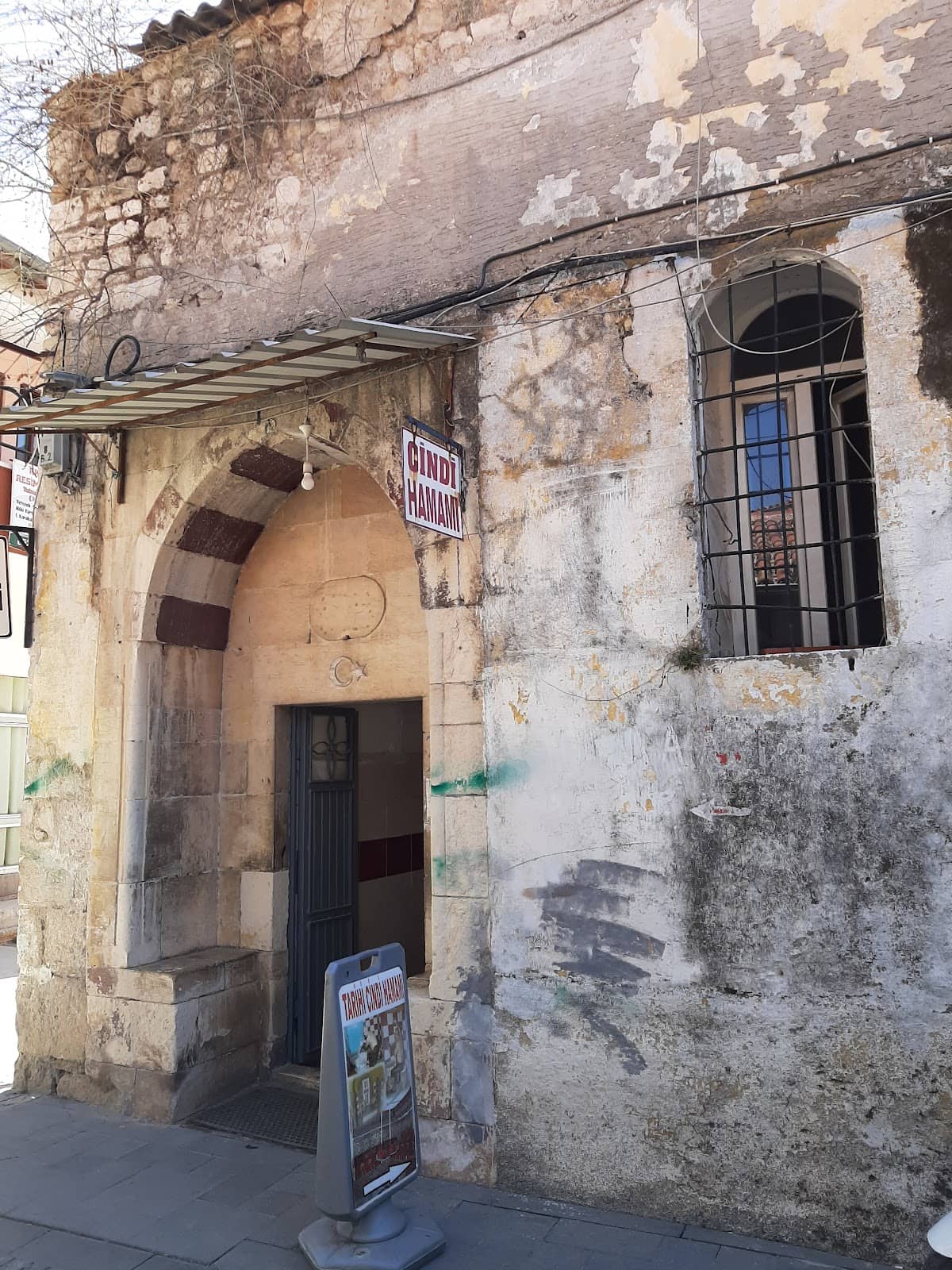
📸 Night Photography Gem
Capture the beautiful exterior architecture, especially stunning after dark.
🧐 Appreciate the History
Focus on the historical context and stories behind the hamam, as interior condition varies.
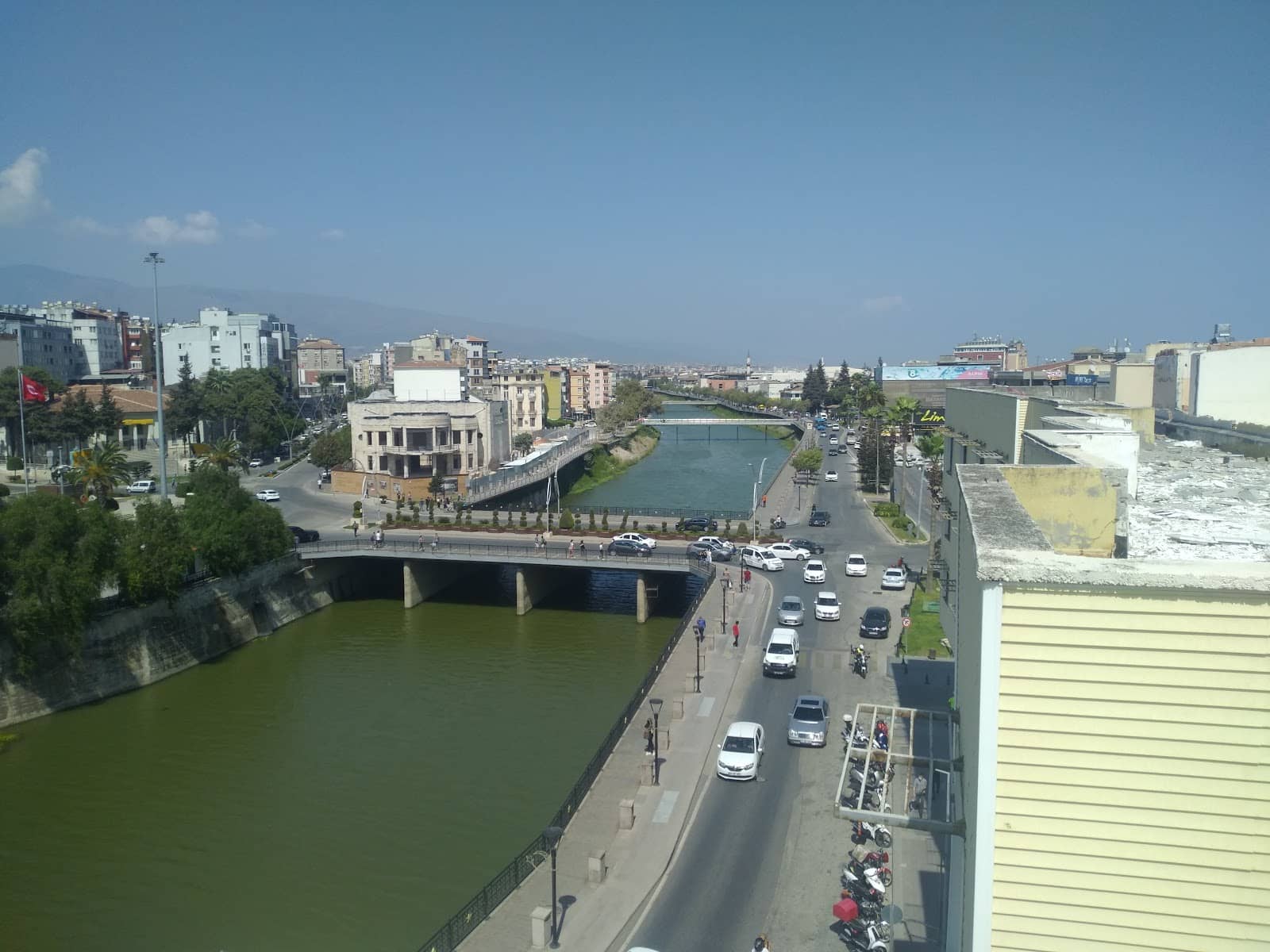
Highlights
Discover the most iconic attractions and experiences
Exterior Architecture
Admire the elegant facade and historical charm, especially beautiful for night photography.
Historical Significance
Explore a bathhouse with roots in Roman times, potentially commissioned by Mamluk Sultan Baybars.

Cultural Context
Understand its role in Antakya's bathhouse culture, reflecting the city's social fabric.
Plans like a pro.
Thinks like you
Planning Your Visit
Preserving History Amidst Challenges
Photography Opportunities
Best Times
Insider Tips
from TikTok, Instagram & Reddit
📸 Night Photography Gem
Capture the beautiful exterior architecture, especially stunning after dark.
🧐 Appreciate the History
Focus on the historical context and stories behind the hamam, as interior condition varies.
📍 Location Awareness
Find it on Forty Asirlik Turk Street, at the corner of Kahraman and Ulu Cami Streets.
Tips
from all over the internet
📸 Night Photography Gem
Capture the beautiful exterior architecture, especially stunning after dark.
🧐 Appreciate the History
Focus on the historical context and stories behind the hamam, as interior condition varies.
📍 Location Awareness
Find it on Forty Asirlik Turk Street, at the corner of Kahraman and Ulu Cami Streets.
What Travellers Say
Reviews Summary
Cindi Hamamı is praised for its beautiful exterior architecture, particularly for night photography, and its significant historical and cultural importance. However, many reviews lament its current state of disrepair and neglect, calling for better preservation efforts from local authorities.
"Nice"
Shadi Alkaid
"Super"
BARIŞ BOZKURT
"The stars are solely for its history... It's falling apart from neglect; it's unbecoming of Antakya, an ancient city that has hosted civilizations. Not only that, but the structures in the area, dating back to the recent French occupation, are deplorable. The municipality and local governments should be ashamed of tourists... What more can I say?"
Murat Gezmen
What People Like
What People Dislike
Frequently Asked Questions
🚇 🗺️ Getting There
Cindi Hamamı is located on Forty Asirlik Turk Street, at the corner of Kahraman Street and Ulu Cami Street in the Zenginler neighborhood of Antakya. It's accessible by local transport or a short taxi ride within the city center.
Yes, it's situated in a well-known area of Antakya, making it relatively easy to locate. Look for its distinctive exterior architecture.
🎫 🎫 Tickets & Entry
Information regarding ticket purchases for Cindi Hamamı is not readily available. It's often viewed as a historical site to be appreciated from the outside or for its historical context.
Specific opening hours for Cindi Hamamı are not widely published, as it's primarily an exterior historical landmark. It's best visited during daylight hours or for evening photography.
There is no mention of an entrance fee for Cindi Hamamı. It is generally considered a historical site to observe and appreciate its architecture and history.
📸 📸 Photography
The exterior architecture of Cindi Hamamı is particularly beautiful for photography, especially during the evening when it's illuminated.
While the historical significance of the interior is noted, its current condition might not be ideal for photography. The exterior offers more visually appealing opportunities.
🎫 🏛️ History & Architecture
Cindi Hamamı has a rich history, with theories suggesting it was commissioned by Mamluk Sultan Baybars or Sinan Pasha in the early 16th century. It has served as a bathhouse since Roman times and was built for soldiers, as 'Cundi' means soldier.
The hamam features a dressing area, warm rooms, a hot room with a four-iwan, four-square cell plan, portaled entrances, and pointed-arched iwans. It has a two-domed cold room with a marble fountain.
Yes, Cindi Hamamı has undergone several repairs due to its humid environment and earthquakes, with the last significant repairs noted in 1760-1761 and again in 2000. It is currently in need of repair.
For Different Travelers
Tailored advice for your travel style
👨👩👧 Families with Kids
📸 Photography Enthusiasts

🏛️ History Buffs
Deep Dives
In-depth insights and expert knowledge
The Enduring Legacy of Cindi Hamamı
The hamam's architectural design is a fascinating blend of functionality and aesthetic appeal. It comprises essential sections like a dressing area, warm rooms, and a central hot room. The hot room's four-iwan, four-square cell plan is a classic feature of traditional bathhouses. Visitors can observe the portaled entrances and pointed-arched iwans, which add to its visual elegance. The two-domed cold room, complete with a marble fountain, offers a glimpse into the bathing rituals of the past. The interior walls are adorned with period-specific floral decorations, though their current state may vary.
Despite its historical significance, Cindi Hamamı has faced considerable challenges, including damage from earthquakes and the humid environment. It has undergone numerous repairs throughout its history, with notable interventions in the late 18th century and again in 2000. However, current reviews suggest that the structure is once again in need of repair, prompting concerns about its preservation. Visitors are advised to appreciate its exterior beauty and historical narrative, while being aware of its ongoing conservation needs.
Experiencing Cindi Hamamı Today
Travelers often reflect on the hamam's place within Antakya's broader history and culture. It's seen as a symbol of the enduring bathhouse tradition that has been part of the city's social fabric since Roman times. Despite the visible signs of wear and tear, the hamam's story and its architectural presence continue to resonate with visitors who appreciate its historical context.
For those planning a visit, it's recommended to manage expectations regarding interior access and condition. The true value lies in understanding its historical significance and appreciating its architectural presence, especially during evening hours when its beauty is amplified.
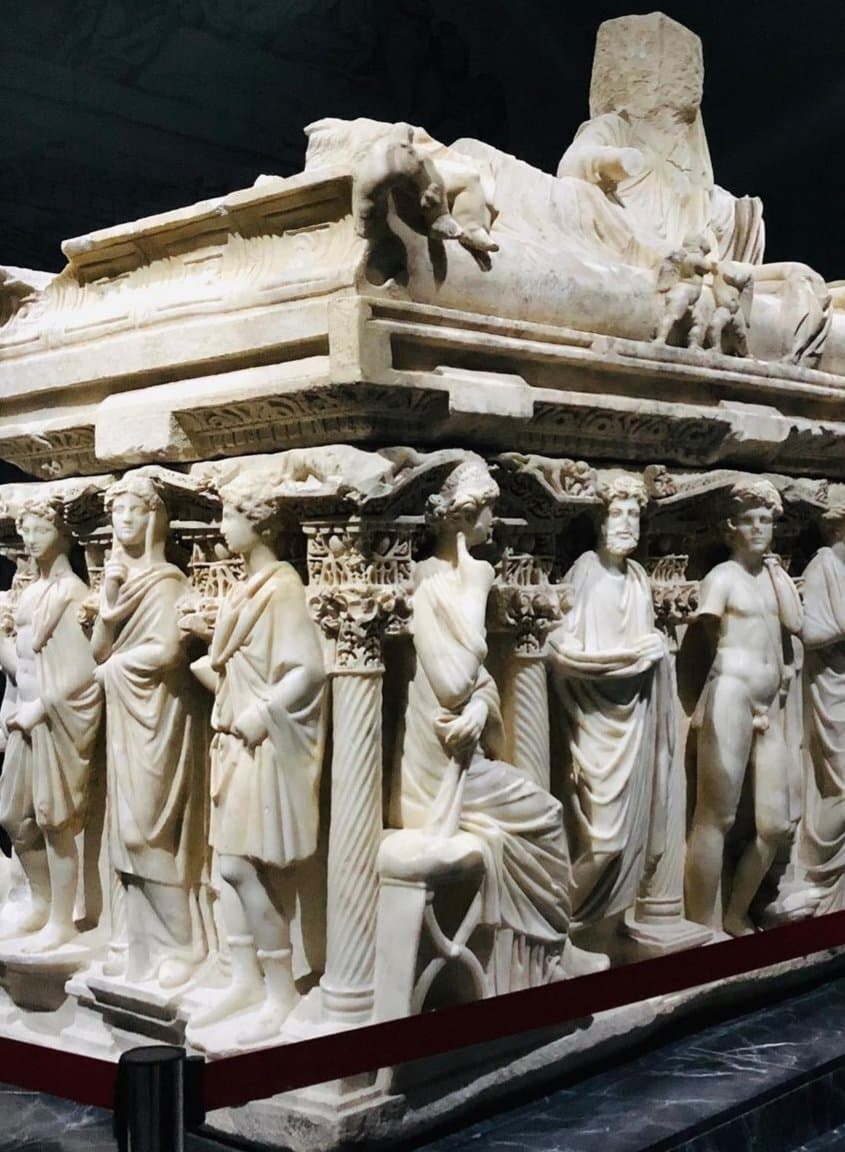

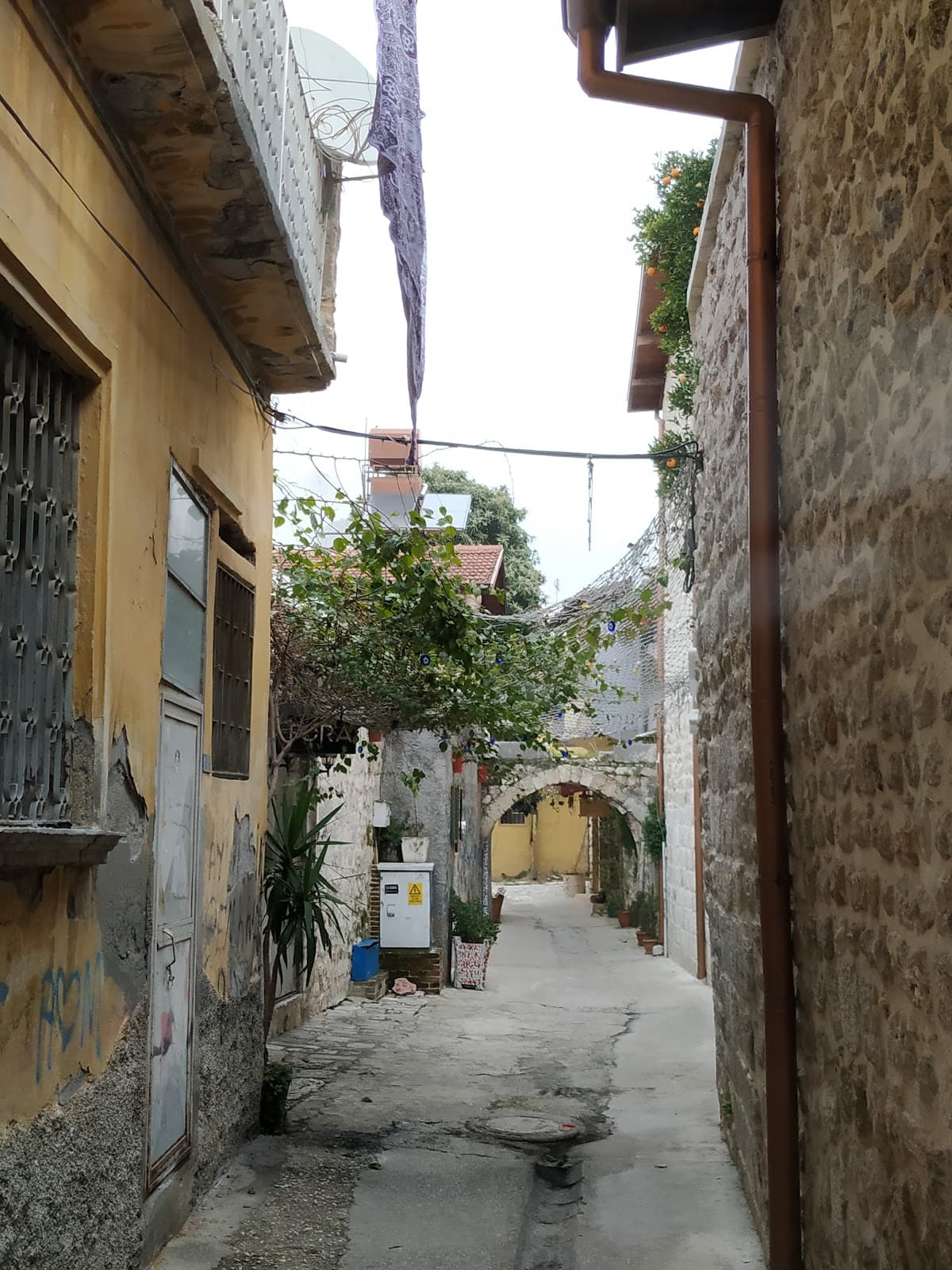

Social
from TikTok, Instagram & Reddit