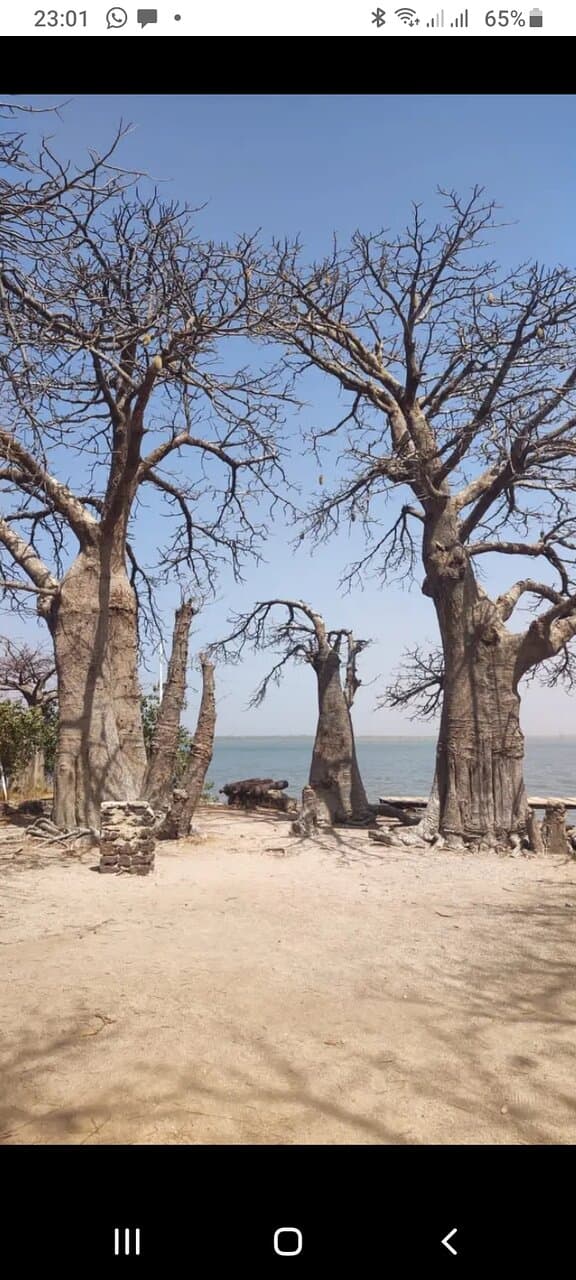
Kunta Kinteh Island
A UNESCO World Heritage Site, Kunta Kinteh Island is a poignant memorial to the transatlantic slave trade and a symbol of resistance.
Highlights
Must-see attractions

Social
From TikTok & Reddit
Best Time
Best for boat access & tours
Kunta Kinteh Island
Best Time
Best for boat access & tours
Highlights
Must-see attractions
A UNESCO World Heritage Site, Kunta Kinteh Island is a poignant memorial to the transatlantic slave trade and a symbol of resistance.
"A once in a lifetime experience for history nerds. Absolutely fascinating and incredibly moving."
Hire a Local Guide
Guides bring the history to life with passion and detail. Essential for understanding the island's significance.
Boat Trip Essential
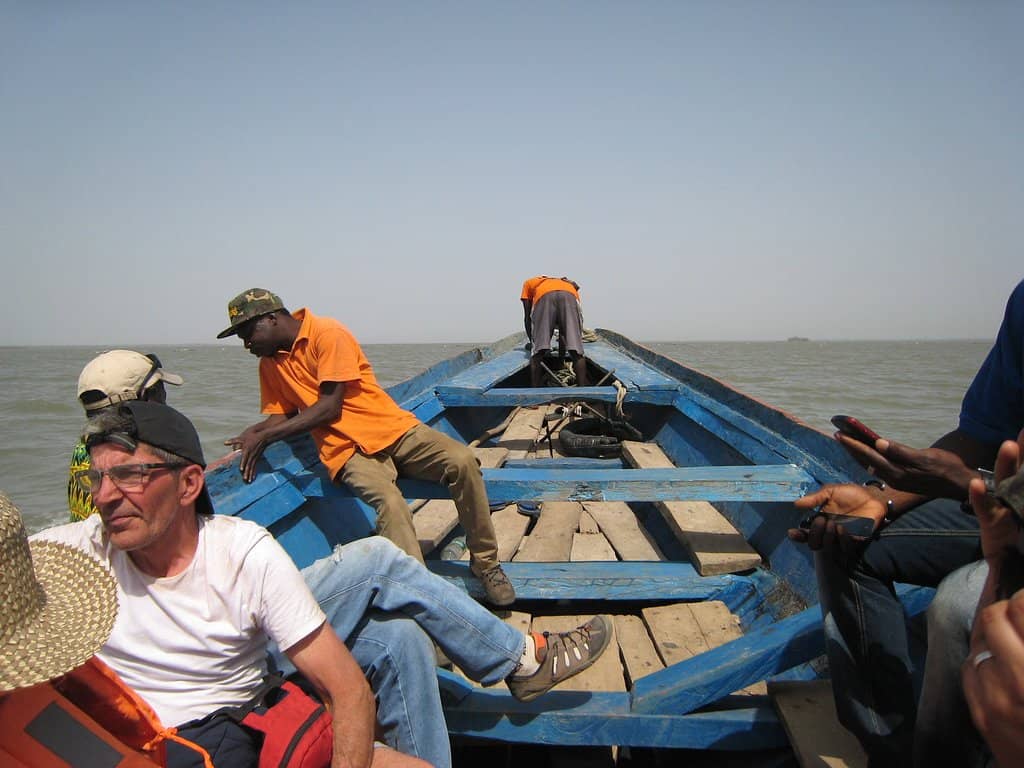
Access is via a short boat ride from the mainland. Enjoy the river views on your way.
Highlights
Discover the most iconic attractions and experiences
The Fort Ruins
Kunta Kinteh Island
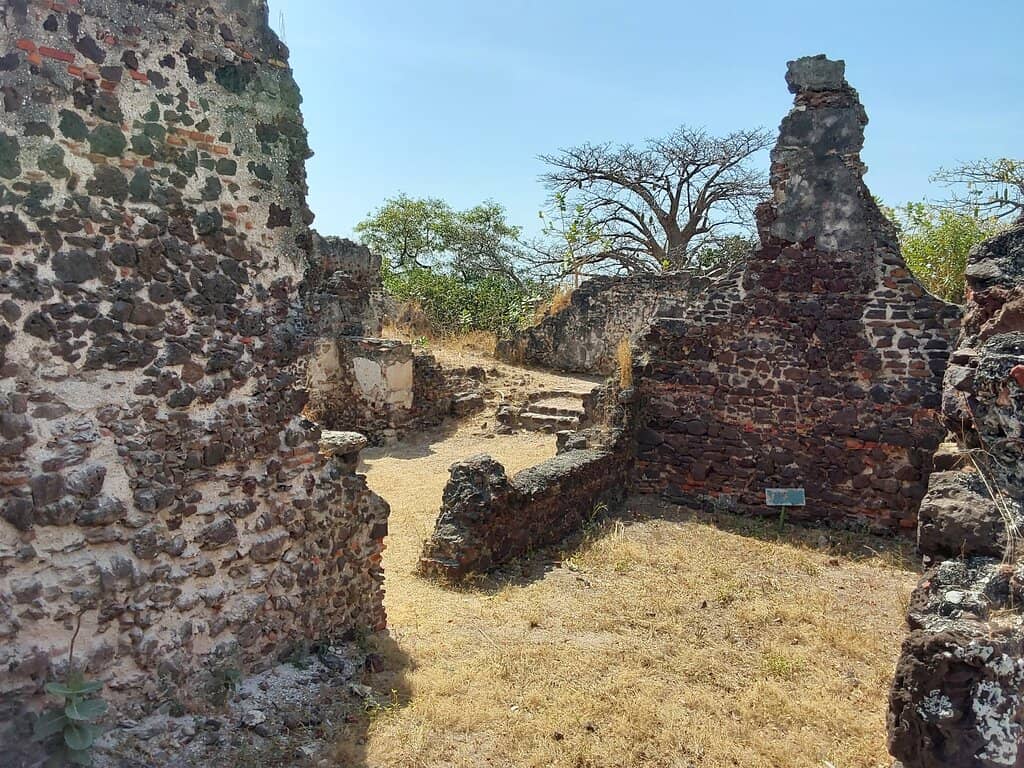
Explore the remnants of the colonial fort, a stark reminder of the island's role in the slave trade.
 +1
+1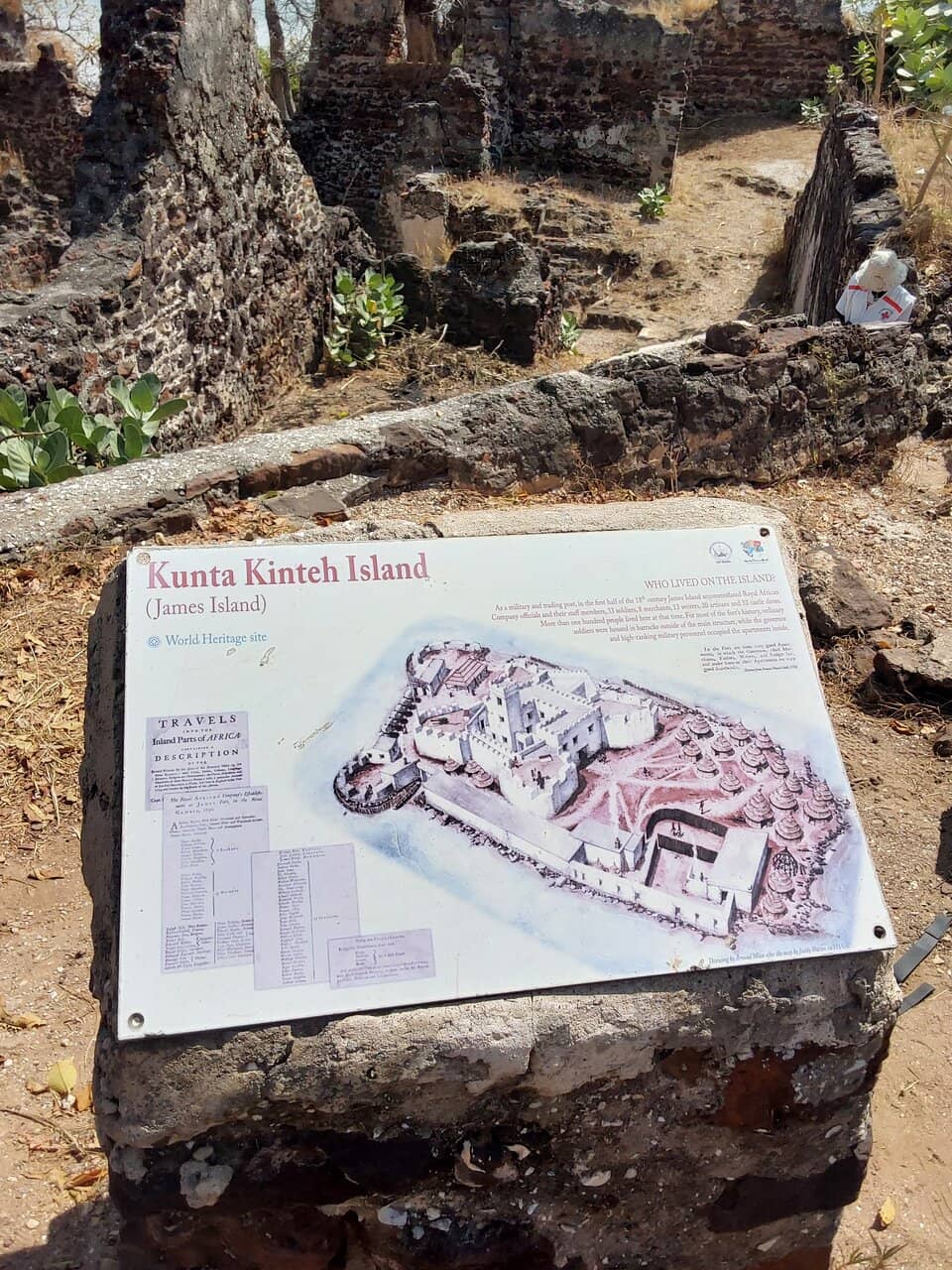
Kunta Kinteh's Legacy
Kunta Kinteh Island
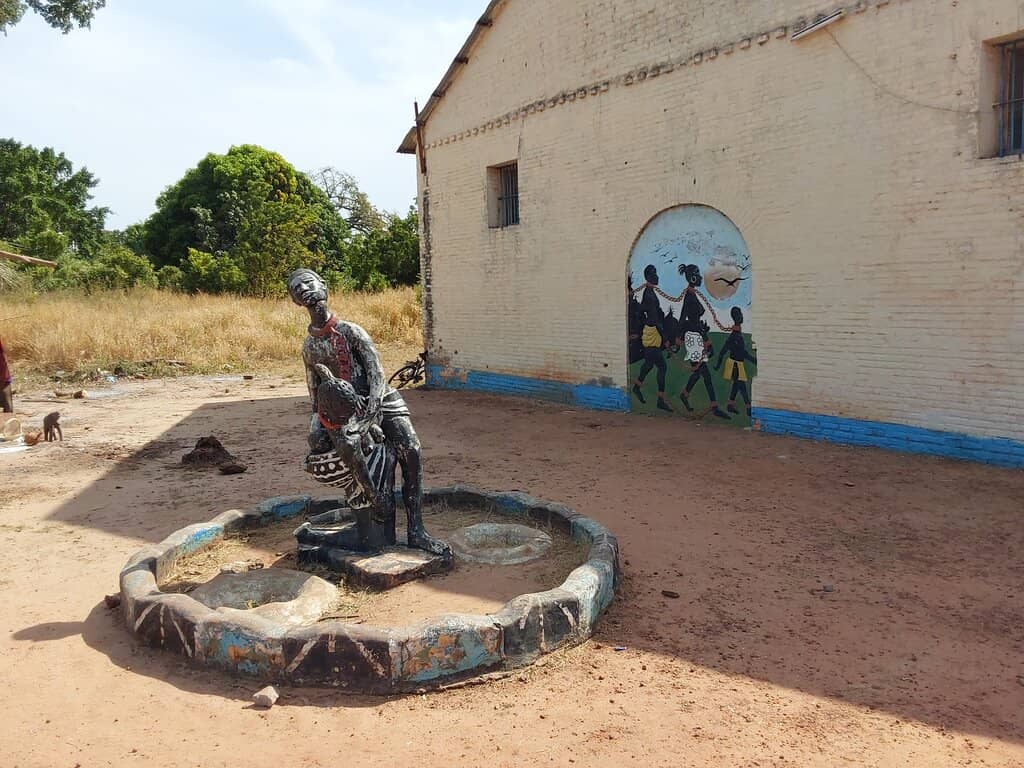
Understand the story of Kunta Kinteh, a symbol of resistance against slavery.
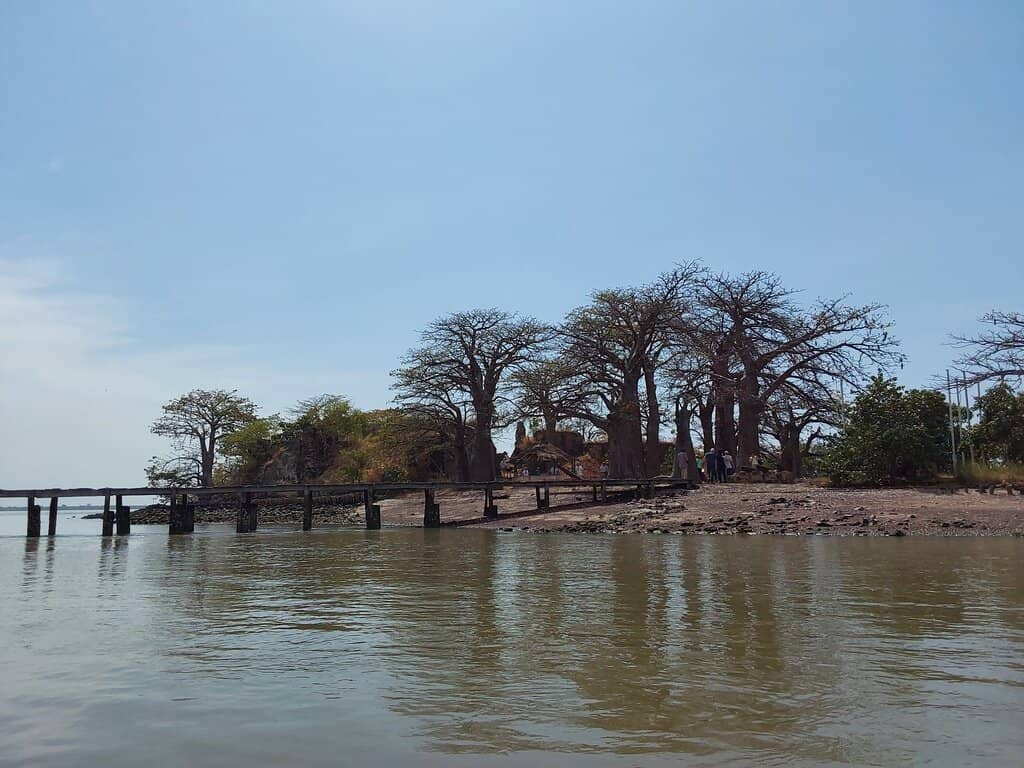
The Gambia River Views
Kunta Kinteh Island
Enjoy scenic views of the Gambia River, contrasting the natural beauty with the island's dark past.
Plans like a pro.
Thinks like you
Planning Your Visit
Embrace the History
Island Access & Preservation
Best Times
Insider Tips
from TikTok, Instagram & Reddit
Hire a Local Guide
Guides bring the history to life with passion and detail. Essential for understanding the island's significance. +1
Boat Trip Essential
Access is via a short boat ride from the mainland. Enjoy the river views on your way.
Prepare for Emotion
The history is deeply moving. Be ready for a profound and emotional experience.
Visit the Museum
A small but informative museum complements the island visit, offering further context.
Tips
from all over the internet
Hire a Local Guide
Guides bring the history to life with passion and detail. Essential for understanding the island's significance. +1
Boat Trip Essential
Access is via a short boat ride from the mainland. Enjoy the river views on your way.
Prepare for Emotion
The history is deeply moving. Be ready for a profound and emotional experience.
Visit the Museum
A small but informative museum complements the island visit, offering further context.
What Travellers Say
Reviews Summary
Visitors find Kunta Kinteh Island to be a deeply moving and historically significant site, with local guides praised for their knowledge and passion. While the island's tragic past is palpable, the experience is considered essential for understanding Gambian history and the slave trade. Some note the island's erosion and the need for preservation efforts.
"A once in a lifetime experience for history nerds. Absolutely fascinating and incredibly moving. The local guides knowledge and passion helped to bring the awful history to life."
Sheilagh Allcorn
"A lot of tragic history in this place. The first landing of Europeans in the Gambia, near 600 years ago. And for hundreds of years to follow it was the seat of government with the British, the Latvians(!), the French. Very recommended to visit!"
Bjørn
"We had a great guided tour by Lamin who showed us around and explained the history of Kunta Kinteh Island."
Teresa
What People Like
What People Dislike
Frequently Asked Questions
🚇 🗺️ Getting There
You'll typically take a boat from the mainland, often from Jufureh or Albreda. The boat ride itself offers scenic views of the Gambia River.
Parking is usually available at the mainland departure points, though it may be basic.
Taxis or private hire vehicles are common options from major towns in The Gambia.
Yes, on clear days, the island is visible from the mainland shore.
The boat trip is usually quite short, often just a few minutes, depending on the departure point.
🎫 🎫 Tickets & Entry
Tickets are typically purchased on-site or as part of a tour package. It's advisable to confirm with your tour operator.
The island is generally accessible during daylight hours, but specific times may vary. It's best to visit with a guide.
There is usually a fee for visiting the island, which often includes a guided tour.
Yes, guided tours are highly recommended and often included in the visit. Local guides are knowledgeable and passionate.
While possible, visiting independently is not recommended as guides are crucial for understanding the historical context.
🎫 🧭 Onsite Experience
You'll see the ruins of the old fort, learn about the slave trade history, and experience the poignant legacy of Kunta Kinteh.
The terrain can be uneven, and access involves boats and walking. It may be challenging for those with significant mobility issues.
Wear comfortable walking shoes, light clothing, and sun protection. The climate is tropical.
A visit, including the boat trip and guided tour, usually takes a few hours.
Basic facilities may be available, but it's advisable to use restrooms on the mainland before departing.
📸 📸 Photography
Yes, photography is generally allowed, but be respectful of the historical and emotional nature of the site.
The fort ruins, river views, and any memorials offer compelling photographic opportunities.
It's unlikely that drones are permitted due to the historical significance and potential for disturbance. Check local regulations.
Morning or late afternoon light can be ideal for capturing the atmosphere and ruins.
Always ask for permission before photographing individuals.
For Different Travelers
Tailored advice for your travel style
👨👩👧 Families with Kids
Consider visiting the nearby museum as well, which can offer a more structured learning environment. The boat trip to the island can be an exciting part of the adventure for younger family members. Pack plenty of water and sun protection, as the island can get hot.
📚 History Enthusiasts
Take time to explore the fort ruins and imagine the historical events that unfolded here. The island's renaming to honor Kunta Kinteh adds another layer to its narrative of resistance and identity. Visiting the museum afterward will further enrich your historical perspective.
+1🌍 Cultural Explorers
Engage with the local culture by interacting with guides and visiting nearby villages like Jufureh. This holistic approach will provide a deeper appreciation for the island's significance within the broader cultural landscape of The Gambia.
Deep Dives
In-depth insights and expert knowledge
The History of Kunta Kinteh Island
+3The remnants of the colonial fort on the island stand as a stark testament to this dark period. Visitors can explore the ruins, imagining the lives of those held captive and the immense suffering that occurred here. The island's history is not just about slavery; it also represents the complex interactions between African kingdoms and European powers, including periods of French and even Latvian influence. Understanding this multifaceted history is key to appreciating the island's significance.
Today, Kunta Kinteh Island serves as a powerful memorial and educational site. It's a place for reflection, remembrance, and a commitment to ensuring such atrocities are never repeated. The local guides, often descendants of the Mandinka tribe, play a vital role in conveying this history with passion and authenticity, making the experience deeply moving for visitors.
Visiting Kunta Kinteh Island: A Traveler's Perspective
The journey to the island typically involves a short boat ride from the mainland, offering scenic views of the Gambia River. Upon arrival, visitors explore the ruins of the old fort, a tangible link to the era of the slave trade. Many visitors report feeling a profound emotional connection to the site, describing it as a surreal and moving experience to walk on the ground where such atrocities occurred. The island's shrinking size due to erosion is also noted, adding a sense of urgency to visit.
While the island itself is the main draw, the nearby museum is also recommended for its informative exhibits, especially considering its remote location and limited funding. The overall experience is considered highly valuable for understanding Gambian history and the broader context of the slave trade, leaving visitors with a strong sense of remembrance and a call for 'never again.'

Social
from TikTok, Instagram & Reddit