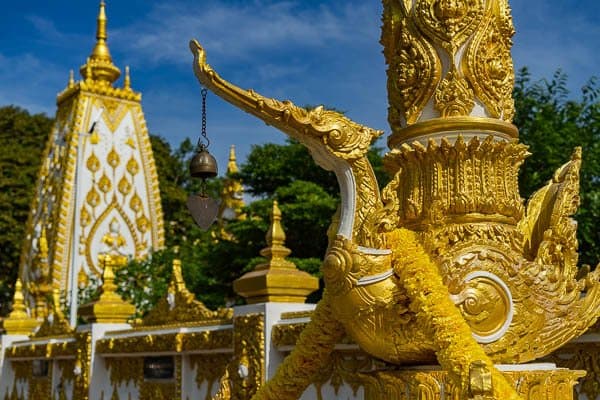
Wat Nong Bua Phra That Nong Bua
A Buddhist temple in Ubon Ratchathani, famed for its golden chedi and exquisite wax carvings, offering a serene cultural experience.

Highlights
Must-see attractions

Social
From TikTok & Reddit
Best Time
Peaceful and cool atmosphere
Wat Nong Bua Phra That Nong Bua
Best Time
Peaceful and cool atmosphere
Highlights
Must-see attractions
A Buddhist temple in Ubon Ratchathani, famed for its golden chedi and exquisite wax carvings, offering a serene cultural experience.
"An amazing temple, pristine and full of awe-inspiring details, well worth exploring for hours."
Dress Modestly
Cover shoulders & knees. Essential for respectful temple visits. :pray:
Explore the Grounds
Don't just see the chedi; discover hidden gems and art throughout the temple. :camerawithflash:
Highlights
Discover the most iconic attractions and experiences
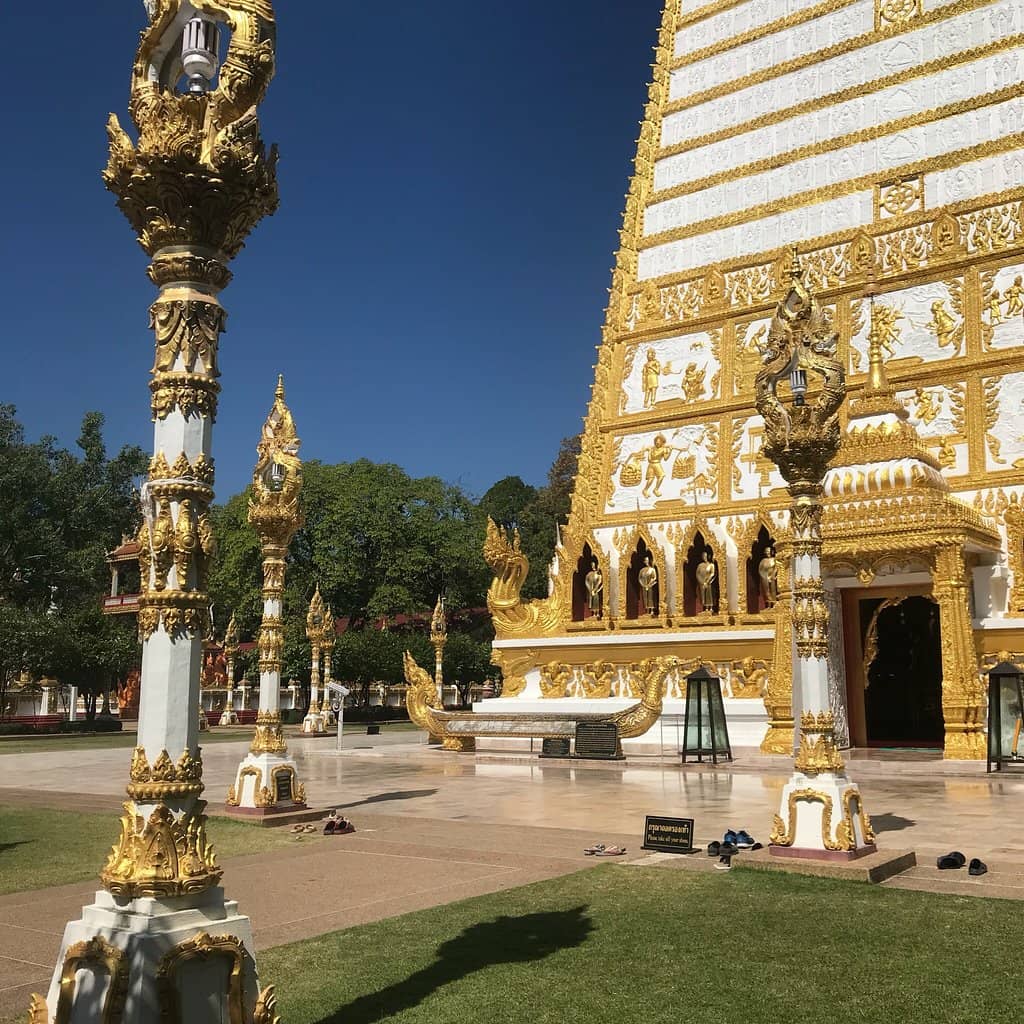
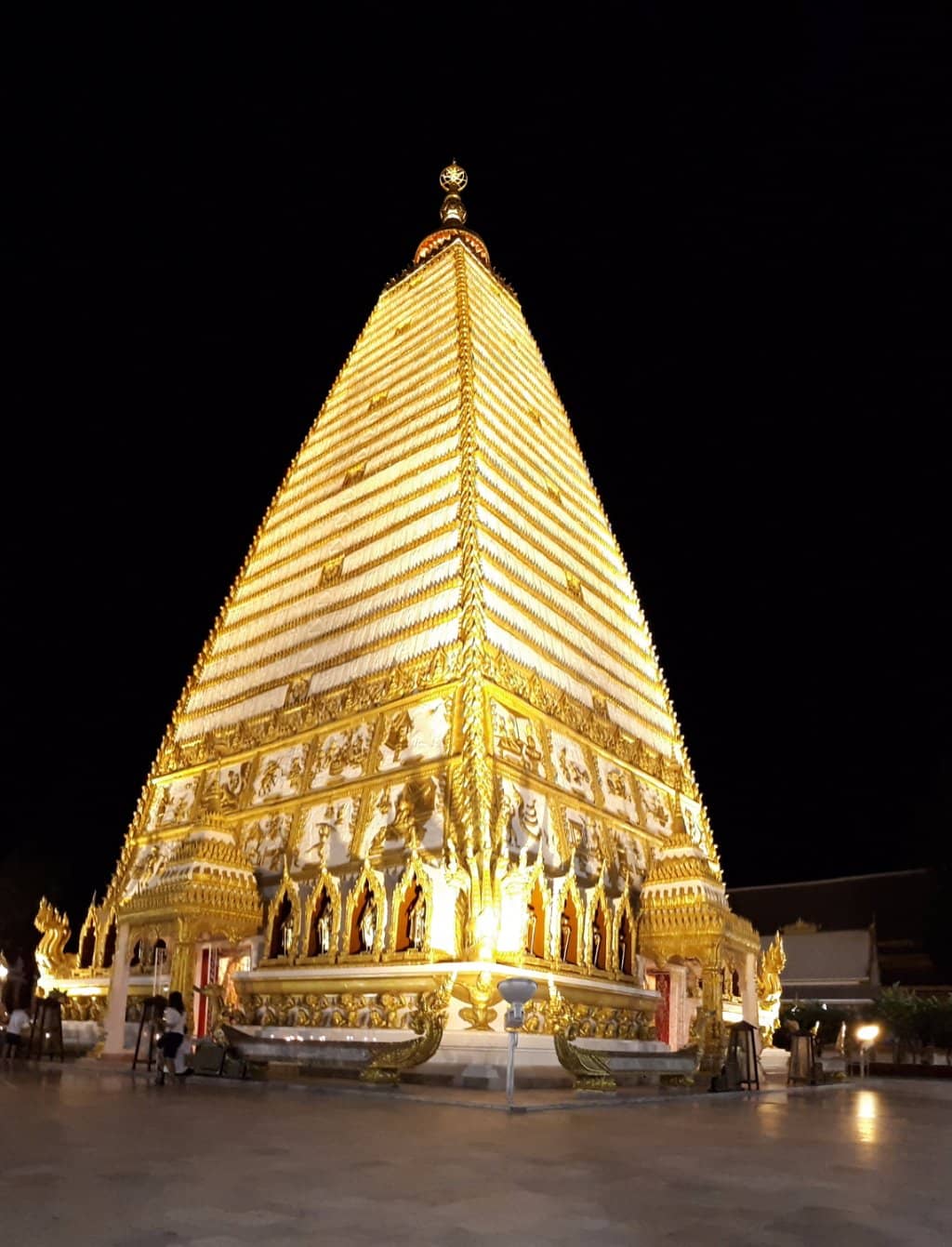
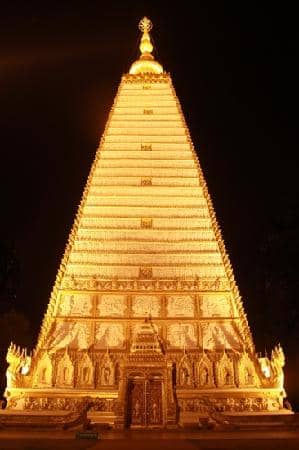
The Soaring Chedi
Main temple grounds
A magnificent, gold-detailed stupa that commands attention, showcasing exquisite craftsmanship.
Intricate Wax Carvings
Temple grounds
Stunning, detailed sculptures crafted from wax, reflecting immense artistic skill and local tradition.
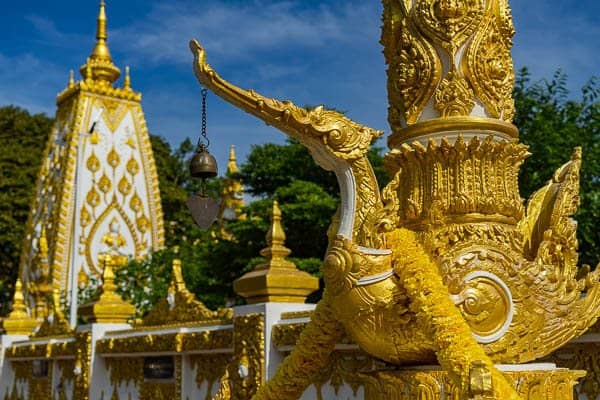
Isan-Style Architecture
Main temple buildings
Experience the unique beauty of Northeastern Thai architectural style, evident in its design and decoration.
Serene Buddha Statues
Uposatha (prayer hall)
Admire the peaceful presence of various Buddha statues within the beautifully adorned prayer hall.
Plans like a pro.
Thinks like you
Planning Your Visit
Timing Your Visit for Tranquility
Respectful Attire and Conduct
Best Times
Insider Tips
from TikTok, Instagram & Reddit
Dress Modestly
Cover shoulders & knees. Essential for respectful temple visits. :pray:
Explore the Grounds
Don't just see the chedi; discover hidden gems and art throughout the temple. :camerawithflash:
Appreciate the Craftsmanship
Take time to marvel at the detailed wax carvings and architecture. :art:
Visit During Festivals
Catch the Ubon Candle Festival for spectacular wax carving displays. :fireworks:
Tips
from all over the internet
Dress Modestly
Cover shoulders & knees. Essential for respectful temple visits. :pray:
Explore the Grounds
Don't just see the chedi; discover hidden gems and art throughout the temple. :camerawithflash:
Appreciate the Craftsmanship
Take time to marvel at the detailed wax carvings and architecture. :art:
Visit During Festivals
Catch the Ubon Candle Festival for spectacular wax carving displays. :fireworks:
What Travellers Say
Reviews Summary
Visitors consistently praise Wat Nong Bua Phra That Nong Bua for its pristine condition, awe-inspiring beauty, and the incredible craftsmanship of its wax carvings and architecture. Many feel a profound sense of reverence and find the temple to be a place of tranquility and wonder. While some regret missing specific festivals, the temple's inherent beauty and artistic merit are universally appreciated.
"Wat an amazing temple! It was pristine the colours clean and sharp, no rubbish anywhere. So much to look at and explore, you feel a real sence of awe and reverence well worth a couple of hours exploring"
stuart wood
"We arrived to see the carved candles and that was amazing. We missed the festival, which is a sight to see...but the carving shows great craftsmanship and artistic abilities of the local people. Beautiful and large temple."
Koko Chainarong
"I enjoy to visit this temple very much. There are many interesting places inside. The temple itself was so beautiful by Isarn style. Surrounded by the Candles crafted."
Rossawan Kamwang
What People Like
What People Dislike
Frequently Asked Questions
🚇 🗺️ Getting There
Wat Nong Bua Phra That Nong Bua is located in Ubon Ratchathani province. You can reach it by taxi or songthaew (shared taxi) from the city center. If driving, follow local road signs. It's a well-known landmark, so asking locals for directions is usually easy.
Yes, there is typically ample parking available at Wat Nong Bua Phra That Nong Bua, especially in the designated areas around the temple complex. This makes it convenient for visitors arriving by private car or motorbike.
While ride-sharing apps are becoming more common in Thailand, their availability and reliability can vary. It's advisable to check the local app coverage or have a local taxi number handy as a backup.
🎫 🎫 Tickets & Entry
Generally, there is no entrance fee to visit Wat Nong Bua Phra That Nong Bua. It is a functioning Buddhist temple, and donations are welcome but not mandatory for entry. Visitors are encouraged to contribute if they wish.
The temple is typically open daily from early morning until late afternoon or early evening. It's best to visit during daylight hours to fully appreciate the architecture and carvings. There are no strict closing times for the grounds, but it's respectful to leave before it gets too dark.
No, advance booking is not required for Wat Nong Bua Phra That Nong Bua as there is no admission fee. You can visit spontaneously during its open hours.
📸 📸 Photography
Photography is generally allowed within the temple grounds, including the exterior of the chedi and the wax carvings. However, always be respectful and refrain from taking photos inside the main prayer hall (Uposatha) during ceremonies or if signs indicate otherwise. Be mindful of other visitors and avoid intrusive photography.
The soaring chedi with its gold detailing is a prime photo opportunity. The intricate wax carvings also make for stunning shots. The Uposatha hall's exterior and the surrounding tranquil gardens offer beautiful backdrops. Early morning or late afternoon light enhances the visual appeal.
Using drones for photography is generally not permitted at religious sites in Thailand without prior permission from temple authorities and relevant government agencies. It's best to assume drones are not allowed to avoid any issues.
🎫 🏛️ Onsite Experience
Most visitors find that 1-2 hours is sufficient to explore Wat Nong Bua Phra That Nong Bua thoroughly. This allows time to admire the chedi, view the wax carvings, and appreciate the Isan-style architecture and serene atmosphere.
The wax carvings are a significant part of the local culture, often created for religious festivals like the Ubon Candle Festival. They showcase incredible artistry and are a testament to the skill of local craftspeople, often depicting Buddhist stories or local motifs.
Yes, basic restroom facilities are usually available within the temple complex for visitors. It's always a good idea to carry your own hand sanitizer.
While the main areas are relatively flat, some parts of the temple might involve stairs or uneven surfaces. It's advisable to check accessibility on-site or contact the temple in advance if you have specific mobility concerns.
🍽️ 🍽️ Food & Dining
Typically, there are no food stalls or restaurants directly within the temple complex itself. However, you can find local eateries and street food vendors in the surrounding areas of Ubon Ratchathani city, offering a variety of Thai dishes.
Near the temple, you can explore local Isan (Northeastern Thai) cuisine. Popular dishes include Som Tum (papaya salad), Larb (minced meat salad), and sticky rice. Don't miss trying some of the local sweets and snacks.
For Different Travelers
Tailored advice for your travel style
👨👩👧 Families with Kids
📸 Photography Enthusiasts
Deep Dives
In-depth insights and expert knowledge
The Artistry of Wax Carvings
These wax carvings are a significant cultural tradition in Ubon Ratchathani, highlighting the region's rich artistic heritage. While some carvings are temporary and displayed during festivals, the temple often preserves or displays examples of this art form year-round. Experiencing these detailed works up close offers a unique insight into the local culture and the importance of Buddhist art in daily life. It's a visual feast that complements the architectural beauty of the temple itself, making it a must-see for art enthusiasts and cultural explorers alike.
Exploring the Isan Architectural Style
Visitors often comment on the temple's overall beauty and the distinctiveness of its construction. The use of color, the patterns in the eaves, and the overall layout contribute to a sense of place that is deeply rooted in the region's cultural identity. The serene atmosphere within the prayer hall, adorned with beautiful escalation ceilings and Buddha statues, further enhances the spiritual and aesthetic experience. Appreciating the Isan architectural style provides a deeper understanding of the temple's cultural context and its significance within the local community.
Social
from TikTok, Instagram & Reddit