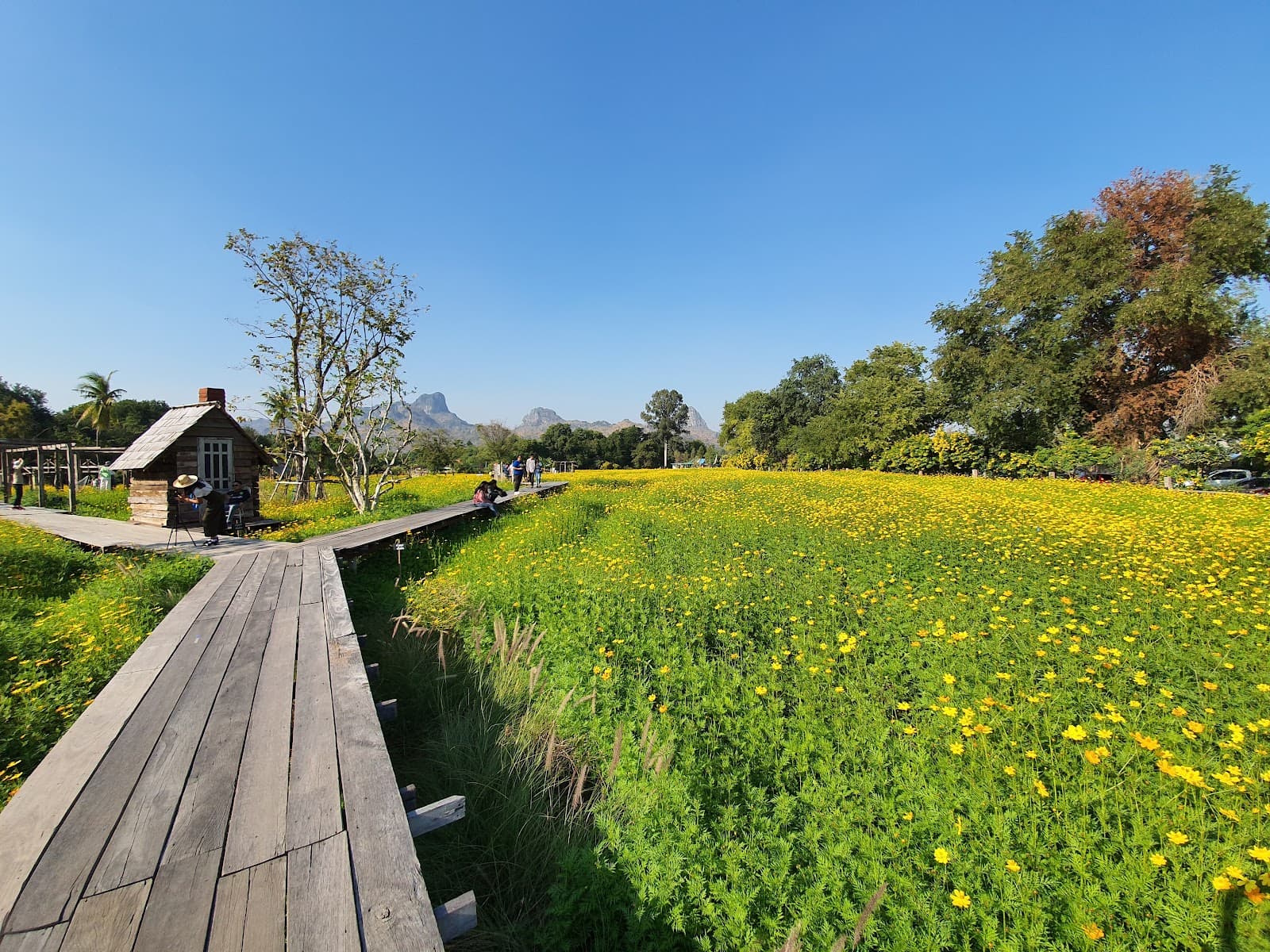
Phibun-era Modernist District
Explore Lopburi's mid-20th-century architectural gems, showcasing Thailand's modernist ambitions and urban planning.
Highlights
Must-see attractions

Social
From TikTok & Reddit
Best Time
Fewer crowds, better light
Phibun-era Modernist District
Best Time
Fewer crowds, better light
Highlights
Must-see attractions
Explore Lopburi's mid-20th-century architectural gems, showcasing Thailand's modernist ambitions and urban planning.
"A quiet, walkable district offering a fascinating glimpse into Thailand's post-war development and design."
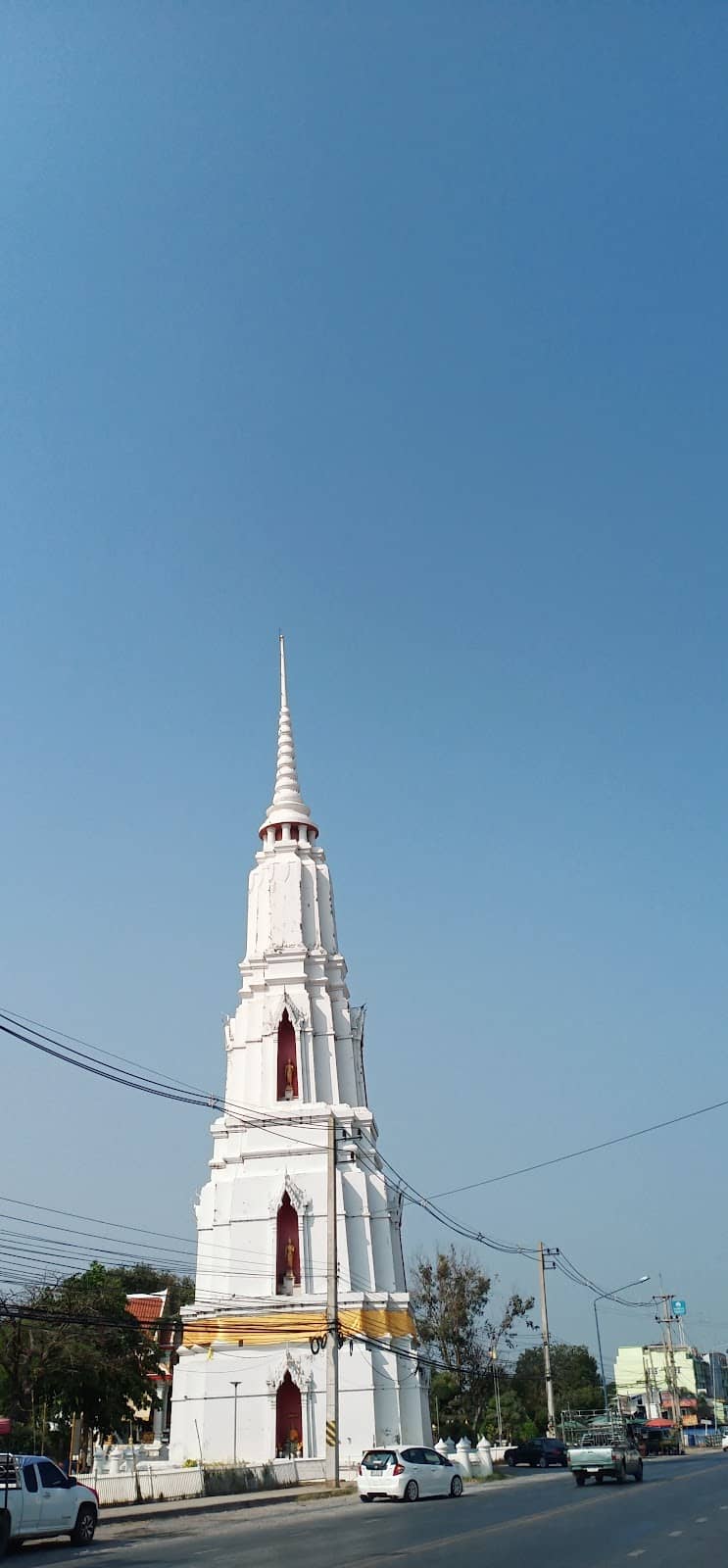
🚶♀️ Wear Comfortable Shoes
You'll be doing a lot of walking to appreciate the architectural details. :athletic_shoe:
☀️ Stay Hydrated
Lopburi can get hot. Carry plenty of water, especially when exploring on foot. :droplet:
Highlights
Discover the most iconic attractions and experiences
Government Buildings
Various locations throughout the district
Discover imposing structures reflecting a nation's post-war ambition and modernist ideals. A visual feast for architecture enthusiasts.
Residential Architecture
Side streets and avenues
Explore charming modernist homes and apartment blocks, showcasing the era's influence on everyday Thai living. Look for clean lines and functional design.
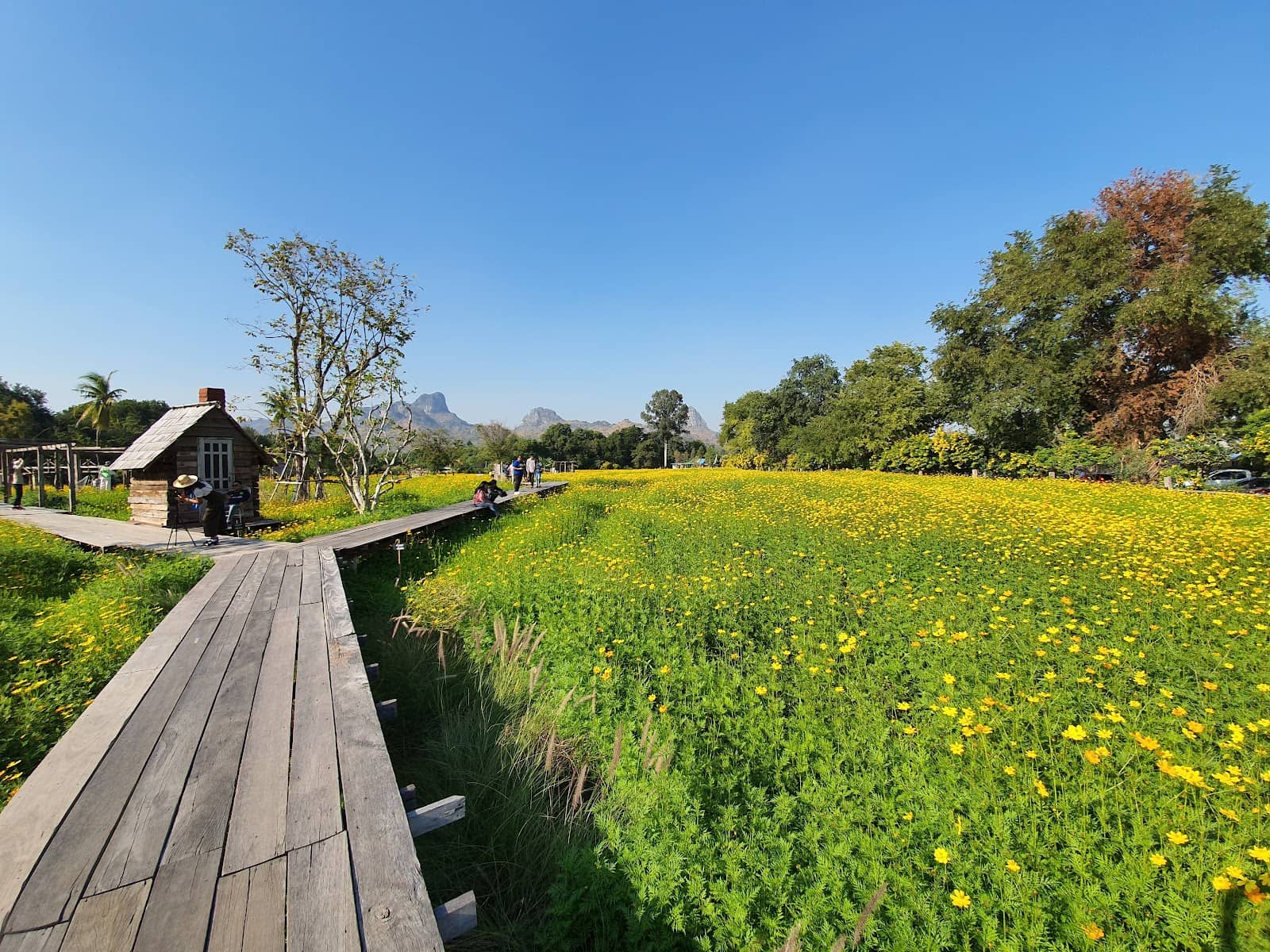
Public Spaces
Parks and plazas
Find remnants of public spaces designed with modernist principles, offering a glimpse into urban planning of the mid-20th century.
Plans like a pro.
Thinks like you
Planning Your Visit
Embrace the Phibun Era
Lopburi's Hidden Gem
Best Times
Insider Tips
from TikTok, Instagram & Reddit
🚶♀️ Wear Comfortable Shoes
You'll be doing a lot of walking to appreciate the architectural details. :athletic_shoe:
☀️ Stay Hydrated
Lopburi can get hot. Carry plenty of water, especially when exploring on foot. :droplet:
📸 Bring Your Camera
The unique architecture is a photographer's dream. Capture the clean lines and historical charm. :camerawithflash:
🗺️ Explore Beyond Main Roads
Some of the most interesting modernist homes are found on quieter side streets. :world_map:
What to do in Lopburi?
Tips
from all over the internet
🚶♀️ Wear Comfortable Shoes
You'll be doing a lot of walking to appreciate the architectural details. :athletic_shoe:
☀️ Stay Hydrated
Lopburi can get hot. Carry plenty of water, especially when exploring on foot. :droplet:
📸 Bring Your Camera
The unique architecture is a photographer's dream. Capture the clean lines and historical charm. :camerawithflash:
🗺️ Explore Beyond Main Roads
Some of the most interesting modernist homes are found on quieter side streets. :world_map:
What Travellers Say
Reviews Summary
Visitors find the Phibun-era Modernist District a unique and historically significant area, offering a different perspective on Lopburi beyond its famous monkey temples. While not as visually dramatic as ancient ruins, its modernist architecture provides a fascinating glimpse into Thailand's mid-20th-century development and urban planning. It's a quiet, walkable district appreciated by those interested in history and design.
What People Like
What People Dislike
Frequently Asked Questions
🚇 🗺️ Getting There
The Phibun-era Modernist District is located within Lopburi city. If you're arriving in Lopburi by train or bus, you can take a local songthaew (shared taxi) or a taxi to the central areas where these buildings are concentrated. Many are within walking distance of each other once you're in the vicinity. :bus: :taxi:
Yes, the district is relatively walkable. The main modernist buildings are spread across a few key streets and avenues. Using a map app on your phone can help you locate specific structures. :world_map:
Driving is possible, but parking can be challenging in some areas. Cycling is a great option for exploring at your own pace, especially on quieter streets. :bike:
🎫 🎫 Tickets & Entry
No, most of the Phibun-era modernist architecture is part of the urban landscape and can be viewed from the outside without tickets. Some government buildings might have restricted access, but the general exploration is free. :free_admission:
Since it's an open urban area, you can explore the Phibun-era Modernist District at any time. However, for the best experience and photography, visiting during daylight hours is recommended. :sunrise: :sunset:
Guided tours specifically for the Phibun-era Modernist District are not widely advertised. However, local guides in Lopburi might be able to arrange a tour focusing on this architectural period if you inquire in advance. :guide_dog:
📸 📸 Photography
Look for the clean lines of government buildings, the symmetry of residential blocks, and any public spaces designed during that era. The late afternoon 'golden hour' offers beautiful light for capturing the architecture. :camerawithflash:
Generally, photography is allowed in public areas. However, be respectful if you are photographing private residences or active government buildings. Always ask permission if unsure. :camerawithflash:
🎫 🏛️ History & Context
This district represents a period of significant national development and modernization in Thailand under Prime Minister Plaek Phibunsongkhram. The architecture reflects a desire for a modern, Western-influenced national identity. :flag_th:
The modernist architectural style, influenced by Western trends, gained prominence in Thailand during the mid-20th century, particularly from the 1940s through the 1960s, aligning with the Phibun government's modernization efforts. :calendar:
For Different Travelers
Tailored advice for your travel style
👨👩👧 Families with Kids
🚶♀️ Solo Travelers & Explorers
🏛️ Architecture Enthusiasts
Deep Dives
In-depth insights and expert knowledge
Understanding Phibun-Era Modernism
Architects of the time drew inspiration from international modernist movements, integrating them with local climate considerations. You'll notice large windows for ventilation, flat roofs, and a sense of order and symmetry in many of the structures. This architectural style was not just about aesthetics; it symbolized a forward-looking nation aiming to establish itself on the global stage. Exploring this district offers a unique perspective on Thailand's post-war development and its engagement with global design trends.
Many of these buildings served as government offices, public institutions, and residential complexes, reflecting the era's focus on national progress and urban planning. While some structures may show signs of age, their underlying design integrity remains. It's a testament to the enduring principles of modernist architecture and a valuable piece of Thailand's architectural heritage.
Exploring Lopburi's Architectural Layers
While the ancient sites speak of centuries past, the modernist buildings tell a story of post-war nation-building and a drive towards modernity. This architectural juxtaposition makes Lopburi a richer destination for history and architecture enthusiasts. You can spend your morning exploring ancient history and your afternoon appreciating the mid-century urban design.
For travelers interested in understanding Thailand's evolution, visiting this district provides context for how the country embraced modern ideas and aesthetics. It’s a chance to see a different facet of Lopburi, moving beyond its most famous attractions to discover a more subtle, yet significant, part of its heritage.
Social
from TikTok, Instagram & Reddit