Former Slave Market and Chambers
A deeply moving historical site in Stone Town, Zanzibar, revealing the brutal realities of the East African slave trade.
Highlights
Must-see attractions

Social
From TikTok & Reddit
Best Time
Less crowded, more reflective
Former Slave Market and Chambers
Best Time
Less crowded, more reflective
Highlights
Must-see attractions
A deeply moving historical site in Stone Town, Zanzibar, revealing the brutal realities of the East African slave trade.
"Disturbing but an eye opening experience, mixed feelings flooded my heart."
Allocate Enough Time
Allow at least 1-2 hours to fully absorb the history and exhibits. Guides can take about 30 minutes.
Consider a Guide
Volunteer guides offer invaluable insights and stories, making the experience more impactful. Tip them well!
Highlights
Discover the most iconic attractions and experiences
The Anglican Church
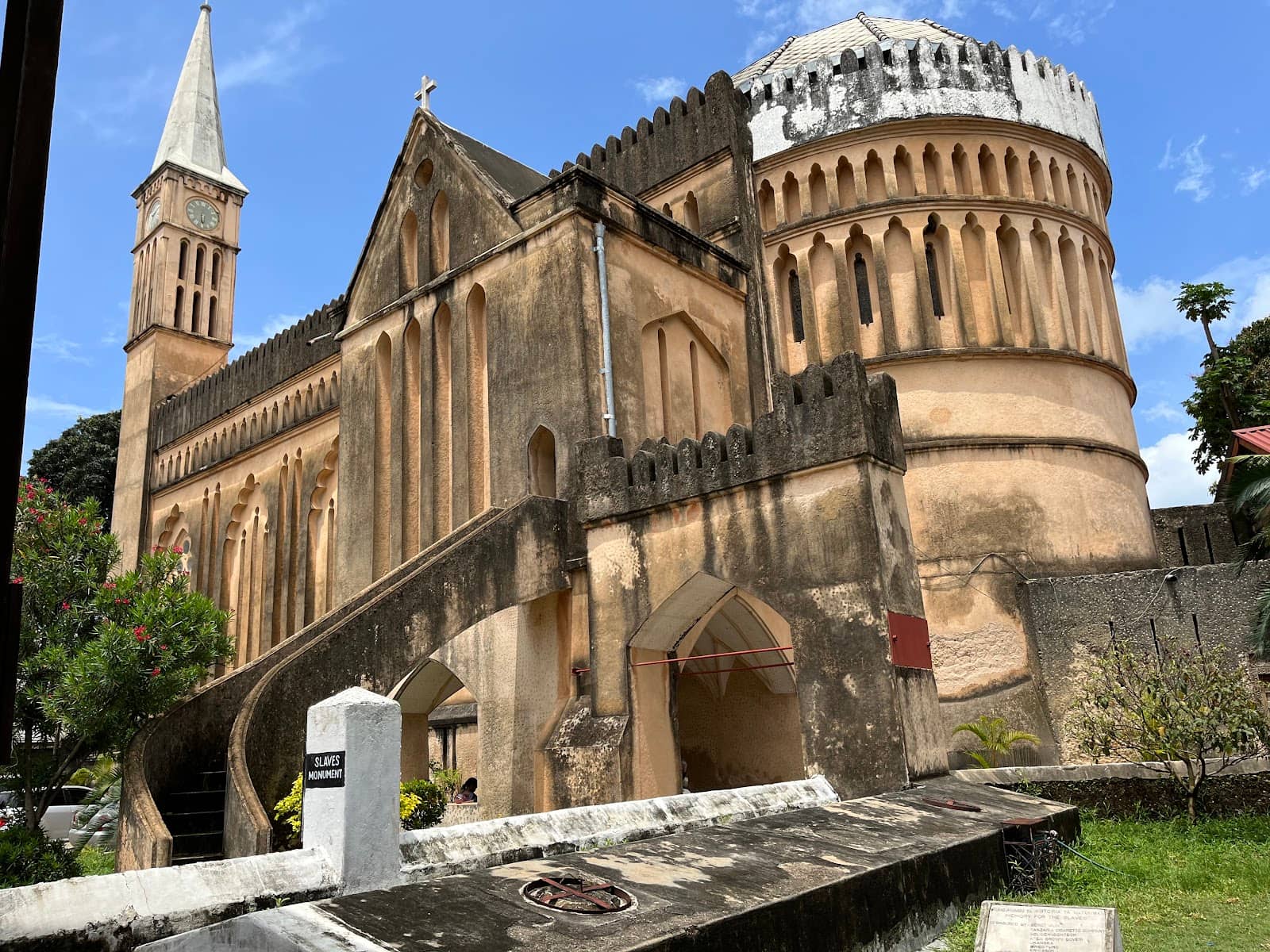
Built on the site of the whipping post
A beautiful church with a rare pipe organ, built to commemorate the end of slavery.
Slave Monument
Outdoor memorial
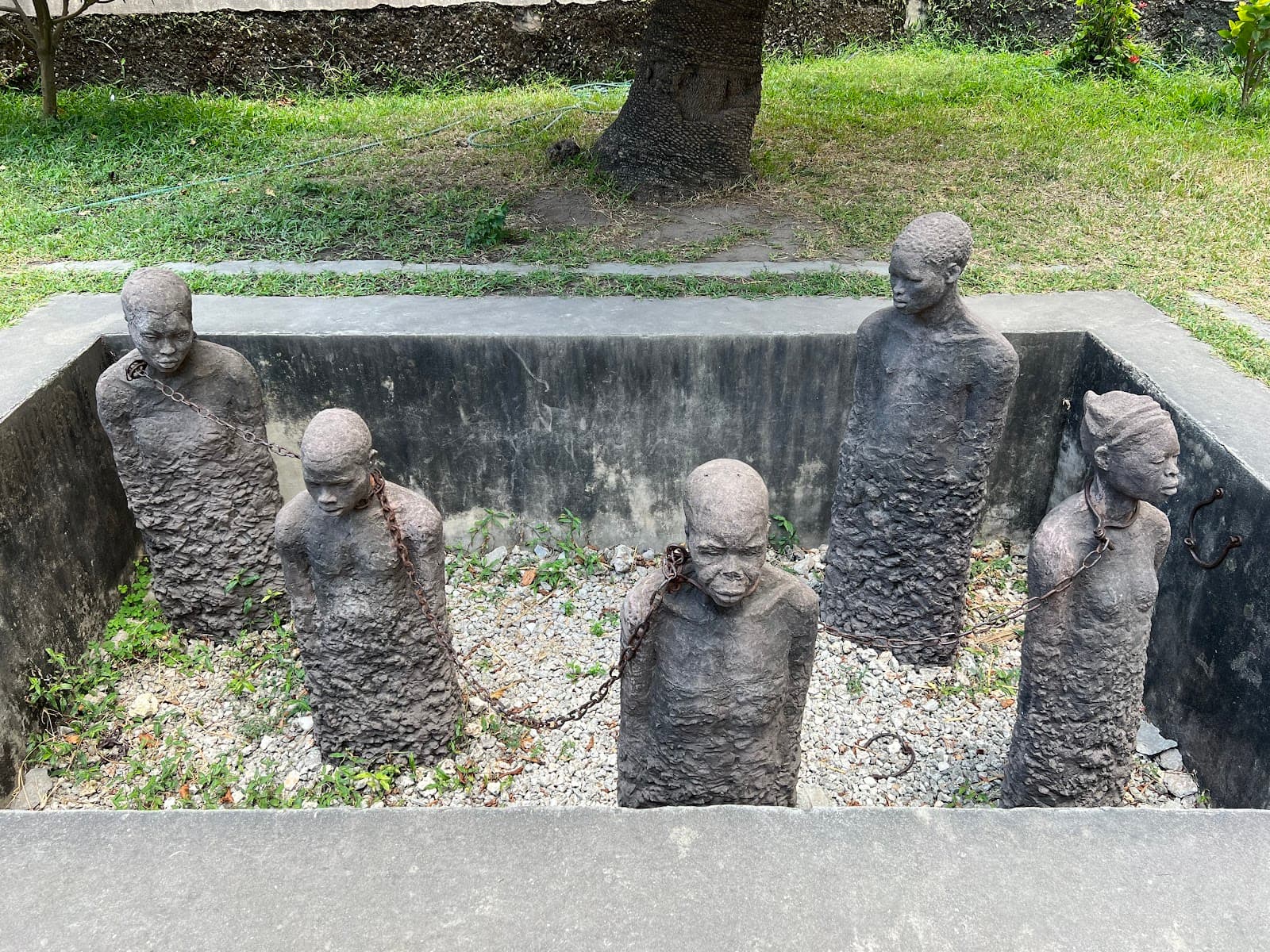
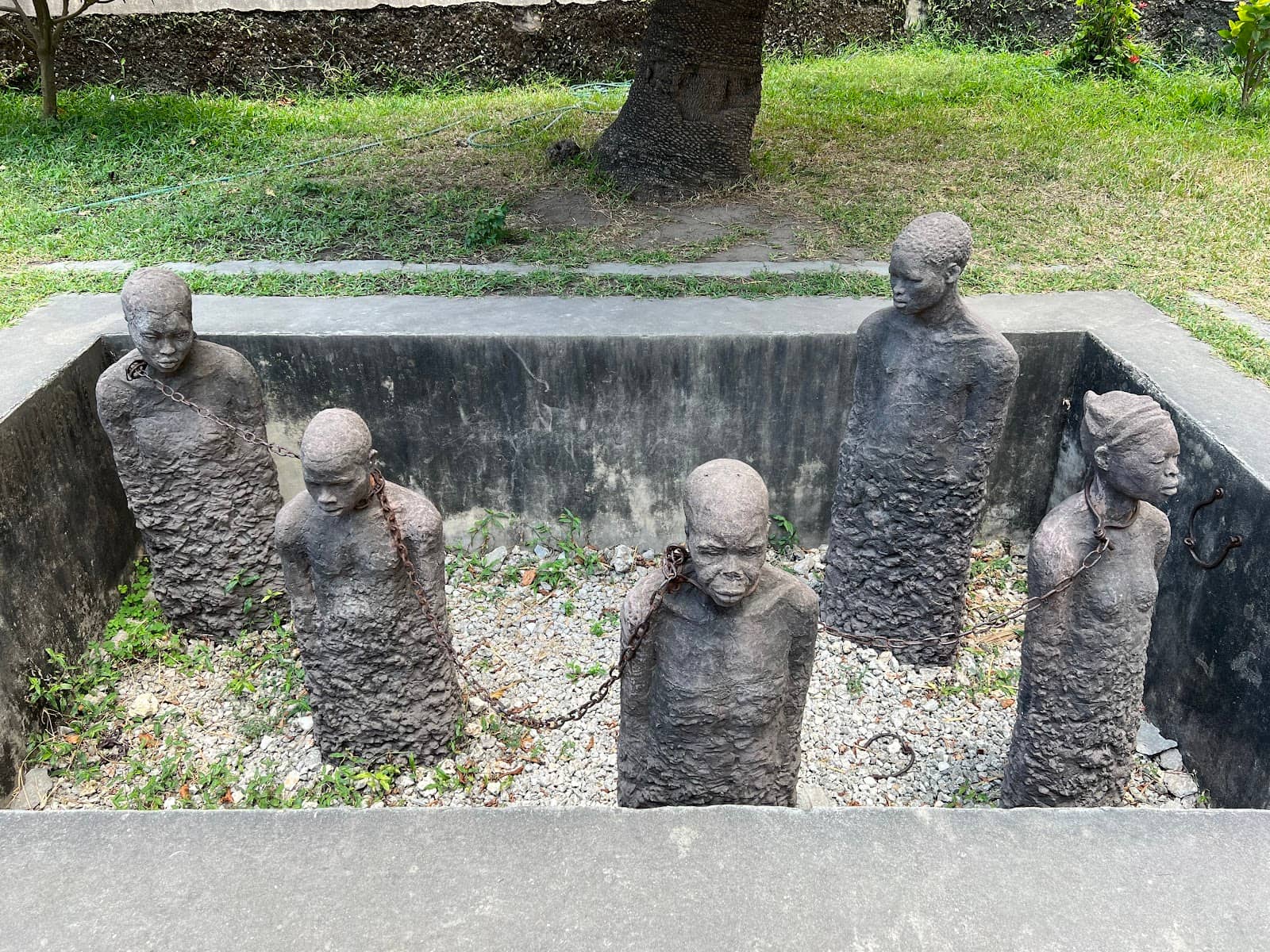
A poignant monument featuring original chains, a touching tribute to the victims of the slave trade.
Prisoner Chambers
Underground rooms
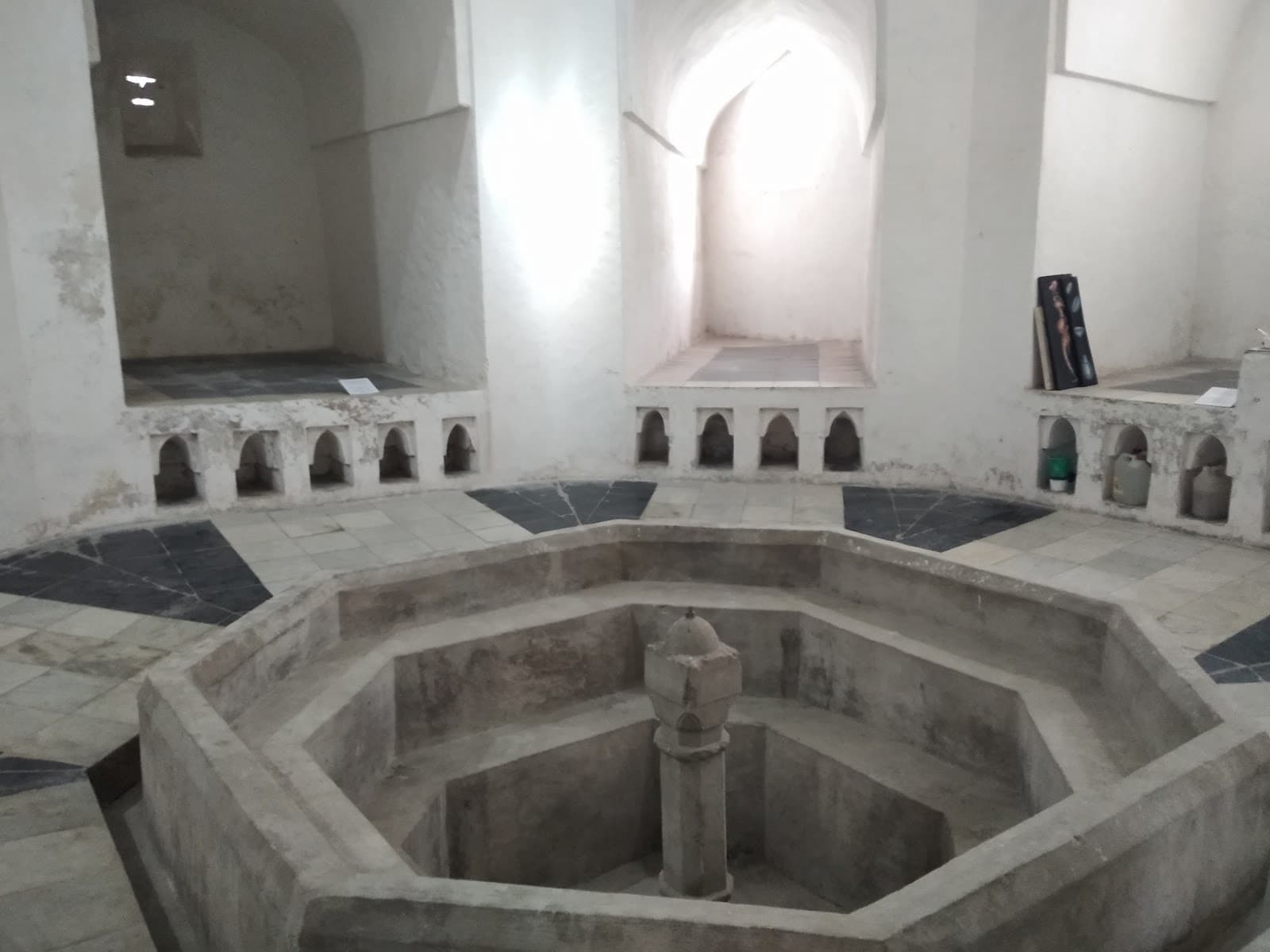
Small, dark rooms where men, women, and children were held in cramped conditions.
Informative Wall Displays
Upstairs exhibition area
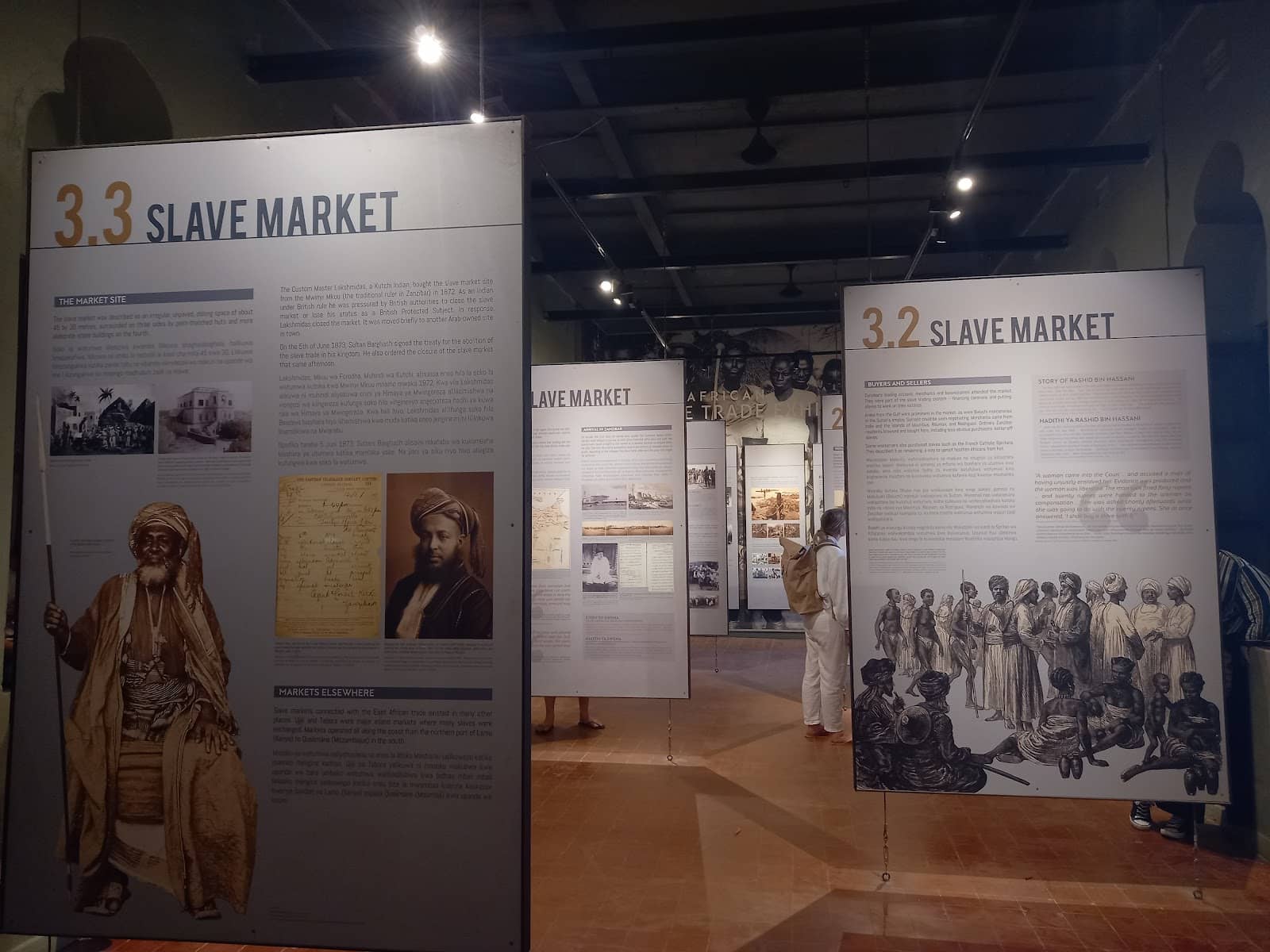
Detailed boards with information, personal histories, and photos of the slave trade and its abolition.
Plans like a pro.
Thinks like you
Planning Your Visit
Prepare for a Somber Experience
Understand the Value Proposition
Best Times
Insider Tips
from TikTok, Instagram & Reddit
Allocate Enough Time
Allow at least 1-2 hours to fully absorb the history and exhibits. Guides can take about 30 minutes.
Consider a Guide
Volunteer guides offer invaluable insights and stories, making the experience more impactful. Tip them well! +1
Prepare for Emotion
This is a deeply moving and somber site. Be prepared for a challenging emotional experience.
Cash for Entry
Entry fee is typically $5 USD. It's best to have cash on hand, though card payments might be accepted.
Tips
from all over the internet
Allocate Enough Time
Allow at least 1-2 hours to fully absorb the history and exhibits. Guides can take about 30 minutes.
Consider a Guide
Volunteer guides offer invaluable insights and stories, making the experience more impactful. Tip them well! +1
Prepare for Emotion
This is a deeply moving and somber site. Be prepared for a challenging emotional experience.
Cash for Entry
Entry fee is typically $5 USD. It's best to have cash on hand, though card payments might be accepted.
Respectful Attire
Dress modestly out of respect for the historical and religious significance of the site.
What Travellers Say
Reviews Summary
The Former Slave Market is a historically significant site that offers a somber and eye-opening glimpse into Zanzibar's past. While some visitors found the exhibits could be more extensive for the price, the emotional impact and the insights gained from knowledgeable guides are widely praised. It's an essential, albeit challenging, experience for understanding the island's complex history.
"The Slave Museum undoubtedly carries strong historical significance, but the overall experience was rather disappointing. Apart from the original chains that were once used and the cellar where up to 75 prisoners were held for two days, there isn’t much else to see. The $10 entrance fee did not reflect the value of the visit. If you are truly interested in the history, you will likely learn much more about it online than in the museum itself."
Petr Svoboda
"This is split into three parts really.
The first is a visit inside the Anglican church, which is very beautiful and built around the old "Whipping Post". The church is still in use now and has a beautiful pipe organ (only 1 of 2 in Africa) - there's only one man on the island that knows how to play it so it'll be an unfortunate day when he's no longer able.
Moving on from the church there is a monument in memory of the slave trade, which is quite touching and certainly brings your own struggles etc into sharp relief. The monument actually uses some of the original 200 year old chains that bound the slaves on this site.
Indoors you go downstairs to the two rooms where they kept the men (approximately 50 in one room) and the women/children (75 in one room). There are small slits in the walls acting as a light and air source. The ceilings are too low to stand up straight.
Upstairs there is quite a lot of information to read through on large boards about the slave trade, it's abolition and some real life personal histories.
There's a very sombre feel to the place and I felt a little apprehensive moving around the site.
It costs 5 USD per person to enter, we already had a guide for the day who came in with us but there are also volunteers on site that will guide you round.
There are clean bathrooms available.
A small primary school sits on the edge of the grounds and they are very welcoming to visitors and want to show off their work."
Gary Bowdery
"We visited this place during our tour of Stone Town, and I must say it is a true historical must-see. The exhibition, located at the site of the former slave market, offers a moving and eye-opening perspective on the East African slave trade. The displays are well curated with photos, documents, and testimonies that bring this painful history to life.
Knowledgeable guides are available to walk you through the exhibition and share detailed stories, which makes the visit even more powerful and meaningful. It’s not always an easy visit emotionally, but it is an essential one to better understand Zanzibar’s past and its role in regional and global history."
Nafissa
What People Like
What People Dislike
Frequently Asked Questions
🚇 🗺️ Getting There
The Former Slave Market is located in the heart of Stone Town, Zanzibar. It's easily accessible on foot if you're already exploring the town. Taxis are also readily available to take you to the general Stone Town area.
Yes, it's a well-known historical site within Stone Town. Look for signs pointing to the Anglican Cathedral, as the market is adjacent to it.
Most hotels in Stone Town are within walking distance of the Former Slave Market. It's a great way to experience the charming streets of the old city.
Parking in Stone Town can be challenging due to its narrow streets. It's generally recommended to walk or take a taxi to the vicinity rather than driving directly to the site.
Many visitors combine a visit to the Former Slave Market with a broader Stone Town tour. This allows you to see multiple historical sites in one go.
🎫 🎫 Tickets & Entry
The entrance fee is typically around $5 USD per person. It's advisable to have cash on hand, as card facilities may not always be available.
No, advance booking is generally not required. You can purchase tickets upon arrival at the site.
The site is usually open during daylight hours, but it's best to check locally for the most up-to-date opening times.
Information on discounts is not widely publicized. It's recommended to inquire at the ticket counter upon arrival.
While some visitors feel the exhibits could be more extensive for the price, many find the historical significance and the insights gained from guides make it worthwhile. +1
🎫 🧭 Onsite Experience
You'll see the Anglican Church built on the old whipping post site, a monument with original chains, and the cramped underground chambers where slaves were held. There are also informative wall displays.
Yes, volunteer guides are usually available on-site. They provide crucial historical context and personal stories, greatly enhancing the visit. +1
A visit, especially with a guide, usually takes between 30 minutes to 2 hours, depending on how much time you spend reading the displays.
Yes, many visitors find the site to be emotionally challenging and somber due to the dark history it represents.
Yes, clean restrooms are available on the grounds.
📸 📸 Photography
Photography is generally permitted in most areas, but it's always respectful to ask guides or staff if you're unsure, especially inside the church or exhibition rooms.
The slave monument with the chains and the exterior of the Anglican Church are popular photo opportunities. The chambers themselves are dimly lit, making photography challenging.
Be mindful of the solemn nature of the site. Avoid intrusive photography, especially of any remaining artifacts or sensitive areas.
It's polite to ask for permission before taking photos of individuals, including guides.
For the chambers, a camera with good low-light performance or a tripod might be helpful, but focus on capturing the atmosphere rather than perfect clarity.
For Different Travelers
Tailored advice for your travel style
👨👩👧 Families with Kids
If you do decide to visit, consider the age and maturity of your children. It might be beneficial to discuss the topic of slavery in an age-appropriate manner beforehand. Focus on the lessons of resilience and the importance of freedom. Guides can sometimes tailor their explanations, but it's wise to communicate your needs.
🤔 Budget Travelers
To maximize value, opt for the volunteer guides who are available on-site. While they work for tips, their insights are invaluable and significantly enhance the understanding of the site's history. This approach allows for a rich historical immersion without a high cost.
🧐 History Enthusiasts
Engaging with the on-site guides is highly recommended, as they can offer deeper narratives and context that go beyond the written displays. Visiting this site provides a crucial understanding of Zanzibar's role in global history and the fight for abolition.
Deep Dives
In-depth insights and expert knowledge
The History of Slavery in Zanzibar
The site of the Former Slave Market is now home to the Anglican Cathedral, a deliberate choice to symbolize the end of this inhumane practice. The cathedral was built directly over the location of the former whipping post, a stark reminder of the violence inflicted upon enslaved people. This juxtaposition of a place of worship built upon a site of suffering is a powerful element of the historical narrative.

Understanding this history is crucial for appreciating Zanzibar's complex past. While the island is now known for its beautiful beaches and vibrant culture, acknowledging and learning from its history of slavery provides a more complete and nuanced perspective for visitors.
The Role of Guides and Interpretation
Guides can explain the significance of the whipping post, the original chains used for the slaves, and the harrowing conditions within the underground chambers. They often share testimonies and historical accounts that are not immediately apparent from the displays alone. This personal touch transforms the visit from a simple viewing of artifacts to an immersive historical experience.
It's highly recommended to engage with a guide and to tip them generously for their efforts. Their knowledge and passion for sharing this difficult history are invaluable. Be prepared to ask questions and engage in dialogue to gain the most from their expertise.
Emotional Impact and Reflection
This emotional impact is a key part of the visit. It serves as a powerful reminder of the atrocities of the past and the importance of remembering and learning from them. Many visitors report feeling a mix of sadness, anger, and gratitude for the progress made since the abolition of slavery.
It's important for visitors to approach this site with an open mind and a willingness to confront difficult truths. The experience can be challenging, but it is also deeply meaningful and contributes to a greater understanding of human history and resilience.

Social
from TikTok, Instagram & Reddit