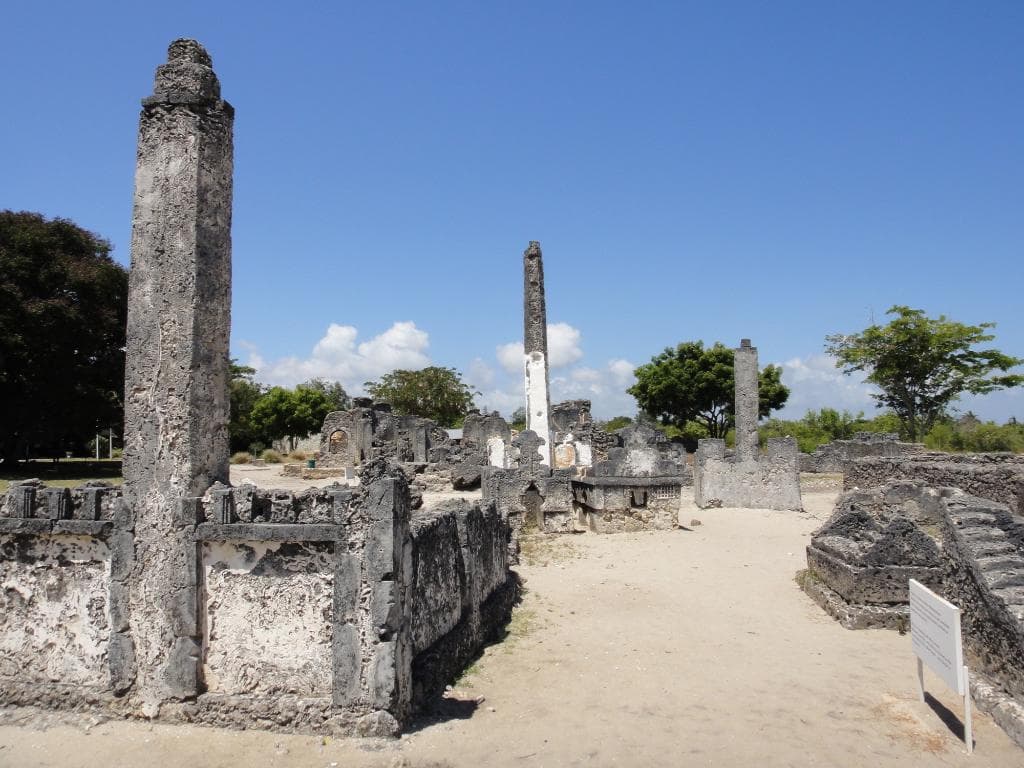
Kaole Ruins Bagamoyo
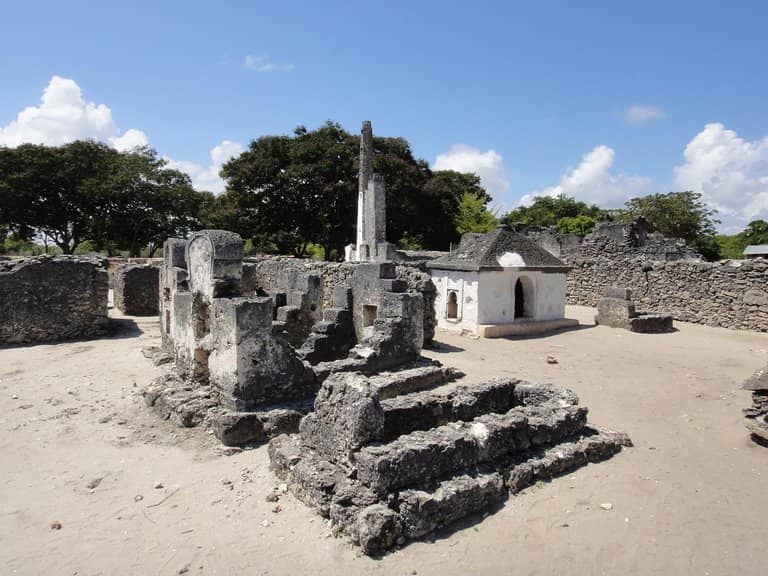
Step back in time at Kaole Ruins, a 13th-century Swahili trading port with ancient mosques, tombs, and a sweet water well.
Highlights
Must-see attractions

Social
From TikTok & Reddit
Best Time
Fewer crowds, cooler temperatures
Kaole Ruins Bagamoyo
Best Time
Fewer crowds, cooler temperatures
Highlights
Must-see attractions
Step back in time at Kaole Ruins, a 13th-century Swahili trading port with ancient mosques, tombs, and a sweet water well.
"A captivating historical site offering a glimpse into Tanzania's rich cultural heritage and ancient trading networks."
🎯 Hire a Local Guide
Enhance your visit with insights into history and culture. Ask for recommendations!
💧 Stay Hydrated
Tanzania's sun can be intense. Carry plenty of water, especially during your exploration.

Highlights
Discover the most iconic attractions and experiences
13th-Century Mosque
Kaole Ruins
One of East Africa's oldest mosques, a testament to early Islamic influence and Swahili architecture.
Ancient Tombs
Kaole Ruins
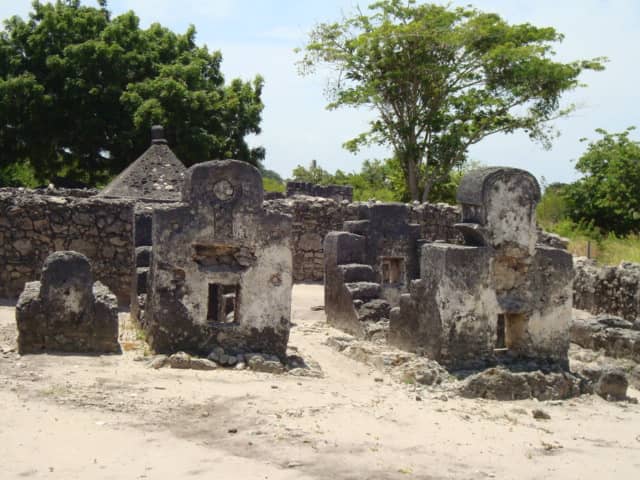
Intricately decorated tombs of early settlers and traders, whispering tales of ancient connections.
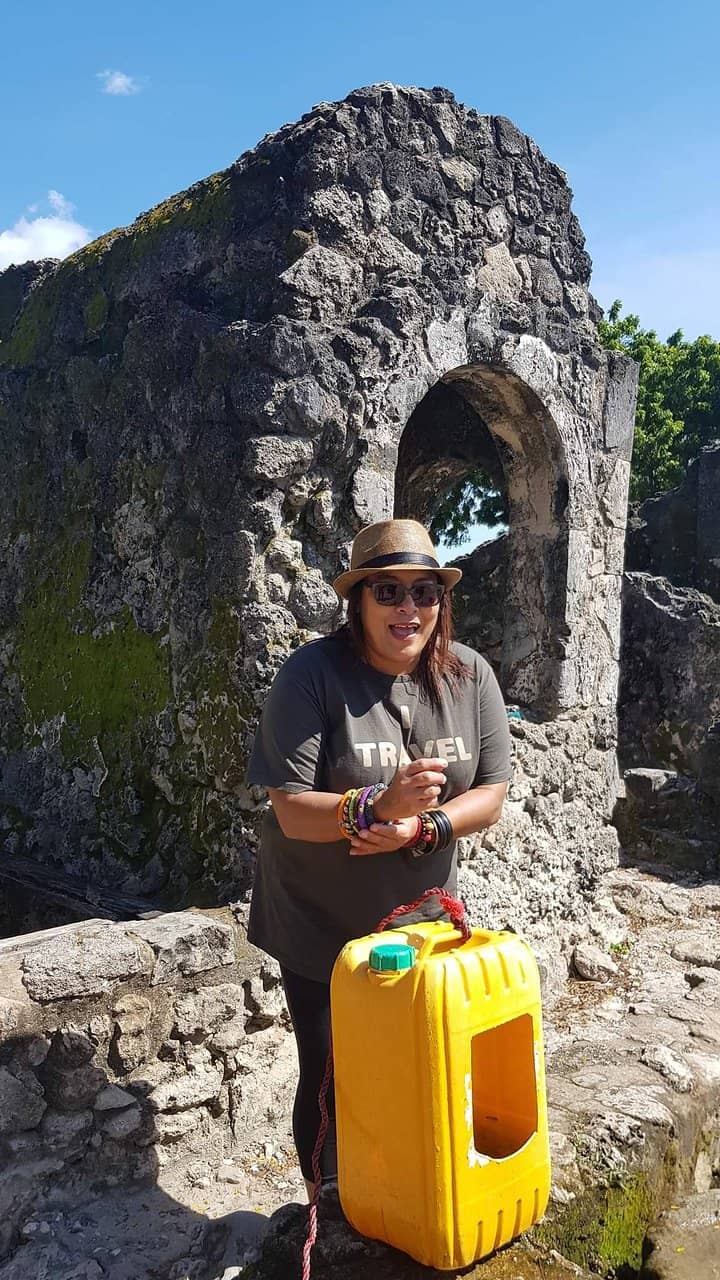
Sweet Water Well
Kaole Ruins
A unique well near the sea that still provides sweet water, a marvel of ancient engineering.
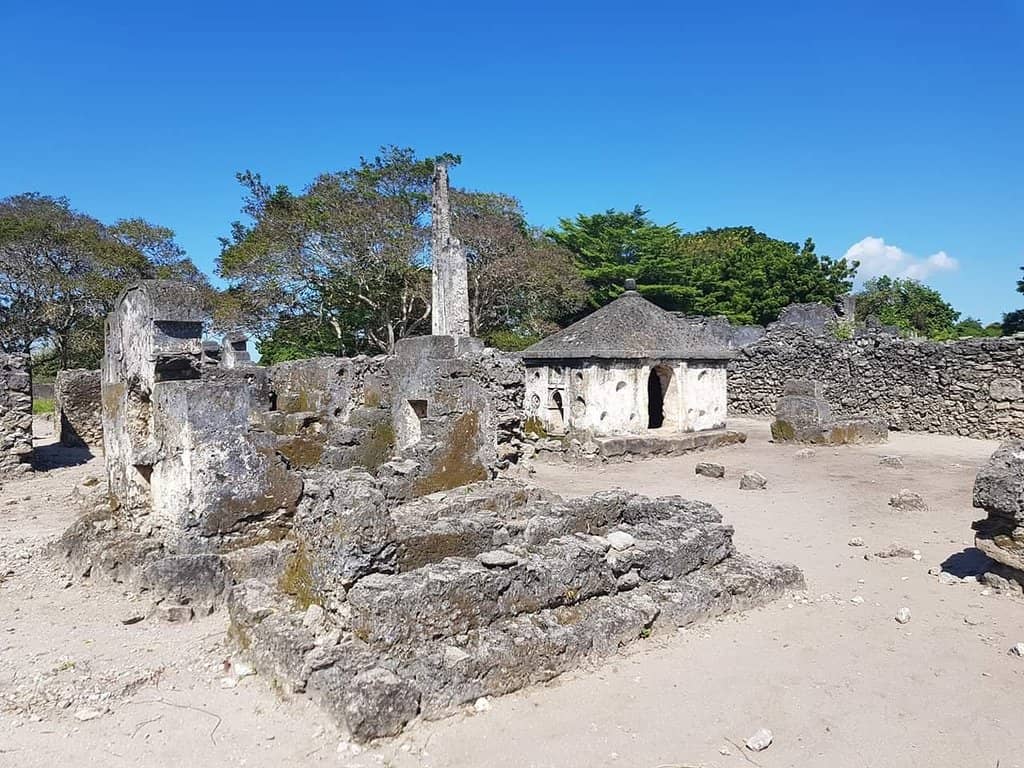
Baobab Tree
Kaole Ruins
A storied baobab tree, believed by some to determine one's lifespan, adding a touch of local folklore.
Plans like a pro.
Thinks like you
Planning Your Visit
Timing is Key for Kaole Ruins
Engage with Local Guides
Best Times
Insider Tips
from TikTok, Instagram & Reddit
🎯 Hire a Local Guide
Enhance your visit with insights into history and culture. Ask for recommendations!
💧 Stay Hydrated
Tanzania's sun can be intense. Carry plenty of water, especially during your exploration.
👟 Wear Comfortable Shoes
You'll be walking on uneven historical grounds. Sturdy footwear is a must.
🛍️ Support Local Artisans
Affordable souvenirs are available. Buying them supports the local community.
Tips
from all over the internet
🎯 Hire a Local Guide
Enhance your visit with insights into history and culture. Ask for recommendations!
💧 Stay Hydrated
Tanzania's sun can be intense. Carry plenty of water, especially during your exploration.
👟 Wear Comfortable Shoes
You'll be walking on uneven historical grounds. Sturdy footwear is a must.
🛍️ Support Local Artisans
Affordable souvenirs are available. Buying them supports the local community.
📸 Capture the History
Bring your camera to document the ancient ruins and their stories.
What Travellers Say
Reviews Summary
Visitors find Kaole Ruins to be a captivating historical site offering a glimpse into Tanzania's rich Swahili heritage and ancient trade connections. The well-preserved mosque, tombs, and unique water well are highlights, with many appreciating the knowledgeable guides and affordable souvenirs. However, some note inconsistencies in guide information and the potential for heat during midday visits.
"Get a feel of the first port, where it all started. A sweet water well, that served the mosque, still sweet, still in use, though just feet away from the sea. A couples grave, where lovers go to strengthen their bonds; a baobab tree that determines your life span are among the storied relics here
Great to see mangoves now protecting it from erosion."
Arnavaz Kharas
"Thousands of years ago this place was an advanced civilization in Tanzania with links to the Persian empire or other Arabic and Islamic civilizations. Unfortunately the young boys given the responsibility to guide tourists are either not well informed or are determined to misinform visitors. I heard a tour guide at the site talking about Jihad and migration of Persians to Kaole before Islam was revealed!"
Abdalla M M
"Loved to hear about the history of the ruins.. Really knowldgable guide. Enjoyed it soo much. Highly recommend. And get their souvenirs , they are affordable.."
Gloria Akinyi (Naku)
What People Like
What People Dislike
Frequently Asked Questions
🚇 🗺️ Getting There
Kaole Ruins are located about 5 kilometers south of Bagamoyo town. From Dar es Salaam, you can take a taxi or a dala-dala (minibus) to Bagamoyo. From Bagamoyo town, local transport or a short taxi ride will take you to the ruins.
The ruins are well-signposted once you are in the Bagamoyo area. Many tour operators in Dar es Salaam offer day trips that include transportation to Kaole Ruins.
Dala-dalas are the most budget-friendly option from Dar es Salaam, but can be crowded. Taxis offer more comfort and speed.
Yes, you can usually find local taxis or arrange for transport with your guide to take you back to Bagamoyo town.
While possible, it's a long day trip involving ferry travel. It's more commonly visited from Dar es Salaam.
🎫 🎫 Tickets & Entry
The Kaole Ruins are generally open daily, but specific hours can vary. It's best to check with local tour operators or the Tanzania Tourist Board for the most up-to-date information.
Entry fees are typically modest. Hiring a local guide may incur an additional fee, which is highly recommended for a richer experience.
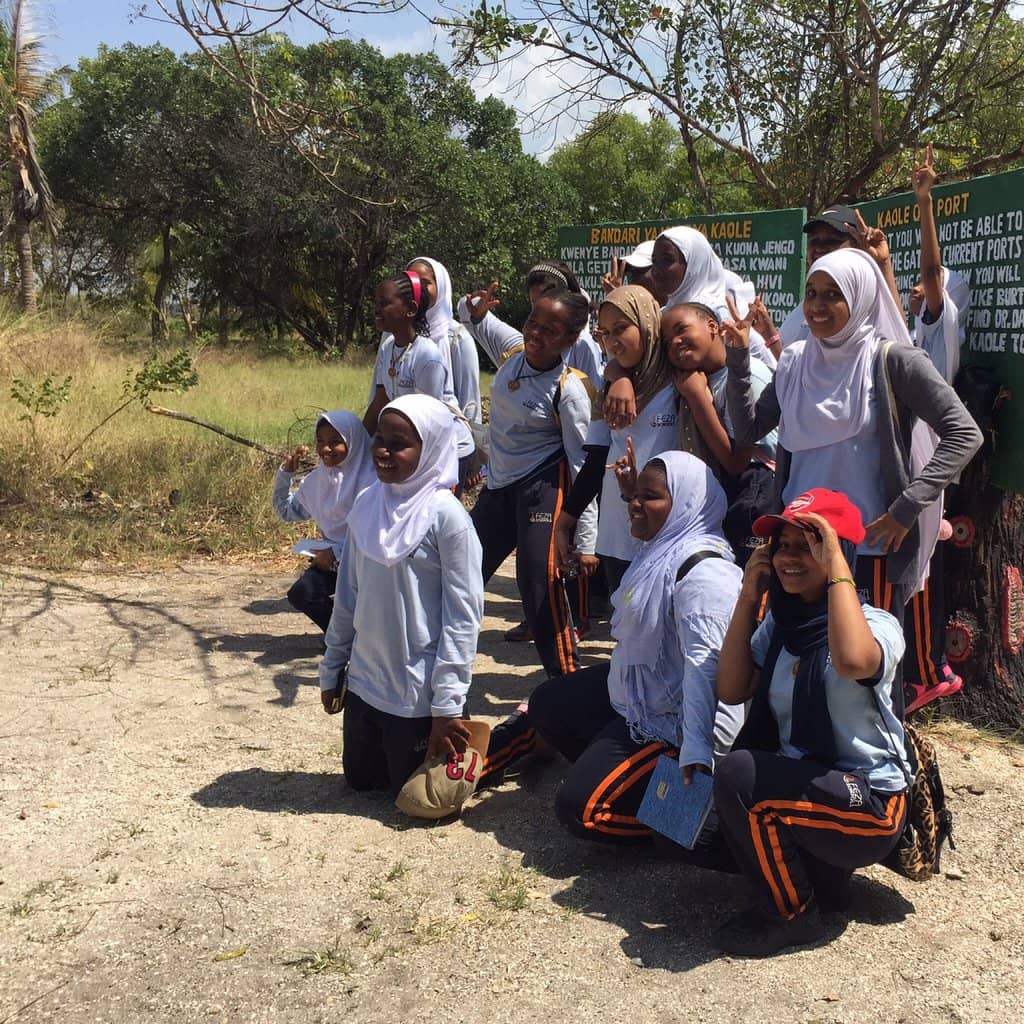
Advance booking is usually not necessary for individual visitors. However, if you are part of a large group or a school trip, it's advisable to inquire beforehand.
Information on special passes or discounts is not widely available. It's best to inquire on-site or through your tour provider.
The entry ticket typically grants access to the historical site. A guide is usually an additional service.
🎫 🧭 Onsite Experience
You can explore remnants of coral stone mosques, ancient tombs, a sweet water well, and a historic baobab tree. There's also a small museum with artifacts.
Yes, there is a small, informative museum on-site that displays artifacts like pottery, glass beads, and coins, showcasing the region's trade connections.
A typical visit can last from 1 to 2 hours, depending on your interest level and whether you hire a guide.
Basic facilities may be available, but it's advisable to use restrooms before arriving or in Bagamoyo town if you have specific needs.
The terrain can be uneven and sandy, which might pose challenges for individuals with mobility issues.
🍽️ 🍽️ Food & Dining
There are no dining facilities directly within the Kaole Ruins site. It's recommended to eat in Bagamoyo town or pack snacks.
Bagamoyo town offers various local eateries and restaurants. Some tour packages might include lunch.
Yes, you can bring your own food and drinks. Remember to dispose of any trash responsibly.
Try local Swahili dishes, seafood, and traditional Tanzanian cuisine.
While not always explicitly labeled, many local dishes can be adapted. Inquire at restaurants for vegetarian options.
📸 📸 Photography
Yes, photography is generally allowed at Kaole Ruins. It's a great spot for historical and cultural photography.
Be respectful of any local customs or individuals. Avoid intrusive photography.
The ancient mosque, the tombs, the well, and the baobab tree offer excellent photographic opportunities. 
Early morning or late afternoon offers softer light, ideal for capturing the textures and atmosphere of the ruins.
Drone usage regulations can be strict. It's advisable to check with local authorities before flying a drone.
For Different Travelers
Tailored advice for your travel style
👨👩👧 Families with Kids
It's advisable to visit during the cooler parts of the day and ensure children have plenty of water and sun protection. The small museum provides visual aids that can help younger visitors understand the context of the ruins. Consider a guide who can tailor their explanations to be more engaging for children.
🏛️ History Enthusiasts
+1Take your time to explore the site thoroughly, and consider hiring a knowledgeable guide to delve deeper into the archaeological findings and historical narratives. The on-site museum, though small, provides valuable context with its collection of artifacts.
📸 Photographers
Focus on capturing the architectural details of the mosque and tombs, the unique character of the baobab tree, and the serene atmosphere of the site. Early morning or late afternoon light will offer the best conditions for dramatic and evocative shots.
Deep Dives
In-depth insights and expert knowledge
The Historical Significance of Kaole Ruins
These ruins are not just stones; they are storytellers. The intricate carvings on the tombs and the architectural style of the mosque provide insights into the lives, beliefs, and trade networks of the people who inhabited this area centuries ago. The presence of a sweet water well, remarkably still functional despite its proximity to the salty Indian Ocean, is a testament to their ingenuity.
Visiting Kaole Ruins is like stepping back in time, offering a profound understanding of Tanzania's historical depth and its role in ancient global trade. It's a place where history is not just read about but felt, making it a must-visit for history buffs and cultural enthusiasts.
+1Exploring the Cultural Heritage
+1The site also holds significance for its connection to the history of slavery in the region. While the ruins themselves predate the peak of the slave trade, Bagamoyo as a whole was a major slave market and port. Understanding Kaole Ruins within this broader context adds another layer to its historical importance.
Local guides often share fascinating folklore and stories associated with the ruins, such as the legend of the baobab tree determining one's lifespan. These narratives, passed down through generations, enrich the visitor experience and provide a deeper connection to the local culture and traditions.
Practicalities for Your Visit
While there are no dining facilities directly at the ruins, Bagamoyo town offers various local eateries where you can enjoy traditional Swahili cuisine or fresh seafood. Many visitors opt to combine their visit to Kaole Ruins with other attractions in Bagamoyo, such as the Kaole Snake Park or the Bagamoyo Slave Museum, making for a comprehensive day trip.
+1For an enhanced experience, hiring a local guide is strongly advised. While some reviews mention varying levels of guide knowledge, a good guide can bring the history of the ruins to life, sharing stories and insights that you might otherwise miss. It's also a great way to support the local community.


Social
from TikTok, Instagram & Reddit