
Yoncatepe Necropolis Urartian Tombs
Discover ancient Urartian tombs and a palace with breathtaking panoramic views at Turkey's highest excavation site.
Highlights
Must-see attractions

Social
From TikTok & Reddit
Best Time
Best views and exploration
Yoncatepe Necropolis Urartian Tombs
Best Time
Best views and exploration
Highlights
Must-see attractions
Discover ancient Urartian tombs and a palace with breathtaking panoramic views at Turkey's highest excavation site.
"A historical palace with a wonderful view. It is definitely a place to camp."

Wear Sturdy Shoes
The terrain can be uneven; comfortable walking shoes are essential for exploring the necropolis. :athletic_shoe:
Bring Water & Snacks
As it's a high-altitude excavation site, amenities are limited. Pack essentials for your visit. :water_wave:

Highlights
Discover the most iconic attractions and experiences
Urartian Rock-Cut Tombs
Northern outskirts of the palace
Discover ancient burial chambers carved into the rock, often containing sarcophagi and remnants of burial gifts.
Tumuli Burial Mounds
Throughout the necropolis
Explore the distinctive mound-shaped tombs, remnants of a rich Urartian burial tradition.

Panoramic Views
Palace area
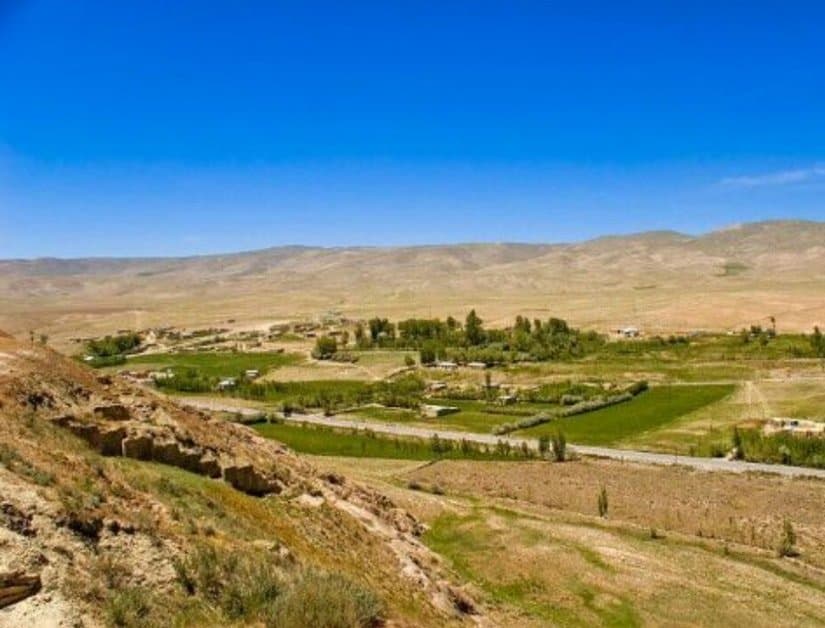
Enjoy a breathtaking bird's-eye view of Van city center from this elevated historical site.
Plans like a pro.
Thinks like you
Planning Your Visit
Timing Your Visit
Exploring the Site
Best Times
Insider Tips
from TikTok, Instagram & Reddit
Wear Sturdy Shoes
The terrain can be uneven; comfortable walking shoes are essential for exploring the necropolis. :athletic_shoe:
Bring Water & Snacks
As it's a high-altitude excavation site, amenities are limited. Pack essentials for your visit. :water_wave:
Check Weather Forecast
Altitude means weather can change quickly. Be prepared for sun, wind, or cooler temperatures. :cloudwithrain:
Tips
from all over the internet
Wear Sturdy Shoes
The terrain can be uneven; comfortable walking shoes are essential for exploring the necropolis. :athletic_shoe:
Bring Water & Snacks
As it's a high-altitude excavation site, amenities are limited. Pack essentials for your visit. :water_wave:
Check Weather Forecast
Altitude means weather can change quickly. Be prepared for sun, wind, or cooler temperatures. :cloudwithrain:
What Travellers Say
Reviews Summary
Visitors are captivated by the Yonca Tepe Necropolis's historical significance and stunning panoramic views from its high-altitude location. The Urartian tombs and palace remnants offer a tangible connection to ancient civilizations. While amenities are scarce, the unique archaeological insights and the breathtaking scenery make it a memorable destination for history enthusiasts and nature lovers alike.
"The Yonca Tepe necropolis is a cemetery located in the İpekyolu district of Van. It is a necropolis or acropolis located within the borders of the Bakraçlı neighborhood and is located just west of the village of Bakraçlı, formerly known as Varagavank. It was built by the Urartians in 7 BC."
Emir araz Alan
"The Yoncatepe Necropolis, located in the Gürpınar district of Van, is an important Urartian cemetery. Built in the 7th century BC by the Urartian King Rusa II, it was used for both royalty and the nobility.
The Yoncatepe Necropolis contains various types of tombs. The most common are rock-cut chamber tombs, which contain sarcophagi and burial gifts. The necropolis also contains mound-shaped tombs called tumuli. Valuable items and weapons have been found within these tombs. In other words, it is a very rich cemetery in terms of both architecture and content."
MUHAMMET ENES ÖZBEK
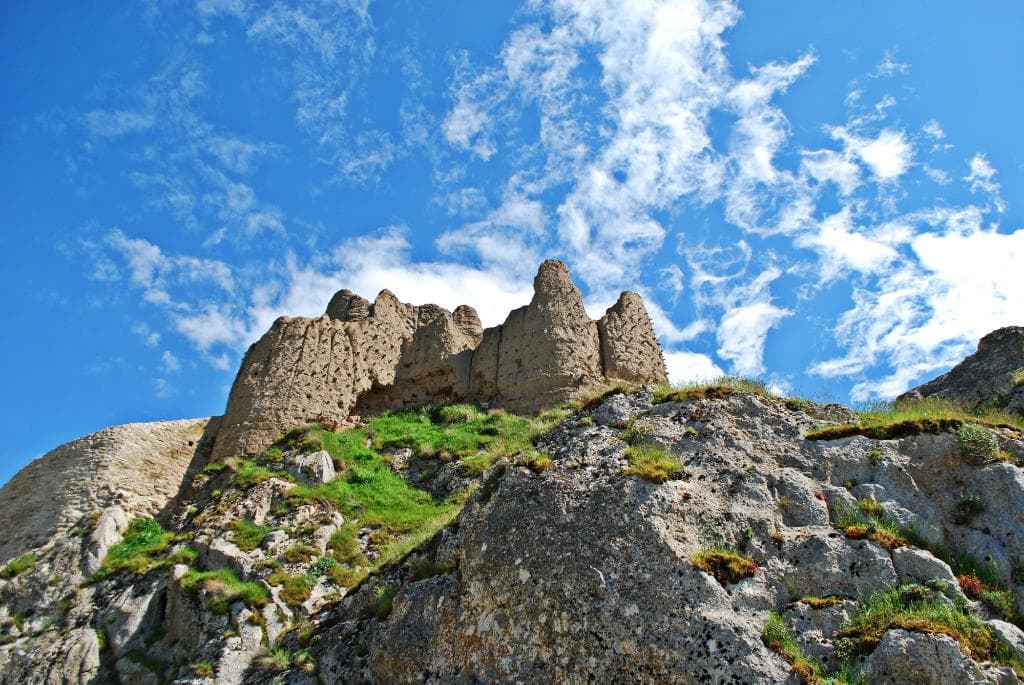
"Located west of the village of Yedi Kilise (Seven Churches), or Bakraçlı, this Urartian palace is approximately 10 km from the city center. Archaeological research and excavations have been conducted at the palace. Yonca Tepe Palace was built with a bird's-eye view of Van city center.
Excavations and research at the palace have yielded ancient grain and grape seeds. Furthermore, the oldest known walking stick was also found here.
No Urartian cuneiform script was found during the excavations, leading researchers to believe that this palace belonged to an inner principality subordinate to Urartu, rather than Urartu itself.
Burial chambers are located on the northern outskirts of the palace."
Bilgin Yazlık
What People Like
What People Dislike
Frequently Asked Questions
🚇 🗺️ Getting There
Yonca Tepe is located approximately 10 km west of Van city center, near the village of Bakraçlı (formerly Varagavank). You can reach it by car or taxi. The site is at a high altitude, so be prepared for a scenic drive.
Public transport options directly to the necropolis might be limited. It's advisable to check local bus routes or consider a taxi for a more direct and convenient journey.
The road leading to the site is generally accessible, but being at a high altitude, it can be winding. Driving carefully is recommended.
🎫 🎫 Tickets & Entry
Information on entrance fees can vary. It's best to check with local authorities or inquire upon arrival. Many historical sites in Turkey have modest entrance fees.
The necropolis is an open-air archaeological site. It's generally accessible during daylight hours. However, it's always a good idea to confirm specific visiting times if available.
Advance booking is typically not required for open-air historical sites like Yoncatepe Necropolis. You can usually visit spontaneously.
🎫 🧭 Onsite Experience
You can explore Urartian rock-cut chamber tombs, tumuli (burial mounds), and the remains of an Urartian palace. The site also offers stunning panoramic views of Van city.
Yes, the site is ideal for walking and exploring. The terrain is uneven, so sturdy footwear is recommended. The elevated location offers a rewarding hiking experience.
Guided tours might not be readily available on-site. Consider hiring a local guide in Van city or researching the history beforehand to enhance your visit.
It's a significant Urartian cemetery built in the 7th century BC, used for royalty and nobility. Excavations have revealed valuable artifacts, including ancient tools and seeds, making it a rich archaeological site.
Yonca Tepe Necropolis is Turkey's highest excavation site, situated at 2051 meters above sea level.
🍽️ 🍽️ Food & Dining
There are no dining facilities directly at the necropolis. It's recommended to have meals in Van city before or after your visit.
The site's scenic location makes it a potential spot for a picnic. However, please ensure you clean up after yourself and respect the historical environment.
📸 📸 Photography
Capture the ancient rock-cut tombs, the vast tumuli, and the sweeping panoramic views of Van city. The unique landscape and historical structures offer excellent photographic potential.
Regulations regarding drone usage at historical and archaeological sites can be strict. It's advisable to check with local authorities before flying a drone.
For Different Travelers
Tailored advice for your travel style
👨👩👧 Families with Kids
🚶♀️ History Buffs & Archaeologists
🚗 Road Trippers & Campers
Deep Dives
In-depth insights and expert knowledge
The Urartian Legacy at Yonca Tepe
The necropolis is characterized by two primary types of tombs: rock-cut chamber tombs and tumuli. The chamber tombs, meticulously carved into the natural rock formations, often contain sarcophagi and were once adorned with burial gifts, hinting at the wealth and status of those interred. The tumuli, or burial mounds, are equally impressive, dotting the landscape and representing another significant aspect of Urartian funerary architecture. Archaeological excavations at Yonca Tepe have unearthed a wealth of artifacts, including ancient grain and grape seeds, the oldest known walking stick, a 2700-year-old bathtub, and 2800-year-old spoons, providing invaluable insights into the daily lives, diet, and craftsmanship of the Urartian people.
Interestingly, the absence of Urartian cuneiform script during excavations has led researchers to hypothesize that the palace complex at Yonca Tepe might have belonged to an inner principality subordinate to the larger Urartian kingdom, rather than being directly administered by the central Urartian authority. This adds another layer of complexity to understanding the political and social structure of the era. The site's high altitude, reaching 2051 meters, makes it Turkey's highest excavation site, and its history is believed to include abandonment due to conflict, adding a poignant narrative to its archaeological significance.
Exploring the Palace and its Discoveries
One of the most remarkable finds from Yonca Tepe is the oldest known walking stick, a discovery that offers a tangible connection to the past and insights into mobility and daily life. Furthermore, the site has yielded artifacts such as a 2700-year-old bathtub and 2800-year-old spoons, showcasing the sophistication of Urartian domestic life and hygiene practices. These findings underscore the importance of Yonca Tepe as a site that reveals not just burial customs but also the broader cultural and technological achievements of the Urartian civilization.
The palace's location at 2051 meters above sea level makes it Turkey's highest excavation site. This elevated position likely served defensive purposes and provided strategic oversight of the surrounding region. The fact that the site is described as having been evacuated as a result of war adds a layer of historical drama, suggesting a turbulent past for this ancient settlement. The panoramic view from the palace is frequently highlighted by visitors, who describe the city appearing to be 'literally under your feet,' making it a compelling destination for both history enthusiasts and those seeking scenic vistas.


Social
from TikTok, Instagram & Reddit