Sardis Archaeological Site
Sardis: Ancient Lydian capital, birthplace of coinage, and a city of biblical significance with stunning Roman ruins.
Highlights
Must-see attractions

Social
From TikTok & Reddit
Best Time
Pleasant temperatures, fewer crowds
Sardis Archaeological Site
Best Time
Pleasant temperatures, fewer crowds
Highlights
Must-see attractions
Sardis: Ancient Lydian capital, birthplace of coinage, and a city of biblical significance with stunning Roman ruins.
"Remarkably well-preserved glimpse into a once-thriving ancient civilization."
Wear Comfortable Shoes
Lots of walking on uneven terrain. :athletic_shoe: Essential for exploring the vast site comfortably.
Bring Water & Sun Protection
It can get very hot, especially in summer. Stay hydrated and protected from the sun. :droplet: :sunwithface:
Highlights
Discover the most iconic attractions and experiences
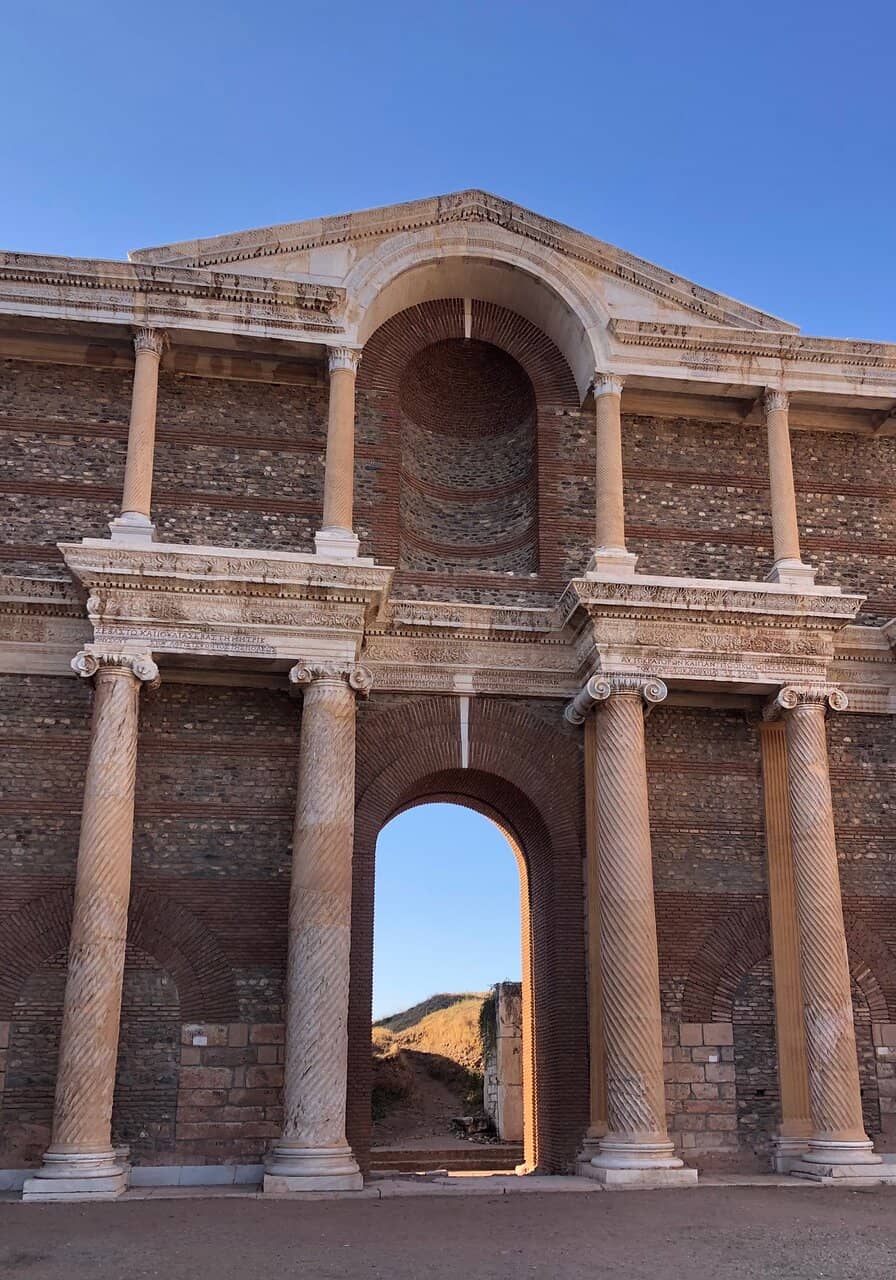
Roman Gymnasium and Baths
Main Archaeological Site
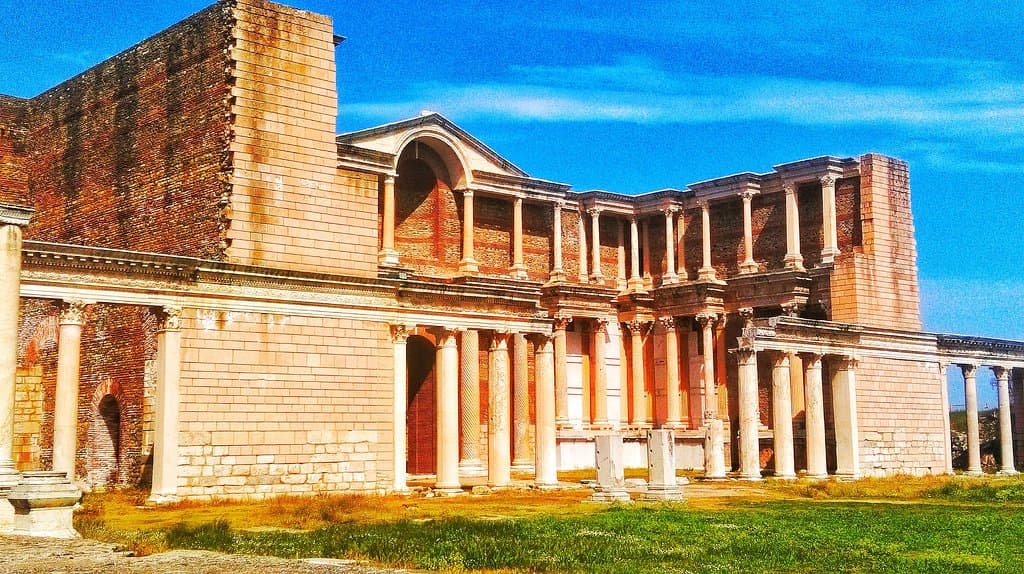
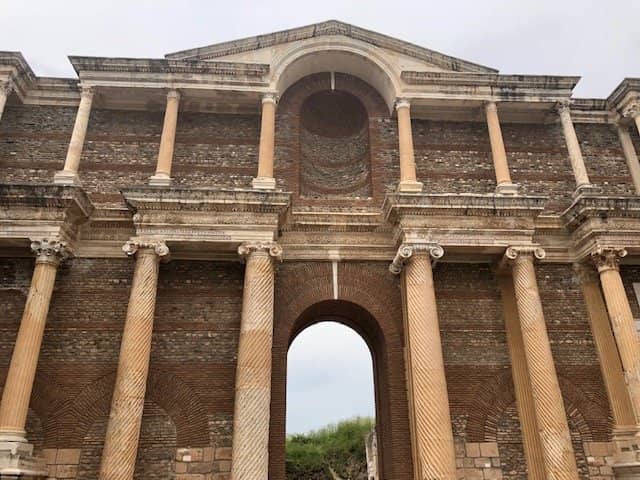
A grand, reconstructed marble facade showcasing Roman architectural prowess and educational ideals.
Ancient Synagogue
Adjacent to Gymnasium
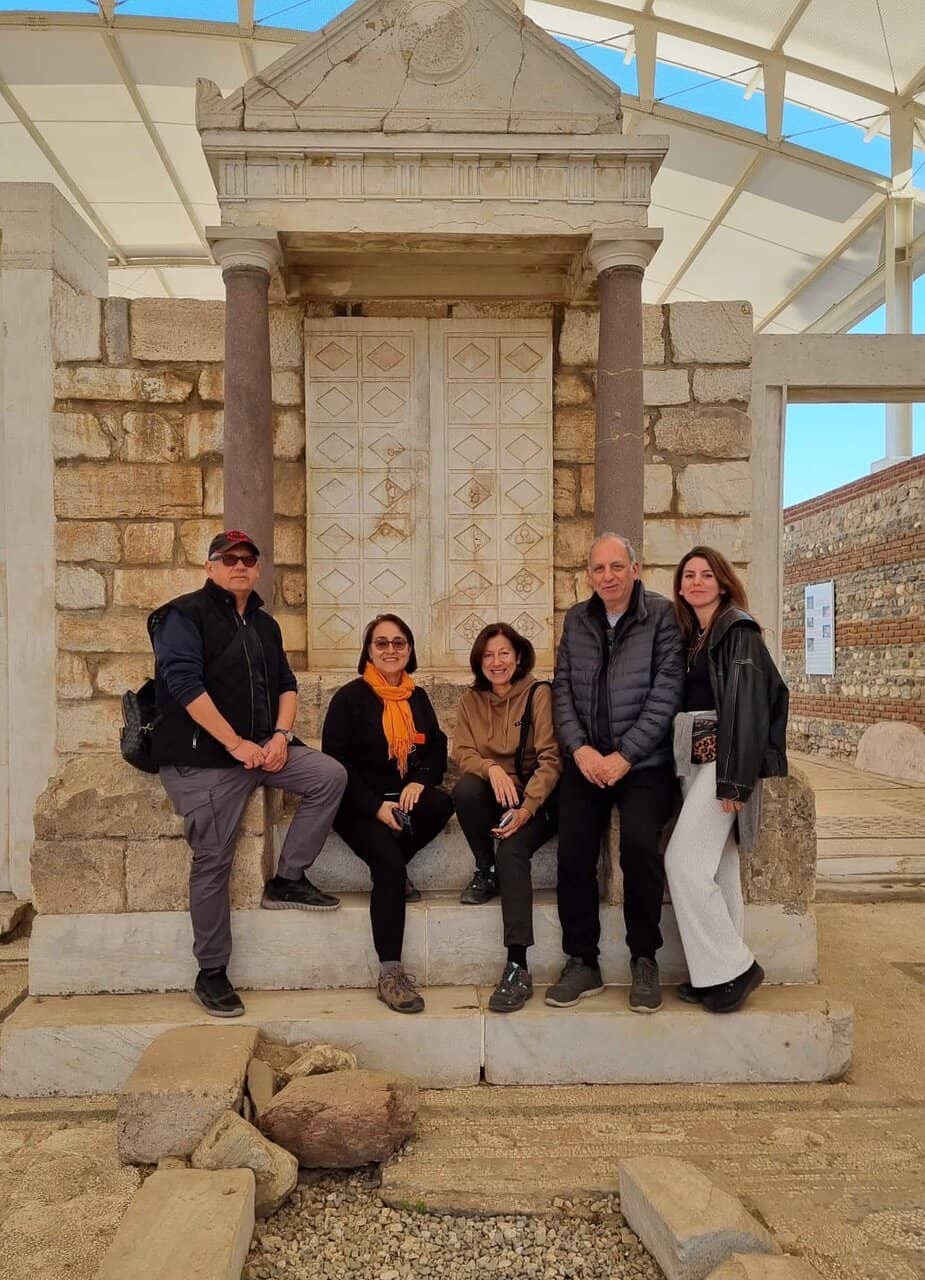
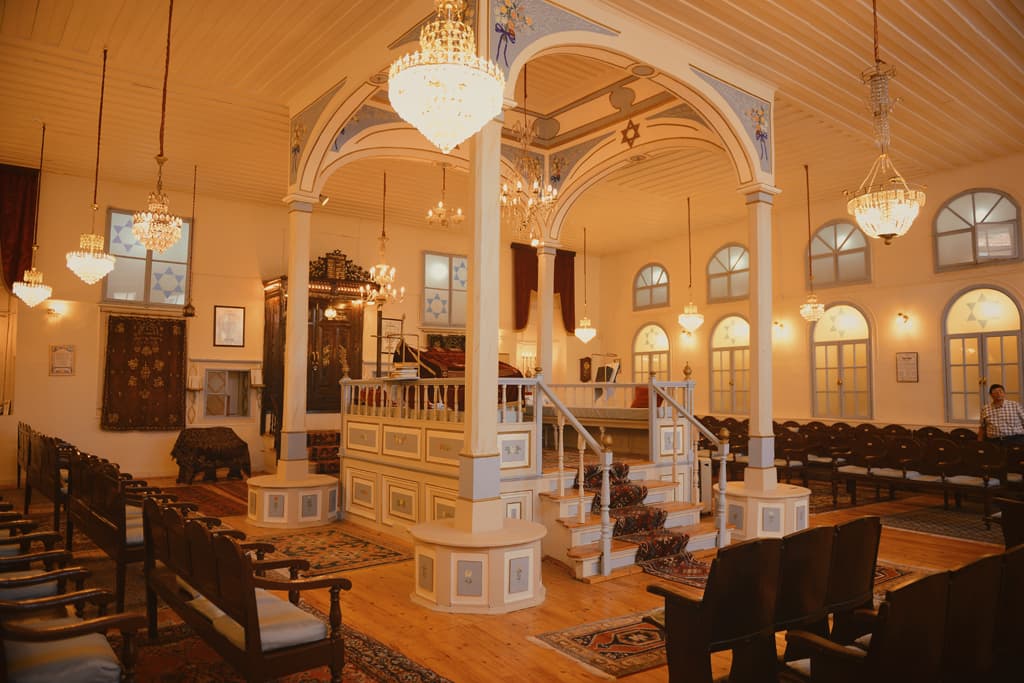
One of the largest ancient synagogues, featuring well-preserved mosaic floors and standing columns.
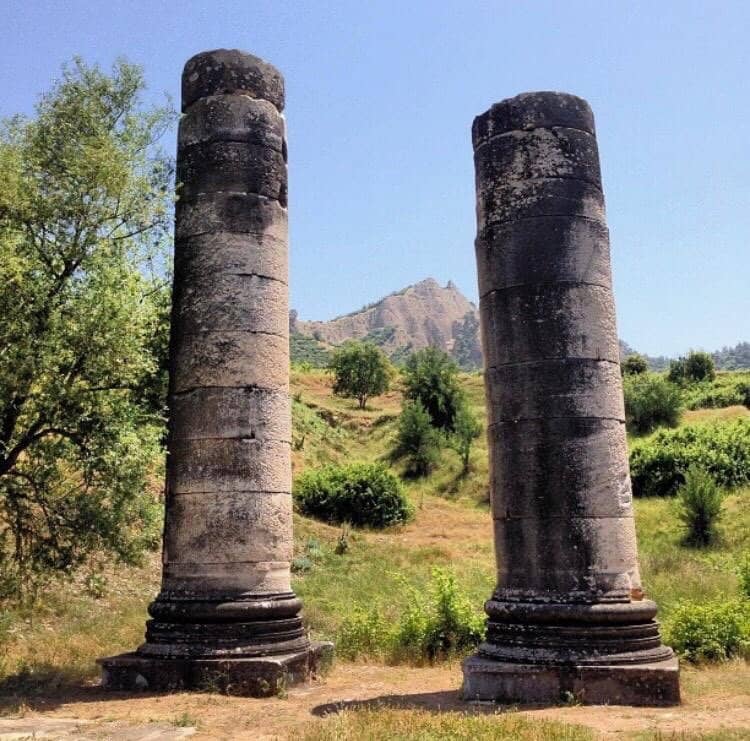
Temple of Artemis
Eastern part of the site
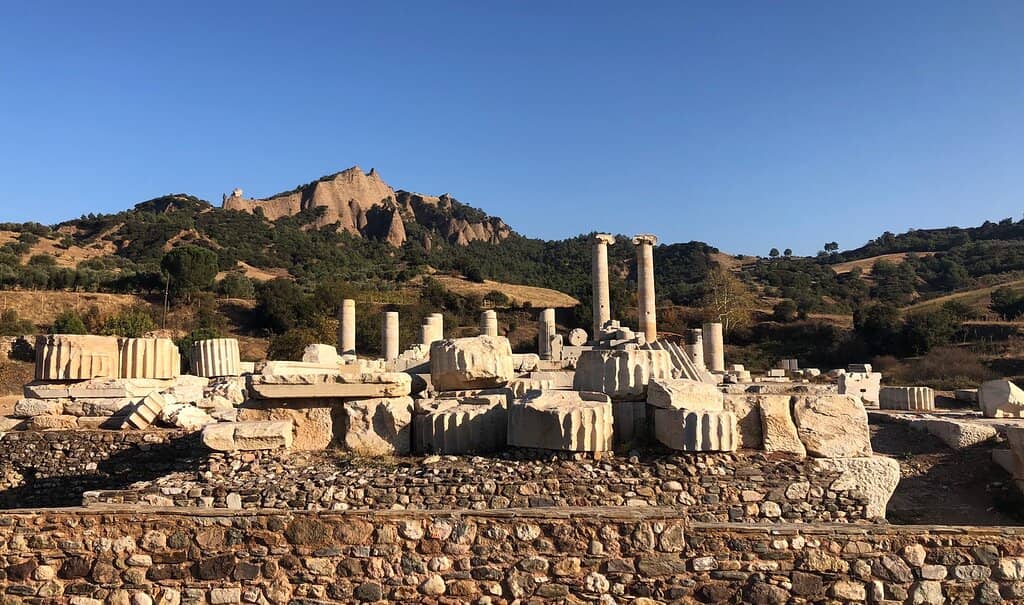
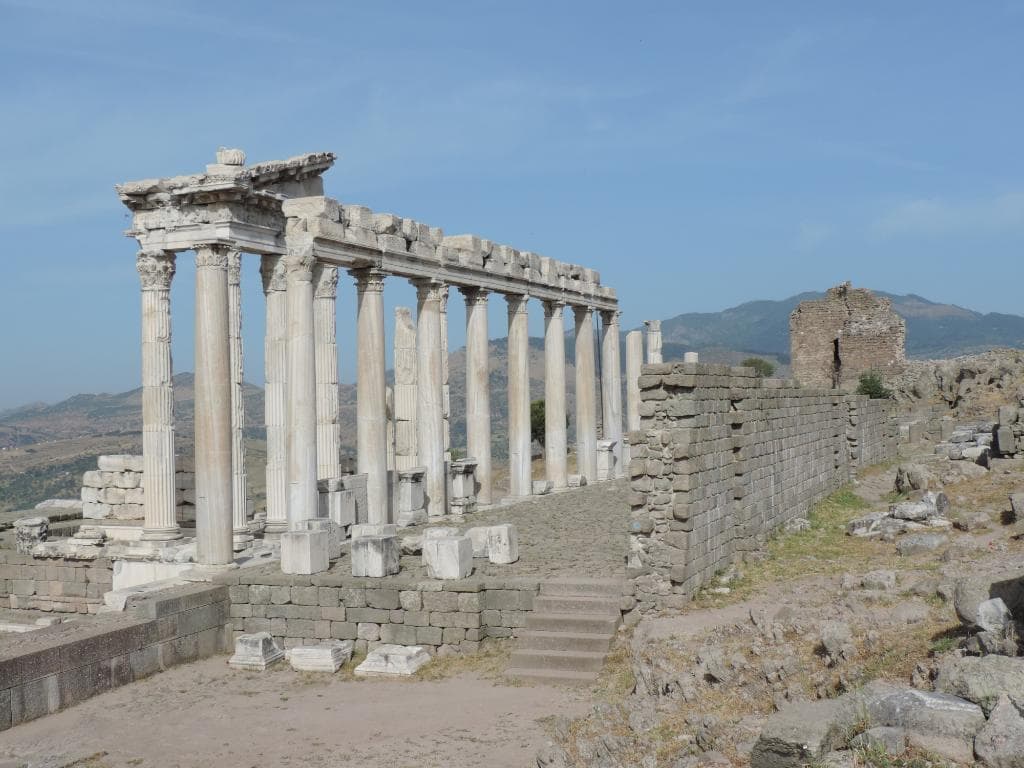
Impressive ruins of a temple dedicated to Artemis, hinting at the site's polytheistic past.
Lydian Walls
Perimeter of the ancient city
Discover remnants of the ancient Lydian defense system, showcasing the city's historical fortifications.
Plans like a pro.
Thinks like you
Planning Your Visit
Timing Your Visit to Sardis
What to Expect at Sardis
Best Times
Insider Tips
from TikTok, Instagram & Reddit
Wear Comfortable Shoes
Lots of walking on uneven terrain. :athletic_shoe: Essential for exploring the vast site comfortably.
Bring Water & Sun Protection
It can get very hot, especially in summer. Stay hydrated and protected from the sun. :droplet: :sunwithface:
Allow Ample Time
While not as massive as some sites, give yourself at least 2-3 hours to fully appreciate the history. :clock1:
Consider a Guide
Enhance your understanding of the rich history and significance of the ruins. :scroll:
Tips
from all over the internet
Wear Comfortable Shoes
Lots of walking on uneven terrain. :athletic_shoe: Essential for exploring the vast site comfortably.
Bring Water & Sun Protection
It can get very hot, especially in summer. Stay hydrated and protected from the sun. :droplet: :sunwithface:
Allow Ample Time
While not as massive as some sites, give yourself at least 2-3 hours to fully appreciate the history. :clock1:
Consider a Guide
Enhance your understanding of the rich history and significance of the ruins. :scroll:
Look for the Orange Quartz
The 'Sard' stone, giving its name to the region, was mined here. :gem:
What Travellers Say
Reviews Summary
Visitors praise Sardis for its rich biblical and ancient history, particularly the well-preserved Roman gymnasium and ancient synagogue with its mosaics. Many appreciate the site's peaceful atmosphere and fewer crowds, allowing for a more reflective experience. Some note it's not as vast as other sites, making it manageable for a shorter visit.
"This was such a lovely place to visit. Lots of biblical and ancient history. It’s not as big as some other sites so you wouldn’t need as much time. I enjoyed visiting."
Crystal Hall
"The Forgotten Glory of the Lydian Empire /
Sardis, once the glittering capital of the Lydian Empire, offers a remarkably well-preserved glimpse into a once-thriving ancient civilization. The Lydian Empire flourished in western Anatolia from the 7th to 6th century BCE and is credited with inventing the world’s first known coinage, made of electrum. Under the legendary King Croesus, Sardis became synonymous with immense wealth and influence.
One of the most impressive structures in Sardis today is the Roman-era gymnasium, with its reconstructed two-story marble façade, soaring arches, and monumental design that showcased Roman ideals of strength and education. Just beside it lies the grand ancient synagogue—one of the largest known from antiquity—testifying to the vibrant Jewish community that lived in Sardis. The synagogue’s well-preserved mosaic floors, adorned with geometric patterns, and the standing columns create a vivid picture of religious life in the late Roman period.
When we arrived, we were surprised to find so few visitors despite the vastness of the site. It felt peaceful and uncrowded, allowing us to reflect more deeply. Seeing the scale of Sardis made us realize how vast and powerful the empire must have been. We truly hope more people take the time to visit this impressive and meaningful place.
#SardisAncientCity #LydianEmpire #RomanGymnasium #AncientSynagogue #Mosaics #Croesus #SevenChurches"
Douglas Shin
"Visited the ruins while on group tour with members of my church. We were amazed with the excavated ruins dating back to the Byzantine and Lydian eras. The gymnasium building and synagogue mosaics were definite highlights."
Anthony Divinagracia
What People Like
What People Dislike
Frequently Asked Questions
🚇 🗺️ Getting There
Sardis is located near Salihli, Manisa. From Izmir, you can take a bus or train to Salihli, which takes about 1-1.5 hours. From Salihli, local minibuses (dolmuş) or taxis can take you to the Sardis site (Sart).
Yes, there is usually ample parking available at the entrance to the archaeological site, making it convenient for those arriving by car.
Absolutely! Sardis is a popular day trip destination from Izmir and other nearby coastal cities due to its historical significance and relatively accessible location.
Public transport via bus or train to Salihli is a good option. From Salihli, local transport or a taxi will be necessary to reach the actual archaeological site.
Yes, many tour operators offer guided tours to Sardis, often as part of a larger historical tour of the region. You can also hire local guides at the site.
🎫 🎫 Tickets & Entry
Opening hours can vary seasonally, but generally, Sardis is open from morning until early evening. It's advisable to check the latest hours before your visit, especially during public holidays.
Admission fees are typically modest. For the most current pricing, it's best to check official tourism websites or inquire locally upon arrival.
Advance booking is generally not required for individual visitors. Tickets can usually be purchased at the site's entrance.
Yes, Sardis is recognized on the UNESCO World Heritage Tentative List, highlighting its outstanding universal value. 
Photography is generally allowed for personal use. However, using tripods or professional equipment might require special permission.
🎫 🏛️ Onsite Experience
The main attractions include the Roman Gymnasium and Baths, the ancient Synagogue with its mosaics, the Temple of Artemis, and remnants of the Lydian walls.
Most visitors spend around 2-3 hours exploring the site to see the key structures and appreciate the historical context.
The site has uneven terrain and some areas may be challenging for those with mobility issues. The main paths are relatively accessible, but caution is advised.
Basic facilities such as restrooms are usually available. Food and drink options might be limited on-site, so it's wise to bring your own or plan to eat in Salihli.
Sardis was the capital of the Lydian Kingdom, famous for inventing coinage. It was also one of the Seven Churches of Revelation and a major center in the Roman Empire.
🍽️ 🍽️ Food & Dining
Typically, there are no extensive dining facilities directly within the archaeological site itself. It's recommended to dine in the nearby town of Salihli.
Salihli offers traditional Turkish cuisine, including local specialties. You can find various restaurants serving kebabs, mezes, and other regional dishes.
Yes, bringing your own water and snacks is a good idea, especially during warmer months, as on-site options are limited.
📸 📸 Photography
The Roman Gymnasium's grand facade, the intricate mosaics of the Synagogue, and the expansive views of the ruins offer excellent photo opportunities. The Temple of Artemis also provides dramatic backdrops.
Drone usage is typically restricted at archaeological sites to preserve the environment and prevent disturbance. Check local regulations before flying.
Late afternoon offers beautiful golden hour light that enhances the ancient stones. Early mornings can also provide soft light and fewer people.
For Different Travelers
Tailored advice for your travel style
👨👩👧 Families with Kids
To make the visit more engaging, consider bringing a simple map or drawing of the site and letting kids 'discover' key areas. Pack plenty of water and snacks, as facilities are limited. The relatively uncrowded nature of Sardis compared to other major sites can also make it a more relaxed experience for families.
🏛️ History Buffs & Archaeologists
+1Take your time to explore the intricate details of the Roman Gymnasium and the Synagogue, and ponder the engineering and artistry of the Lydian walls. The ongoing excavations and the site's UNESCO tentative status underscore its ongoing importance in understanding ancient civilizations.
🚶♀️ Solo Travelers & Backpackers
Public transport options to Salihli make it accessible without a car. The peaceful atmosphere, as noted by many visitors, allows for personal reflection and a deep connection with the ancient past. Consider joining a small group tour if you enjoy shared discovery.
Deep Dives
In-depth insights and expert knowledge
The Invention of Coinage at Sardis
+1The ability to create standardized currency allowed for more efficient transactions, taxation, and the accumulation of wealth. This paved the way for complex economies and further advancements in trade and commerce across the ancient world. The legacy of Sardis as the birthplace of coinage is a testament to its historical importance.
Sardis and the Seven Churches of Revelation
The archaeological remains, particularly the ancient synagogue and the remnants of Christian basilicas, offer tangible links to the early Christian communities that thrived in Sardis. Visitors can explore these structures and contemplate the historical context of the biblical messages, making Sardis a site of both ancient history and religious significance.
Exploring the Synagogue and Gymnasium
Adjacent to the gymnasium lies one of the largest ancient synagogues ever discovered. Its well-preserved mosaic floors, adorned with intricate geometric patterns, and the standing columns provide a powerful glimpse into the vibrant Jewish community that flourished in Sardis during the Roman period. The careful preservation and renovation efforts, particularly on the synagogue's walls, are noted by visitors.


Social
from TikTok, Instagram & Reddit