
Oluz Höyük
An active archaeological site in Amasya, revealing millennia of history, from ancient temples to early Turkic burials.
Highlights
Must-see attractions

Social
From TikTok & Reddit
Best Time
Witness active digs
Oluz Höyük
Best Time
Witness active digs
Highlights
Must-see attractions
An active archaeological site in Amasya, revealing millennia of history, from ancient temples to early Turkic burials.
"A must-see place for understanding religious transitions and early Anatolian history."

Check Access Status
Oluz Höyük is an active dig site. Confirm visitor access before you go! :informationdeskperson:
Wear Comfortable Shoes
You'll be walking on uneven terrain. Sturdy footwear is a must for exploring the site. :athletic_shoe:
Highlights
Discover the most iconic attractions and experiences
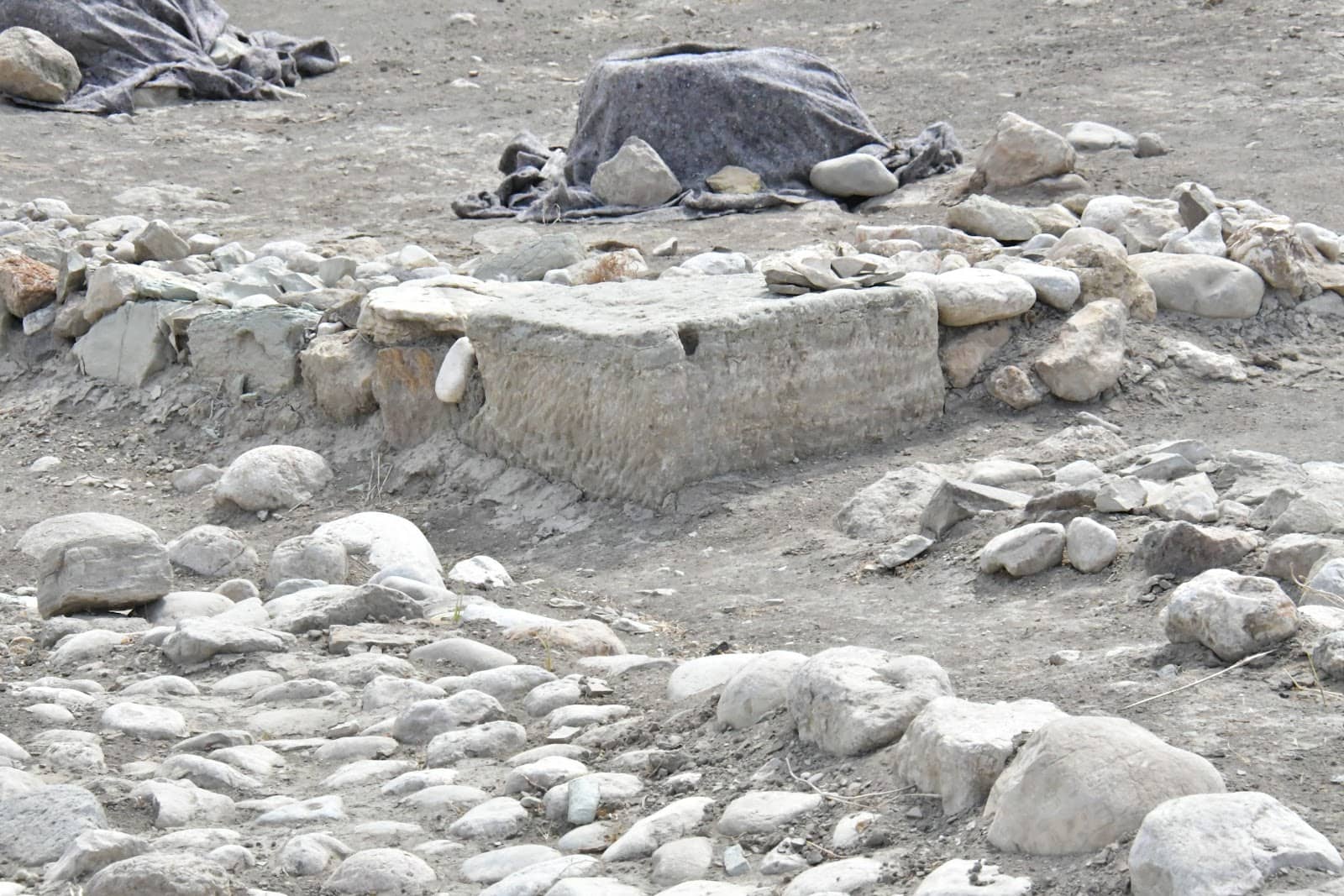
Kubaba Sacred Area
Excavation Site
A 2600-year-old lost temple from the Phrygian era, revealing ancient altars and rituals.
Persian Period Altar
Excavation Site
Discover an altar from the Med Kingdom, shedding light on a 40-year reign in Anatolia.

Nomadic Turk Skeletons
Excavation Site
Intact skeletons from the 10th-11th century, buried with Islamic customs before 1071.
Plans like a pro.
Thinks like you
Planning Your Visit
Excavation Site in Progress
Understanding the Significance
Best Times
Insider Tips
from TikTok, Instagram & Reddit
Check Access Status
Oluz Höyük is an active dig site. Confirm visitor access before you go! :informationdeskperson:
Wear Comfortable Shoes
You'll be walking on uneven terrain. Sturdy footwear is a must for exploring the site. :athletic_shoe:
Bring Water & Sun Protection
The Anatolian sun can be intense. Stay hydrated and protected. :droplet: :sunwithface:
Learn About the History
Understanding the religious and historical significance enhances the visit. :books:
Tips
from all over the internet
Check Access Status
Oluz Höyük is an active dig site. Confirm visitor access before you go! :informationdeskperson:
Wear Comfortable Shoes
You'll be walking on uneven terrain. Sturdy footwear is a must for exploring the site. :athletic_shoe:
Bring Water & Sun Protection
The Anatolian sun can be intense. Stay hydrated and protected. :droplet: :sunwithface:
Learn About the History
Understanding the religious and historical significance enhances the visit. :books:
What Travellers Say
Reviews Summary
Visitors find Oluz Höyük to be an absolutely worthwhile visit, offering thrilling insights into ongoing excavations and significant historical discoveries, particularly concerning religious transitions and early Turkic history. While it's an active dig site with potential access limitations, the historical depth and ongoing work make it a crucial location for understanding Anatolian archaeology.
"It's absolutely worth visiting."
Okan Sezer
"We visited the archaeological site on August 10, 2020, and were thrilled with the progress of the excavations.
It can be seen that the first example of this belief, known as Tawhite in the Islamic religion and monotheism in religious philosophy, was first experienced at Oluş Höyük. Important insights have been gained to date. Excavations in recent years have focused on the layers of the Persian period. This is where the transition from pagan to monotheistic religion began at Oluş Höyük in Anatolia and Asia Minor, which is very important for the archaeology of religions. Oluş Höyük occupies a very important place in the Persian period and in relation to Anatolian religious archaeology. Until this time, Anatolia experienced paganism in a polytheistic religious system, influenced both by the Greek gods and by the Phrygian period.
For the first time, one sees that all the gods united during this time, and the return to a single god began.
I have provided a detailed description of the archaeological site with many photos in my "Travel Report Part 55 - Oluz Höyük.""
Andreas Mauersberger
"An excavation area that is not open to visitors and is under constant surveillance and control."
Erkan Safa
What People Like
What People Dislike
Frequently Asked Questions
🚇 🗺️ Getting There
Oluz Höyük is located near the center of Amasya. While specific public transport details might be limited, local taxis or private car hire are the most convenient options for reaching the excavation site. The journey is relatively short, allowing for easy day trips from the city. 
Yes, Oluz Höyük is accessible by car. There are usually designated areas for parking near the excavation site, making it convenient for visitors arriving with their own vehicles.
Guided tours may be available, especially during peak excavation seasons or by special arrangement. It's advisable to inquire with local tourism offices or the excavation team in advance for the most up-to-date information on tour availability.
The best way to experience Oluz Höyük is by understanding its significance as an active archaeological site. Visiting during excavation periods can offer unique insights, and learning about the historical context beforehand greatly enhances the visit.
Yes, independent visits are possible, but it's crucial to check the current access status as it's an active excavation area. Respect any restricted zones and follow site guidelines.
🎫 🎫 Tickets & Entry
As Oluz Höyük is an active archaeological site, entry policies can vary. It's recommended to check official sources or local tourism information for current ticketing requirements and any associated fees.
Opening hours for archaeological sites can be seasonal and subject to excavation schedules. It's best to confirm the latest operating hours before planning your visit.
The site's accessibility might be influenced by ongoing excavation work and weather conditions. Always verify current access status before your trip.
Given it's an active dig, there might be restricted areas. Visitors are expected to adhere to safety guidelines and respect the ongoing archaeological work.
Advance booking might be an option if tickets are required. Check with the official site management or Amasya tourism authorities for booking procedures.
🎫 🏛️ Onsite Experience
At Oluz Höyük, you can witness ongoing archaeological excavations, discover ancient structures like altars and temples, and learn about significant finds such as the Kubaba Sacred Area and early nomadic Turk skeletons. +1
Yes, Oluz Höyük offers many photographic opportunities, capturing the essence of an active archaeological dig and historical discoveries. Remember to be respectful of the site and any ongoing work.
The terrain at Oluz Höyük is typical of an archaeological excavation site, which means it can be uneven and dusty. Comfortable walking shoes are highly recommended.
A visit to Oluz Höyük can take anywhere from 1 to 3 hours, depending on your interest level and whether you are taking a guided tour or exploring independently.
Facilities at active excavation sites can be limited. It's advisable to use restrooms before arriving and to bring your own refreshments.
🍽️ 🍽️ Food & Dining
Typically, active archaeological sites like Oluz Höyük do not have on-site dining facilities. Visitors are advised to dine in Amasya before or after their visit.
The nearest dining options will be in Amasya city center, offering a range of traditional Turkish cuisine. You can find local eateries and restaurants there.
Bringing your own water and snacks is a good idea, especially if you plan to spend a few hours exploring. However, be sure to dispose of any waste properly to keep the site clean.
📸 📸 Photography
Photography is generally allowed at Oluz Höyük for personal use, allowing you to capture the historical discoveries. However, always be mindful of any specific site regulations or restrictions.
The excavation trenches, unearthed artifacts, and the surrounding landscape offer great photographic opportunities. The unique historical context provides a compelling backdrop.
While personal photography is usually permitted, professional or commercial photography might require special permits. It's wise to check with the site management.
Drone usage is often restricted at archaeological sites due to preservation concerns and potential disturbance. It's best to inquire about drone policies beforehand.
A versatile camera with a good zoom lens would be beneficial to capture details from a distance. A wide-angle lens can also be useful for landscape shots of the excavation area.
For Different Travelers
Tailored advice for your travel style
👨👩👧 Families with Kids
Keep in mind that the terrain can be uneven, so ensure children wear appropriate footwear. Bringing snacks and water is advisable, as facilities might be limited. The stories of ancient cultures and discoveries can spark curiosity and make for a memorable family outing.
🏛️ History Buffs & Archaeology Enthusiasts
Engage with the information provided, perhaps by reading up on the Persian period and Anatolian religious archaeology beforehand. The chance to see history being unearthed is unparalleled, making it a deeply rewarding experience for enthusiasts.
📸 Photographers
Focus on capturing the details of unearthed artifacts, the scale of the excavation trenches, and the atmospheric quality of the site. Remember to be respectful of the archaeologists' work and any restricted areas while seeking out your shots.
Deep Dives
In-depth insights and expert knowledge
The Historical Tapestry of Oluz Höyük
Recent discoveries have unearthed remarkable artifacts, such as the Kubaba Sacred Area from the Phrygian period, complete with altars and ritualistic elements. Furthermore, the discovery of intact skeletons of pioneer nomadic Turks, dating back to the 10th or 11th century and buried according to Islamic customs, provides invaluable insights into early Turkish history in the region, predating the Battle of Manzikert.
The ongoing excavations, led by institutions like Istanbul University, continue to uncover layers of history, with projections suggesting work will continue for many more years. This sustained effort promises further revelations about the ancient world and its inhabitants.
+1Religious Significance and Discoveries
The unearthed altars and sacred areas, such as the Kubaba Sacred Area, provide direct evidence of ancient religious practices. These findings help scholars reconstruct the rituals and beliefs of civilizations that once thrived in the region. The site's importance in this regard is highlighted by its potential to rewrite historical understanding of religious development in Asia Minor.
The discovery of nomadic Turk skeletons buried with Islamic customs further emphasizes the site's diverse historical and religious narrative. These findings contribute to a broader understanding of cultural and religious interactions and transformations over centuries.
The Excavation Process and Future
+1Led by experienced archaeologists, such as Prof. Dr. Şevket Dönmez, the excavations are conducted with scientific rigor. The team's dedication ensures that each discovery is properly analyzed and preserved, contributing to a deeper understanding of history.
+1With projections indicating that excavations could continue for another century, Oluz Höyük holds immense potential for future discoveries. This long-term commitment suggests that the site will remain a focal point for archaeological research and a source of historical knowledge for generations to come.


Social
from TikTok, Instagram & Reddit